
Alberobello in Apulia
Welcome to Alberobello: The Capital of the Trulli and a UNESCO World of Wonder
In the rolling green hills of the Valle d’Itria, there exists a town that seems to have been plucked directly from the pages of a Mediterranean fairytale. Alberobello is not merely a destination; it is a global icon of architectural ingenuity and a symbol of the resilient spirit of the Apulian people. As you approach the town, the horizon begins to ripple with hundreds of grey, conical stone roofs, each topped with a unique white pinnacle. This is the heart of the “Land of the Trulli,” and at ApuliaBella, we believe that no journey to Southern Italy is complete without wandering through this labyrinth of limestone and legend.
As your dedicated ApuliaBella travel guide, we invite you to discover a city that has preserved its identity for centuries. Alberobello is a place where history is written in dry stone, where every wall tells a story of tax-evading brilliance, and where the narrow, uphill alleys are lined with blooming bougainvillea and local artisan workshops. Whether you are a photographer seeking the perfect shot of the sun hitting the cone-shaped dwellings or a history buff eager to understand the ancient origins of these UNESCO-protected structures, ApuliaBella is here to ensure your experience is as authentic as it is breathtaking. We don’t just show you the monuments; we introduce you to the soul of the stone.
The Story of the Stone: A History of Clever Defiance
The history of Alberobello is a masterclass in human creativity under pressure. The origins of the trulli (plural of trullo) date back to the 14th century, but their proliferation in the 17th century was born from a very practical need: avoiding taxes. The local Counts of Conversano, the Acquaviva family, wanted to expand their fiefdom without paying the “tax on new settlements” to the Kingdom of Naples. To do this, they ordered the local peasants to build their homes without mortar—using only dry-stone construction.
This meant that whenever a Royal Inspector was sighted on the horizon, the residents could literally pull a single keystone and the house would collapse into a pile of rubble. By the time the taxman arrived, there was no village to tax—only a field of stones. Once the danger passed, the people would simply rebuild. At ApuliaBella, we love the irony that these structures, originally designed to be temporary and fragile, have stood the test of time for centuries. We, as your ApuliaBella travel guide, believe that walking through these streets gives you a profound respect for the wit and grit of the Apulian ancestors.
Rione Monti: The Heart of the Fairytale
The most famous district in Alberobello is Rione Monti, which climbs the southern slope of the town. With over 1,000 trulli grouped together, it is a dense, undulating forest of stone cones. Today, this area is a vibrant hub of activity, where the traditional dwellings have been converted into charming boutiques, cafés, and workshops.
As your ApuliaBella travel guide, we recommend starting your walk here in the early morning or at sunset. The light in the Valle d’Itria is soft and golden, illuminating the white-washed walls and making the grey stones of the roofs glow. In Rione Monti, you can find the “Trulli Siamesi,” a unique structure with two cones joined together and two separate entrances, said to have been built by two brothers who fell in love with the same woman. Storytelling is etched into every corner of this district, and ApuliaBella ensures you don’t miss these hidden narratives that bring the stone to life.
Aia Piccola: The Quiet Soul of Tradition
While Rione Monti is the center of the action, Aia Piccola is where you go to see how the people of Alberobello truly live. This district is almost entirely residential, consisting of around 400 trulli that have not been converted into shops. Here, you can still hear the clink of silverware through open windows and see laundry drying against the white limestone.
We at ApuliaBella believe that Aia Piccola offers the most authentic atmosphere in the city. There are no neon signs here, only the quiet dignity of a community that has lived in these circular homes for generations. When we at ApuliaBella curate a stay for you, we often look for properties in or near this district, allowing you to experience the “slow life” of the Valle d’Itria. We encourage our guests to walk slowly, respect the privacy of the locals, and soak in the timelessness of this neighborhood.
The Symbols on the Roofs: Magic and Mystery
As you look up at the grey cones of the trulli, you will notice large white symbols painted on the stones. These are not mere decorations; they are a blend of Christian, pagan, and astrological signs intended to protect the family within. You might see a heart pierced by an arrow (representing the Sorrowful Mother), a trident, or various celestial bodies like the sun and moon.
As your ApuliaBella travel guide, we help you decode these ancient markings. Some were meant to ward off the “evil eye,” while others were a display of the family’s trade or status. These symbols add a layer of mystical intrigue to the city’s architecture. At ApuliaBella, we provide our guests with a guide to these symbols so that your walk through the town becomes a treasure hunt of spiritual history.
The Trullo Sovrano: The King of Cones
Most trulli are small, single-story structures, but the Trullo Sovrano is the grand exception. Built in the late 18th century, it is the only two-story trullo in existence. It was once the home of a wealthy priest and even served as a chapel. Today, it is a museum that showcases how a high-status family would have lived in a stone-built palace.
We at ApuliaBella consider a visit to the Trullo Sovrano essential for understanding the versatility of dry-stone architecture. The internal staircase is built into the thick walls, and the rooms are surprisingly spacious and airy. It is a testament to the fact that even within the strict limits of mortar-less construction, the Baresi people could achieve architectural greatness. Your ApuliaBella travel guide can provide you with the historical context of the furnishings and tools found inside, painting a vivid picture of 18th-century life.
Culinary Specialties of Alberobello: A Taste of the Hillside
The food in Alberobello is a celebration of the “Murgia dei Trulli”—a landscape of olive groves, cherry orchards, and vegetable gardens. At ApuliaBella, we believe that eating in a trullo-restaurant is a bucket-list experience. The thick stone walls provide a cool, atmospheric setting for some of the best food in Italy.
Orecchiette with Ragù and Cacioricotta: In Alberobello, the “little ears” of pasta are often served with a slow-cooked tomato sauce and a generous grating of salty, aged sheep’s milk cheese.
Bombette Pugliesi: Small rolls of pork stuffed with cheese, herbs, and sometimes pancetta, then grilled to perfection. They are the ultimate street food of the Valle d’Itria.
Fave e Cicoria: A creamy puree of dried broad beans served with bitter wild chicory and a drizzle of the town’s pungent green olive oil.
Pasqualino Sandwich: A local specialty consisting of tuna, capers, salami, and cheese—a strange but delicious combination that has become a cult favorite in Alberobello.
Intorchiate: Traditional braided cookies often studded with almonds, perfect for dipping into a glass of local sweet wine.
The Church of Sant’Antonio: The Trullo-Church
Even the spiritual life of Alberobello is shaped by the stone. The Church of Sant’Antonio, built in 1926, is the only church in the world shaped like a trullo. Its massive 21-meter high dome and Greek-cross plan are built using the same techniques as the humblest dwelling in the valley.
As your ApuliaBella travel guide, we suggest visiting the interior to see how the traditional conical roof adapts to a grand sacred space. It is a stunning example of how the local “trullaro” masters were able to modernize their ancient craft. ApuliaBella recommends catching a morning mass or visiting during a quiet hour to truly appreciate the acoustics and the way the light filters through the high stone windows.
The Heritage of the Trullari: A Dying Art
The construction of a trullo is a specialized skill that has been passed down through generations of “maestri trullari.” These stone masons don’t use levels or blueprints; they work by eye and touch, selecting each piece of limestone to fit perfectly into the next.
At ApuliaBella, we are passionate about supporting these local artisans. We often arrange for our guests to meet a working trullaro, allowing you to see the incredible precision required to build a roof that is entirely waterproof without a drop of cement. We believe that by understanding the labor behind the beauty, you will value your stay in a trullo even more. This connection to the living craftsmen of Apulia is what makes an ApuliaBella holiday unique.
The Panoramic Belvederes: Seeing the Stone Sea
To truly grasp the scale of Alberobello, you must see it from above. There are several “belvederes” or viewpoints scattered throughout the town, particularly near the Church of Santa Lucia. From these vantage points, the hundreds of grey cones look like a sea of stone waves frozen in time.
Your ApuliaBella travel guide knows the secret spots where you can escape the main crowds to get that iconic panoramic shot. We believe that seeing the sunset over the roofs of Alberobello is one of the most romantic experiences in Italy. ApuliaBella ensures you are in the right place at the right time to witness the chimneys beginning to smoke as the locals prepare their evening meals, adding a touch of domestic magic to the landscape.
The Legend of the Bosco di Arboris Belli
The name Alberobello comes from the Latin Silva Arboris Belli, meaning “The Wood of the Beautiful Tree.” Long ago, this area was a vast forest of oak and beech trees. As the town grew, the wood was cleared, but the name remained as a tribute to the natural beauty of the land.
As your ApuliaBella travel guide, we encourage you to explore the nearby countryside, where some of these ancient oaks still stand. The landscape surrounding the town is dotted with “trulli di campagna”—isolated stone huts used by shepherds and farmers. At ApuliaBella, we offer several holiday homes in these rural settings, providing the ultimate “slow travel” experience where you are surrounded by nothing but olive trees and the sound of cicadas.
Why Choose ApuliaBella for Your Alberobello Journey?
Alberobello can be a very busy place, but with ApuliaBella, you see the side of the city that most tourists miss. We specialize in making this world-famous destination feel personal and intimate.
Stay in a Verified Trullo: Not all trulli are created equal. ApuliaBella handpicks and personally verifies every trullo we offer, ensuring they have high-quality linens, modern bathrooms, and authentic charm.
On-Site Personal Support: Our team is local to the Valle d’Itria. We meet you upon arrival, help you navigate the pedestrian zones, and share the “insider” tips on where to find the best handmade pasta.
Avoid the Crowds: We provide you with a tailored itinerary that helps you visit the major sites during the quietest hours, ensuring your photos are filled with stone, not tourists.
Alberobello is a testament to the idea that beauty can be born from necessity. It is a city of magic, mystery, and incredible warmth. Let ApuliaBella guide you into the heart of the stone.
Comprehensive Services for Guests
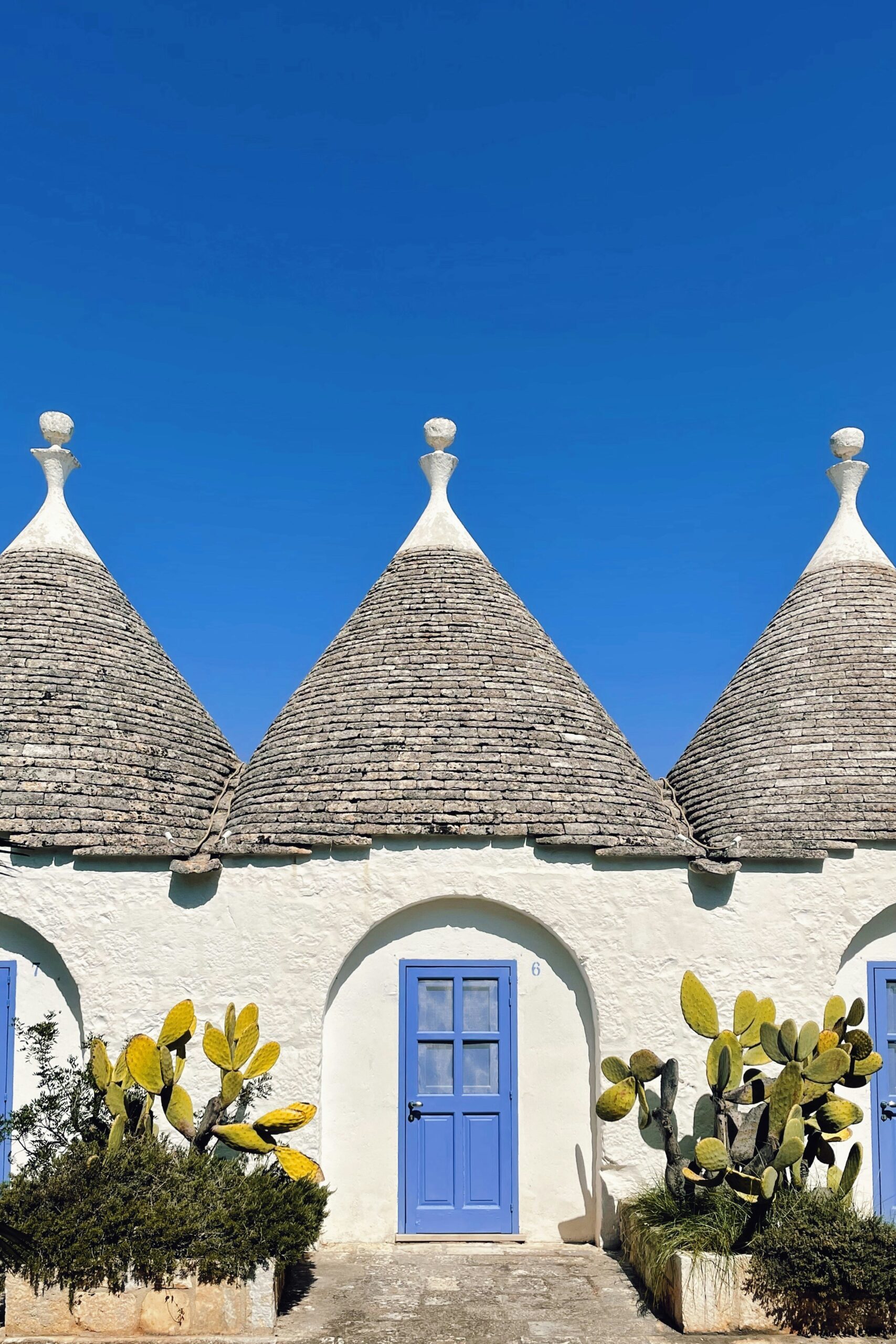
Holiday Home & Villa Booking
Discover your perfect home in Apulia with ApuliaBella. We handpick every trullo, villa, apartment, and masseria to ensure comfort, authenticity, and unforgettable charm. Whether it’s a romantic getaway, a family holiday, or a group escape, we match you with a property that fits your style, group size, and budget. Booking is simple and stress-free — we handle all details so you can focus on enjoying your holiday. With ApuliaBella, your dream Apulian stay is just a few clicks away.
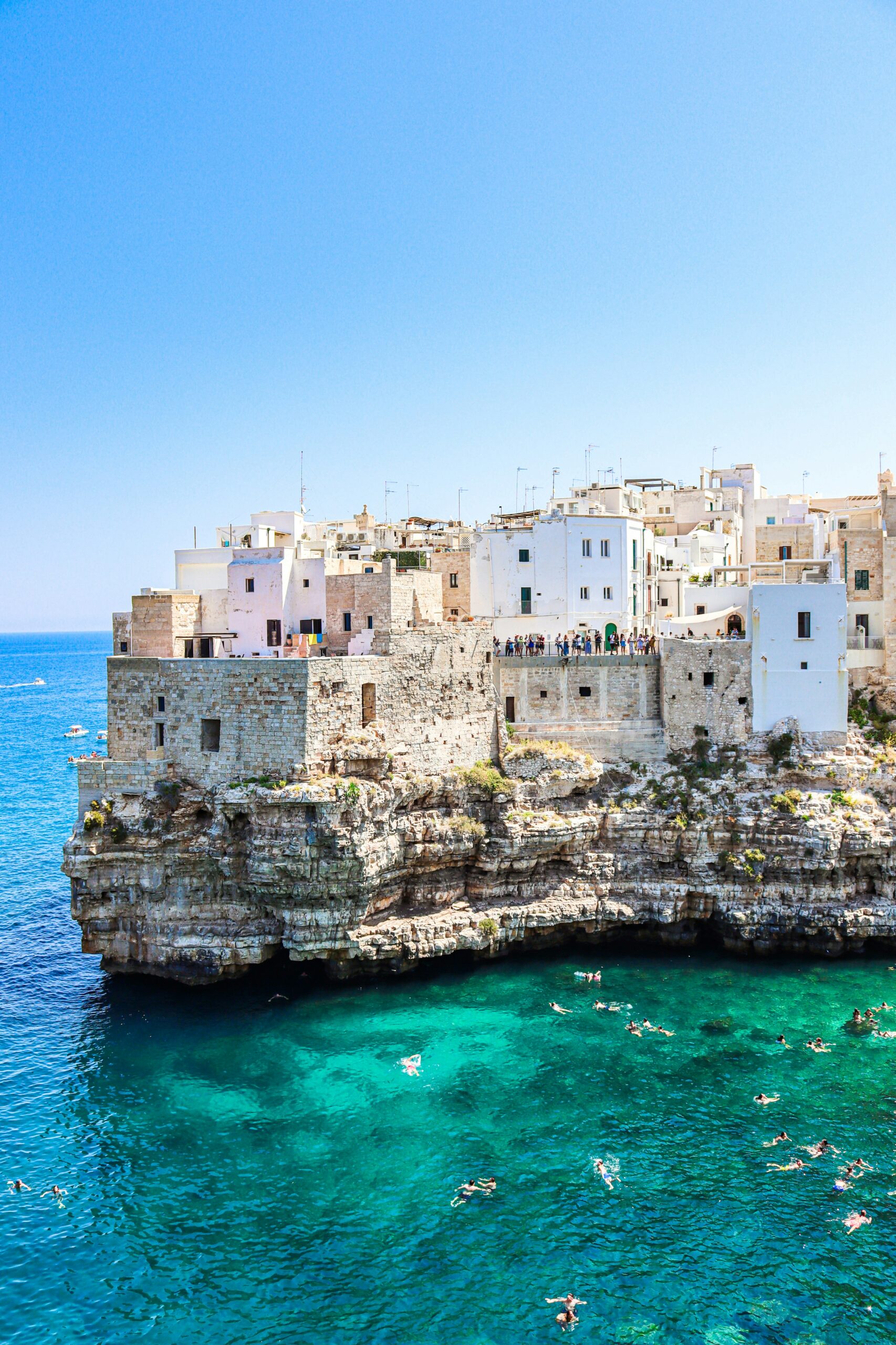
On-Site Guest Support
Enjoy your Apulia holiday without a single worry with ApuliaBella’s On-Site Guest Support. From the moment you arrive, our local team welcomes you personally, guides you through your accommodation, and ensures everything is perfectly prepared. Need tips for the best beaches, restaurants, or hidden gems? We provide insider knowledge tailored to your interests. Should any questions or small issues arise, we’re just a call away — discreet, reliable, and ready to assist. With ApuliaBella, your stay is seamless, stress-free, and completely focused on relaxation and enjoyment.
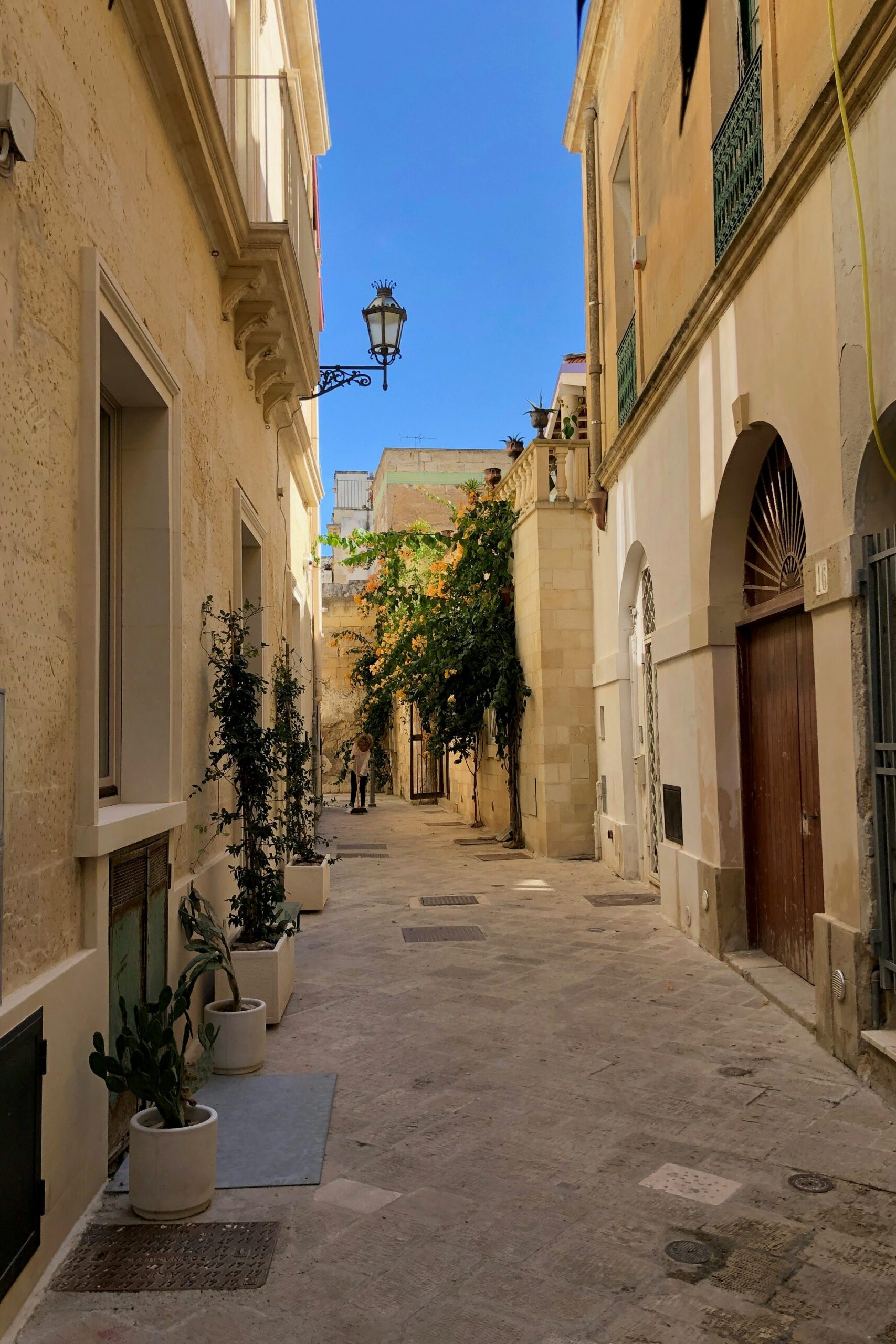
Services for Property Owners
Maximize your property’s potential with ApuliaBella. We handle everything — from professional marketing and guest communication to booking management and on-site coordination. Our team ensures your home is presented beautifully, booked efficiently, and maintained to the highest standards. With personalized strategies, we help you attract the right guests while reducing your workload. Trust ApuliaBella to manage your property professionally, giving you peace of mind and satisfied guests every time.
We are the Apulia Experts for Travelers
At ApuliaBella, we are your English-speaking experts for discovering the magic of Apulia. We handpick authentic holiday homes, trulli, villas, and masserie to ensure every stay is comfortable, unique, and unforgettable. Our team lives and breathes Apulia — from its sun-soaked beaches and historic towns to hidden villages and countryside escapes.
We guide you personally from booking to arrival, providing insider tips, local knowledge, and on-site support. Whether you are planning a romantic getaway, a family holiday, or a group adventure, ApuliaBella turns your travel dreams into reality. We are passionate about making every stay effortless, enjoyable, and authentically Apulian. With ApuliaBella, your Apulia experience begins before you even pack your bags.
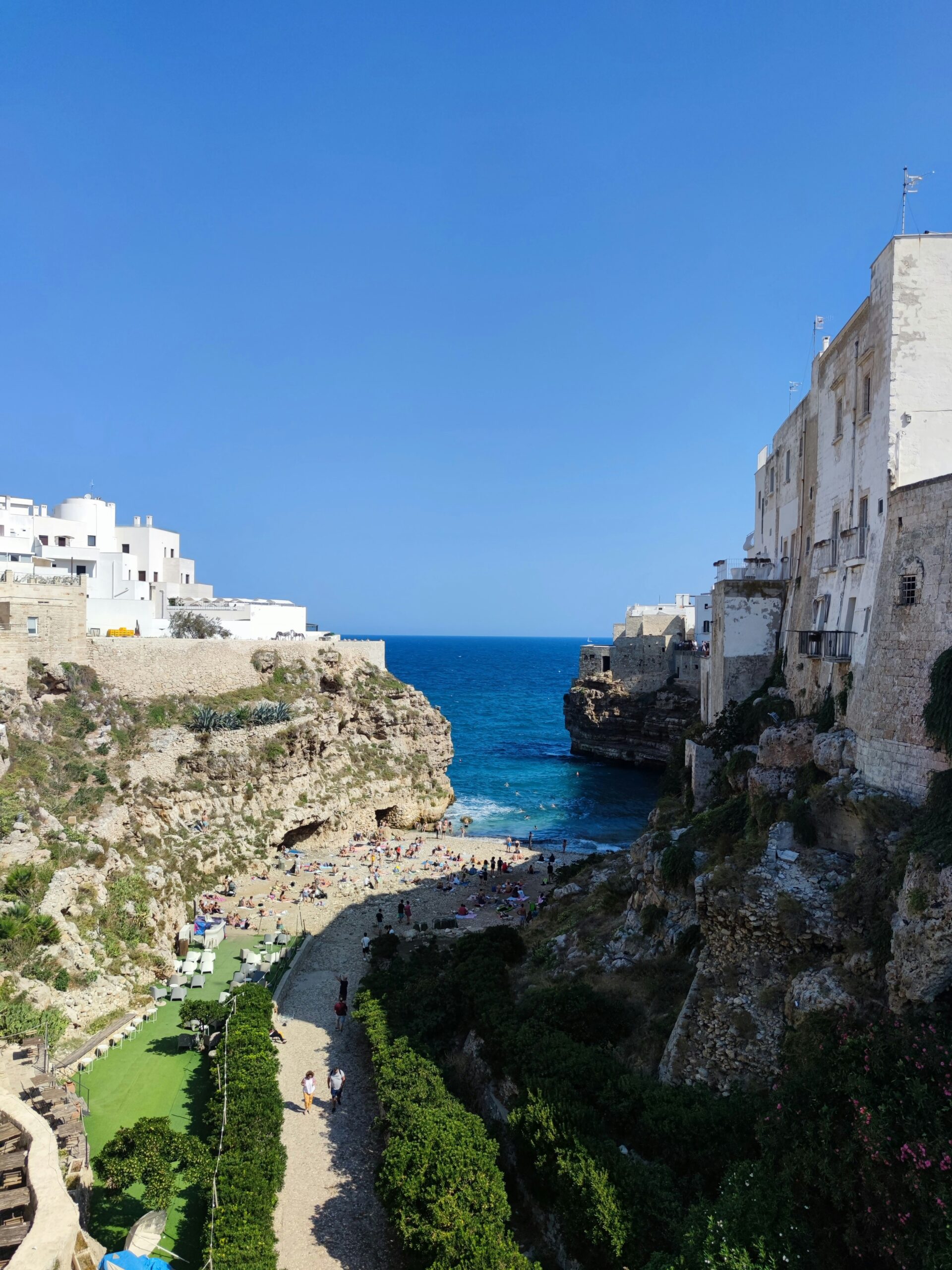
Places in Apulia:
Acquaviva delle Fonti, Accadia, Adelfia, Alberobello, Alberona, Altamura, Anzano di Puglia, Andria, Apricena, Ascoli Satriano, Avetrana, Bari, Barletta, Binetto, Biccari, Bitetto, Bitonto, Bitritto, Bisceglie, Bovino, Brindisi, Cagnano Varano, Candela, Canosa di Puglia, Carapelle, Carlantino, Carpino, Carosino, Carovigno, Casamassima, Casarano, Casalnuovo Monterotaro, Casalvecchio di Puglia, Castellana Grotte, Castellaneta, Castelluccio dei Sauri, Castelluccio Valmaggiore, Castelnuovo della Daunia, Cellamare, Celle di San Vito, Celenza Valfortore, Cellino San Marco, Ceglie Messapica, Cerignola, Chieuti, Cisternino, Corato, Copertino, Crispiano, Deliceto, Erchie, Faggiano, Fasano, Faeto, Foggia, Francavilla Fontana, Galatina, Galatone, Gallipoli, Gioia del Colle, Ginosa, Giovinazzo, Grottaglie, Gravina in Puglia, Grumo Appula, Ischitella, Isole Tremiti, Laterza, Latiano, Lecce, Leverano, Leporano, Lesina, Lizzano, Lizzanello, Locorotondo, Lucera, Maglie, Manduria, Manfredonia, Margherita di Savoia, Martina Franca, Maruggio, Massafra, Mattinata, Mesagne, Molfetta, Modugno, Monopoli, Monte Sant’Angelo, Montemesola, Monteiasi, Monteparano, Monteroni di Lecce, Monteleone di Puglia, Mottola, Motta Montecorvino, Nardò, Noci, Noicàttaro, Ordona, Oria, Orta Nova, Ostuni, Palagiano, Palagianello, Palo del Colle, Panni, Peschici, Pietramontecorvino, Poggiorsini, Polignano a Mare, Pulsano, Putignano, Rignano Garganico, Rodi Garganico, Roccaforzata, Roseto Valfortore, Ruvo di Puglia, Rutigliano, Sannicandro di Bari, Sannicandro Garganico, Sammichele di Bari, San Donaci, San Ferdinando di Puglia, San Giorgio Ionico, San Giovanni Rotondo, San Marzano di San Giuseppe, San Marco in Lamis, San Marco la Catola, San Michele Salentino, San Nicandro Garganico, San Paolo di Civitate, San Pancrazio Salentino, San Pietro Vernotico, Santeramo in Colle, Sava, Serracapriola, Spinazzola, Statte, Stornara, Stornarella, Surbo, Tarent, Taviano, Terlizzi, Trani, Tricase, Triggiano, Trinitapoli, Trepuzzi, Toritto, Torremaggiore, Torre Santa Susanna, Torricella, Torchiarolo, Turi, Ugento, Valenzano, Veglie, Vico del Gargano, Vieste, Villa Castelli, Volturara Appula, Volturino, Zapponeta