
Mesagne in Apulia
Welcome to Mesagne: The Heart-Shaped Jewel of the Messapian Plain
In the fertile plains of the Salento hinterland, positioned precisely along the ancient Appian Way, lies a city whose very footprint is a symbol of passion. At ApuliaBella, we call Mesagne “The Heart of the Salento,” not just because of its central location, but because its medieval historic center is uniquely shaped like a heart. Mesagne is a city of elegant contrasts—where the rugged, military strength of a Norman castle meets the whimsical, light-as-air flourishes of the “Barocco Pugliese.” It is a place that has reinvented itself from a strategic military outpost into a sophisticated cultural hub, recently honored as a finalist for the Italian Capital of Culture.
As your dedicated ApuliaBella travel advisor, we invite you to explore a city that feels like a discovery. Mesagne is for the traveler who wants the authenticity of the South without the coastal crowds. It is a city of hidden courtyards, narrow “purgatory” alleys, and some of the most refined archaeological treasures in the Mediterranean. Whether you are a history seeker looking to walk the Via Appia, an art lover admiring Caravaggio-esque masterpieces in ancient chapels, or a foodie craving the “blue-blooded” wines of the plain, ApuliaBella is here to guide you through the heart-shaped streets of this luminous Apulian treasure.
The Crossroads of the Two Seas: A History of Ancient Majesty
The story of Mesagne is a narrative of strategic importance. Long before the Romans arrived, Mesagne was a vital center for the Messapians, the “people between two seas.” At ApuliaBella, we find the urban resilience of Mesagne fascinating; it served as the essential stopover for travelers moving between the port of Brindisi and the city of Taranto.
When you walk the stone-paved streets with ApuliaBella, we tell the story of the Via Appia Antica—the “Queen of Roads”—which passed directly through the city’s core. In the Middle Ages, the city was fortified by the Normans and later the Teutonic Knights, creating a defensive “heart” that protected the surrounding agricultural riches. At ApuliaBella, we help you trace this journey from the Iron Age tombs buried beneath the piazzas to the 17th-century aristocratic transition that turned a fortress town into a “Baroque drawing room.”
The Castello Normanno-Svevo: The Fortress of Culture
The undisputed architectural anchor of the city is the Castello di Mesagne. Originally built by the Normans and significantly expanded by the Swabians and the Orsini del Balzo family, this castle is a masterclass in military evolution.
As your ApuliaBella travel guide, we suggest you begin your exploration here. The castle’s “Torrione” (Great Tower) offers a commanding view of the heart-shaped old town. Today, the castle houses the Museo Archeologico “Ugo Granafei,” where you can see incredible Messapian pottery and Roman artifacts found in the nearby necropolis. At ApuliaBella, we consider the castle the “Guardian of the Heart”—a structure that once held soldiers and now holds the collective memory of the Salento.
The Basilica di Vergine del Carmelo: A Baroque Vision
In the center of the heart-shaped borgo stands the Basilica di Vergine del Carmelo. While its origins are medieval, the church we see today is a triumph of the 17th-century Baroque style. Its facade is a dense tapestry of stone carvings that seem to dance in the Mediterranean sun.
We at ApuliaBella recommend stepping inside to see the “Cappella del Carmine.” The interior is a symphony of gold leaf, local limestone, and theatrical lighting. As your ApuliaBella travel guide, we find the connection between the town’s religious devotion and its artistic ambition deeply moving. At ApuliaBella, we believe the Basilica represents the “Light of Mesagne,” a place where the heavy stone of the region was transformed into something ethereal and divine.
The Messapian Walls and the Muro Tenente
To understand the ancient power of Mesagne, you must visit the Parco Archeologico di Muro Tenente, located just outside the city. This site preserves the remains of a massive Messapian fortification system and an entire residential district from the 4th century BC.
Your ApuliaBella travel guide considers this a “time machine.” Walking through the foundations of ancient houses and along the perimeter of the giant megalithic walls, you realize that Mesagne was once a metropolis of the ancient world. At ApuliaBella, we suggest visiting in the late afternoon when the red earth of the fields contrasts with the pale grey of the ancient stones. It is a place of profound silence and historical weight.
The “Purgatory” Alleys and the Portico delle Vettovaglie
One of the most charming aspects of Mesagne is its intricate network of narrow streets. The Portico delle Vettovaglie (Portico of Provisions) is a beautiful 19th-century arcade that once served as the city’s marketplace.
At ApuliaBella, we suggest a slow walk through the “Vico del Purgatorio.” These narrow passages were designed to provide shade and defense, but today they are filled with the scents of home cooking and the sight of drying laundry. As your ApuliaBella travel guide, we find the “logge”—the covered balconies that bridge the streets—to be a unique feature of Mesagne’s architecture. At ApuliaBella, we view these streets as the “Veins of the Heart,” where the daily life of the Salento pulses with unhurried grace.
Culinary Specialties: The Earthy Wealth of the Appian Way
The kitchen of Mesagne is a celebration of the “Golden Triangle” of Apulian produce: wheat, wine, and olive oil. At ApuliaBella, we believe the food here is as honest and powerful as the red soil it comes from.
Orecchiette con le Cime di Rapa: The regional classic, but in Mesagne, it is often enriched with “mollica fritta” (fried breadcrumbs) to represent the “gold” of the fields.
Carciofo Brindisino (IGP): The local artichokes are legendary for their tenderness. In Mesagne, they are often stuffed with pecorino, parsley, and breadcrumbs.
Braciola al Ragù: Tender rolls of veal or horse meat, slow-cooked for hours in a tomato sauce that is so thick it is almost a glaze.
Pasta con le Cozze e i Fagioli: A rustic dish that combines the legumes of the plain with the mussels of the nearby coast.
Negroamaro and Malvasia Nera: Mesagne sits in the heart of the “Terra d’Otranto” wine region. These reds are deep, tannic, and carry the warmth of the sun.
Cupeta: A traditional hard nougat made with local almonds and honey, a staple of the city’s many religious festivals.
Insider Tip: The “Hidden Courtyards” of the Via Castello
Here is an ApuliaBella insider tip: Many of the historic palazzos in Mesagne are “introverted.” Their beauty is hidden behind unassuming street-facing walls.
Our ApuliaBella recommendation is to keep an eye out for open “portoni” (large gates) along Via Castello and Via Albricci. Often, these gates lead to magnificent internal courtyards with “mignani” balconies and citrus trees. At ApuliaBella, we find that the residents of Mesagne are incredibly proud of these spaces; if you ask politely, many are happy to let you take a quick look. It is the best way to see the “Secret Heart” of the city—a world of private elegance away from the public eye.
Mesagne Bene Comune: A City of Festivals
In recent years, Mesagne has become a beacon of cultural regeneration. The city hosts high-level art exhibitions (including original works by Caravaggio and Picasso) and vibrant summer festivals.
At ApuliaBella, we believe that visiting during the Summer in Mesagne (July-August) is a must. The historic center becomes an open-air theater with jazz concerts, literary readings, and food markets. Your ApuliaBella travel guide suggests looking for the “Cene in Borgo,” where long tables are set up in the heart-shaped streets for communal dinners. At ApuliaBella, we see this as the perfect expression of the city’s identity: a community that opens its heart to every visitor.
Why Choose ApuliaBella for Your Mesagne Journey?
Mesagne is a city that requires “Slow Travel.” It is a place of layers, from the Messapian bedrock to the Baroque sky. It requires a guide who understands the subtle nobility of the Salento hinterland.
Archaeological Context: ApuliaBella provides the deep history of the Messapians, making the ruins of Muro Tenente speak to the modern traveler.
Artistic Insight: We help you navigate the city’s impressive calendar of exhibitions, ensuring you don’t miss the world-class art often housed in the castle.
Authentic Flavors: We know the “trattorie” where the pasta is still made by hand every morning and the wine comes from the vineyard just down the road.
Mesagne is the heart-shaped jewel of the Messapian plain—a city of ancient walls, Baroque light, and the most welcoming streets in the South. It is where the ancient Appian Way meets the modern passion of the Salento. Let ApuliaBella be your guide to the most elegant and historic secret of the Brindisi countryside.
Comprehensive Services for Guests
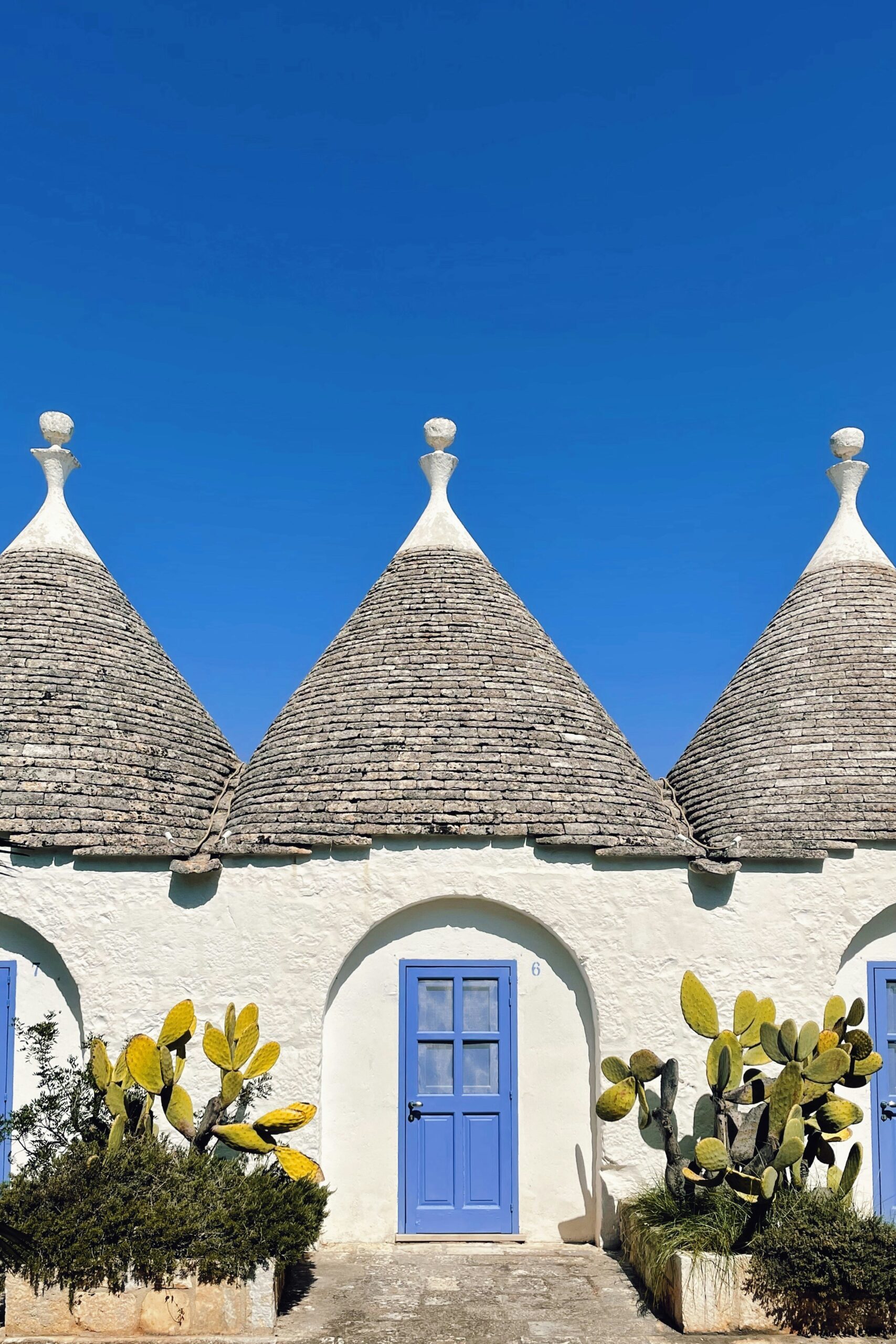
Holiday Home & Villa Booking
Discover your perfect home in Apulia with ApuliaBella. We handpick every trullo, villa, apartment, and masseria to ensure comfort, authenticity, and unforgettable charm. Whether it’s a romantic getaway, a family holiday, or a group escape, we match you with a property that fits your style, group size, and budget. Booking is simple and stress-free — we handle all details so you can focus on enjoying your holiday. With ApuliaBella, your dream Apulian stay is just a few clicks away.
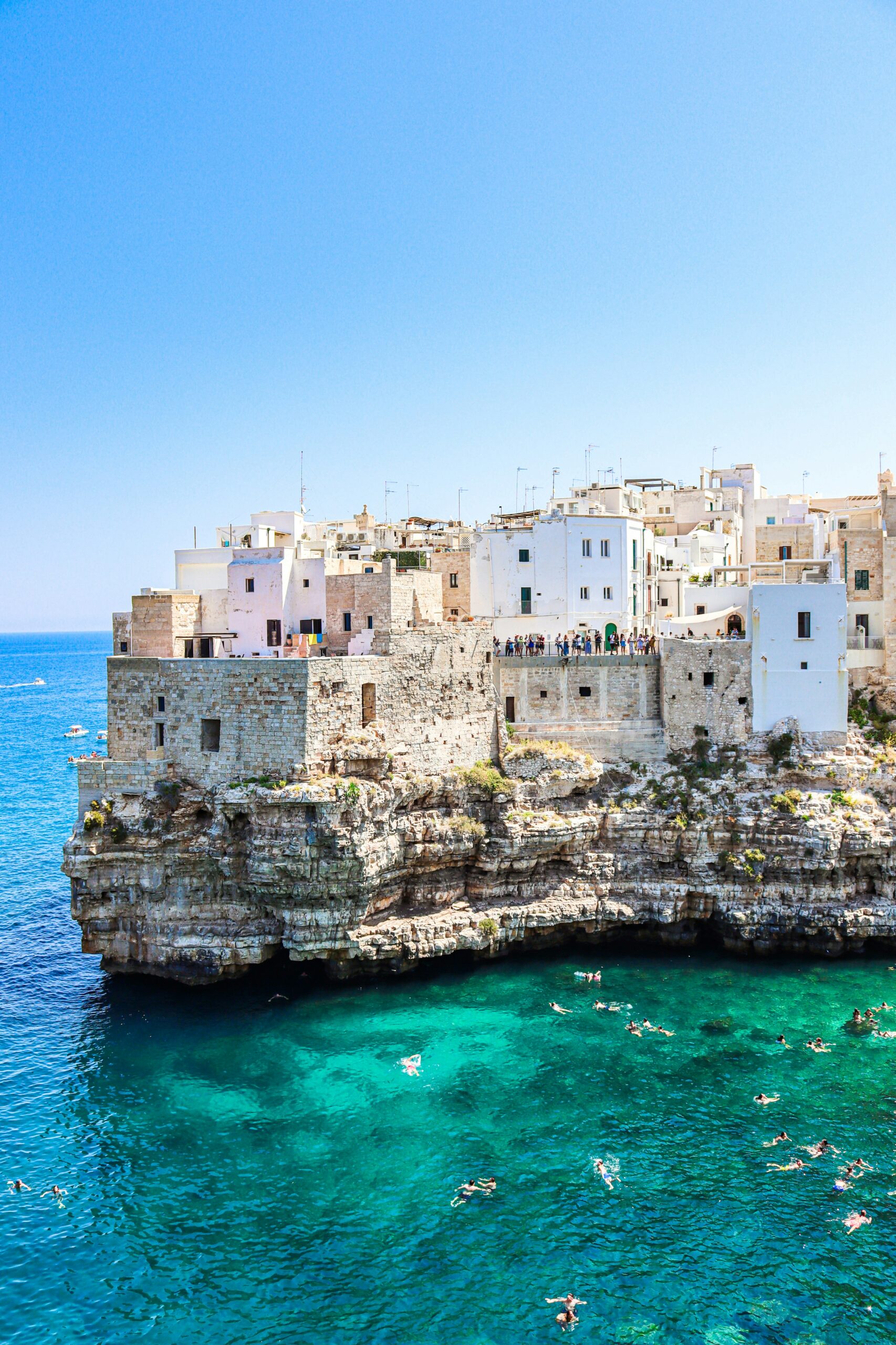
On-Site Guest Support
Enjoy your Apulia holiday without a single worry with ApuliaBella’s On-Site Guest Support. From the moment you arrive, our local team welcomes you personally, guides you through your accommodation, and ensures everything is perfectly prepared. Need tips for the best beaches, restaurants, or hidden gems? We provide insider knowledge tailored to your interests. Should any questions or small issues arise, we’re just a call away — discreet, reliable, and ready to assist. With ApuliaBella, your stay is seamless, stress-free, and completely focused on relaxation and enjoyment.
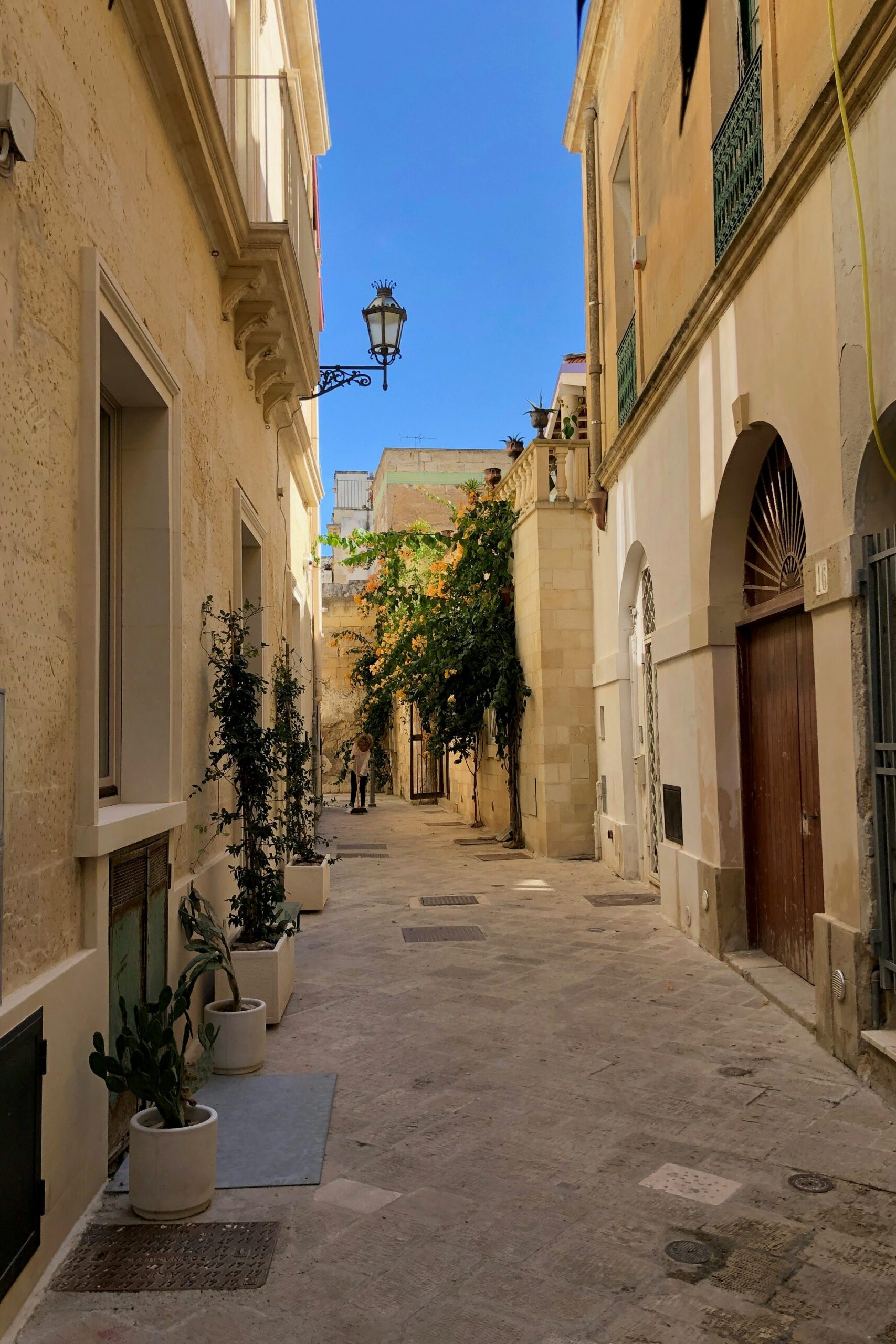
Services for Property Owners
Maximize your property’s potential with ApuliaBella. We handle everything — from professional marketing and guest communication to booking management and on-site coordination. Our team ensures your home is presented beautifully, booked efficiently, and maintained to the highest standards. With personalized strategies, we help you attract the right guests while reducing your workload. Trust ApuliaBella to manage your property professionally, giving you peace of mind and satisfied guests every time.
We are the Apulia Experts for Travelers
At ApuliaBella, we are your English-speaking experts for discovering the magic of Apulia. We handpick authentic holiday homes, trulli, villas, and masserie to ensure every stay is comfortable, unique, and unforgettable. Our team lives and breathes Apulia — from its sun-soaked beaches and historic towns to hidden villages and countryside escapes.
We guide you personally from booking to arrival, providing insider tips, local knowledge, and on-site support. Whether you are planning a romantic getaway, a family holiday, or a group adventure, ApuliaBella turns your travel dreams into reality. We are passionate about making every stay effortless, enjoyable, and authentically Apulian. With ApuliaBella, your Apulia experience begins before you even pack your bags.
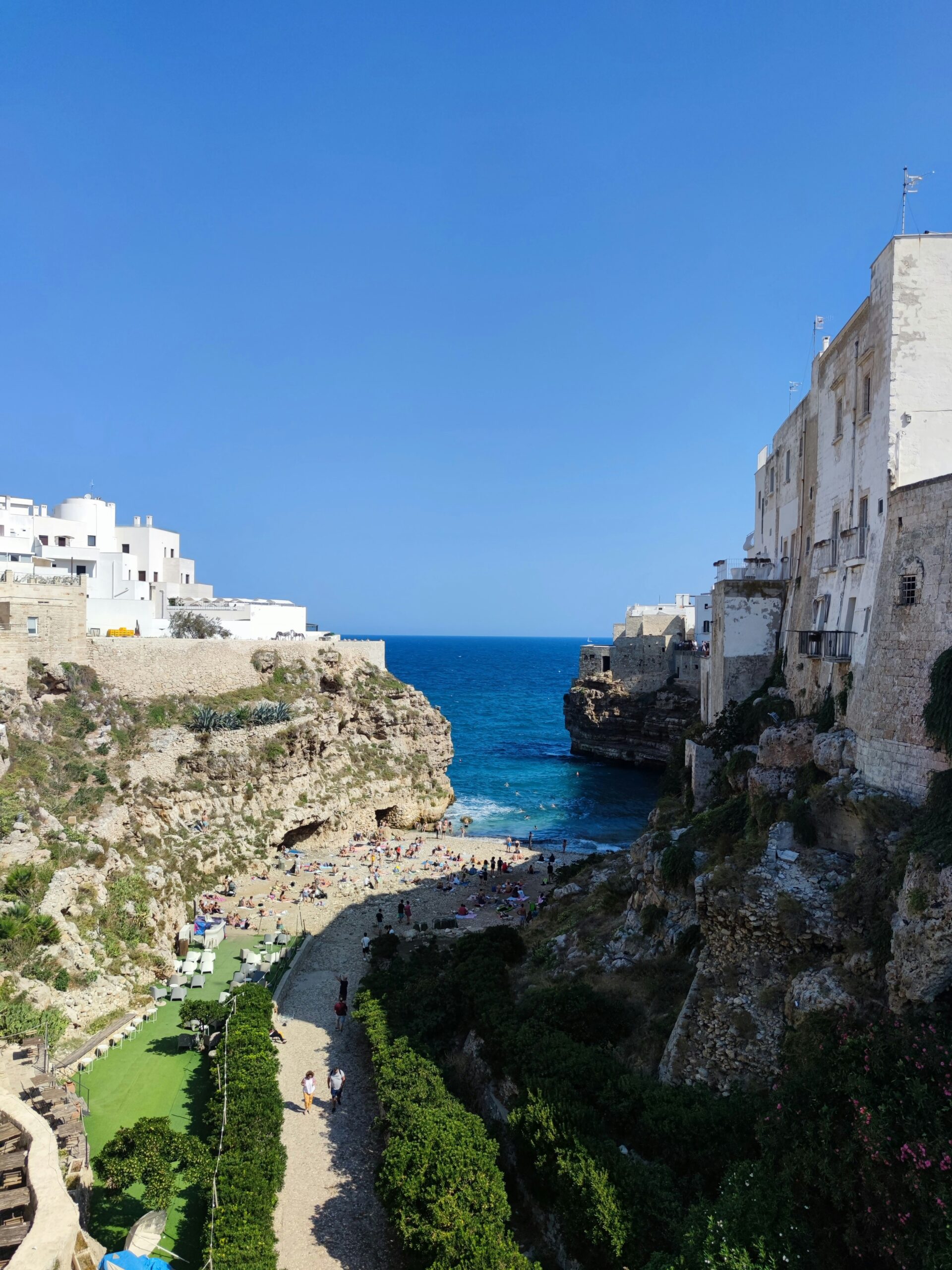
Places in Apulia:
Acquaviva delle Fonti, Accadia, Adelfia, Alberobello, Alberona, Altamura, Anzano di Puglia, Andria, Apricena, Ascoli Satriano, Avetrana, Bari, Barletta, Binetto, Biccari, Bitetto, Bitonto, Bitritto, Bisceglie, Bovino, Brindisi, Cagnano Varano, Candela, Canosa di Puglia, Carapelle, Carlantino, Carpino, Carosino, Carovigno, Casamassima, Casarano, Casalnuovo Monterotaro, Casalvecchio di Puglia, Castellana Grotte, Castellaneta, Castelluccio dei Sauri, Castelluccio Valmaggiore, Castelnuovo della Daunia, Cellamare, Celle di San Vito, Celenza Valfortore, Cellino San Marco, Ceglie Messapica, Cerignola, Chieuti, Cisternino, Corato, Copertino, Crispiano, Deliceto, Erchie, Faggiano, Fasano, Faeto, Foggia, Francavilla Fontana, Galatina, Galatone, Gallipoli, Gioia del Colle, Ginosa, Giovinazzo, Grottaglie, Gravina in Puglia, Grumo Appula, Ischitella, Isole Tremiti, Laterza, Latiano, Lecce, Leverano, Leporano, Lesina, Lizzano, Lizzanello, Locorotondo, Lucera, Maglie, Manduria, Manfredonia, Margherita di Savoia, Martina Franca, Maruggio, Massafra, Mattinata, Mesagne, Molfetta, Modugno, Monopoli, Monte Sant’Angelo, Montemesola, Monteiasi, Monteparano, Monteroni di Lecce, Monteleone di Puglia, Mottola, Motta Montecorvino, Nardò, Noci, Noicàttaro, Ordona, Oria, Orta Nova, Ostuni, Palagiano, Palagianello, Palo del Colle, Panni, Peschici, Pietramontecorvino, Poggiorsini, Polignano a Mare, Pulsano, Putignano, Rignano Garganico, Rodi Garganico, Roccaforzata, Roseto Valfortore, Ruvo di Puglia, Rutigliano, Sannicandro di Bari, Sannicandro Garganico, Sammichele di Bari, San Donaci, San Ferdinando di Puglia, San Giorgio Ionico, San Giovanni Rotondo, San Marzano di San Giuseppe, San Marco in Lamis, San Marco la Catola, San Michele Salentino, San Nicandro Garganico, San Paolo di Civitate, San Pancrazio Salentino, San Pietro Vernotico, Santeramo in Colle, Sava, Serracapriola, Spinazzola, Statte, Stornara, Stornarella, Surbo, Tarent, Taviano, Terlizzi, Trani, Tricase, Triggiano, Trinitapoli, Trepuzzi, Toritto, Torremaggiore, Torre Santa Susanna, Torricella, Torchiarolo, Turi, Ugento, Valenzano, Veglie, Vico del Gargano, Vieste, Villa Castelli, Volturara Appula, Volturino, Zapponeta