
Francavilla Fontana in Apulia
Welcome to Francavilla Fontana: The Imperial City of the Salento
At the exact midpoint between the Ionian and Adriatic seas, where the sun-drenched plains of the Upper Salento meet the first whispers of the Murge hills, lies a city of unexpected majesty. Francavilla Fontana is known throughout Italy as the “Città degli Imperiali,” a title that reflects its centuries of rule under the powerful Imperiali family, who transformed a medieval outpost into a refined capital of art, faith, and industry. At ApuliaBella, we consider Francavilla the “Baroque Jewel of the Inland,” a place where the grit of agricultural tradition is polished by the elegance of aristocratic history.
As your dedicated ApuliaBella travel advisor, we invite you to discover a city that manages to be both grand and deeply intimate. Francavilla Fontana is a place of soaring domes, fortress-like palaces, and a spiritual life so intense it is felt in the very stones of the pavement. Whether you are a history seeker tracing the footsteps of the Byzantine monks, a devotee of the atmospheric Holy Week traditions, or a gourmet hunting for the legendary “Mandorla Riccia,” ApuliaBella is here to guide you through the majestic avenues and secret courtyards of this imperial stronghold.
The Legend of the Fountain: A History of Miracles and Princes
The story of Francavilla Fontana is a narrative that begins with a miracle and ends with a dynasty. Legend has it that in 1310, Philip I of Anjou, Prince of Taranto, was hunting in the dense forests of the area when he discovered an image of the Virgin Mary painted on a wall near a fountain. Recognizing this as a divine sign, he founded a town on the spot, granting it “franchise” (tax-free status)—hence the name Franca-villa.
When you walk the historic center with ApuliaBella, we tell the story of the city’s second golden age under the Imperiali family in the 16th and 17th centuries. This Genoese dynasty brought wealth, architects, and a cosmopolitan flair that defined the city’s skyline. At ApuliaBella, we find the urban planning of Francavilla fascinating; it is a city of wide, straight vistas designed to showcase the power of the Church and the Nobility. We help you peel back the layers of time, from the Angevin foundations to the Baroque flourishes that make this one of the most culturally rich stops in the province of Brindisi.
The Castello Imperiali: The Fortress-Palace of the Salento
The undisputed heart of the city is the Castello Imperiali. This massive square structure, surrounded by a deep moat, is a hybrid of a defensive fortress and a refined residence. Its elegant loggia, featuring four graceful arches, is the iconic image of Francavilla.
As your ApuliaBella travel guide, we suggest you begin your journey in the grand courtyard. Inside, you will find the municipal library and museum, but the real attraction is the architecture itself. At ApuliaBella, we love the “theatricality” of the castle’s position; it looms over the city center, a constant reminder of the Imperiali legacy. We provide the historical narrative that brings these cold stones to life, explaining how the castle served as a center of high culture, hosting poets, philosophers, and musicians during the Renaissance.
The Basilica Minore del Santissimo Rosario: A Dome of Gold
Standing proudly near the castle is the Basilica del Santissimo Rosario, boasting the highest dome in the Salento. Built in the 18th century after a devastating earthquake, it is a masterpiece of the Baroque period, constructed using the warm, honey-colored local limestone.
We at ApuliaBella find the interior of the Basilica to be a sanctuary of light. As your ApuliaBella travel guide, we suggest paying close attention to the intricate stucco work and the 18th-century paintings by Domenico Carella. At ApuliaBella, we believe the church represents the “spiritual soul” of Francavilla. It is a place where the town’s deep religious fervor is etched into every altar, and its dome serves as a landmark that can be seen for miles across the olive-filled plains.
The “Pappamusci”: The Mystery of the Holy Week
If you visit Francavilla Fontana during the Easter season, you will witness one of the most evocative religious traditions in Europe. The Holy Week here is defined by the “Pappamusci”—hooded, barefoot penitents who walk the streets in pairs, visiting the “sepulchers” in a state of silent prayer.
Your ApuliaBella travel guide considers this a “must-experience” for the culturally curious. The rhythmic sound of the “troccola” (a wooden clapper) and the sight of the heavy wooden crosses being carried through the dark alleys create an atmosphere of haunting beauty. At ApuliaBella, we help you understand the symbolism of these rites, which have remained unchanged for centuries. It is a moment when the modern world falls away, leaving only the raw, ancient pulse of Salentine devotion.
The Clock Tower and the Gates of the City
The city center is punctuated by symbols of civic pride, none more charming than the Torre dell’Orologio (Clock Tower). Built in the 18th century, it stands as a focal point in the bustling Piazza Umberto I.
As your ApuliaBella travel guide, we recommend a walk to the various city gates, such as Porta del Carmine and Porta Croce. At ApuliaBella, we love how these gateways act as portals between the modern expansion and the ancient “borgo.” They were designed to impress visitors arriving from nearby Brindisi or Taranto, reflecting the city’s status as a regional powerhouse. ApuliaBella ensures you see the hidden details in the stone carvings of these gates, which often contain hidden messages of protection and prosperity.
Culinary Specialties: The Sugary Secrets of the Imperial City
In Francavilla Fontana, the table is a celebration of the land’s bounty. The city is famous for its artisanal confectionery and its robust agricultural products. At ApuliaBella, we know that eating here is an essential part of the cultural immersion.
Mandorla Riccia di Francavilla Fontana: This is the city’s gastronomic crown jewel. It is a “curly” sugar-coated almond, traditionally made in large copper pots. It is a Slow Food Presidium product and has a unique, crunchy texture that is addictive.
Confetti Ricci: These “curly” sweets are a staple of local weddings and celebrations, handmade according to secret 18th-century recipes.
Orecchiette with “Polpette” and Brasciole: The Sunday staple—hand-rolled pasta served with a rich tomato ragù and small meatballs or meat rolls.
Fave e Cicoria: The quintessential dish of the plains—creamy fava bean purée served with bitter wild chicory and the intense, peppery olive oil of the Brindisi countryside.
Wines of the Upper Salento: Francavilla sits in a fertile zone for Negroamaro and Primitivo. The wines here are dark, robust, and carry the scent of the Mediterranean sun.
Insider Tip: The “Evening Brusceto” and the Hidden Cloisters
Here is an ApuliaBella insider tip: While the main square is vibrant, the true magic of Francavilla is found in the hidden cloisters of its former convents.
Our ApuliaBella recommendation is to visit the Chiostro della Chiesa del Carmine. Often overlooked by tourists, these quiet courtyards offer a peaceful retreat from the Mediterranean heat. Furthermore, don’t leave without trying a “Brusceto”—a local variation of toasted bread rubbed with garlic and drenched in new oil, often served in the small wine cellars hidden in the backstreets. At ApuliaBella, we believe that the best way to understand the city is to sit with the locals as the sun sets, sharing a glass of wine and the simple flavors of the earth.
The Archaeological Site of Claudiano: Traces of the Messapians
Just outside the city limits lies the archaeological area of Claudiano, where traces of a prehistoric and Messapian past have been unearthed.
At ApuliaBella, we find these ruins to be the “roots” of the city. Your ApuliaBella travel guide can provide the historical context for these excavations, which show that Francavilla has been a crossroads of civilizations for thousands of years. From the ancient “specchie” to the Roman remains, the countryside of Francavilla is a living museum of the human journey.
Why Choose ApuliaBella for Your Francavilla Fontana Journey?
Francavilla Fontana is a city for the “Discerning Traveler”—someone who appreciates the blend of high-culture Baroque and authentic, raw traditions.
Gastronomic Access: ApuliaBella connects you with the master confectioners of the Mandorla Riccia, offering you a behind-the-scenes look at this ancient craft.
Historical Narrative: We bring the Imperiali era to life, explaining how a single family transformed the landscape of the Salento.
Spiritual Insight: We help you navigate the complex and beautiful traditions of the Holy Week, ensuring you witness these rites with respect and understanding.
Francavilla Fontana is the imperial city of the South—a place of golden domes, hooded penitents, and the sweet scent of toasted almonds. It is where the grandeur of the palace meets the humility of the fountain. Let ApuliaBella be your guide to the most majestic secret of the Salentine interior.
Comprehensive Services for Guests
Holiday Home & Villa Booking
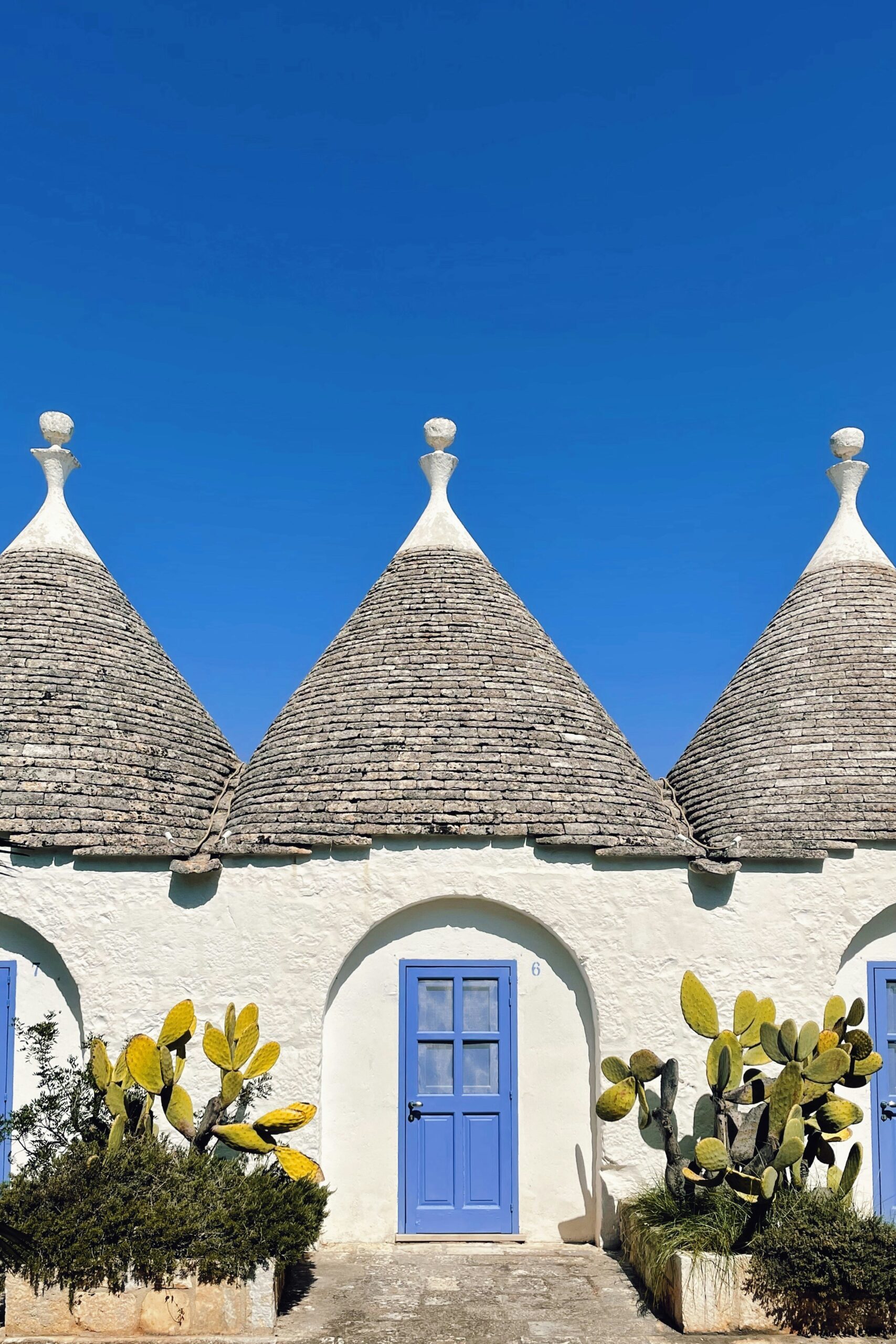
Discover your perfect home in Apulia with ApuliaBella. We handpick every trullo, villa, apartment, and masseria to ensure comfort, authenticity, and unforgettable charm. Whether it’s a romantic getaway, a family holiday, or a group escape, we match you with a property that fits your style, group size, and budget. Booking is simple and stress-free — we handle all details so you can focus on enjoying your holiday. With ApuliaBella, your dream Apulian stay is just a few clicks away.
On-Site Guest Support
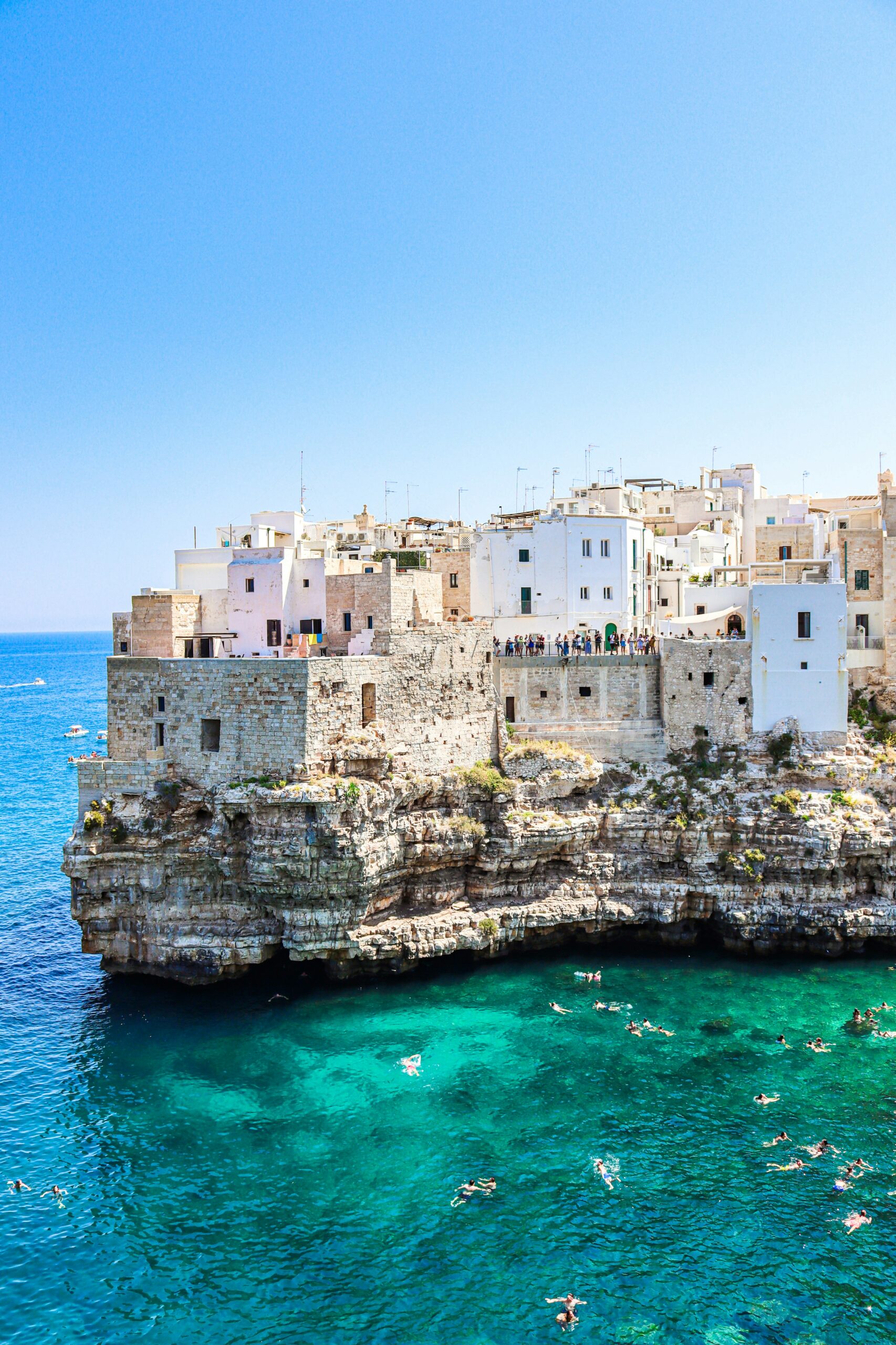
Enjoy your Apulia holiday without a single worry with ApuliaBella’s On-Site Guest Support. From the moment you arrive, our local team welcomes you personally, guides you through your accommodation, and ensures everything is perfectly prepared. Need tips for the best beaches, restaurants, or hidden gems? We provide insider knowledge tailored to your interests. Should any questions or small issues arise, we’re just a call away — discreet, reliable, and ready to assist. With ApuliaBella, your stay is seamless, stress-free, and completely focused on relaxation and enjoyment.
Services for Property Owners
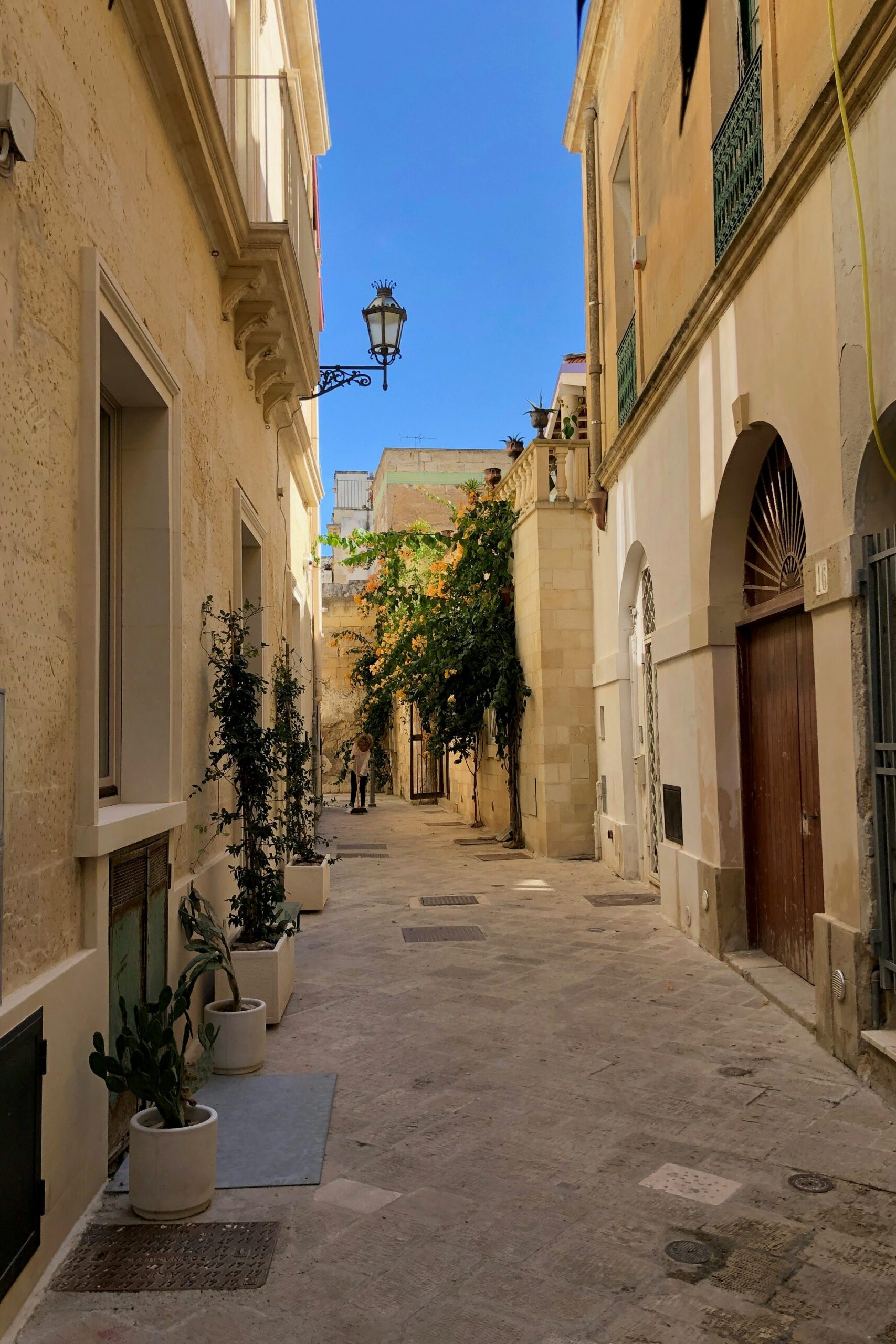
Maximize your property’s potential with ApuliaBella. We handle everything — from professional marketing and guest communication to booking management and on-site coordination. Our team ensures your home is presented beautifully, booked efficiently, and maintained to the highest standards. With personalized strategies, we help you attract the right guests while reducing your workload. Trust ApuliaBella to manage your property professionally, giving you peace of mind and satisfied guests every time.
We are the Apulia Experts for Travelers
At ApuliaBella, we are your English-speaking experts for discovering the magic of Apulia. We handpick authentic holiday homes, trulli, villas, and masserie to ensure every stay is comfortable, unique, and unforgettable. Our team lives and breathes Apulia — from its sun-soaked beaches and historic towns to hidden villages and countryside escapes.
We guide you personally from booking to arrival, providing insider tips, local knowledge, and on-site support. Whether you are planning a romantic getaway, a family holiday, or a group adventure, ApuliaBella turns your travel dreams into reality. We are passionate about making every stay effortless, enjoyable, and authentically Apulian. With ApuliaBella, your Apulia experience begins before you even pack your bags.
Places in Apulia:
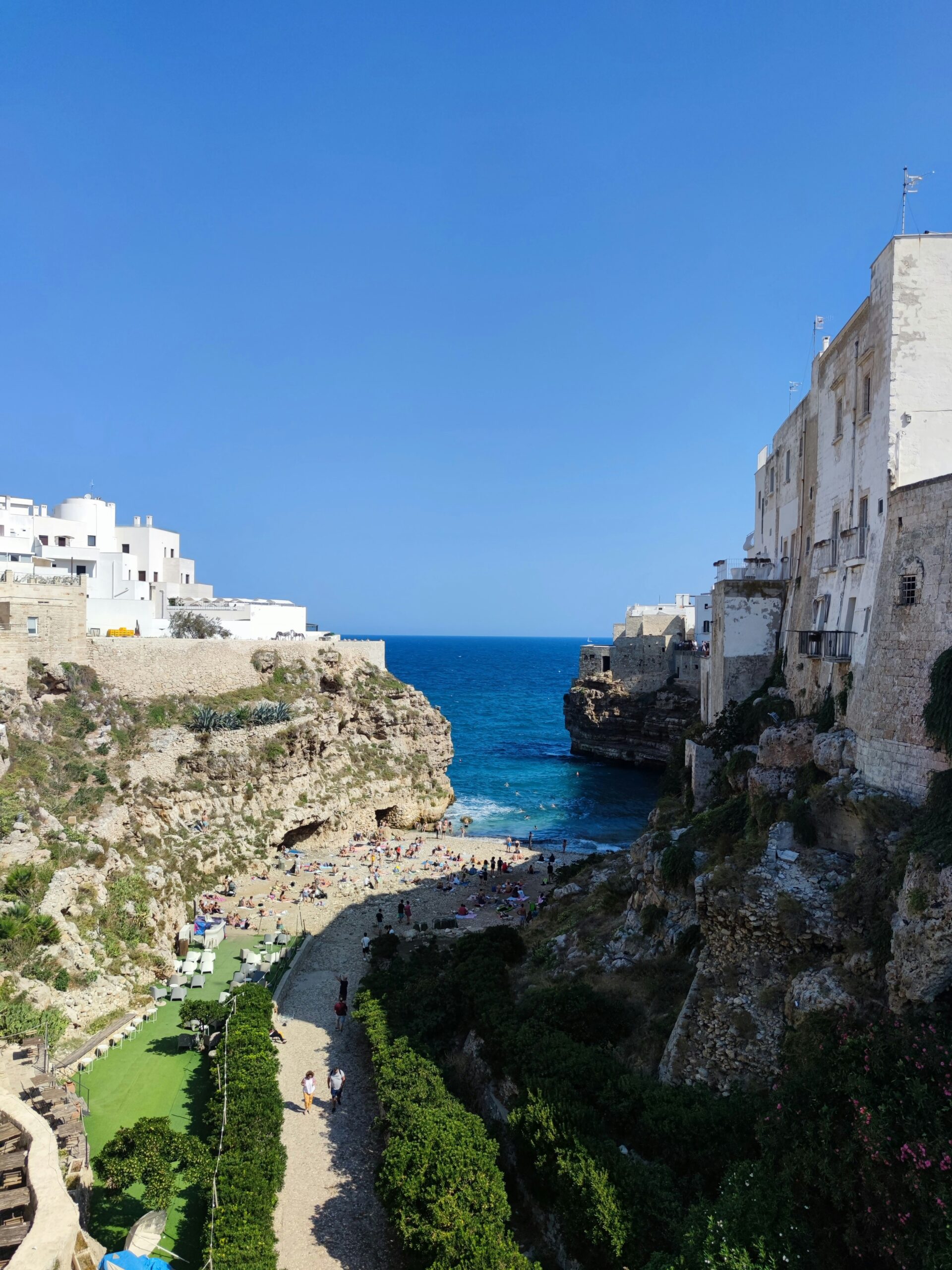
Acquaviva delle Fonti, Accadia, Adelfia, Alberobello, Alberona, Altamura, Anzano di Puglia, Andria, Apricena, Ascoli Satriano, Avetrana, Bari, Barletta, Binetto, Biccari, Bitetto, Bitonto, Bitritto, Bisceglie, Bovino, Brindisi, Cagnano Varano, Candela, Canosa di Puglia, Carapelle, Carlantino, Carpino, Carosino, Carovigno, Casamassima, Casarano, Casalnuovo Monterotaro, Casalvecchio di Puglia, Castellana Grotte, Castellaneta, Castelluccio dei Sauri, Castelluccio Valmaggiore, Castelnuovo della Daunia, Cellamare, Celle di San Vito, Celenza Valfortore, Cellino San Marco, Ceglie Messapica, Cerignola, Chieuti, Cisternino, Corato, Copertino, Crispiano, Deliceto, Erchie, Faggiano, Fasano, Faeto, Foggia, Francavilla Fontana, Galatina, Galatone, Gallipoli, Gioia del Colle, Ginosa, Giovinazzo, Grottaglie, Gravina in Puglia, Grumo Appula, Ischitella, Isole Tremiti, Laterza, Latiano, Lecce, Leverano, Leporano, Lesina, Lizzano, Lizzanello, Locorotondo, Lucera, Maglie, Manduria, Manfredonia, Margherita di Savoia, Martina Franca, Maruggio, Massafra, Mattinata, Mesagne, Molfetta, Modugno, Monopoli, Monte Sant’Angelo, Montemesola, Monteiasi, Monteparano, Monteroni di Lecce, Monteleone di Puglia, Mottola, Motta Montecorvino, Nardò, Noci, Noicàttaro, Ordona, Oria, Orta Nova, Ostuni, Palagiano, Palagianello, Palo del Colle, Panni, Peschici, Pietramontecorvino, Poggiorsini, Polignano a Mare, Pulsano, Putignano, Rignano Garganico, Rodi Garganico, Roccaforzata, Roseto Valfortore, Ruvo di Puglia, Rutigliano, Sannicandro di Bari, Sannicandro Garganico, Sammichele di Bari, San Donaci, San Ferdinando di Puglia, San Giorgio Ionico, San Giovanni Rotondo, San Marzano di San Giuseppe, San Marco in Lamis, San Marco la Catola, San Michele Salentino, San Nicandro Garganico, San Paolo di Civitate, San Pancrazio Salentino, San Pietro Vernotico, Santeramo in Colle, Sava, Serracapriola, Spinazzola, Statte, Stornara, Stornarella, Surbo, Tarent, Taviano, Terlizzi, Trani, Tricase, Triggiano, Trinitapoli, Trepuzzi, Toritto, Torremaggiore, Torre Santa Susanna, Torricella, Torchiarolo, Turi, Ugento, Valenzano, Veglie, Vico del Gargano, Vieste, Villa Castelli, Volturara Appula, Volturino, Zapponeta