
Celle di San Vito in Apulia
Welcome to Celle di San Vito: The Franco-Provençal Balcony of the Apulian Alps
High above the clouds, where the Daunian Mountains kiss the sky and the air carries the scent of ancient beech forests, lies a village that feels as though it were plucked from the heart of the French Alps and set down gently in the Italian South. You have arrived in Celle di San Vito. At ApuliaBella, we call this the “Smallest Jewel in the Crown.” With a population that rarely exceeds 150 residents, this is the smallest municipality in Apulia, yet it possesses a cultural voice that echoes across the Mediterranean.
As your dedicated ApuliaBella travel advisor, we invite you to step into a linguistic time capsule. Celle di San Vito is one of only two towns in Italy (alongside its neighbor, Faeto) where the ancient Franco-Provençal language is still spoken—a legacy of the 13th-century soldiers of Charles I of Anjou. It is a place of narrow, vertical streets, stone-clad houses, and a panoramic view that stretches across the Tavoliere plain to the shimmering Adriatic. Whether you are a linguist seeking a living history or a traveler yearning for the absolute peace of the high mountains, ApuliaBella is here to guide you through the enchanted mist and melodic heritage of Celle di San Vito.
The Knight’s Legacy: A History of Honor and Language
The story of Celle di San Vito is an epic tale of war, refuge, and survival. In the year 1269, Charles I of Anjou, the French King of Naples, led an army to liberate the nearby fortress of Lucera. To maintain control over the vital mountain passes, he stationed a garrison of French soldiers from the Provence and Franco-Provençal regions on these heights.
When you walk the historic streets with ApuliaBella, we tell the story of these knights who decided to stay. They built small “celle” (monastic-style cells or dwellings) around an ancient chapel dedicated to Saint Vitus. For over 700 years, isolated by the rugged terrain, they preserved their native tongue. At ApuliaBella, we find the linguistic resilience of this village extraordinary. Here, you will hear “Bonjour” and “Merci” whispered in a dialect that has survived longer than empires. We help you trace this history from the medieval Angevin arrival to the town’s modern status as a protected cultural enclave.
The Church of Santa Caterina: A Stone Sanctuary
The spiritual heart of the village is the Mother Church of Santa Caterina. Built from the grey limestone of the Daunian mountains, its simple, sturdy facade is a testament to the rugged faith of high-altitude living.
As your ApuliaBella travel guide, we suggest you step inside to see the artistic tributes to Saint Vitus and Saint Catherine. The interior is intimate and quiet, reflecting the contemplative nature of the community. At ApuliaBella, we believe the church is the best place to feel the “scale” of Celle di San Vito. It is the center of a world where everyone knows their neighbor’s name, and the bells mark a time that has little to do with the frantic world below.
The Belvedere: A Window to the Infinite
Because of its elevation, Celle di San Vito offers one of the most staggering viewpoints in Southern Italy. The town’s Belvedere acts as a natural balcony overlooking the Celone Valley and the vast plains of Foggia.
We at ApuliaBella consider this the town’s greatest attraction. On a clear day, you can see the white peaks of the Gargano promontory. As your ApuliaBella travel guide, we recommend visiting at dawn. Watching the sun rise over the Apulian plains while the “Franco-Provençal Alps” are still bathed in moonlight is a sight that defines the word “sublime.” At ApuliaBella, we believe this view is the reason the Angevin soldiers never left—they realized they had found the most beautiful watchtower in the kingdom.
The Museum of Franco-Provençal Civilization
To truly understand the “French heart” of this Apulian village, a visit to the local ethnographic museum is a necessity. It houses tools, traditional costumes, and linguistic archives that document the unique identity of the “Cellesi.”
Your ApuliaBella travel guide will lead you through the exhibits that explain the Gjitonia—the communal living spaces—and the specific agricultural techniques used to survive the harsh mountain winters. At ApuliaBella, we find the linguistic section particularly fascinating, where you can listen to recordings of the local dialect, which sounds like a haunting melody played on a wooden flute. It is a museum of the spirit, showing how a small group of people can keep a culture alive through sheer force of will.
The Ancient Trail of the Via Traiana
Celle di San Vito sits near the path of the ancient Via Traiana, the Roman road that connected Rome to Brindisi. This was the “Highway of Antiquity,” and for centuries, pilgrims, merchants, and crusaders passed through these mountains.
We at ApuliaBella encourage you to walk a portion of the trekking paths that follow this historic route. The trails are lined with wild orchids, ancient oaks, and the ruins of Roman waystations. As your ApuliaBella travel guide, we can provide you with maps for the “Sentiero dei Due Borghi” (the path of the two villages), which connects Celle to neighboring Faeto. At ApuliaBella, we believe that walking these trails is the best way to breathe the “purity” of the Daunia and understand the strategic importance of this mountain ridge.
Culinary Specialties: The Flavors of the Franco-Provençal Highlands
The cuisine in Celle di San Vito is a robust, mountain-driven diet. It is a kitchen of the woods and the hearth, influenced by both its French roots and its Apulian location. At ApuliaBella, we believe that the food here is designed to warm the soul.
Sfrit: A traditional dish made with pieces of pork, sweet peppers, and potatoes, all sautéed together in a heavy iron skillet—the ultimate fuel for a mountain winter.
Handmade Fettuccine with Porcini: In the autumn, the forests around the village provide a bounty of porcini mushrooms that are second to none in the region.
Prosciutto di Faeto/Celle: The air-cured ham from these heights is legendary, benefitting from the dry, cool mountain breezes.
Fave e Foglie: A thick purée of broad beans served with wild mountain greens and a drenching of intense, peppery Daunian olive oil.
Ciammaruche: Wild snails prepared with tomatoes, garlic, and wild herbs—a delicacy that reflects the foraging traditions of the Franco-Provençal people.
Nero di Troia: A powerful red wine from the foothills that provides the necessary tannins to accompany the village’s rich meat dishes.
As your ApuliaBella travel guide, we can lead you to the small family “osterie” where the menu is dictated by what the shepherd or the forager brought in that morning.
Insider Tip: The “Mist of the Knights” and the Secret Fountain
Here is an ApuliaBella insider tip: Celle di San Vito is often visited by a thick, white mist that rolls in from the valley. While some might see this as bad weather, the locals call it the “Mantello dei Cavalieri” (The Knights’ Mantle).
Our ApuliaBella recommendation is to visit the ancient Fontana del Piscero during this time. The sound of the mountain water hitting the stone while the village is shrouded in white creates an atmosphere that is absolutely medieval. It is the quietest spot in Apulia. At ApuliaBella, we find this to be the perfect moment for reflection. It is as if the modern world has been completely erased, leaving you alone with the stones and the history of the Angevins.
The Feast of Saint Vitus: A Midsummer Celebration
On June 15th, the village erupts in celebration for its patron saint, San Vito. This is the best time to see the traditional costumes and hear the Franco-Provençal dialect spoken in the town’s songs and prayers.
At ApuliaBella, we recommend joining the communal lunch in the piazza. Your ApuliaBella travel guide will help you navigate the local customs, ensuring you taste the traditional sweets made with honey and almonds. At ApuliaBella, we believe that the hospitality of the smallest town in Apulia is the largest in its generosity. To be a guest in Celle during the feast is to be treated like a returning knight.
Why Choose ApuliaBella for Your Visit to Celle di San Vito?
Celle di San Vito is a destination for the “Lyrical Traveler”—someone who values silence, culture, and the majesty of the mountains.
Linguistic Curation: ApuliaBella provides the deep historical context of the Franco-Provençal diaspora, making your visit a profound educational experience.
Absolute Privacy: We select the best mountain lodges and stone guest houses for those looking to truly “disappear” from the modern world.
Hiking and Nature: We provide expert-level trail information for the Subappennino Dauno, ensuring you see the wild heart of the region safely.
Celle di San Vito is the balcony of the winds—a town of knights, ancient dialects, and soaring vistas. It is where the spirit of France found a home in the stone of Apulia. Let ApuliaBella take you to the highest, quietest secret of the South.
Comprehensive Services for Guests
Holiday Home & Villa Booking
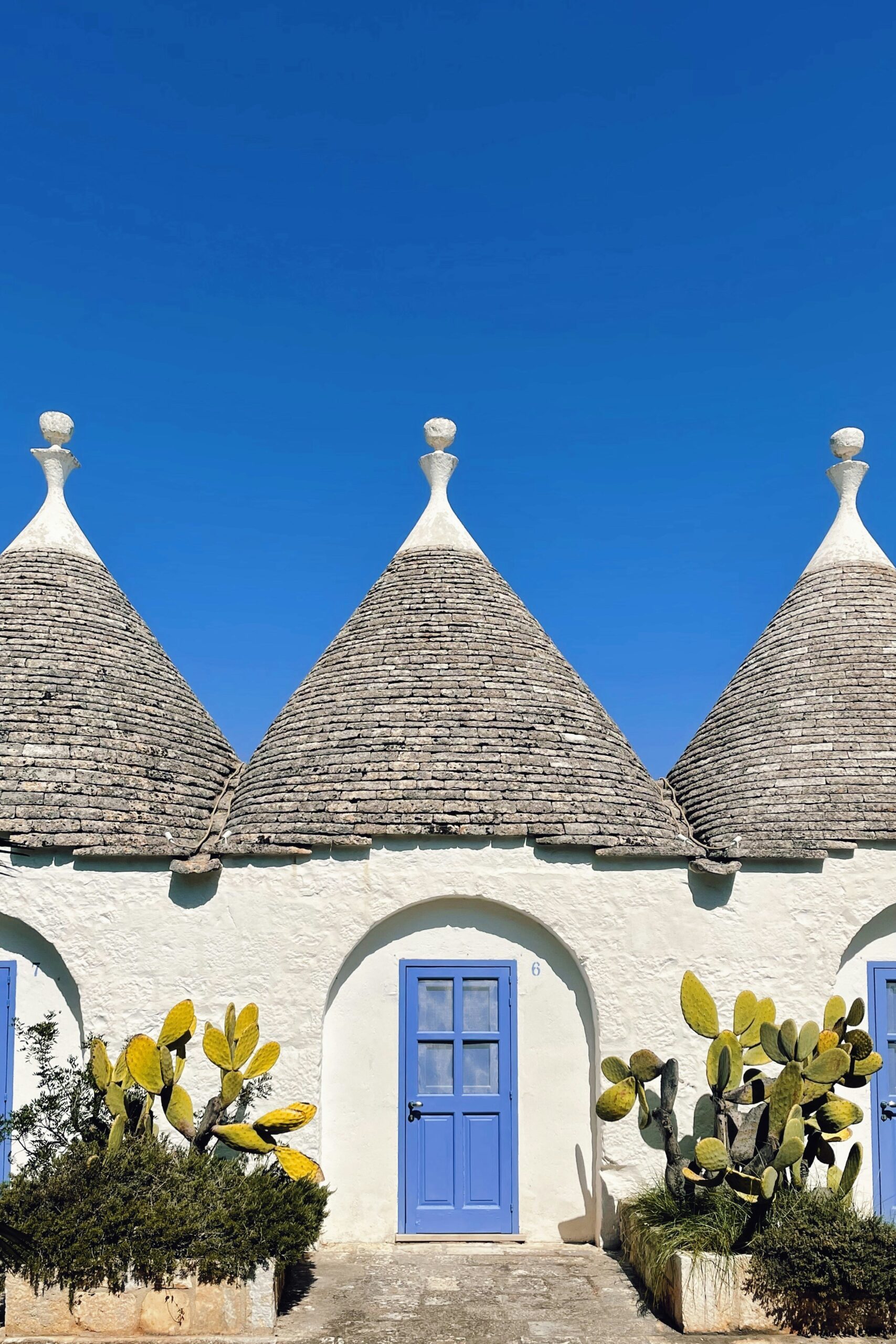
Discover your perfect home in Apulia with ApuliaBella. We handpick every trullo, villa, apartment, and masseria to ensure comfort, authenticity, and unforgettable charm. Whether it’s a romantic getaway, a family holiday, or a group escape, we match you with a property that fits your style, group size, and budget. Booking is simple and stress-free — we handle all details so you can focus on enjoying your holiday. With ApuliaBella, your dream Apulian stay is just a few clicks away.
On-Site Guest Support
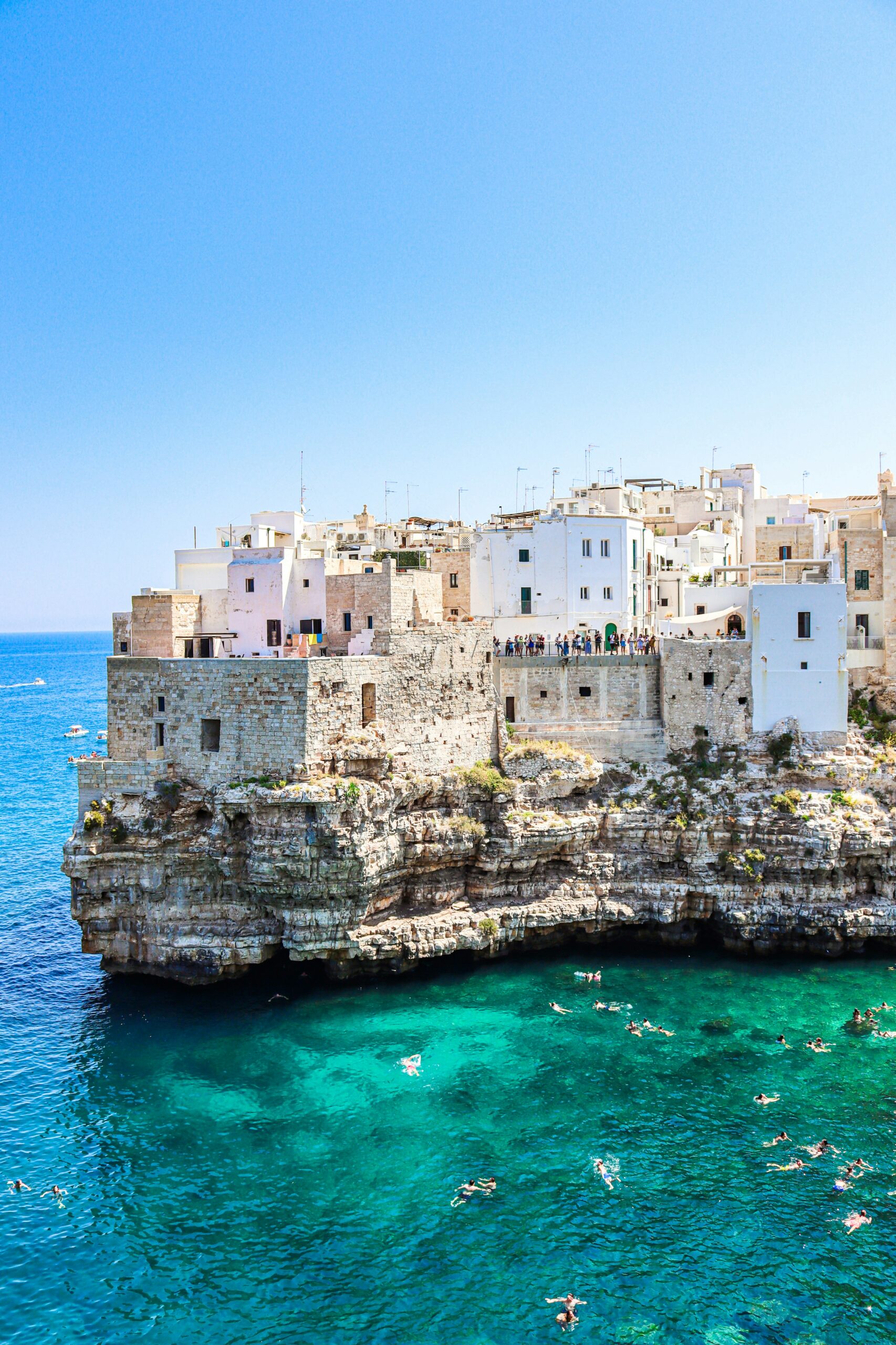
Enjoy your Apulia holiday without a single worry with ApuliaBella’s On-Site Guest Support. From the moment you arrive, our local team welcomes you personally, guides you through your accommodation, and ensures everything is perfectly prepared. Need tips for the best beaches, restaurants, or hidden gems? We provide insider knowledge tailored to your interests. Should any questions or small issues arise, we’re just a call away — discreet, reliable, and ready to assist. With ApuliaBella, your stay is seamless, stress-free, and completely focused on relaxation and enjoyment.
Services for Property Owners
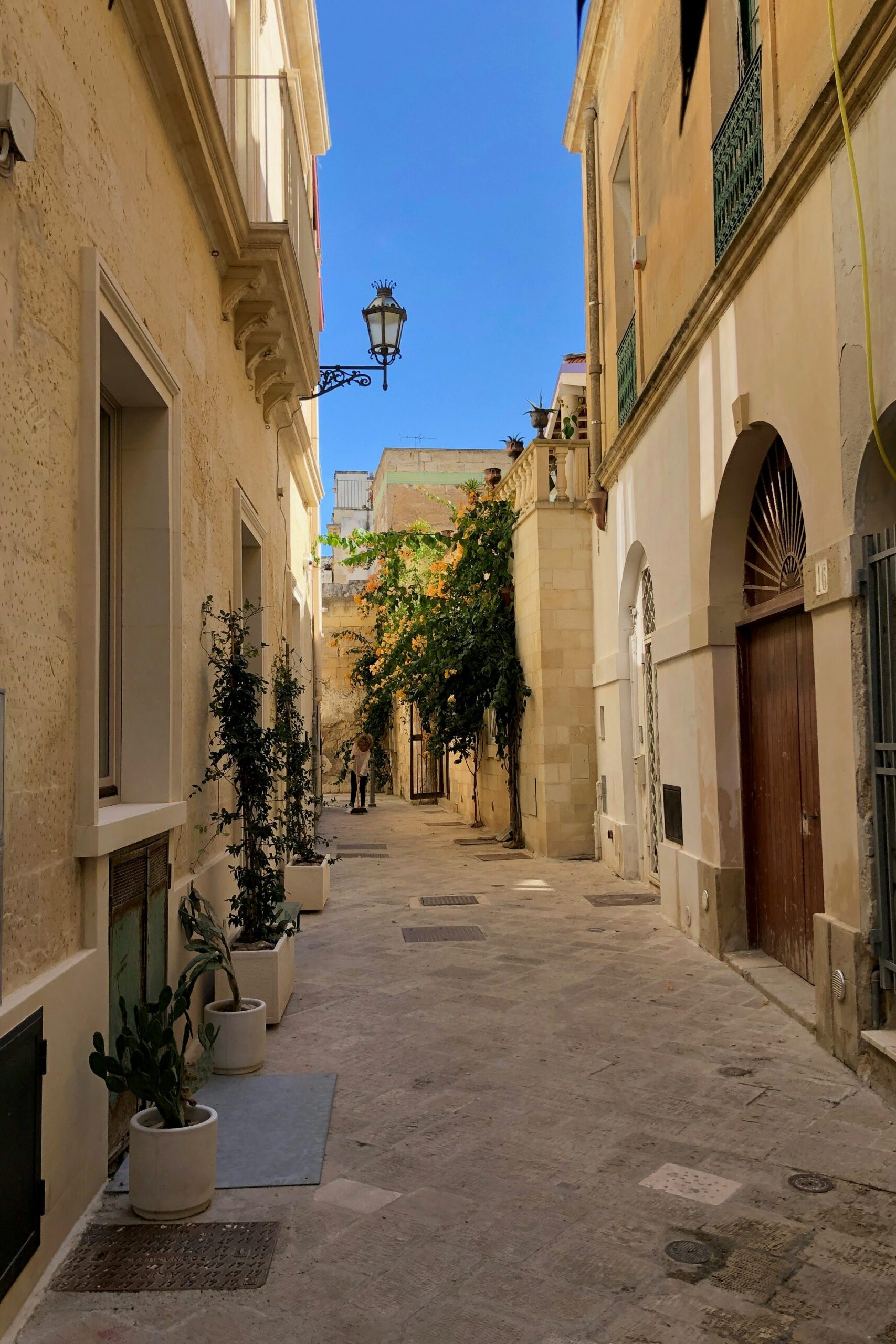
Maximize your property’s potential with ApuliaBella. We handle everything — from professional marketing and guest communication to booking management and on-site coordination. Our team ensures your home is presented beautifully, booked efficiently, and maintained to the highest standards. With personalized strategies, we help you attract the right guests while reducing your workload. Trust ApuliaBella to manage your property professionally, giving you peace of mind and satisfied guests every time.
We are the Apulia Experts for Travelers
At ApuliaBella, we are your English-speaking experts for discovering the magic of Apulia. We handpick authentic holiday homes, trulli, villas, and masserie to ensure every stay is comfortable, unique, and unforgettable. Our team lives and breathes Apulia — from its sun-soaked beaches and historic towns to hidden villages and countryside escapes.
We guide you personally from booking to arrival, providing insider tips, local knowledge, and on-site support. Whether you are planning a romantic getaway, a family holiday, or a group adventure, ApuliaBella turns your travel dreams into reality. We are passionate about making every stay effortless, enjoyable, and authentically Apulian. With ApuliaBella, your Apulia experience begins before you even pack your bags.
Places in Apulia:
Acquaviva delle Fonti, Accadia, Adelfia, Alberobello, Alberona, Altamura, Anzano di Puglia, Andria, Apricena, Ascoli Satriano, Avetrana, Bari, Barletta, Binetto, Biccari, Bitetto, Bitonto, Bitritto, Bisceglie, Bovino, Brindisi, Cagnano Varano, Candela, Canosa di Puglia, Carapelle, Carlantino, Carpino, Carosino, Carovigno, Casamassima, Casarano, Casalnuovo Monterotaro, Casalvecchio di Puglia, Castellana Grotte, Castellaneta, Castelluccio dei Sauri, Castelluccio Valmaggiore, Castelnuovo della Daunia, Cellamare, Celle di San Vito, Celenza Valfortore, Cellino San Marco, Ceglie Messapica, Cerignola, Chieuti, Cisternino, Corato, Copertino, Crispiano, Deliceto, Erchie, Faggiano, Fasano, Faeto, Foggia, Francavilla Fontana, Galatina, Galatone, Gallipoli, Gioia del Colle, Ginosa, Giovinazzo, Grottaglie, Gravina in Puglia, Grumo Appula, Ischitella, Isole Tremiti, Laterza, Latiano, Lecce, Leverano, Leporano, Lesina, Lizzano, Lizzanello, Locorotondo, Lucera, Maglie, Manduria, Manfredonia, Margherita di Savoia, Martina Franca, Maruggio, Massafra, Mattinata, Mesagne, Molfetta, Modugno, Monopoli, Monte Sant’Angelo, Montemesola, Monteiasi, Monteparano, Monteroni di Lecce, Monteleone di Puglia, Mottola, Motta Montecorvino, Nardò, Noci, Noicàttaro, Ordona, Oria, Orta Nova, Ostuni, Palagiano, Palagianello, Palo del Colle, Panni, Peschici, Pietramontecorvino, Poggiorsini, Polignano a Mare, Pulsano, Putignano, Rignano Garganico, Rodi Garganico, Roccaforzata, Roseto Valfortore, Ruvo di Puglia, Rutigliano, Sannicandro di Bari, Sannicandro Garganico, Sammichele di Bari, San Donaci, San Ferdinando di Puglia, San Giorgio Ionico, San Giovanni Rotondo, San Marzano di San Giuseppe, San Marco in Lamis, San Marco la Catola, San Michele Salentino, San Nicandro Garganico, San Paolo di Civitate, San Pancrazio Salentino, San Pietro Vernotico, Santeramo in Colle, Sava, Serracapriola, Spinazzola, Statte, Stornara, Stornarella, Surbo, Tarent, Taviano, Terlizzi, Trani, Tricase, Triggiano, Trinitapoli, Trepuzzi, Toritto, Torremaggiore, Torre Santa Susanna, Torricella, Torchiarolo, Turi, Ugento, Valenzano, Veglie, Vico del Gargano, Vieste, Villa Castelli, Volturara Appula, Volturino, Zapponeta