
Molfetta in Apulia
Welcome to Molfetta: The White Giant of the Adriatic
If the Adriatic coast were a crown, Molfetta would be its most brilliant, sun-bleached diamond. At ApuliaBella, we describe Molfetta as “The City of Two Souls.” One soul is rooted in the deep, brine-soaked traditions of one of the Mediterranean’s most important fishing fleets; the other is found in the silent, ethereal beauty of its “Duomo Vecchio,” whose white towers have served as a beacon for sailors for nearly a millennium. Molfetta is a city of stone and sea, where the white limestone of the historic center (the Isola di Sant’Andrea) reflects the intense Apulian light with such ferocity that it seems to glow from within.
As your dedicated ApuliaBella travel advisor, we invite you to a destination that manages to be both a bustling commercial powerhouse and a sanctuary of medieval peace. Molfetta is for the traveler who loves the rhythm of a working port, the complexity of Romanesque architecture, and the eerie, prehistoric mystery of the “Pulo.” Whether you are here to witness the dramatic processions of Holy Week, explore the sunken Neolithic sinkholes, or simply eat the finest red prawns in Italy, ApuliaBella is here to guide you through the salt-crusted alleys and majestic cathedrals of this northern Apulian titan.
The Island of Saint Andrew: A History of Tides and Towers
The story of Molfetta begins on a small peninsula, once an island, known as the Isola di Sant’Andrea. At ApuliaBella, we find the urban evolution of Molfetta fascinating; it is one of the few cities in the region that follows a “fishbone” street plan, designed by medieval architects to break the force of the sea winds while providing strategic defensive lines.
When you walk the historic center with ApuliaBella, we tell the story of a city that was a vital stop for pilgrims and crusaders heading to the Holy Land. For centuries, Molfetta was a sovereign maritime center, flourishing under the Normans, Swabians, and Angevins. Its sailors were legendary, navigating as far as the New World (it is no coincidence that a “Little Molfetta” exists in Hoboken, New Jersey). At ApuliaBella, we help you trace this journey from the prehistoric settlers of the “Pulo” to the merchant princes who built the Baroque palazzos that now line the “Corso.”
The Duomo Vecchio: A Romanesque Masterpiece of the Sea
The undisputed icon of the city is the Duomo di San Corrado (Duomo Vecchio). Built between the 12th and 13th centuries, it is a rare and stunning example of Apulian Romanesque architecture influenced by Byzantine and Eastern styles.
As your ApuliaBella travel guide, we suggest you stand at the edge of the pier to see the Duomo in its full glory. Its three aligned domes and two soaring towers create a silhouette that is unique in all of Italy. Inside, the limestone is cool and austere, focusing the mind on the geometric perfection of the arches. At ApuliaBella, we consider the Duomo Vecchio the “Lighthouse of Faith”—a structure that for 800 years has greeted every fishing boat returning to the harbor.
The Pulo di Molfetta: The Prehistoric Abyss
Just a few kilometers from the sea lies one of the most significant natural and archaeological sites in the Mediterranean: the Pulo di Molfetta. This is a massive “doline” or karst sinkhole, a natural crater nearly 600 meters in perimeter and 30 meters deep.
Your ApuliaBella travel guide considers this a “Lost World.” The walls of the sinkhole are riddled with caves that served as a Neolithic village thousands of years ago. Nitre (potassium nitrate) was also extracted here for gunpowder during the Bourbon era, and you can still visit the ruins of the 18th-century factory. At ApuliaBella, we find the microclimate inside the Pulo fascinating; it is lush and tropical, a hidden jungle in the middle of the Apulian plain. It is a place of deep silence and ancient echoes.
The Basilica of the Madonna dei Martiri and the Hospital of the Crusaders
Molfetta’s history as a crusader port is cemented at the Basilica della Madonna dei Martiri. Adjacent to the church is the Ospedale dei Crociati (Hospital of the Crusaders), built in the 11th century to house and heal knights returning from Jerusalem.
At ApuliaBella, we recommend visiting this site to understand Molfetta’s role in the global history of the Middle Ages. The Basilica itself is a place of intense devotion, housing an icon said to have been brought from the East. As your ApuliaBella travel guide, we find the “Sagra a Mare” in September to be the best time to visit—a spectacle where the statue of the Madonna is carried out to sea on a flotilla of fishing boats. It is a powerful display of the city’s maritime identity.
The Diocesan Museum: Treasures of the Stone
Located in the former Jesuit College, the Museo Diocesano houses an incredible collection of sacred art, but its most striking feature is the “Lapidarium.”
We at ApuliaBella suggest you explore the collection of medieval sculptures and architectural fragments salvaged from the city’s lost churches. As your ApuliaBella travel guide, we find that these stone carvings—depicting mythical beasts, saints, and sailors—provide a tactile connection to the medieval mind. At ApuliaBella, we view this museum as the “Jewel Box” of Molfetta, preserving the refined artistic heritage of a city that was once as wealthy as Venice.
Culinary Specialties: The Feast of the Fishing Fleet
The kitchen of Molfetta is defined by the “Blue Gold” of the Adriatic. At ApuliaBella, we know that Molfetta’s fish market is one of the best in Italy, and the local cuisine reflects this incredible freshness.
Gamberi Rossi di Molfetta: The local red prawns are world-famous for their sweetness. They are often served raw with just a drop of local olive oil.
U’ Calzone: Unlike the fried turnover found elsewhere, the Molfettese Calzone is a savory pie filled with salt cod (baccalà), scallions, olives, and raisins. It is a masterful balance of sweet and salty.
Orecchiette con le Cime di Rapa e Acciughe: In Molfetta, the anchovies are often processed locally, providing a saltiness that is unparalleled.
Cavatelli ai Frutti di Mare: Small, ear-shaped pasta served with a medley of mussels, clams, and squid, sautéed with cherry tomatoes.
Frittelle: During the winter festivities, the streets are filled with the scent of these fried dough balls, often stuffed with tomatoes and mozzarella or tuna and capers.
Wine “Castel del Monte”: To accompany the seafood, ApuliaBella recommends a crisp Bombino Bianco from the nearby hills.
Insider Tip: The “Street of the Arches” at Night
Here is an ApuliaBella insider tip: Molfetta’s historic center is a maze of over 100 stone arches.
Our ApuliaBella recommendation is to enter the old town through the Arco della Terra after midnight or during the “Controra” (afternoon nap). The way the streetlamps illuminate the white limestone creates a silver glow that feels like a film set. Look for the “Via Forno,” where the ancient communal ovens once stood. At ApuliaBella, we find that the silence of the old town, contrasted with the roar of the modern port just meters away, is the most evocative experience in the city.
Holy Week: The March of the Statues
Molfetta is famous throughout Italy for its Holy Week rituals. The processions of the “Cinque Misteri” (Five Mysteries) and the “Addolorata” are held in the pre-dawn hours of Good Friday and Saturday.
At ApuliaBella, we believe that witnessing these processions is essential to understanding the Molfettese character. The wooden statues are carried on the shoulders of local confraternities to the sound of haunting, slow-tempo funeral marches. Your ApuliaBella travel guide will tell you that the atmosphere is one of intense, shared emotion. At ApuliaBella, we see this as the moment when the city’s deep religious history and its community bonds are most visible.
Why Choose ApuliaBella for Your Molfetta Journey?
Molfetta is a city of “Hidden Depths”—from the Neolithic floor of the Pulo to the soaring towers of the Duomo. It requires a guide who can navigate both the bustling industry of the port and the sacred silence of the stone alleys.
Maritime Expertise: ApuliaBella provides the best connections for “Pescaturismo” (fishing tourism) and boat tours of the Adriatic coast.
Archaeological Context: We help you access and understand the complex history of the Pulo and the Neolithic settlements.
Gourmet Navigation: We know exactly which “Trattoria” gets the first pick of the morning catch and where to find the most authentic Calzone.
Molfetta is the white giant of the Adriatic—a city of crusader hospitals, prehistoric craters, and the most magnificent Romanesque skyline in the South. It is where the strength of the sea meets the purity of the stone. Let ApuliaBella be your guide to the most vibrant and historic secret of the Bari coast.
Comprehensive Services for Guests
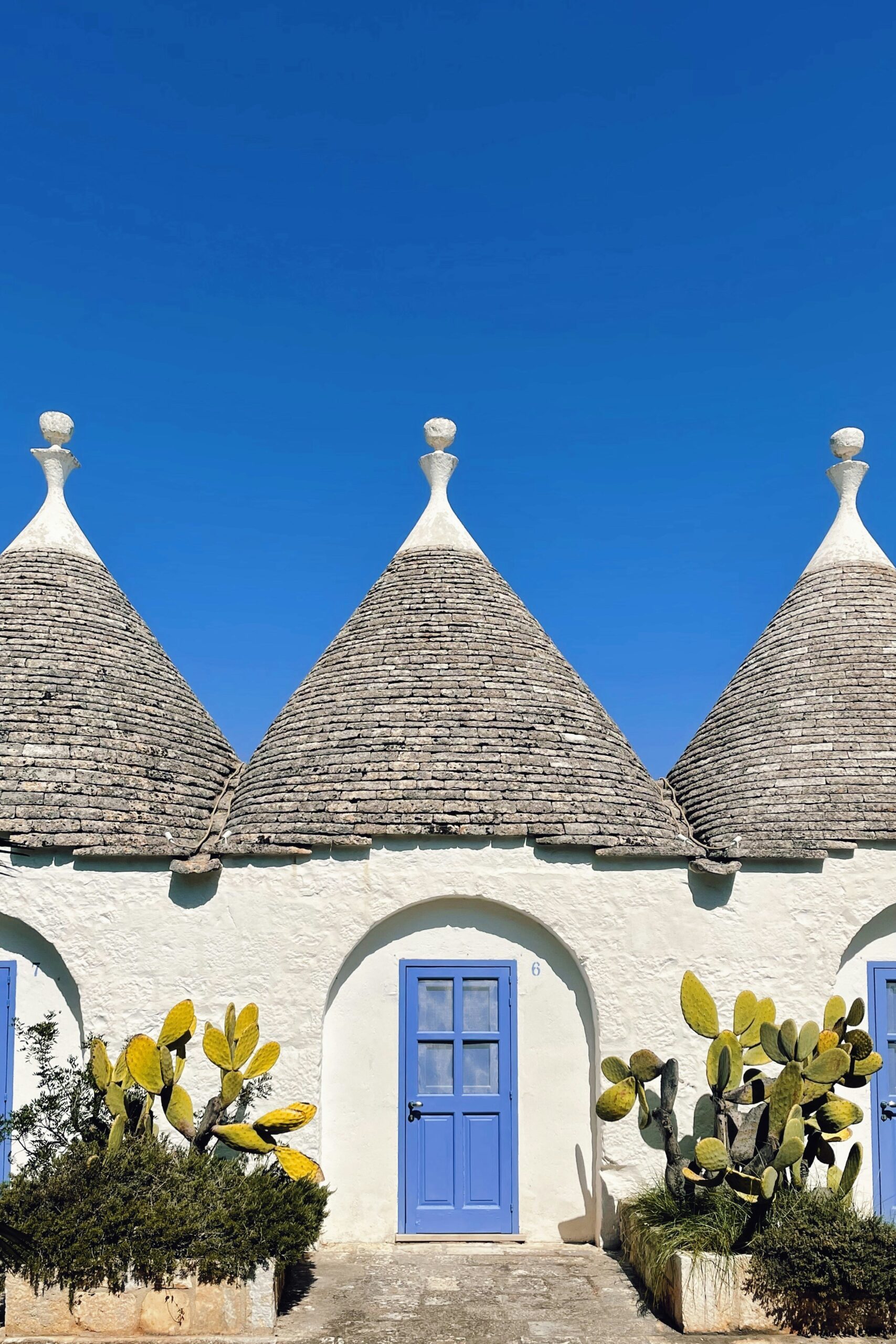
Holiday Home & Villa Booking
Discover your perfect home in Apulia with ApuliaBella. We handpick every trullo, villa, apartment, and masseria to ensure comfort, authenticity, and unforgettable charm. Whether it’s a romantic getaway, a family holiday, or a group escape, we match you with a property that fits your style, group size, and budget. Booking is simple and stress-free — we handle all details so you can focus on enjoying your holiday. With ApuliaBella, your dream Apulian stay is just a few clicks away.
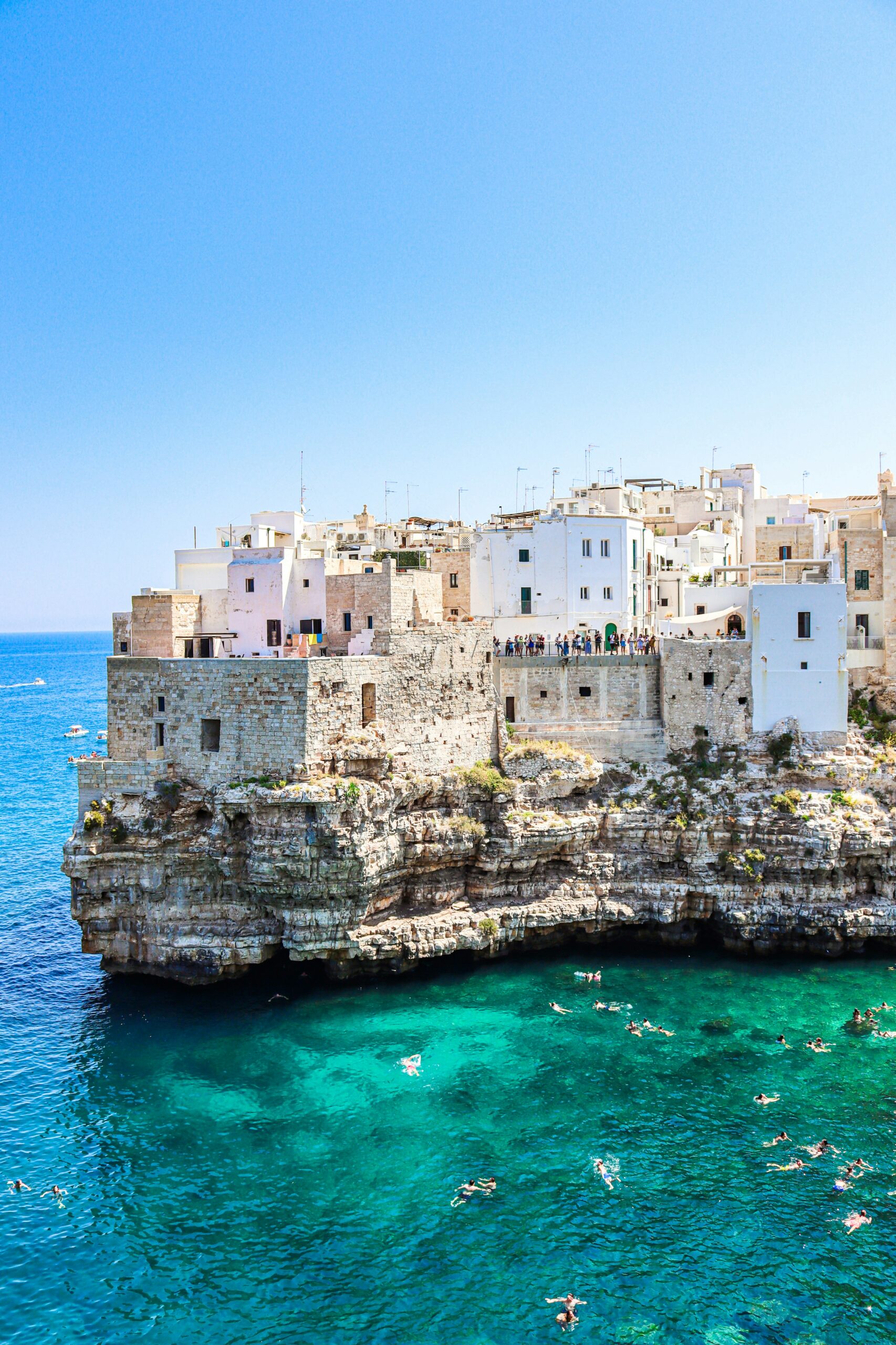
On-Site Guest Support
Enjoy your Apulia holiday without a single worry with ApuliaBella’s On-Site Guest Support. From the moment you arrive, our local team welcomes you personally, guides you through your accommodation, and ensures everything is perfectly prepared. Need tips for the best beaches, restaurants, or hidden gems? We provide insider knowledge tailored to your interests. Should any questions or small issues arise, we’re just a call away — discreet, reliable, and ready to assist. With ApuliaBella, your stay is seamless, stress-free, and completely focused on relaxation and enjoyment.
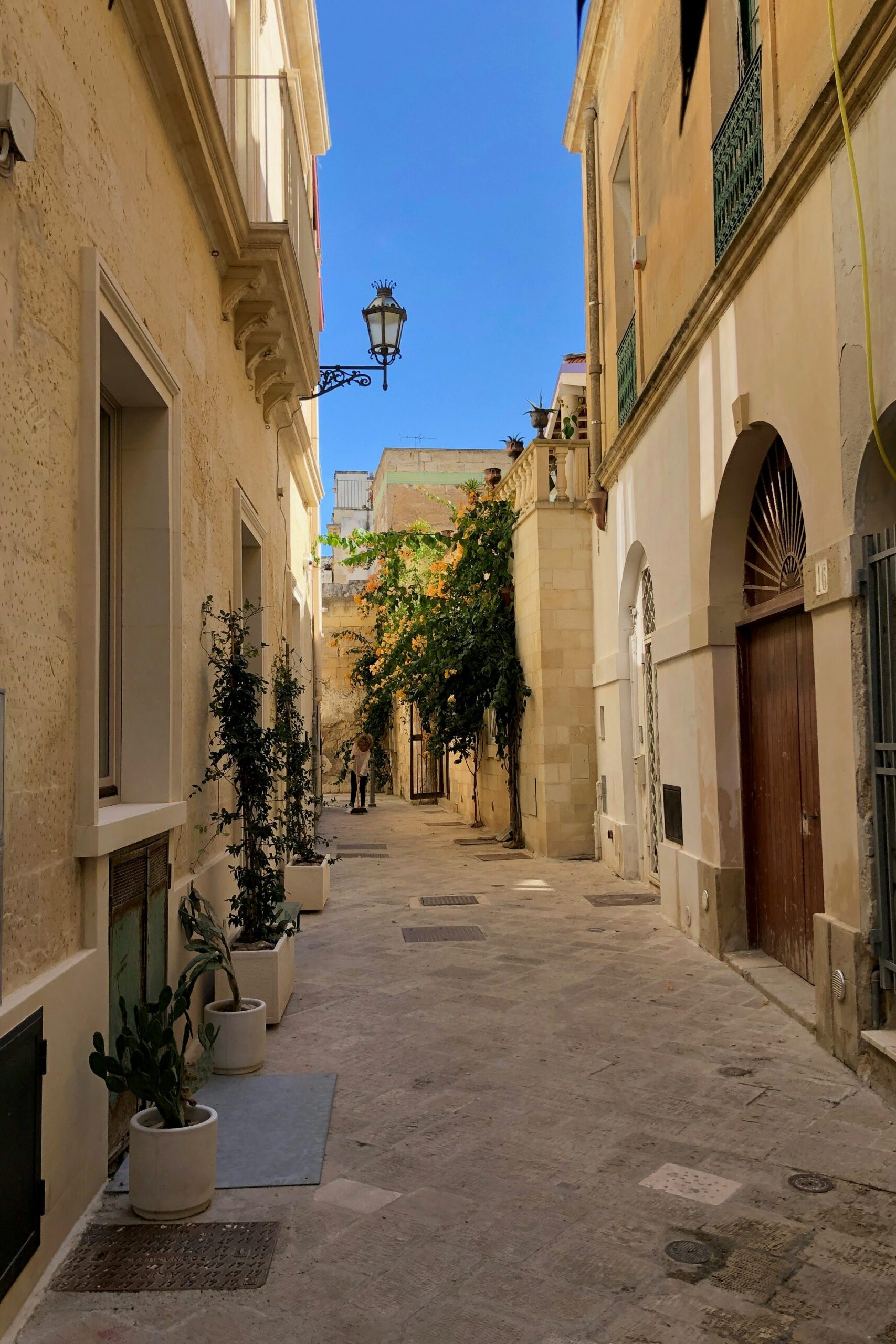
Services for Property Owners
Maximize your property’s potential with ApuliaBella. We handle everything — from professional marketing and guest communication to booking management and on-site coordination. Our team ensures your home is presented beautifully, booked efficiently, and maintained to the highest standards. With personalized strategies, we help you attract the right guests while reducing your workload. Trust ApuliaBella to manage your property professionally, giving you peace of mind and satisfied guests every time.
We are the Apulia Experts for Travelers
At ApuliaBella, we are your English-speaking experts for discovering the magic of Apulia. We handpick authentic holiday homes, trulli, villas, and masserie to ensure every stay is comfortable, unique, and unforgettable. Our team lives and breathes Apulia — from its sun-soaked beaches and historic towns to hidden villages and countryside escapes.
We guide you personally from booking to arrival, providing insider tips, local knowledge, and on-site support. Whether you are planning a romantic getaway, a family holiday, or a group adventure, ApuliaBella turns your travel dreams into reality. We are passionate about making every stay effortless, enjoyable, and authentically Apulian. With ApuliaBella, your Apulia experience begins before you even pack your bags.
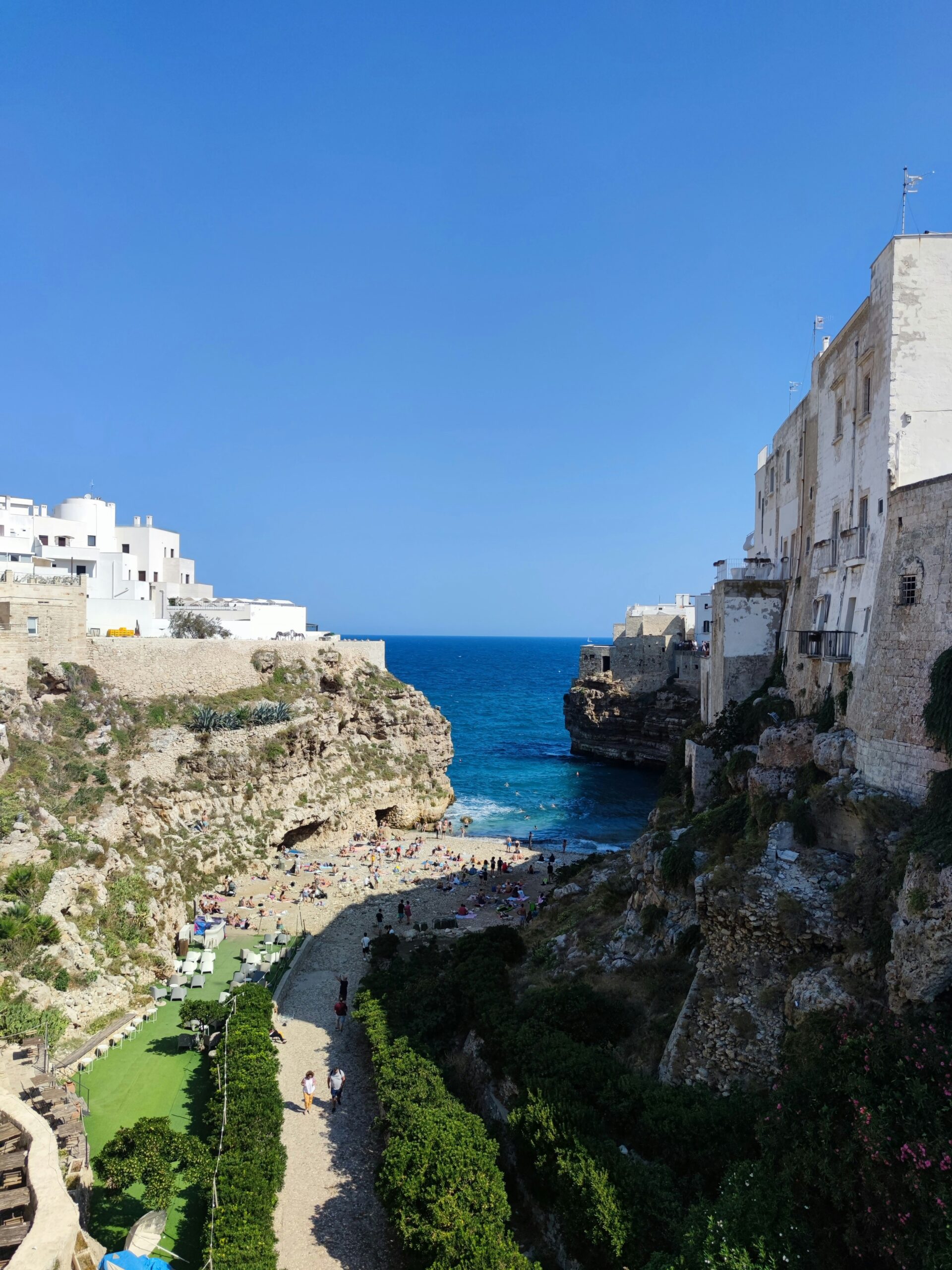
Places in Apulia:
Acquaviva delle Fonti, Accadia, Adelfia, Alberobello, Alberona, Altamura, Anzano di Puglia, Andria, Apricena, Ascoli Satriano, Avetrana, Bari, Barletta, Binetto, Biccari, Bitetto, Bitonto, Bitritto, Bisceglie, Bovino, Brindisi, Cagnano Varano, Candela, Canosa di Puglia, Carapelle, Carlantino, Carpino, Carosino, Carovigno, Casamassima, Casarano, Casalnuovo Monterotaro, Casalvecchio di Puglia, Castellana Grotte, Castellaneta, Castelluccio dei Sauri, Castelluccio Valmaggiore, Castelnuovo della Daunia, Cellamare, Celle di San Vito, Celenza Valfortore, Cellino San Marco, Ceglie Messapica, Cerignola, Chieuti, Cisternino, Corato, Copertino, Crispiano, Deliceto, Erchie, Faggiano, Fasano, Faeto, Foggia, Francavilla Fontana, Galatina, Galatone, Gallipoli, Gioia del Colle, Ginosa, Giovinazzo, Grottaglie, Gravina in Puglia, Grumo Appula, Ischitella, Isole Tremiti, Laterza, Latiano, Lecce, Leverano, Leporano, Lesina, Lizzano, Lizzanello, Locorotondo, Lucera, Maglie, Manduria, Manfredonia, Margherita di Savoia, Martina Franca, Maruggio, Massafra, Mattinata, Mesagne, Molfetta, Modugno, Monopoli, Monte Sant’Angelo, Montemesola, Monteiasi, Monteparano, Monteroni di Lecce, Monteleone di Puglia, Mottola, Motta Montecorvino, Nardò, Noci, Noicàttaro, Ordona, Oria, Orta Nova, Ostuni, Palagiano, Palagianello, Palo del Colle, Panni, Peschici, Pietramontecorvino, Poggiorsini, Polignano a Mare, Pulsano, Putignano, Rignano Garganico, Rodi Garganico, Roccaforzata, Roseto Valfortore, Ruvo di Puglia, Rutigliano, Sannicandro di Bari, Sannicandro Garganico, Sammichele di Bari, San Donaci, San Ferdinando di Puglia, San Giorgio Ionico, San Giovanni Rotondo, San Marzano di San Giuseppe, San Marco in Lamis, San Marco la Catola, San Michele Salentino, San Nicandro Garganico, San Paolo di Civitate, San Pancrazio Salentino, San Pietro Vernotico, Santeramo in Colle, Sava, Serracapriola, Spinazzola, Statte, Stornara, Stornarella, Surbo, Tarent, Taviano, Terlizzi, Trani, Tricase, Triggiano, Trinitapoli, Trepuzzi, Toritto, Torremaggiore, Torre Santa Susanna, Torricella, Torchiarolo, Turi, Ugento, Valenzano, Veglie, Vico del Gargano, Vieste, Villa Castelli, Volturara Appula, Volturino, Zapponeta