
Lecce in Apulia
Welcome to Lecce: The Golden Flourish of the Baroque South
In the sun-drenched heel of Italy, there is a city that glows with the intensity of a thousand lanterns. At ApuliaBella, we call Lecce the “Florence of the South,” yet even that comparison feels insufficient. Lecce does not merely possess art; it is a city sculpted out of a dream. Built almost entirely from “pietra leccese”—a soft, honey-colored limestone that hardens over time but remains as easy to carve as butter—the city is a triumph of theatrical architecture. Here, the stone doesn’t just hold up buildings; it dances, curls into acanthus leaves, and grins in the form of gargoyles.
As your dedicated ApuliaBella travel advisor, we invite you to step into a world where the Baroque era never truly ended. Lecce is a sensory explosion of golden facades, hidden courtyards, and the sweet scent of almond milk and pastry. Whether you are an art historian tracing the genius of Giuseppe Zimbalo or a traveler seeking the sophisticated “dolce vita” of the Salento, ApuliaBella is here to guide you through the elegant streets and majestic squares of this Mediterranean masterpiece.
The Stone of the Sun: A History of Messapian Roots and Spanish Splendor
The history of Lecce is a narrative of transformation. Long before it became a Baroque jewel, it was Sybar, a center for the Messapians, before being conquered by the Romans and renamed Lupiae. However, the Lecce we see today was born during the 16th and 17th centuries. Under Spanish rule, the city became a powerhouse of religious and political influence, fueling an architectural boom that saw every church and palazzo compete for the most extravagant facade.
When you walk through the historic gates with ApuliaBella, we tell the story of the artisans who turned this city into a stone forest. The local limestone allowed for an unprecedented level of detail, leading to the “Barocco Leccese”—a style so unique it is found nowhere else on earth. At ApuliaBella, we find the urban resilience of Lecce fascinating; it is a city that swallowed its Roman theater and medieval walls to create a unified, golden vision of the future. We help you trace this lineage from the ruins of the Roman Empire to the triumphant arches of the Bourbon kings.
The Basilica di Santa Croce: A Symphony in Stone
The undisputed masterpiece of the city is the Basilica di Santa Croce. It took over a century to complete, and the result is perhaps the most intricate facade in all of Italy. It is a dense, joyous riot of figures: lions, griffins, cherubs, and botanical wonders that seem to vibrate with life.
As your ApuliaBella travel guide, we suggest you spend at least twenty minutes just looking at the facade. Look for the “telamones” (supporting figures) that appear to be holding up the balcony—some represent the Turks captured at the Battle of Lepanto, others are the artisans themselves. At ApuliaBella, we consider this church the “Soul of the City,” a place where the stone was made to speak of heaven and earth simultaneously. It is the pinnacle of what the human hand can achieve when working with the “pietra leccese.”
Piazza del Duomo: The Sacred Enclosure
In most Italian cities, the Cathedral sits in an open square. In Lecce, the Piazza del Duomo is a magnificent “closed” space, entered through a grand gateway. It acts as an architectural courtyard, surrounded by the Cathedral, the Bell Tower, the Bishop’s Palace, and the Seminary.
We at ApuliaBella believe this is the most elegant square in Europe. At night, when the limestone is illuminated, the piazza feels like a grand outdoor ballroom. The Cathedral itself is unique because it has two facades—one formal and one highly decorative, designed to greet visitors as they enter the square. As your ApuliaBella travel guide, we recommend visiting the crypt, where ninety-two columns carved with different motifs support the sacred weight above. At ApuliaBella, we find the silence of the Duomo square at midnight to be the most profound experience the city offers.
The Roman Legacy: The Theater and the Amphitheater
Lecce’s history isn’t just about what stands above the ground, but what lies beneath. In the heart of the modern city, the Roman Amphitheater sits half-excavated in Piazza Sant’Oronzo. Built in the 2nd century AD, it once held 25,000 spectators.
Your ApuliaBella travel guide will also lead you to the Roman Theater, tucked away in a quiet side street. While smaller than the amphitheater, it is remarkably well-preserved. At ApuliaBella, we love the contrast between the stern, functional Roman brickwork and the flamboyant Baroque stone that towers over it. It serves as a reminder that Lecce has always been a city of spectacle, whether it was the gladiatorial games of antiquity or the religious processions of the 1700s.
The Castle of Charles V: The Imperial Shield
Guarding the edge of the historic center is the Castello di Carlo V. Built in the 16th century on the site of an earlier Norman fortification, this massive trapezoidal fortress was designed to protect the city from Ottoman raids.
At ApuliaBella, we suggest exploring the internal halls, which now host cultural exhibitions and the Paper-Mache Museum. The castle is a stark contrast to the rest of the city; it is a building of war in a city of art. As your ApuliaBella travel guide, we find the “Bastion of San Giacomo” to be particularly impressive. It shows the sheer scale of the Spanish commitment to keeping Lecce—and its wealth—secure from the threats of the Mediterranean.
Culinary Specialties: The Flavors of the Salentine Sun
The food in Lecce is as rich and layered as its architecture. It is a cuisine that relies on the “terroir” of the Salento—the olives, the bitter greens, and the sweet almond paste. At ApuliaBella, we believe the “Leccese” table is the finest in Apulia.
Caffè Leccese: A refreshing ritual consisting of espresso over ice with a splash of sweet almond milk. It is the only way to start a summer morning.
Pasticciotto: The legendary breakfast pastry. A shortcrust oval filled with lemon-scented custard, served warm.
Ciceri e Tria: A historic dish of chickpeas and pasta. What makes it unique is that some of the pasta is boiled, while some is fried (tria), creating a delightful crunch.
Frisella: Hard, twice-baked bread rings soaked briefly in water and topped with juicy cherry tomatoes, extra virgin olive oil, and oregano.
Rustico Leccese: A savory puff pastry disc filled with mozzarella, tomato, and a touch of béchamel. It is the ultimate street food.
Puccia: A soft, stone-baked bread stuffed with everything from sautéed peppers to local cheeses and “capocollo.”
Insider Tip: The Magic of Cartapesta (Paper-Mache)
Here is an ApuliaBella insider tip: While everyone looks at the stone, the real secret of Lecce is its Cartapesta. Because the stone was too heavy for processional statues, the artisans of Lecce perfected the art of paper-mache.
Our ApuliaBella recommendation is to visit one of the small workshops near the Roman Theater, such as Cartapesta Lecce di Marco Epicochi. You will see artists using straw, wire, and paper to create statues that look exactly like wood or bronze. At ApuliaBella, we find this “art of the humble” to be incredibly moving—it shows the ingenuity of the local people who created beauty out of the simplest materials. It is the perfect, lightweight souvenir to take home from your journey.
The Passeggiata in Via Palmieri
The “Passeggiata” (evening stroll) is a sacred tradition in Lecce. As the heat of the day fades, the locals emerge in their finest attire to walk the route from Porta Napoli to Piazza Sant’Oronzo.
As your ApuliaBella travel guide, we recommend joining the flow on Via Palmieri. This street is lined with some of the city’s most beautiful private palazzos. Look up at the balconies—the “mignani”—where noble families used to watch the world go by. At ApuliaBella, we find this to be the moment when the city feels most alive, a theatre of human connection played out against a backdrop of golden stone.
Why Choose ApuliaBella for Your Lecce Adventure?
Lecce is a city of details—a hidden gargoyle, a specific vintage of Negroamaro, a secret courtyard garden. It requires a guide who can navigate the layers of history with passion and precision.
Artistic Insight: ApuliaBella explains the “code” of the Baroque, helping you understand the stories hidden in the stone carvings of the churches.
Gastronomic Access: We know the bakeries that still use lard in their pasticciotto for the perfect crust and the cafes that make the best almond milk from scratch.
Seamless Travel: We help you navigate the ZTL (restricted traffic zones) and find the best boutiques for local crafts, making your stay stress-free.
Lecce is the golden flourish of the Baroque South—a city of stone lace, Roman shadows, and the most elegant squares in the Mediterranean. It is where the sun never seems to set on the beauty of the past. Let ApuliaBella be your guide to the most sophisticated and radiant heart of the Salento.
Comprehensive Services for Guests
Holiday Home & Villa Booking
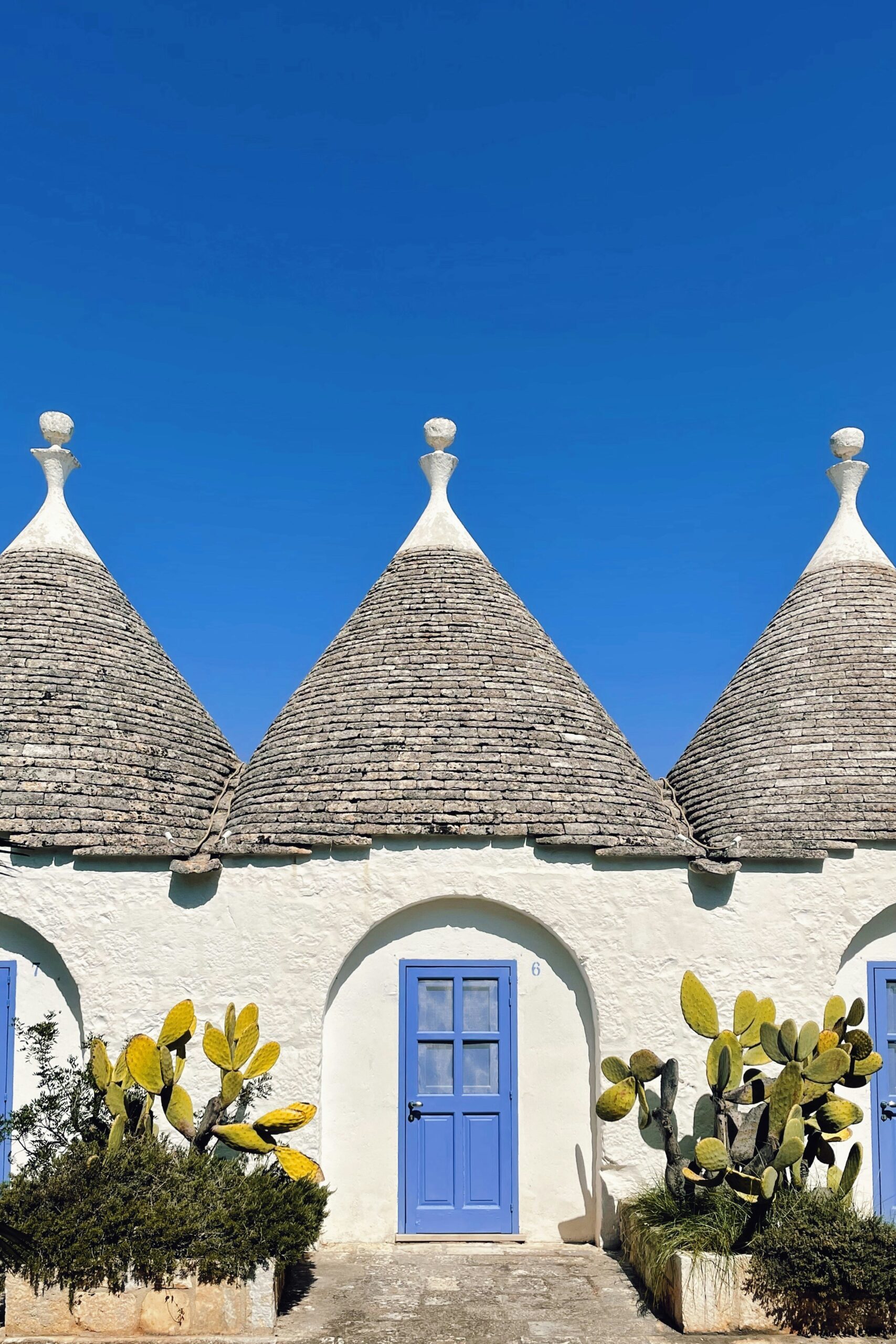
Discover your perfect home in Apulia with ApuliaBella. We handpick every trullo, villa, apartment, and masseria to ensure comfort, authenticity, and unforgettable charm. Whether it’s a romantic getaway, a family holiday, or a group escape, we match you with a property that fits your style, group size, and budget. Booking is simple and stress-free — we handle all details so you can focus on enjoying your holiday. With ApuliaBella, your dream Apulian stay is just a few clicks away.
On-Site Guest Support
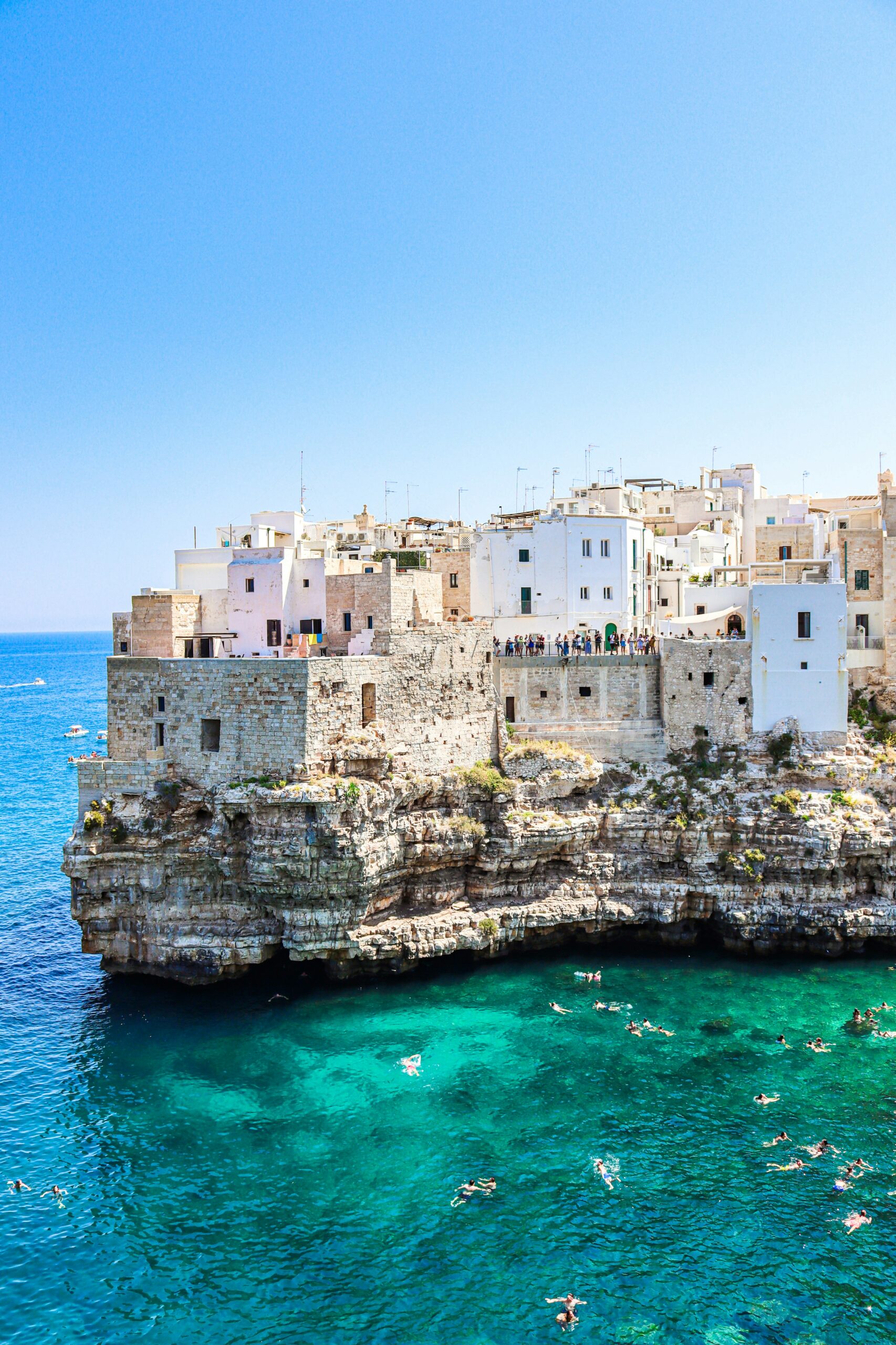
Enjoy your Apulia holiday without a single worry with ApuliaBella’s On-Site Guest Support. From the moment you arrive, our local team welcomes you personally, guides you through your accommodation, and ensures everything is perfectly prepared. Need tips for the best beaches, restaurants, or hidden gems? We provide insider knowledge tailored to your interests. Should any questions or small issues arise, we’re just a call away — discreet, reliable, and ready to assist. With ApuliaBella, your stay is seamless, stress-free, and completely focused on relaxation and enjoyment.
Services for Property Owners
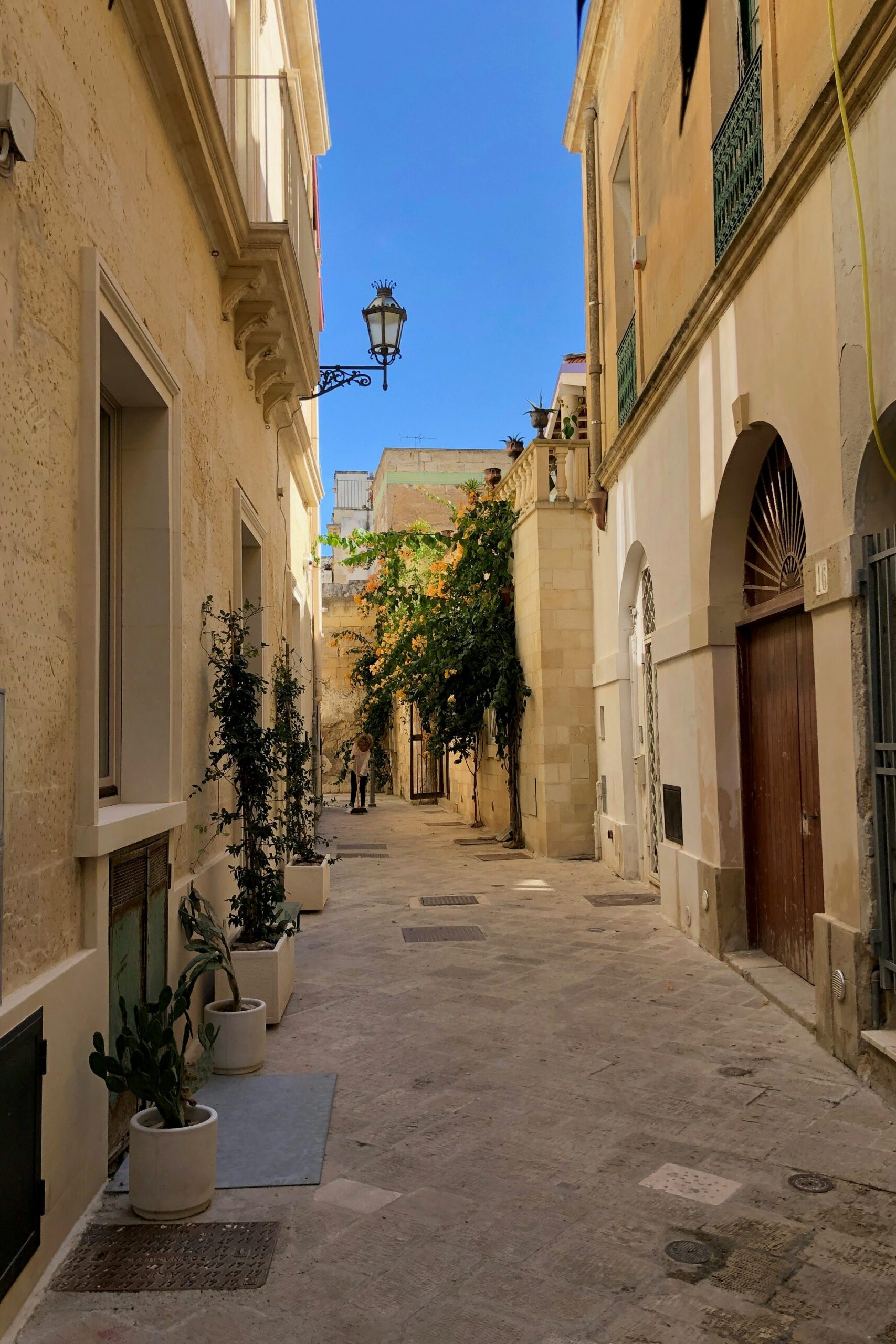
Maximize your property’s potential with ApuliaBella. We handle everything — from professional marketing and guest communication to booking management and on-site coordination. Our team ensures your home is presented beautifully, booked efficiently, and maintained to the highest standards. With personalized strategies, we help you attract the right guests while reducing your workload. Trust ApuliaBella to manage your property professionally, giving you peace of mind and satisfied guests every time.
We are the Apulia Experts for Travelers
At ApuliaBella, we are your English-speaking experts for discovering the magic of Apulia. We handpick authentic holiday homes, trulli, villas, and masserie to ensure every stay is comfortable, unique, and unforgettable. Our team lives and breathes Apulia — from its sun-soaked beaches and historic towns to hidden villages and countryside escapes.
We guide you personally from booking to arrival, providing insider tips, local knowledge, and on-site support. Whether you are planning a romantic getaway, a family holiday, or a group adventure, ApuliaBella turns your travel dreams into reality. We are passionate about making every stay effortless, enjoyable, and authentically Apulian. With ApuliaBella, your Apulia experience begins before you even pack your bags.
Places in Apulia:
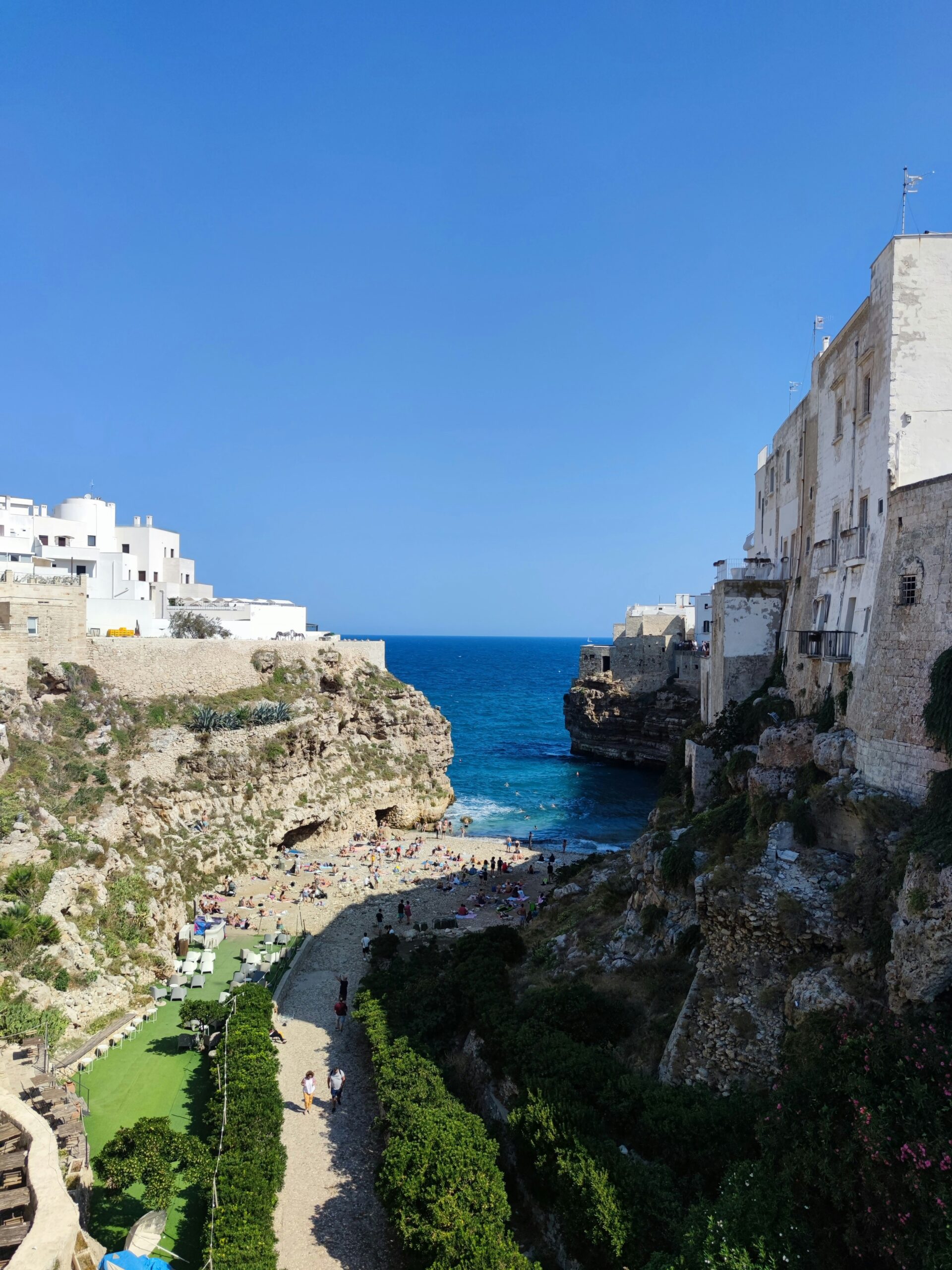
Acquaviva delle Fonti, Accadia, Adelfia, Alberobello, Alberona, Altamura, Anzano di Puglia, Andria, Apricena, Ascoli Satriano, Avetrana, Bari, Barletta, Binetto, Biccari, Bitetto, Bitonto, Bitritto, Bisceglie, Bovino, Brindisi, Cagnano Varano, Candela, Canosa di Puglia, Carapelle, Carlantino, Carpino, Carosino, Carovigno, Casamassima, Casarano, Casalnuovo Monterotaro, Casalvecchio di Puglia, Castellana Grotte, Castellaneta, Castelluccio dei Sauri, Castelluccio Valmaggiore, Castelnuovo della Daunia, Cellamare, Celle di San Vito, Celenza Valfortore, Cellino San Marco, Ceglie Messapica, Cerignola, Chieuti, Cisternino, Corato, Copertino, Crispiano, Deliceto, Erchie, Faggiano, Fasano, Faeto, Foggia, Francavilla Fontana, Galatina, Galatone, Gallipoli, Gioia del Colle, Ginosa, Giovinazzo, Grottaglie, Gravina in Puglia, Grumo Appula, Ischitella, Isole Tremiti, Laterza, Latiano, Lecce, Leverano, Leporano, Lesina, Lizzano, Lizzanello, Locorotondo, Lucera, Maglie, Manduria, Manfredonia, Margherita di Savoia, Martina Franca, Maruggio, Massafra, Mattinata, Mesagne, Molfetta, Modugno, Monopoli, Monte Sant’Angelo, Montemesola, Monteiasi, Monteparano, Monteroni di Lecce, Monteleone di Puglia, Mottola, Motta Montecorvino, Nardò, Noci, Noicàttaro, Ordona, Oria, Orta Nova, Ostuni, Palagiano, Palagianello, Palo del Colle, Panni, Peschici, Pietramontecorvino, Poggiorsini, Polignano a Mare, Pulsano, Putignano, Rignano Garganico, Rodi Garganico, Roccaforzata, Roseto Valfortore, Ruvo di Puglia, Rutigliano, Sannicandro di Bari, Sannicandro Garganico, Sammichele di Bari, San Donaci, San Ferdinando di Puglia, San Giorgio Ionico, San Giovanni Rotondo, San Marzano di San Giuseppe, San Marco in Lamis, San Marco la Catola, San Michele Salentino, San Nicandro Garganico, San Paolo di Civitate, San Pancrazio Salentino, San Pietro Vernotico, Santeramo in Colle, Sava, Serracapriola, Spinazzola, Statte, Stornara, Stornarella, Surbo, Tarent, Taviano, Terlizzi, Trani, Tricase, Triggiano, Trinitapoli, Trepuzzi, Toritto, Torremaggiore, Torre Santa Susanna, Torricella, Torchiarolo, Turi, Ugento, Valenzano, Veglie, Vico del Gargano, Vieste, Villa Castelli, Volturara Appula, Volturino, Zapponeta