
Noicàttaro in Apulia
Welcome to Noicàttaro: The Heart of the Grape and the Home of the Cross
Just south of Bari, where the coastal breeze meets the fertile red earth of the inland plains, lies Noicàttaro—a city that pulses with a rhythm found nowhere else in the Mediterranean. At ApuliaBella, we call Noicàttaro the “Emerald of the Tavoliere,” not because of gemstones, but because of the vast, shimmering canopies of table grapes that surround the city like a lush, living sea. This is a destination for the traveler who seeks the drama of ancient rituals and the sweetness of the earth’s most prized fruits. Noicàttaro is a place of deep shadows and brilliant light, where the silence of Baroque cloisters is broken only by the haunting chants of Holy Week.
As your dedicated ApuliaBella travel advisor, we invite you to peel back the modern agricultural success of this town to reveal its medieval soul. Noicàttaro is more than a hub for global exports; it is a city of “Lame” (ancient erosive gullies), hidden underground olive presses, and one of the most evocative historic centers in the Bari province. Whether you are here to witness the world-famous “Regina di Noicàttaro” grapes being harvested, explore the smallest theater in Europe, or walk alongside the hooded penitents of the Passion, ApuliaBella is here to guide you through the salt-white alleys and verdant vineyards of this unique Apulian treasure.
From Noa to Noicàttaro: A History of Stone and Soil
The history of Noicàttaro is a story of evolution and identity. Its roots are ancient, stretching back to the Peucetian civilization, but for much of its life, it was known simply as “Noja.” At ApuliaBella, we find the town’s transition fascinating; in 1862, it adopted the name Noicàttaro to honor its possible links to the ancient city of Cattaro, though its heart has always remained firmly planted in the Bari soil.
When you walk the historic center with ApuliaBella, we tell the story of the powerful Carafa family, the dukes who transformed a medieval village into a refined feudal estate. The city was built on the edge of the Lama San Giorgio, a natural canyon that provided both defense and fertile land. At ApuliaBella, we help you trace this journey from the subterranean “frantoi” (olive presses) carved into the rock to the elegant 19th-century palaces that reflect the town’s agricultural wealth. It is a city that has always known how to turn the minerals of the earth into the gold of the table.
The Chiesa Madre di Santa Maria della Pace: A Romanesque Sentinel
The architectural and spiritual center of Noicàttaro is the Chiesa Madre di Santa Maria della Pace. Built in the 12th and 13th centuries, this Romanesque masterpiece stands as a testament to the city’s medieval grandeur.
As your ApuliaBella travel guide, we suggest you stand in the narrow Piazza Umberto I to appreciate the facade. The stone is weathered by centuries of sun, yet the intricate carvings of the portals remain sharp. Inside, the church is a sanctuary of cool limestone and silence, housing a 15th-century wooden crucifix that is central to the town’s religious life. At ApuliaBella, we consider the Chiesa Madre the “Mother of the Community,” a landmark that has anchored the Nojani through plagues, wars, and harvests for over 800 years.
The Teatro Cittadino: The Smallest Jewel in the Crown
One of the most extraordinary secrets of Noicàttaro is its Teatro Cittadino, often cited as one of the smallest theaters in Europe. Tucked away in the historic center, this tiny venue is a masterpiece of 19th-century social history.
We at ApuliaBella recommend a private tour of this miniature opera house. Built within the walls of an ancient palace, it features tiered wooden boxes and an intimacy that makes every performance feel like a private gathering. As your ApuliaBella travel guide, we find the theater’s survival a miracle—it represents the high cultural aspirations of a town that, while rooted in the soil, always looked toward the arts. At ApuliaBella, we view this theater as the “Music Box of the Bari Coast,” a refined space where the echoes of the past still resonate.
Holy Week in Noicàttaro: The Ritual of the Crociati
If you visit Noicàttaro during Easter, you will witness one of the most intense and authentic religious spectacles in Italy. The Holy Week rituals here are famous for the “Crociati”—penitents dressed in black robes and hoods, walking barefoot through the streets while dragging heavy chains attached to their ankles.
At ApuliaBella, we believe there is no more moving experience than the “Nacatula” (the funeral procession of Christ). The sound of the chains clanking against the stone pavement in the dead of night creates a haunting atmosphere that stays with you forever. Your ApuliaBella travel guide suggests following the procession to the bonfire lit in front of the Church of the Madonna della Lama. At ApuliaBella, we see this not just as a religious event, but as a profound display of communal identity and historical memory.
The Lama San Giorgio: The Secret Valley
Noicàttaro sits on the edge of the Lama San Giorgio, a deep erosive gully that serves as a natural park. This “fracture” in the landscape has created a unique microclimate where wild Mediterranean flora thrives alongside ancient olive groves.
Your ApuliaBella travel guide considers the Lama to be the “Green Soul” of the city. We recommend a guided trek along the floor of the gully, where you can find “insediamenti rupestri” (rock-cut settlements) and ancient caves that served as shelters for shepherds. At ApuliaBella, we find the contrast between the bustling modern town and the prehistoric silence of the Lama to be one of the city’s most compelling draws. It is the perfect place to see the rugged, untamed side of the Bari hinterland.
Culinary Specialties: The Sweetness of the Regina
The kitchen of Noicàttaro is defined by its land. While the city is the world capital of the “Uva da Tavola” (table grapes), its culinary heritage is rich with the savory traditions of the Bari plain. At ApuliaBella, we ensure you taste the “Bounty of the Field.”
Uva Regina di Noicàttaro: These large, golden grapes are the city’s pride. They are exceptionally sweet and crunchy, often enjoyed as the centerpiece of a meal.
Carciofo di Noicàttaro: The local artichokes are tender and flavorful, often served “alla brace” (grilled over coals) or preserved in the finest local olive oil.
Orecchiette con le Cime di Rapa: The regional classic, but in Noicàttaro, it is often enriched with a touch of spicy chili and local anchovies.
Cartellate Nojane: During the Christmas season, these fried honey-soaked pastries are flavored with a unique blend of local spices and vincotto (cooked grape must).
Focaccia Barese: High, soft, and topped with plenty of cherry tomatoes and local olives, found in every local bakery.
Wine “Primitivo”: To accompany the local meats, ApuliaBella suggests a robust red from the nearby vineyards of the South-Bari region.
Insider Tip: The Underground “Frantoio” IPogeo
Here is an ApuliaBella insider tip: Beneath the white streets of the historic center lies a hidden world.
Our ApuliaBella recommendation is to seek out one of the “frantoi ipogei”—ancient, underground olive oil mills carved directly into the limestone. For centuries, these mills kept the oil at a constant temperature and protected the workers from the summer heat. At ApuliaBella, we find that standing in these cool, cavernous spaces allows you to understand the true “working heart” of old Noicàttaro. It is a subterranean history that most visitors walk right over without ever realizing it.
The Festival of the Madonna della Lama
In September, the city celebrates its patronal feast. The streets are illuminated with spectacular “Luminarie” (light displays), and a grand procession honors the Madonna.
At ApuliaBella, we believe this is the best time to see the city’s joyous side. The air is filled with the scent of roasted nuts and the sound of brass bands. Your ApuliaBella travel guide suggests grabbing a “panino con la zampina” (a local spiraled sausage) from a street vendor and joining the locals in the main square. At ApuliaBella, we see this as the “Harvest Celebration,” where the city thanks the land for the year’s grapes and welcomes the coming autumn.
Why Choose ApuliaBella for Your Noicàttaro Journey?
Noicàttaro is a city of “Deep Roots and Sweet Fruits.” It requires a guide who can navigate the complex spiritual history of Holy Week and the sophisticated world of modern viticulture.
Agricultural Access: ApuliaBella provides the best connections for “Grapetourism” tours, where you can see the harvest in action and taste the fruit right from the vine.
Ritual Insight: We help you understand the deep symbolism behind the Crociati and the Holy Week traditions, providing a respectful and profound experience.
Architectural Discovery: We unlock the doors to the Teatro Cittadino and the underground mills, revealing the layers of history hidden within the stone.
Noicàttaro is the emerald of the Bari plain—a city of Romanesque beauty, miniature theaters, and the sweetest grapes in Italy. It is where the ancient traditions of the cross meet the vibrant life of the vineyard. Let ApuliaBella be your guide to the most authentic and flavorful secret of the Ionian-Bari crossroads.
Comprehensive Services for Guests
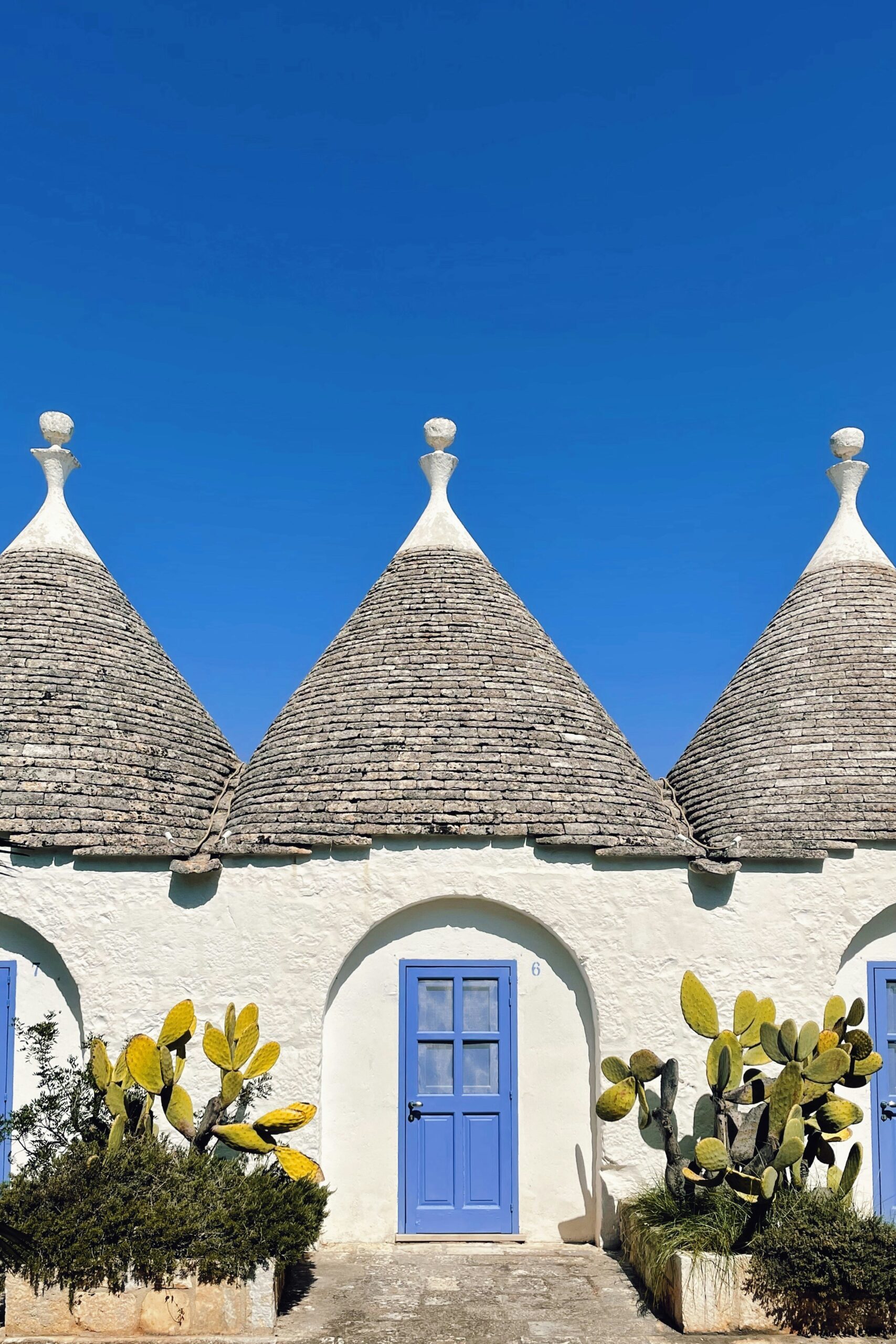
Holiday Home & Villa Booking
Discover your perfect home in Apulia with ApuliaBella. We handpick every trullo, villa, apartment, and masseria to ensure comfort, authenticity, and unforgettable charm. Whether it’s a romantic getaway, a family holiday, or a group escape, we match you with a property that fits your style, group size, and budget. Booking is simple and stress-free — we handle all details so you can focus on enjoying your holiday. With ApuliaBella, your dream Apulian stay is just a few clicks away.
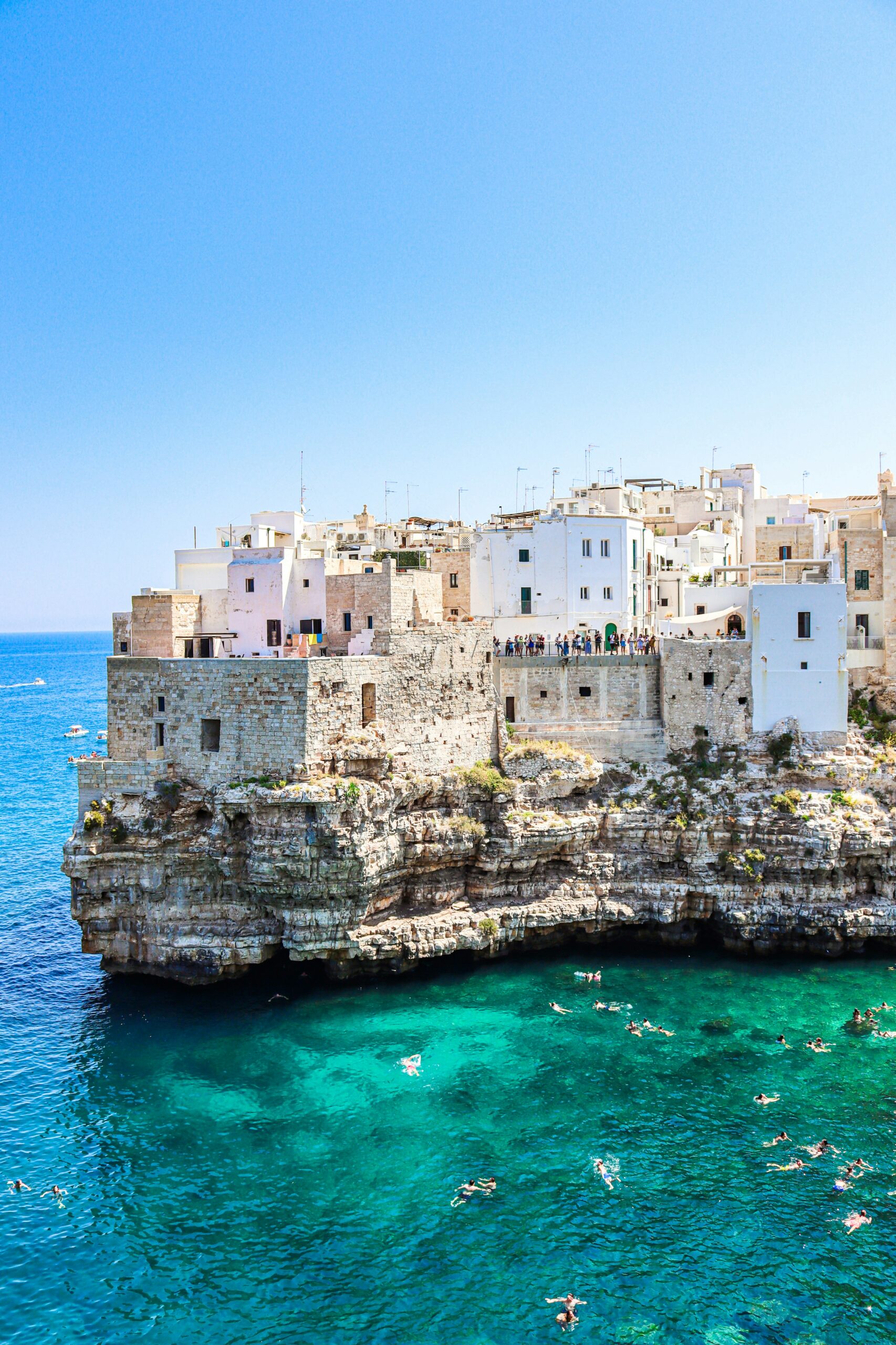
On-Site Guest Support
Enjoy your Apulia holiday without a single worry with ApuliaBella’s On-Site Guest Support. From the moment you arrive, our local team welcomes you personally, guides you through your accommodation, and ensures everything is perfectly prepared. Need tips for the best beaches, restaurants, or hidden gems? We provide insider knowledge tailored to your interests. Should any questions or small issues arise, we’re just a call away — discreet, reliable, and ready to assist. With ApuliaBella, your stay is seamless, stress-free, and completely focused on relaxation and enjoyment.
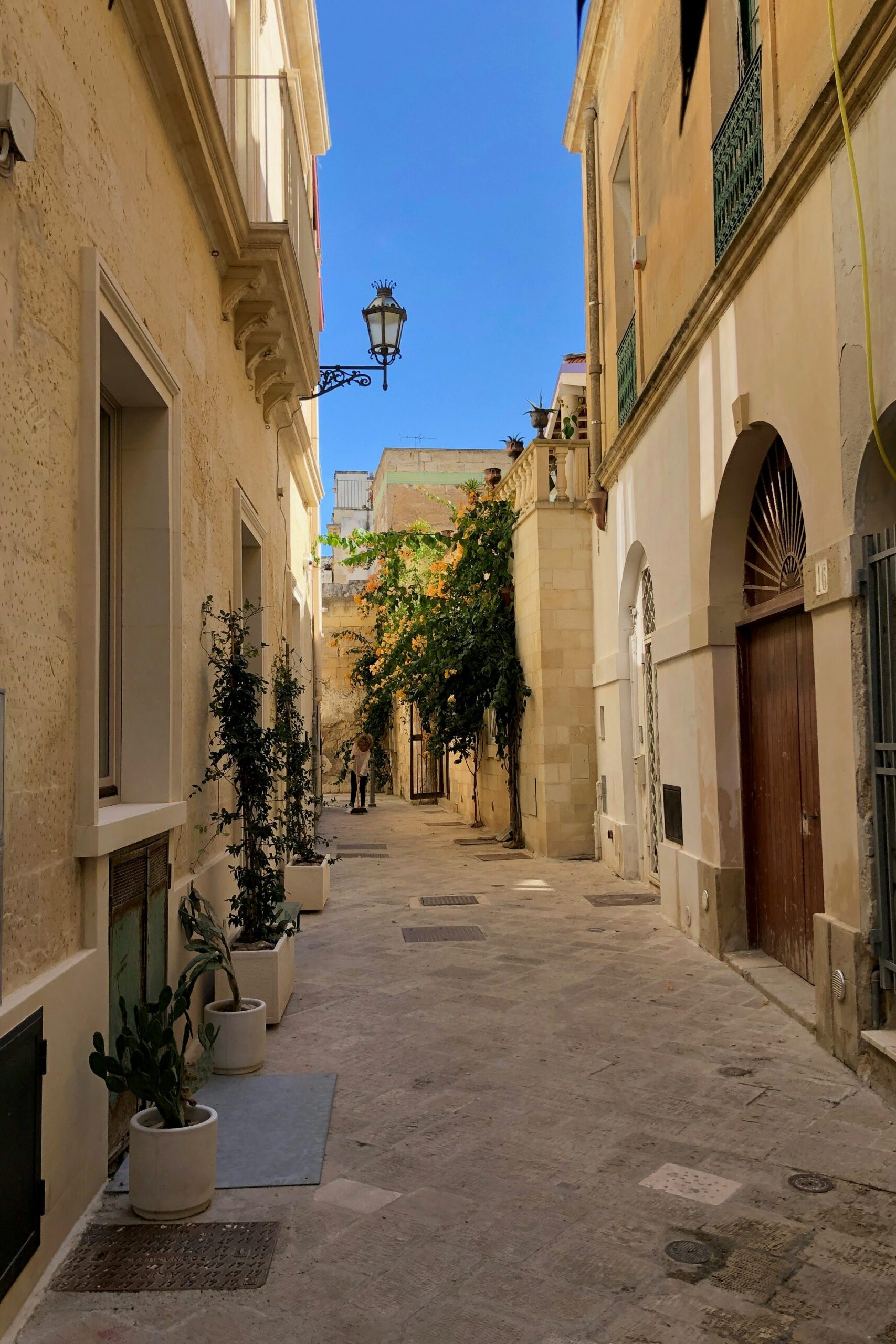
Services for Property Owners
Maximize your property’s potential with ApuliaBella. We handle everything — from professional marketing and guest communication to booking management and on-site coordination. Our team ensures your home is presented beautifully, booked efficiently, and maintained to the highest standards. With personalized strategies, we help you attract the right guests while reducing your workload. Trust ApuliaBella to manage your property professionally, giving you peace of mind and satisfied guests every time.
We are the Apulia Experts for Travelers
At ApuliaBella, we are your English-speaking experts for discovering the magic of Apulia. We handpick authentic holiday homes, trulli, villas, and masserie to ensure every stay is comfortable, unique, and unforgettable. Our team lives and breathes Apulia — from its sun-soaked beaches and historic towns to hidden villages and countryside escapes.
We guide you personally from booking to arrival, providing insider tips, local knowledge, and on-site support. Whether you are planning a romantic getaway, a family holiday, or a group adventure, ApuliaBella turns your travel dreams into reality. We are passionate about making every stay effortless, enjoyable, and authentically Apulian. With ApuliaBella, your Apulia experience begins before you even pack your bags.
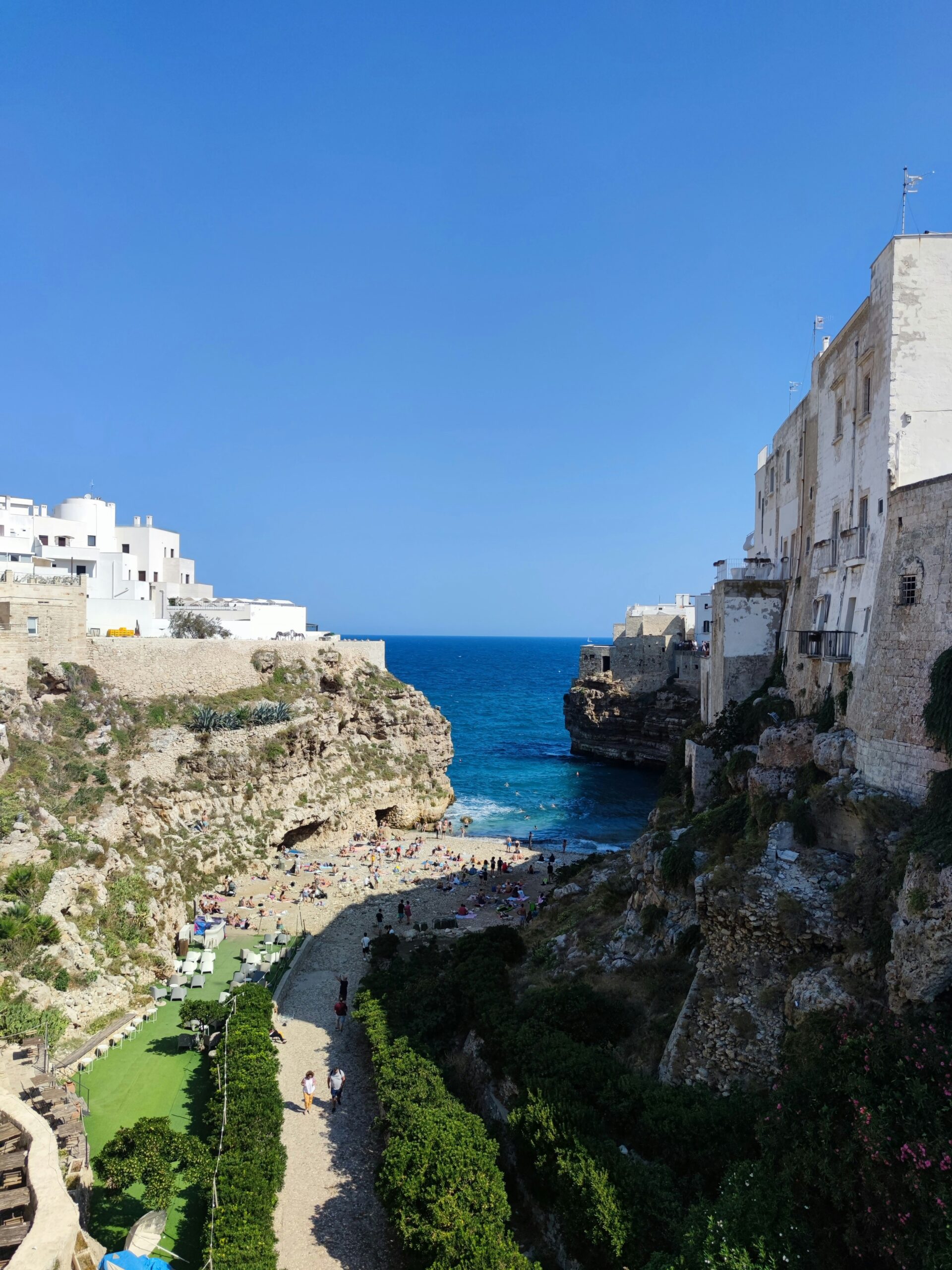
Places in Apulia:
Acquaviva delle Fonti, Accadia, Adelfia, Alberobello, Alberona, Altamura, Anzano di Puglia, Andria, Apricena, Ascoli Satriano, Avetrana, Bari, Barletta, Binetto, Biccari, Bitetto, Bitonto, Bitritto, Bisceglie, Bovino, Brindisi, Cagnano Varano, Candela, Canosa di Puglia, Carapelle, Carlantino, Carpino, Carosino, Carovigno, Casamassima, Casarano, Casalnuovo Monterotaro, Casalvecchio di Puglia, Castellana Grotte, Castellaneta, Castelluccio dei Sauri, Castelluccio Valmaggiore, Castelnuovo della Daunia, Cellamare, Celle di San Vito, Celenza Valfortore, Cellino San Marco, Ceglie Messapica, Cerignola, Chieuti, Cisternino, Corato, Copertino, Crispiano, Deliceto, Erchie, Faggiano, Fasano, Faeto, Foggia, Francavilla Fontana, Galatina, Galatone, Gallipoli, Gioia del Colle, Ginosa, Giovinazzo, Grottaglie, Gravina in Puglia, Grumo Appula, Ischitella, Isole Tremiti, Laterza, Latiano, Lecce, Leverano, Leporano, Lesina, Lizzano, Lizzanello, Locorotondo, Lucera, Maglie, Manduria, Manfredonia, Margherita di Savoia, Martina Franca, Maruggio, Massafra, Mattinata, Mesagne, Molfetta, Modugno, Monopoli, Monte Sant’Angelo, Montemesola, Monteiasi, Monteparano, Monteroni di Lecce, Monteleone di Puglia, Mottola, Motta Montecorvino, Nardò, Noci, Noicàttaro, Ordona, Oria, Orta Nova, Ostuni, Palagiano, Palagianello, Palo del Colle, Panni, Peschici, Pietramontecorvino, Poggiorsini, Polignano a Mare, Pulsano, Putignano, Rignano Garganico, Rodi Garganico, Roccaforzata, Roseto Valfortore, Ruvo di Puglia, Rutigliano, Sannicandro di Bari, Sannicandro Garganico, Sammichele di Bari, San Donaci, San Ferdinando di Puglia, San Giorgio Ionico, San Giovanni Rotondo, San Marzano di San Giuseppe, San Marco in Lamis, San Marco la Catola, San Michele Salentino, San Nicandro Garganico, San Paolo di Civitate, San Pancrazio Salentino, San Pietro Vernotico, Santeramo in Colle, Sava, Serracapriola, Spinazzola, Statte, Stornara, Stornarella, Surbo, Tarent, Taviano, Terlizzi, Trani, Tricase, Triggiano, Trinitapoli, Trepuzzi, Toritto, Torremaggiore, Torre Santa Susanna, Torricella, Torchiarolo, Turi, Ugento, Valenzano, Veglie, Vico del Gargano, Vieste, Villa Castelli, Volturara Appula, Volturino, Zapponeta