
Galatone in Apulia
Welcome to Galatone: The Baroque Theater of the Salento Hills
Rising from the fertile plains of the Salento like a grand limestone stage set, Galatone is a city that speaks the language of drama and devotion. At ApuliaBella, we often describe Galatone as the “Baroque Masterpiece of the Inland.” While the crowds often flock to the nearby Ionian beaches, those who turn their gaze toward this historic hill town are rewarded with a skyline punctuated by ornate domes and a historic center that feels like an open-air museum. Galatone is a place where the stone seems to have been carved with a silversmith’s precision, a town of hidden courtyards, ancient gateways, and a spiritual heart that beats for the “Crocifisso.”
As your dedicated ApuliaBella travel advisor, we invite you to explore a destination that perfectly balances the elegance of the Baroque era with the rugged history of the feudal Salento. Galatone is a city of layers, where medieval fortifications hide behind flamboyant facades. Whether you are an architecture enthusiast seeking the work of the great local masters or a traveler looking for the authentic flavors of the “Terra d’Arneo,” ApuliaBella is here to guide you through the golden-hued streets and mystical sanctuaries of this unforgettable Apulian treasure.
The Knight’s Legacy: A History of Byzantine Origins and Feudal Grandeur
The history of Galatone is a story of strategic importance. Its name is believed to derive from the Greek Gala (milk), a nod to the ancient pastoral traditions of the local hills. The town’s true ascent, however, began in the Middle Ages when it served as a vital Byzantine outpost. Following the Norman conquest, it became the seat of the powerful Belmonte and Pignatelli families, who turned Galatone into a fortress of culture and power.
When you walk through the historic center with ApuliaBella, we tell the story of a city that was virtually rebuilt in the 17th century. After surviving various sieges and the devastating earthquake of 1743, the citizens of Galatone transformed their town into a celebration of the “Barocco Leccese.” At ApuliaBella, we find the resilience of this identity fascinating; it is a city that used its stone to tell a story of faith and triumph over adversity. We help you trace this journey from the massive walls of the Castello Pignatelli to the delicate carvings of the Sanctuary of the Crucifix.
The Sanctuary of the Santissimo Crocifisso: The Jewel of the Salento
The undisputed architectural masterpiece of Galatone—and one of the most significant in all of Apulia—is the Santuario del Santissimo Crocifisso della Pietà. Built between 1683 and 1694, its facade is a staggering display of Baroque exuberance, featuring columns, statues, and intricate friezes that capture the light of the setting sun.
As your ApuliaBella travel guide, we consider this a mandatory stop. The interior is equally breathtaking, with a gilded wooden ceiling and a series of canvases by the great Salentine painter Giovanni Domenico Catalano. At ApuliaBella, we love to point out the specific iconography of the facade; it is a “sermon in stone,” designed to awe the viewer and lead them into the divine mystery within. It is a place where the artistic ambition of the 17th century reaches its absolute zenith.
The Castello Pignatelli: The Sleeping Giant
Standing as a reminder of Galatone’s feudal past is the Castello Pignatelli. While only a portion of the original structure remains—most notably the majestic tower and parts of the residential wing—it still dominates the urban landscape with its massive, silent presence.
We at ApuliaBella believe the castle serves as the “Anchor of the North.” It represents the military backbone of the city before it was softened by Baroque aesthetics. As your ApuliaBella travel guide, we suggest a walk around the perimeter to appreciate the thickness of the walls and the elegant Renaissance windows that were added as the castle transitioned from a fortress to a noble palace. At ApuliaBella, we find these architectural transitions to be the most compelling chapters of the town’s story.
Porta di San Sebastiano: The Gateway to the Past
Galatone was once a fully walled city, and the Porta di San Sebastiano is the most beautiful surviving entrance. This grand gate, topped with a statue of the patron saint, marks the transition from the modern world into the labyrinthine “Borgo Antico.”
Your ApuliaBella travel guide recommends starting your walking tour here. The gate acts as a frame for the narrow streets of the old city, drawing your eye toward the distant bell towers. At ApuliaBella, we love how the gate still serves as a social gathering point; it is the “porch” of the historic center, where the light hits the local limestone in a way that makes the entire structure seem to glow with an inner fire.
The Church of San Domenico: A Study in Elegance
Located near the main square, the Chiesa di San Domenico di Guzman offers a more refined, restrained version of the Baroque. Attached to a former Dominican convent, the church features an elegant facade and a stunning cloister that provides a peaceful retreat from the Mediterranean sun.
At ApuliaBella, we suggest visiting the cloister to see the ancient frescoes and the stone well that once served the monks. It is a place of profound stillness. As your ApuliaBella travel guide, we find the contrast between the exuberant Sanctuary and the scholarly atmosphere of San Domenico to be a perfect reflection of the dual nature of Galatone: a city of both passionate faith and quiet intellectualism.
Culinary Specialties: The Earthy Soul of the “Galatonese” Kitchen
The flavors of Galatone are deeply tied to the “Terra d’Arneo,” an area known for its rich soil and ancient olive groves. At ApuliaBella, we believe that a visit to Galatone is as much about the palate as it is about the eyes.
Le Scapece: While often associated with Gallipoli, Galatone has its own tradition of this marinated fish dish, flavored with saffron and breadcrumbs.
Maremme: A traditional local pasta dish, often served with chickpeas or “cime di rapa,” defined by the use of high-quality local durum wheat.
Puccia con Olive: The classic Salentine bread, but in Galatone, it is often extra-crusty and packed with the small, flavorful black olives from the surrounding estates.
Pittule: Fried dough balls that are a staple of every winter festival, often stuffed with cauliflower, capers, or salted cod.
Wines of the Arneo: Galatone produces exceptional Negroamaro and Malvasia Nera. The wines are dark, velvety, and carry the warmth of the Salento summer.
Dolce della Sposa: A traditional wedding sweet made with sponge cake and a delicate lemon cream, reflecting the town’s refined pastry traditions.
Insider Tip: The “Invisible” Byzantine Crypts
Here is an ApuliaBella insider tip: Many visitors focus on the Baroque facades, but the oldest secrets of Galatone are underground. In the rural areas surrounding the town, hidden within private olive groves, are ancient Byzantine rock-cut chapels.
Our ApuliaBella recommendation is to seek out the Cripta di Sant’Anna. It is a small, subterranean space featuring frescoes that date back centuries before the Baroque was even a dream. At ApuliaBella, we find that these humble, cool spaces offer a powerful connection to the Greek-Byzantine monks who first brought Christianity to these hills. It is the “root” of the town’s spiritual identity, and seeing it provides a necessary context for the grand churches of the center.
The “Festa del Crocifisso”: A City of Fire and Light
If you visit in early May, you will witness the Festa del Santissimo Crocifisso. This is one of the most spectacular religious festivals in Apulia, famous for its “Luminarie”—gigantic light displays that turn the streets into a glowing cathedral of color.
At ApuliaBella, we believe this is the best time to see Galatone’s soul. The air is filled with the scent of sugar-coated almonds and the sound of local bands. The highlights are the fireworks that illuminate the Baroque dome of the Sanctuary. Your ApuliaBella travel guide will help you find the best spot in the piazza to watch the “Accensione” (the lighting ceremony). At ApuliaBella, we see this festival as the moment when the town’s drama and devotion are most visible.
Why Choose ApuliaBella for Your Galatone Discovery?
Galatone is a town that rewards the curious and the cultured. It is a place where every corner tells a story, provided you have a guide who knows how to read the stone.
Architectural Expertise: ApuliaBella provides the deep history of the local Baroque movement, helping you distinguish the works of the great masters.
Rural Connections: We know the local landowners who can provide access to the hidden Byzantine crypts in the countryside.
Festive Insight: We help you navigate the busy festival calendar, ensuring you get the most authentic experience of the local traditions.
Galatone is the Baroque theater of the Salento hills—a town of stone lace, imperial shadows, and ancient faith. It is where the elegance of the facade meets the grit of the history. Let ApuliaBella be your guide to the most dramatic and beautiful secret of the Salentine interior.
Comprehensive Services for Guests
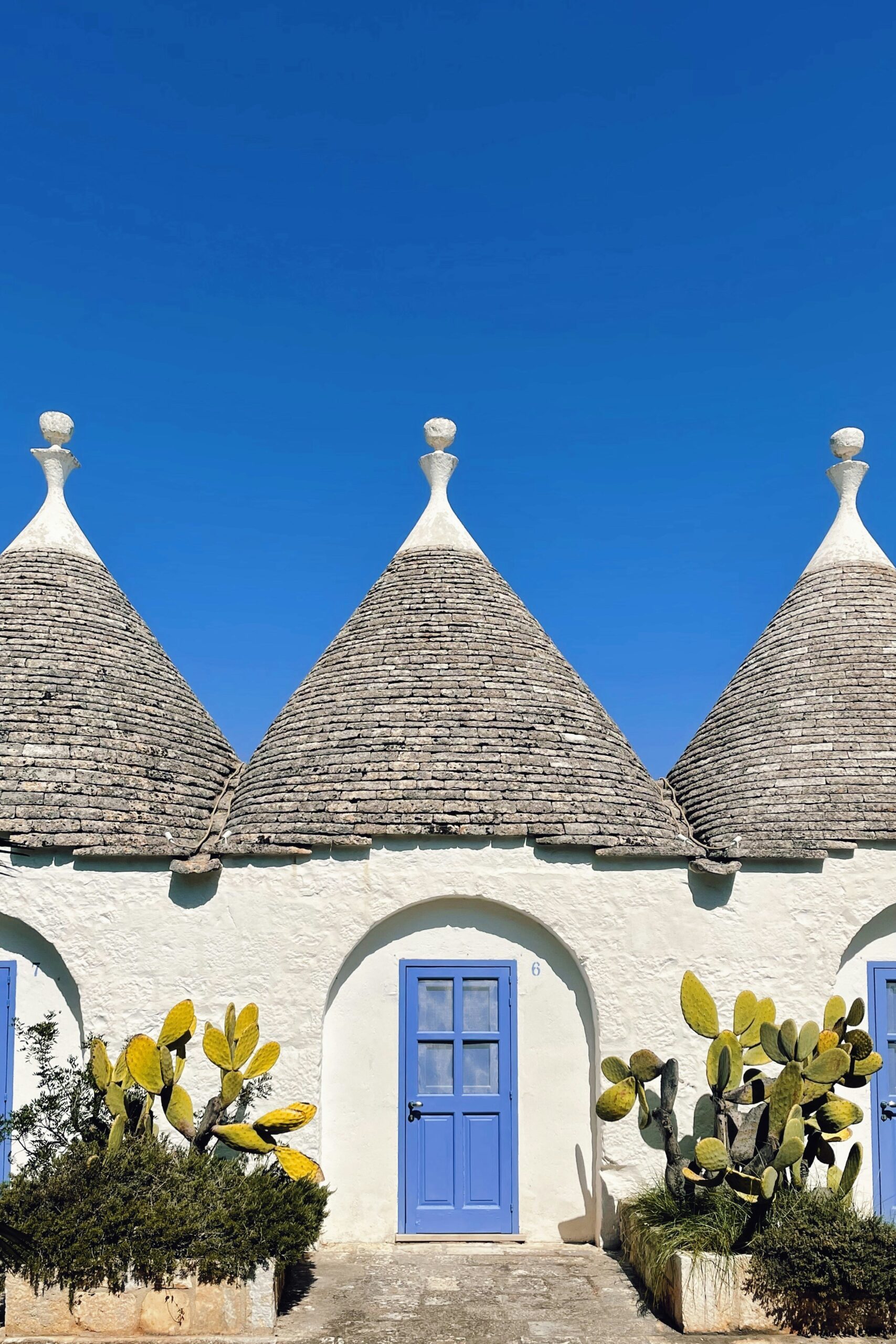
Holiday Home & Villa Booking
Discover your perfect home in Apulia with ApuliaBella. We handpick every trullo, villa, apartment, and masseria to ensure comfort, authenticity, and unforgettable charm. Whether it’s a romantic getaway, a family holiday, or a group escape, we match you with a property that fits your style, group size, and budget. Booking is simple and stress-free — we handle all details so you can focus on enjoying your holiday. With ApuliaBella, your dream Apulian stay is just a few clicks away.
On-Site Guest Support
Enjoy your Apulia holiday without a single worry with ApuliaBella’s On-Site Guest Support. From the moment you arrive, our local team welcomes you personally, guides you through your accommodation, and ensures everything is perfectly prepared. Need tips for the best beaches, restaurants, or hidden gems? We provide insider knowledge tailored to your interests. Should any questions or small issues arise, we’re just a call away — discreet, reliable, and ready to assist. With ApuliaBella, your stay is seamless, stress-free, and completely focused on relaxation and enjoyment.
Services for Property Owners
Maximize your property’s potential with ApuliaBella. We handle everything — from professional marketing and guest communication to booking management and on-site coordination. Our team ensures your home is presented beautifully, booked efficiently, and maintained to the highest standards. With personalized strategies, we help you attract the right guests while reducing your workload. Trust ApuliaBella to manage your property professionally, giving you peace of mind and satisfied guests every time.
We are the Apulia Experts for Travelers
At ApuliaBella, we are your English-speaking experts for discovering the magic of Apulia. We handpick authentic holiday homes, trulli, villas, and masserie to ensure every stay is comfortable, unique, and unforgettable. Our team lives and breathes Apulia — from its sun-soaked beaches and historic towns to hidden villages and countryside escapes.
We guide you personally from booking to arrival, providing insider tips, local knowledge, and on-site support. Whether you are planning a romantic getaway, a family holiday, or a group adventure, ApuliaBella turns your travel dreams into reality. We are passionate about making every stay effortless, enjoyable, and authentically Apulian. With ApuliaBella, your Apulia experience begins before you even pack your bags.
Places in Apulia:
Acquaviva delle Fonti, Accadia, Adelfia, Alberobello, Alberona, Altamura, Anzano di Puglia, Andria, Apricena, Ascoli Satriano, Avetrana, Bari, Barletta, Binetto, Biccari, Bitetto, Bitonto, Bitritto, Bisceglie, Bovino, Brindisi, Cagnano Varano, Candela, Canosa di Puglia, Carapelle, Carlantino, Carpino, Carosino, Carovigno, Casamassima, Casarano, Casalnuovo Monterotaro, Casalvecchio di Puglia, Castellana Grotte, Castellaneta, Castelluccio dei Sauri, Castelluccio Valmaggiore, Castelnuovo della Daunia, Cellamare, Celle di San Vito, Celenza Valfortore, Cellino San Marco, Ceglie Messapica, Cerignola, Chieuti, Cisternino, Corato, Copertino, Crispiano, Deliceto, Erchie, Faggiano, Fasano, Faeto, Foggia, Francavilla Fontana, Galatina, Galatone, Gallipoli, Gioia del Colle, Ginosa, Giovinazzo, Grottaglie, Gravina in Puglia, Grumo Appula, Ischitella, Isole Tremiti, Laterza, Latiano, Lecce, Leverano, Leporano, Lesina, Lizzano, Lizzanello, Locorotondo, Lucera, Maglie, Manduria, Manfredonia, Margherita di Savoia, Martina Franca, Maruggio, Massafra, Mattinata, Mesagne, Molfetta, Modugno, Monopoli, Monte Sant’Angelo, Montemesola, Monteiasi, Monteparano, Monteroni di Lecce, Monteleone di Puglia, Mottola, Motta Montecorvino, Nardò, Noci, Noicàttaro, Ordona, Oria, Orta Nova, Ostuni, Palagiano, Palagianello, Palo del Colle, Panni, Peschici, Pietramontecorvino, Poggiorsini, Polignano a Mare, Pulsano, Putignano, Rignano Garganico, Rodi Garganico, Roccaforzata, Roseto Valfortore, Ruvo di Puglia, Rutigliano, Sannicandro di Bari, Sannicandro Garganico, Sammichele di Bari, San Donaci, San Ferdinando di Puglia, San Giorgio Ionico, San Giovanni Rotondo, San Marzano di San Giuseppe, San Marco in Lamis, San Marco la Catola, San Michele Salentino, San Nicandro Garganico, San Paolo di Civitate, San Pancrazio Salentino, San Pietro Vernotico, Santeramo in Colle, Sava, Serracapriola, Spinazzola, Statte, Stornara, Stornarella, Surbo, Tarent, Taviano, Terlizzi, Trani, Tricase, Triggiano, Trinitapoli, Trepuzzi, Toritto, Torremaggiore, Torre Santa Susanna, Torricella, Torchiarolo, Turi, Ugento, Valenzano, Veglie, Vico del Gargano, Vieste, Villa Castelli, Volturara Appula, Volturino, Zapponeta