
Cerignola in Apulia
Welcome to Cerignola: The Giant of the Tavoliere and the Crossroads of History
In the vast, golden expanse of the Tavoliere delle Puglie—the largest plain in Southern Italy—stands a city of monumental proportions and untamed spirit. Cerignola is not merely a town; it is a force of nature. At ApuliaBella, we describe Cerignola as the “Agricultural Titan” of Apulia. This is a land where the horizon is defined by infinite fields of wheat and the silver shimmer of the largest olive groves in the world. It is a city of “giants,” from its towering cathedral to the legendary stature of its historical figures.
As your dedicated ApuliaBella travel advisor, we invite you to discover a destination that balances the grit of agrarian life with the grandeur of Italian history. Cerignola is a city of the “Piano delle Fosse”—where the earth itself was used to store the golden grain of the empire—and a place where one of the most decisive battles of European history was fought. Whether you are a food lover seeking the world-famous Bella di Cerignola olive or a history enthusiast tracing the paths of the Spanish and French armies, ApuliaBella is here to guide you through the wide avenues and ancient secrets of this sun-drenched powerhouse.
The Battle and the Bounty: A History of Strategy and Soil
The history of Cerignola is a narrative of resilience and strategic importance. Known in Roman times as Cerina, the city sat squarely on the Via Traiana, the vital artery connecting Rome to the East. However, the name Cerignola was etched into the annals of global history on April 28, 1503. It was here that the Battle of Cerignola took place—a conflict often cited as the first battle in history won through the use of gunpowder and small arms, marking the end of the age of chivalry and the beginning of modern warfare.
When you walk the historic streets with ApuliaBella, we tell the story of a city that has always been at the center of the action. From the feudal rule of the Pignatelli family to its rise as a center for social and labor reform in the 20th century, Cerignola has always been a place of strong convictions. At ApuliaBella, we find the social history of Cerignola particularly fascinating; it is the birthplace of Giuseppe Di Vittorio, the father of the Italian labor movement. We help you trace this lineage from the ancient Roman milestones to the massive agricultural estates that still drive the economy of the region today.
The Duomo Tonti: The Cathedral of the Plains
The skyline of Cerignola is dominated by a structure so vast it seems impossible for a town of its size: the Duomo Tonti (The Cathedral of St. Peter the Apostle). Built in the 19th century thanks to a massive bequest from Paolo Tonti, this neo-Gothic masterpiece is one of the largest churches in Southern Italy.
As your ApuliaBella travel guide, we consider the Duomo a must-see for its sheer architectural audacity. Its copper dome can be seen from miles across the flat Tavoliere, serving as a beacon for travelers. Inside, the play of light through the stained-glass windows creates a celestial atmosphere that rivals the great cathedrals of Northern Europe. At ApuliaBella, we love the story behind its construction—a local citizen’s dream to give his city a monument that reflected its agricultural wealth. It is a cathedral built on wheat, a symbol of the town’s prosperity and faith.
Piano delle Fosse del Grano: The Subterranean Granary
The most unique and historically significant site in Cerignola is the Piano delle Fosse. This is the last remaining example in the world of an ancient method of grain storage. In a vast square near the historic center, hundreds of “fosse” (deep pits) are dug directly into the limestone soil and lined with straw and wood.
We at ApuliaBella believe the Piano delle Fosse is the true “museum of the earth.” For centuries, these pits stored the harvest of the Tavoliere, protected from pests and weather by the natural insulation of the ground. As your ApuliaBella travel guide, we suggest walking through this area at dusk. Seeing the circular stone lids of the pits stretching across the square is a haunting reminder of the city’s identity as the “Granary of Italy.” At ApuliaBella, we value these sites that tell the raw, unvarnished story of human labor and survival.
The Church of B.V. Maria di Ripalta: The Guardian of the Fields
Every city in Apulia has its protector, and for Cerignola, it is the Madonna di Ripalta. Her sanctuary, located on a steep bank (ripa) overlooking the Ofanto River, is a place of deep pilgrimage.
Your ApuliaBella travel guide recommends visiting during the traditional “Transumanza” of the icon. Twice a year, the painting of the Madonna is carried between her rural sanctuary and the city cathedral. At ApuliaBella, we find this connection between the city and the river valley to be the pulse of local life. The sanctuary itself offers a rare “vertical” view in an otherwise flat landscape, providing a moment of green serenity and spiritual reflection.
Teatro Mercadante: The Cultural Heart
Reflecting the city’s 19th-century wealth, the Teatro Mercadante is a temple to the arts. This elegant theater has hosted the greatest opera singers and actors in Italy, proving that the “Giant of the Tavoliere” has a soul as refined as its soil is fertile.
At ApuliaBella, we encourage you to check the seasonal schedule. Attending a performance here is a wonderful way to experience the sophisticated side of Cerignola. The gilded tiers and velvet seats take you back to an era when the local landowners celebrated the harvest with music and drama. As your ApuliaBella travel guide, we see the Mercadante as the jewel in the crown of Cerignola’s urban architecture—a place where the grit of the fields meets the grace of the stage.
Culinary Specialties: The Giants of the Table
The cuisine in Cerignola is defined by the “Bella di Cerignola”—the largest table olive in the world. But the flavors here go far beyond the olive grove, rooted in the incredible variety of the Tavoliere’s harvest. At ApuliaBella, we know that eating here is an epic experience.
La Bella di Cerignola: These massive green olives are famous for their firm, meaty flesh and mild, buttery flavor. They are a protected DOP product and a global icon of Apulia.
Orecchiette with “Cime di Rapa” and Burnt Grain: Cerignola is a center for grano arso (burnt grain), a traditional flour made from the toasted kernels left after the stubble burning of the fields.
Focaccia Cerignolana: Thicker than the version from Bari, often topped with local olives and juicy tomatoes from the Tavoliere.
Muss’ e Murticello: A traditional peasant dish of boiled veal snout and offal, seasoned with lemon and salt—a true taste of the city’s rugged history.
Wine “Rosso di Cerignola”: A robust, deep red wine made primarily from the Uva di Troia grape, perfectly suited to the city’s intense flavors.
Scarcelle: Traditional Easter sweets, often shaped like baskets or hearts, decorated with hard-boiled eggs.
As your ApuliaBella travel guide, we can lead you to the historic “botteghe” where you can buy the olives directly from the producers, ensuring you take a piece of the Tavoliere home with you.
Insider Tip: The “Street of the Milestones”
Here is an ApuliaBella insider tip: Many visitors miss the ancient Roman milestones of the Via Traiana that are scattered throughout the city and its outskirts.
Our ApuliaBella recommendation is to take a drive along the old “San Cassiano” road. You can still see the original Roman markers that told travelers how many miles remained until they reached the port of Brindisi. At ApuliaBella, we find these stones to be the most “grounded” connection to the past. They remind us that Cerignola has been a resting place for weary travelers for two thousand years. It’s a quiet, DIY archaeological tour that gives you a true sense of the city’s ancient importance.
Why Choose ApuliaBella for Your Cerignola Exploration?
Cerignola is a city of immense scale and deep social history. It requires a guide who can navigate both the grand neo-Gothic avenues and the rustic secrets of the grain pits.
Agricultural Heritage: ApuliaBella provides the deep history of the Tavoliere, connecting the food on your plate to the “Piano delle Fosse.”
Logistical Ease: As a major hub, we help you use Cerignola as a strategic base for exploring the nearby salt pans of Margherita di Savoia or the medieval heights of Canosa.
Authentic Flavors: We know the exact “Masserie” where you can experience a traditional harvest lunch, far from the tourist crowds.
Cerignola is the giant of the plains—a city of stone domes, golden pits, and the world’s most beautiful olives. It is where the hard work of the earth is transformed into the elegance of the spirit. Let ApuliaBella be your guide to the powerful heart of the Tavoliere.
Comprehensive Services for Guests
Holiday Home & Villa Booking
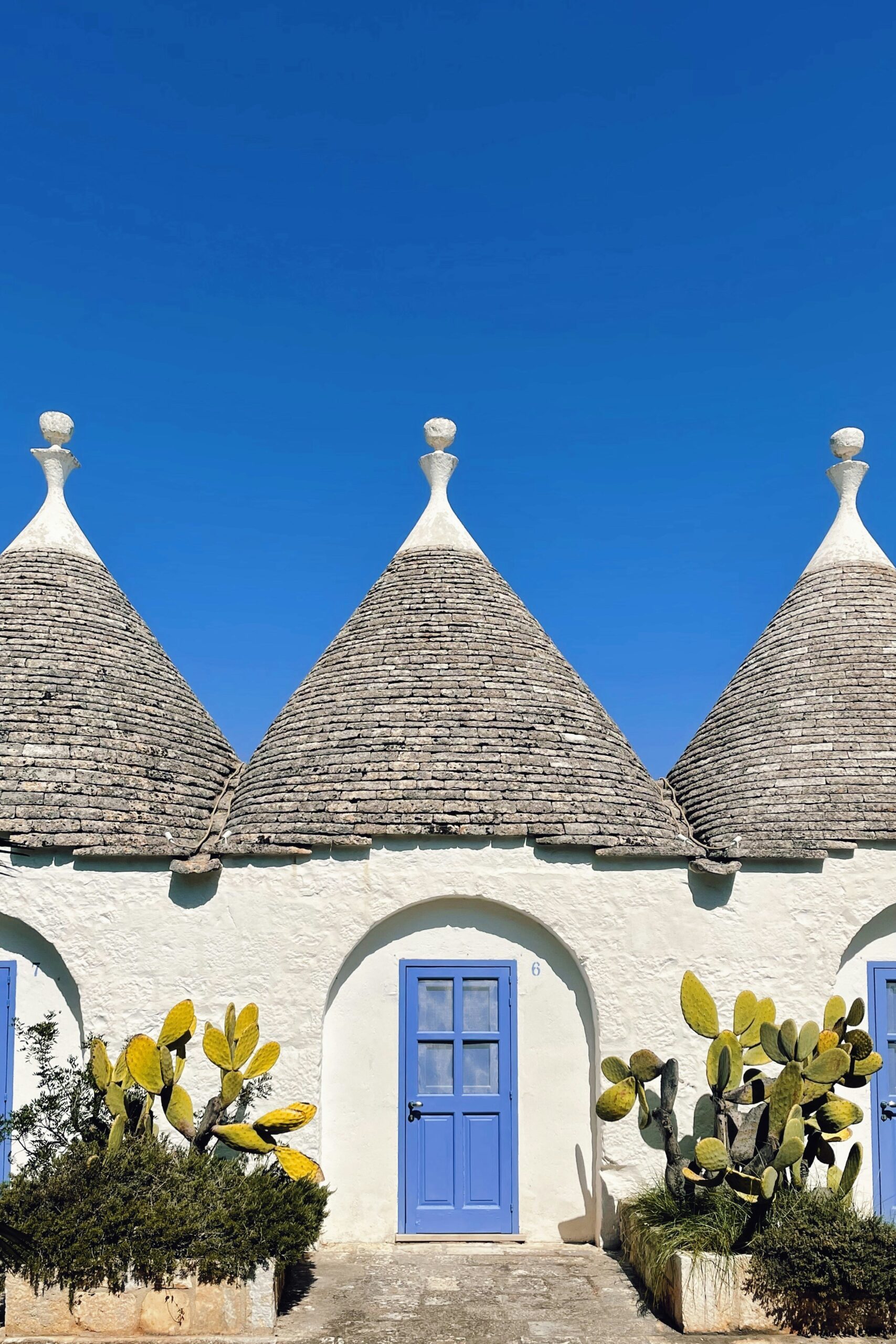
Discover your perfect home in Apulia with ApuliaBella. We handpick every trullo, villa, apartment, and masseria to ensure comfort, authenticity, and unforgettable charm. Whether it’s a romantic getaway, a family holiday, or a group escape, we match you with a property that fits your style, group size, and budget. Booking is simple and stress-free — we handle all details so you can focus on enjoying your holiday. With ApuliaBella, your dream Apulian stay is just a few clicks away.
On-Site Guest Support
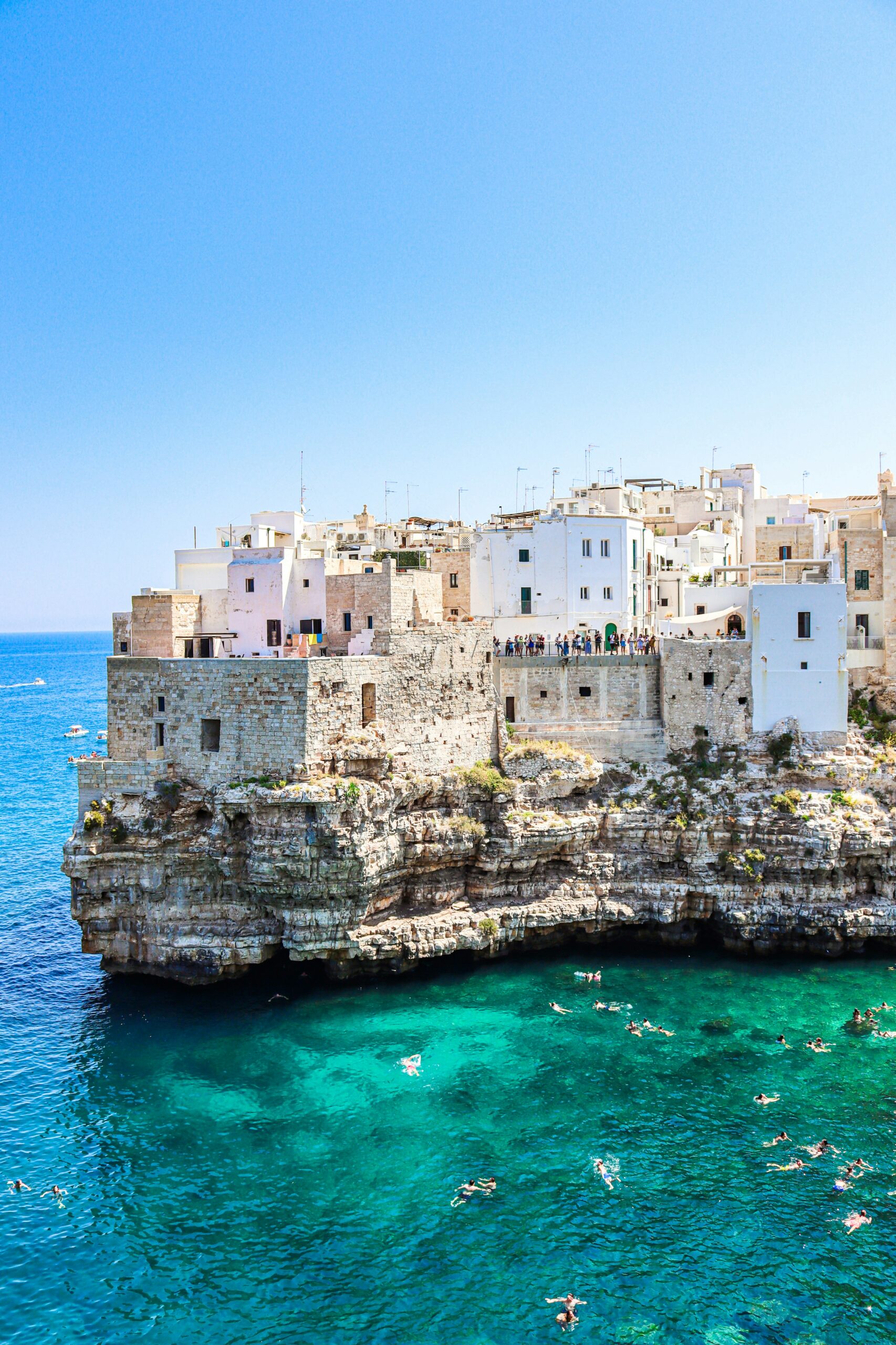
Enjoy your Apulia holiday without a single worry with ApuliaBella’s On-Site Guest Support. From the moment you arrive, our local team welcomes you personally, guides you through your accommodation, and ensures everything is perfectly prepared. Need tips for the best beaches, restaurants, or hidden gems? We provide insider knowledge tailored to your interests. Should any questions or small issues arise, we’re just a call away — discreet, reliable, and ready to assist. With ApuliaBella, your stay is seamless, stress-free, and completely focused on relaxation and enjoyment.
Services for Property Owners
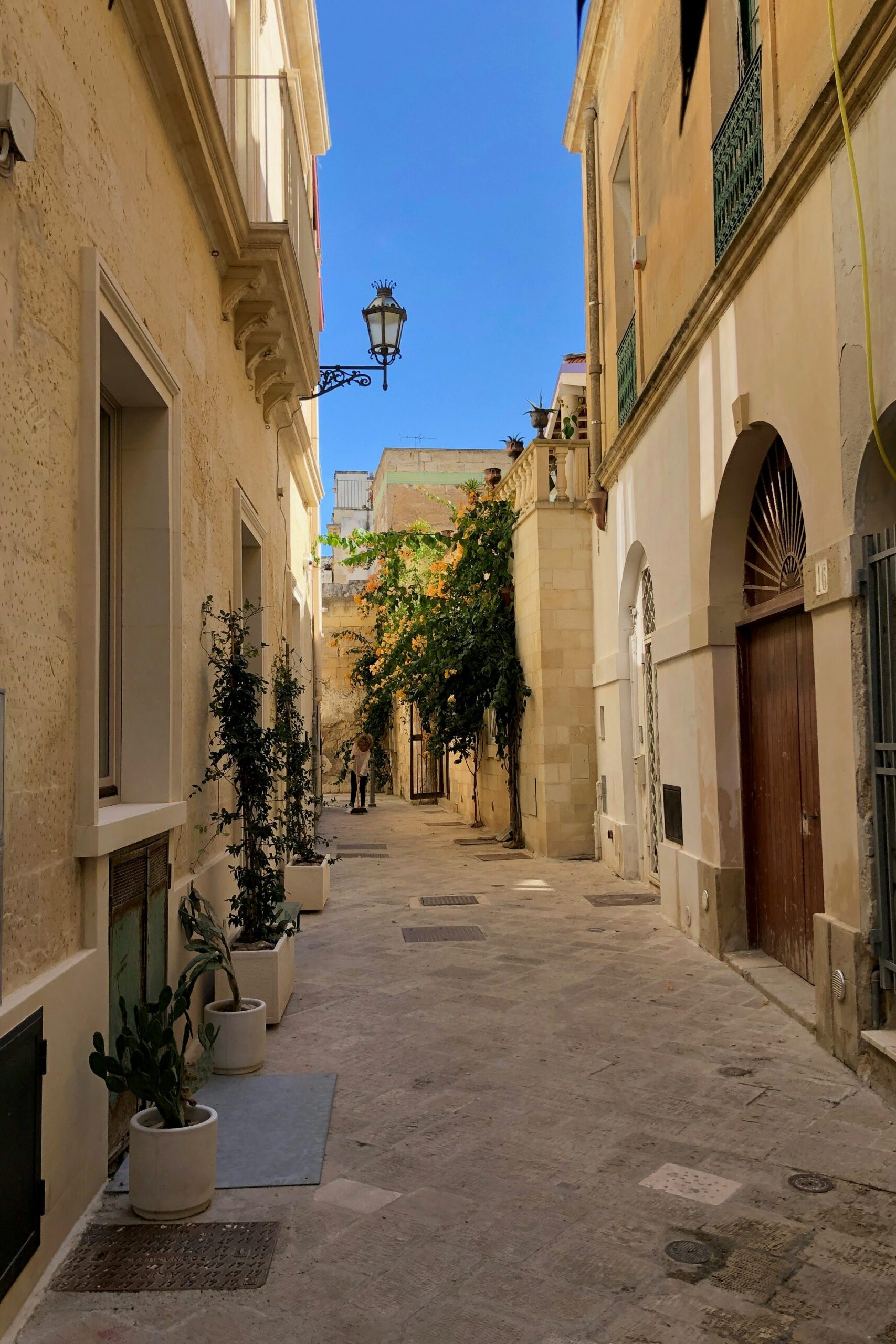
Maximize your property’s potential with ApuliaBella. We handle everything — from professional marketing and guest communication to booking management and on-site coordination. Our team ensures your home is presented beautifully, booked efficiently, and maintained to the highest standards. With personalized strategies, we help you attract the right guests while reducing your workload. Trust ApuliaBella to manage your property professionally, giving you peace of mind and satisfied guests every time.
We are the Apulia Experts for Travelers
At ApuliaBella, we are your English-speaking experts for discovering the magic of Apulia. We handpick authentic holiday homes, trulli, villas, and masserie to ensure every stay is comfortable, unique, and unforgettable. Our team lives and breathes Apulia — from its sun-soaked beaches and historic towns to hidden villages and countryside escapes.
We guide you personally from booking to arrival, providing insider tips, local knowledge, and on-site support. Whether you are planning a romantic getaway, a family holiday, or a group adventure, ApuliaBella turns your travel dreams into reality. We are passionate about making every stay effortless, enjoyable, and authentically Apulian. With ApuliaBella, your Apulia experience begins before you even pack your bags.
Places in Apulia:
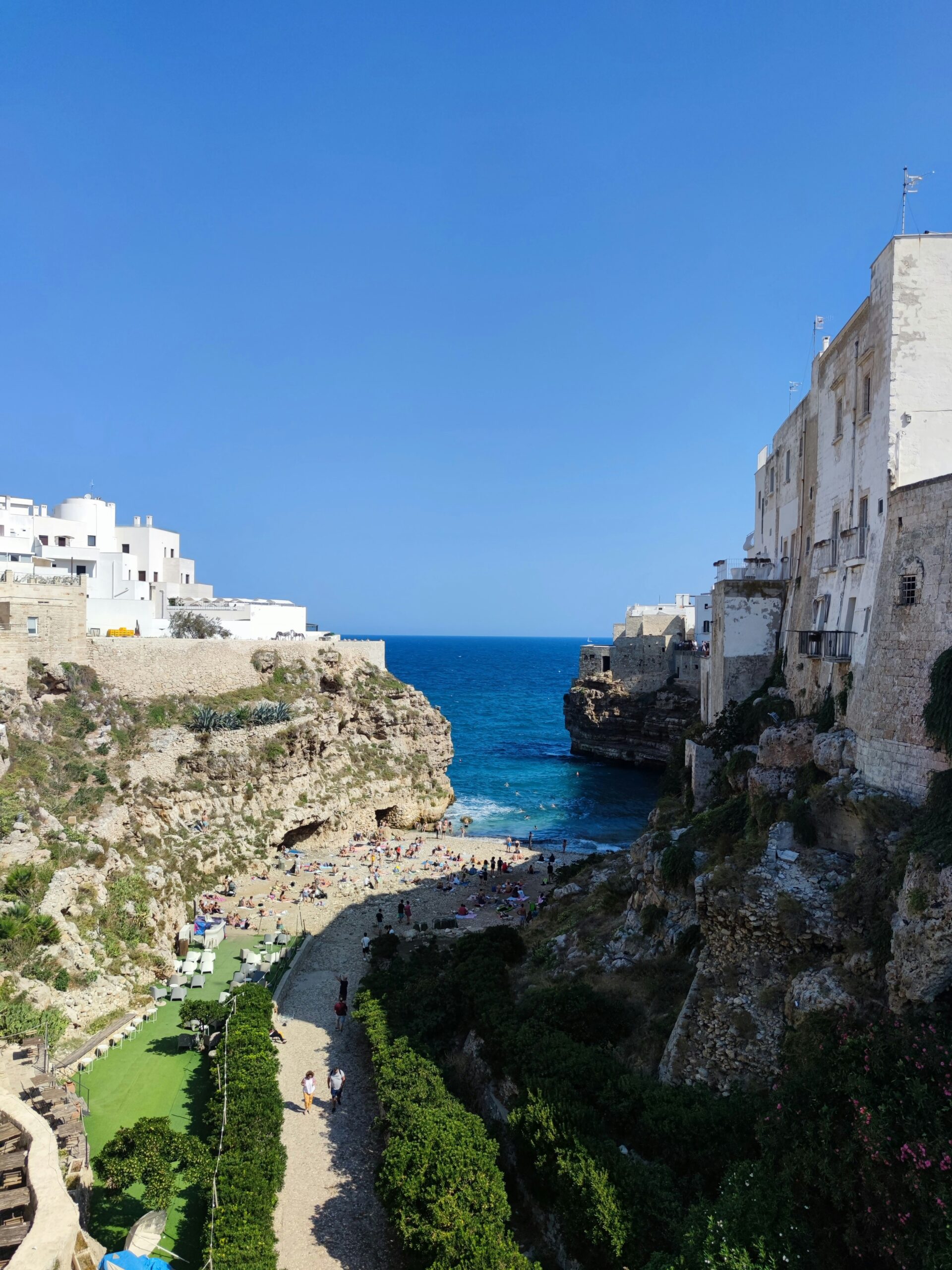
Acquaviva delle Fonti, Accadia, Adelfia, Alberobello, Alberona, Altamura, Anzano di Puglia, Andria, Apricena, Ascoli Satriano, Avetrana, Bari, Barletta, Binetto, Biccari, Bitetto, Bitonto, Bitritto, Bisceglie, Bovino, Brindisi, Cagnano Varano, Candela, Canosa di Puglia, Carapelle, Carlantino, Carpino, Carosino, Carovigno, Casamassima, Casarano, Casalnuovo Monterotaro, Casalvecchio di Puglia, Castellana Grotte, Castellaneta, Castelluccio dei Sauri, Castelluccio Valmaggiore, Castelnuovo della Daunia, Cellamare, Celle di San Vito, Celenza Valfortore, Cellino San Marco, Ceglie Messapica, Cerignola, Chieuti, Cisternino, Corato, Copertino, Crispiano, Deliceto, Erchie, Faggiano, Fasano, Faeto, Foggia, Francavilla Fontana, Galatina, Galatone, Gallipoli, Gioia del Colle, Ginosa, Giovinazzo, Grottaglie, Gravina in Puglia, Grumo Appula, Ischitella, Isole Tremiti, Laterza, Latiano, Lecce, Leverano, Leporano, Lesina, Lizzano, Lizzanello, Locorotondo, Lucera, Maglie, Manduria, Manfredonia, Margherita di Savoia, Martina Franca, Maruggio, Massafra, Mattinata, Mesagne, Molfetta, Modugno, Monopoli, Monte Sant’Angelo, Montemesola, Monteiasi, Monteparano, Monteroni di Lecce, Monteleone di Puglia, Mottola, Motta Montecorvino, Nardò, Noci, Noicàttaro, Ordona, Oria, Orta Nova, Ostuni, Palagiano, Palagianello, Palo del Colle, Panni, Peschici, Pietramontecorvino, Poggiorsini, Polignano a Mare, Pulsano, Putignano, Rignano Garganico, Rodi Garganico, Roccaforzata, Roseto Valfortore, Ruvo di Puglia, Rutigliano, Sannicandro di Bari, Sannicandro Garganico, Sammichele di Bari, San Donaci, San Ferdinando di Puglia, San Giorgio Ionico, San Giovanni Rotondo, San Marzano di San Giuseppe, San Marco in Lamis, San Marco la Catola, San Michele Salentino, San Nicandro Garganico, San Paolo di Civitate, San Pancrazio Salentino, San Pietro Vernotico, Santeramo in Colle, Sava, Serracapriola, Spinazzola, Statte, Stornara, Stornarella, Surbo, Tarent, Taviano, Terlizzi, Trani, Tricase, Triggiano, Trinitapoli, Trepuzzi, Toritto, Torremaggiore, Torre Santa Susanna, Torricella, Torchiarolo, Turi, Ugento, Valenzano, Veglie, Vico del Gargano, Vieste, Villa Castelli, Volturara Appula, Volturino, Zapponeta