
Brindisi in Apulia
Welcome to Brindisi: The Ancient Gateway to the Rising Sun
There is a specific kind of magic that belongs to port cities, a restless energy born from centuries of departures and arrivals. Brindisi, the “Door to the East,” is the embodiment of this spirit. For over two millennia, this city has been the final embrace of Italy for travelers, crusaders, and merchants bound for Greece, the Holy Land, and beyond. At ApuliaBella, we believe that Brindisi is often the most misunderstood city in the region. Many see it merely as a transit point, but those who linger find a city of monumental staircases, Roman columns that kiss the sky, and a harbor so perfectly shaped by nature that the ancients called it Brunda—the head of a stag.
As your dedicated ApuliaBella travel guide, we invite you to look past the modern ferries and discover a city that was once the end of the greatest road in the world. Brindisi is where the Via Appia reaches the sea, where Virgil drew his final breath, and where the Knights Templar sought blessing before sailing into history. Whether you are walking the palm-lined Lungomare or exploring the red-stone fortresses that guard the Adriatic, ApuliaBella is here to show you that Brindisi is not just a place you leave from—it is a destination where your true journey begins.
The Stag’s Head: A History of Empire and Elegance
To understand Brindisi, you must look at its harbor from above. The two natural inlets carve into the land like the antlers of a stag, providing a deep, sheltered sanctuary that made it the most important naval base of the Roman Empire. Brindisi was the launchpad for Rome’s expansion into the Balkans and the Levant. It was so vital that the Romans extended the Via Appia all the way from the capital to these very shores.
When you explore the city with ApuliaBella, we tell the story of a place that has been a cultural crossroads since the Messapians first settled here. It has survived the fall of Rome, the occupation of the Byzantines, the Normans, and even a brief period as the capital of the Kingdom of Italy during World War II. At ApuliaBella, we believe Brindisi’s resilience is its most attractive trait. It is a city that knows how to welcome the world, a trait reflected in the open, breezy architecture and the cosmopolitan warmth of its citizens. We help you navigate the layers of this history, from the Roman foundations to the Liberty-style palazzos of the 19th century.
The Roman Columns: The End of the World’s Greatest Road
The undisputed symbol of Brindisi is the twin Roman Columns. For centuries, two massive marble pillars stood at the top of a grand staircase overlooking the harbor, marking the definitive end of the Via Appia. Today, one complete column remains, standing as a lonely, majestic sentinel of the Roman world.
As your ApuliaBella travel guide, we recommend standing at the base of this column and looking out toward the horizon. It is a humbling experience to realize that you are standing at the exact point where millions of travelers throughout history have caught their first glimpse of the sea. Nearby, you will find the house where the poet Virgil is said to have died in 19 BC. At ApuliaBella, we consider this the “soul” of the city—a place of literature, history, and the eternal pull of the ocean.
The Castello Alfonsino: The Red Fortress of the Sea
Guarding the entrance to the outer harbor is the Castello Alfonsino, also known as the Castel Rosso due to the distinctive red hue of the stone used in its construction. Built in the 15th century on the island of Sant’Andrea, this fortification is a masterpiece of defensive coastal architecture, designed to protect the city from the ever-present threat of Ottoman invasions.
We at ApuliaBella find the “Red Castle” to be one of the most atmospheric sites in the region. It is actually a complex of two parts: the castle itself and a separate fortified port. As your ApuliaBella travel guide, we can arrange for boat tours that take you around the island, offering a unique perspective on the bastions and the intricate water-gate. At ApuliaBella, we believe the best time to see the castle is at sunset, when the red stone glows with an almost supernatural intensity against the darkening blue of the Adriatic.
The Church of San Giovanni al Sepolcro: A Templar Mystery
Hidden within the winding streets of the old center is the Church of San Giovanni al Sepolcro. This circular, 11th-century building is a rare and beautiful example of a church modeled after the Holy Sepulchre in Jerusalem. Its architecture, featuring a ring of ancient columns and remnants of Byzantine frescoes, speaks directly to Brindisi’s role as the primary departure point for the Crusades.
Your ApuliaBella travel guide considers this church a “must-see” for anyone interested in the Knights Templar and medieval mysticism. The silence inside is heavy with history. At ApuliaBella, we encourage our guests to look for the carvings of mythical beasts and floral motifs on the portal—symbols meant to protect and inspire the knights before their perilous voyage. It is a small, quiet space that perfectly captures the spiritual gravity of medieval Brindisi.
The Lungomare Regina Margherita: The City’s Waterfront Living Room
The Lungomare is the heart of social life in Brindisi. This wide, elegant promenade is lined with towering palm trees, historic streetlights, and a parade of cafes and restaurants. It is here that the city comes to see and be seen during the evening passeggiata.
At ApuliaBella, we love the “theatrical” quality of the Lungomare. On one side, you have the grand facades of the city’s noble buildings; on the other, the masts of sailboats and the distant silhouette of the Swabian Castle. Your ApuliaBella travel guide suggests taking a seat at one of the cafes to enjoy a “Caffè in ghiaccio con latte di mandorla” (iced coffee with almond milk), a local specialty. It is the perfect vantage point to watch the ebb and flow of the harbor, which remains as active today as it was in the time of the Caesars.
The Castello Svevo: Frederick II’s Inland Fortress
While the Red Castle guards the sea, the Castello Svevo (Swabian Castle) guards the city itself. Built by the Emperor Frederick II in 1227, this massive square fortress was constructed using materials from ancient Roman monuments. It has served as a royal residence, a naval command center, and a prison.
We at ApuliaBella are fascinated by the sheer power of this building. Its thick walls and deep moat are a reminder of the turbulent medieval politics of the region. While the castle is currently used by the Italian Navy and is not always open for full interior tours, the exterior bastions are a sight to behold. As your ApuliaBella travel guide, we point out the “reused” Roman stones in the masonry—a classic example of how the medieval world literally built itself on top of the ancient one.
Culinary Specialties of Brindisi: The Harvest of the Sea and the Vine
Brindisi’s cuisine is a vibrant, salt-tinged celebration of the Adriatic. It is a kitchen of “land and sea,” where the fresh catch of the day meets the robust produce of the Salento plains. At ApuliaBella, we believe that dining in Brindisi is an act of discovery.
Orecchiette con le Cime di Rapa: While regional, Brindisi’s version often includes a touch of toasted breadcrumbs and local anchovies, providing a savory depth.
Cozze alla Brindisina: Local mussels are famous for their size and flavor. They are often served stuffed with breadcrumbs, parsley, and garlic, or in a rich tomato and white wine broth.
Schiumone: A traditional semi-frozen dessert (spumone) that is light and airy, often flavored with chocolate, hazelnut, and candied fruit.
Pesce Spada alla Brindisina: Swordfish steaks cooked with cherry tomatoes, capers, and the small, intensely flavored olives of the region.
Vino Brindisi DOC: The local wine, primarily made from Negroamaro grapes, is dark, velvety, and redolent of berries and spice. It is the perfect companion to a sunset meal on the harbor.
The Insider Tip: The Ferry Across the Antlers
Here is an ApuliaBella insider tip: You don’t need a private yacht to experience the beauty of Brindisi’s harbor. For just a small fare, you can hop on the local “Motobarca,” the small ferry that connects the two sides of the harbor (the center and the Casale district).
Our ApuliaBella recommendation is to take the ferry at dusk. As the boat moves across the water, the city lights begin to sparkle, and you get an unrivaled view of the Roman Column and the Virgil Staircase from the sea. It only takes a few minutes, but it provides that essential perspective of Brindisi as a maritime power. It’s a simple local ritual that makes you feel like a resident, not just a tourist.
The Monument to the Sailor: A Climb to the Clouds
Located in the Casale district, across the water from the historic center, is the Monumento al Marinaio d’Italia. Built in the 1930s in the shape of a massive ship’s rudder, this 53-meter tall monument commemorates the sailors who died during World War I.
Your ApuliaBella travel guide suggests taking the elevator (or the stairs if you’re feeling adventurous) to the top. The view is arguably the best in the city, offering a panoramic sweep of the stag-head harbor, the red castle, and the sprawling old town. Behind the monument, there is a quiet park where locals walk their dogs and enjoy the breeze. At ApuliaBella, we consider this the perfect “breathing space” in your itinerary, a place to reflect on the city’s long and often poignant relationship with the sea.
The Archeological Museum “Francesco Ribezzo”
For those who want to see the physical evidence of Brindisi’s 2,500-year history, the MAPRI (Museo Archeologico Provinciale Ribezzo) is a treasure trove. It houses an incredible collection of bronze statues recovered from the seabed of the harbor, Roman mosaics, and Messapian pottery.
At ApuliaBella, we find the underwater finds particularly fascinating. They remind us that the harbor of Brindisi is a giant time capsule. As your ApuliaBella travel guide, we highlight the “Bronzi di Punta del Serrone”—fragments of statues that were lost during a shipwreck and lay on the ocean floor for centuries. This museum is the key to unlocking the visual language of the city’s ancient past.
Why Choose ApuliaBella for Your Brindisi Exploration?
Brindisi is a city of layers, where the ancient and the modern collide in the spray of the Adriatic. It is a city that requires an expert hand to reveal its hidden charms.
Expert Cultural Insight: We provide the historical context that turns a “walk in the park” into a journey through the Roman Empire.
Authentic Living: ApuliaBella selects the best accommodations, from luxury harbor-front hotels to boutique stays in renovated historic palazzos.
Seamless Logistics: Whether you are arriving by plane at the Brindisi-Papola Casale airport or by ferry, ApuliaBella ensures your transitions are smooth and your itinerary is maximized.
Brindisi is the gateway to the east, the end of the road, and the beginning of the sea. It is a city of columns and fortresses, of sailors and poets. Let ApuliaBella lead you through the Stag’s Head to find the heart of the Adriatic.
Comprehensive Services for Guests
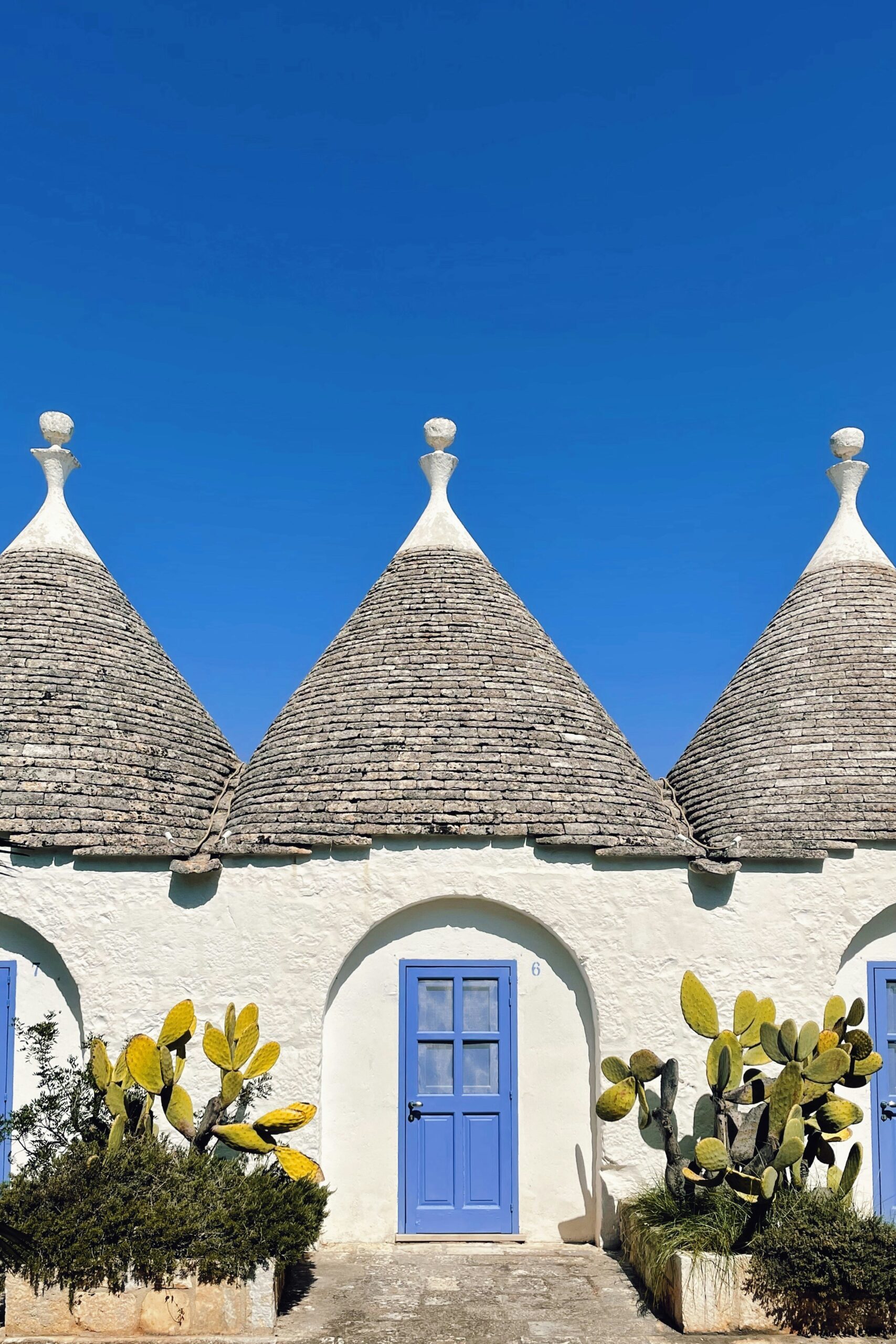
Holiday Home & Villa Booking
Discover your perfect home in Apulia with ApuliaBella. We handpick every trullo, villa, apartment, and masseria to ensure comfort, authenticity, and unforgettable charm. Whether it’s a romantic getaway, a family holiday, or a group escape, we match you with a property that fits your style, group size, and budget. Booking is simple and stress-free — we handle all details so you can focus on enjoying your holiday. With ApuliaBella, your dream Apulian stay is just a few clicks away.
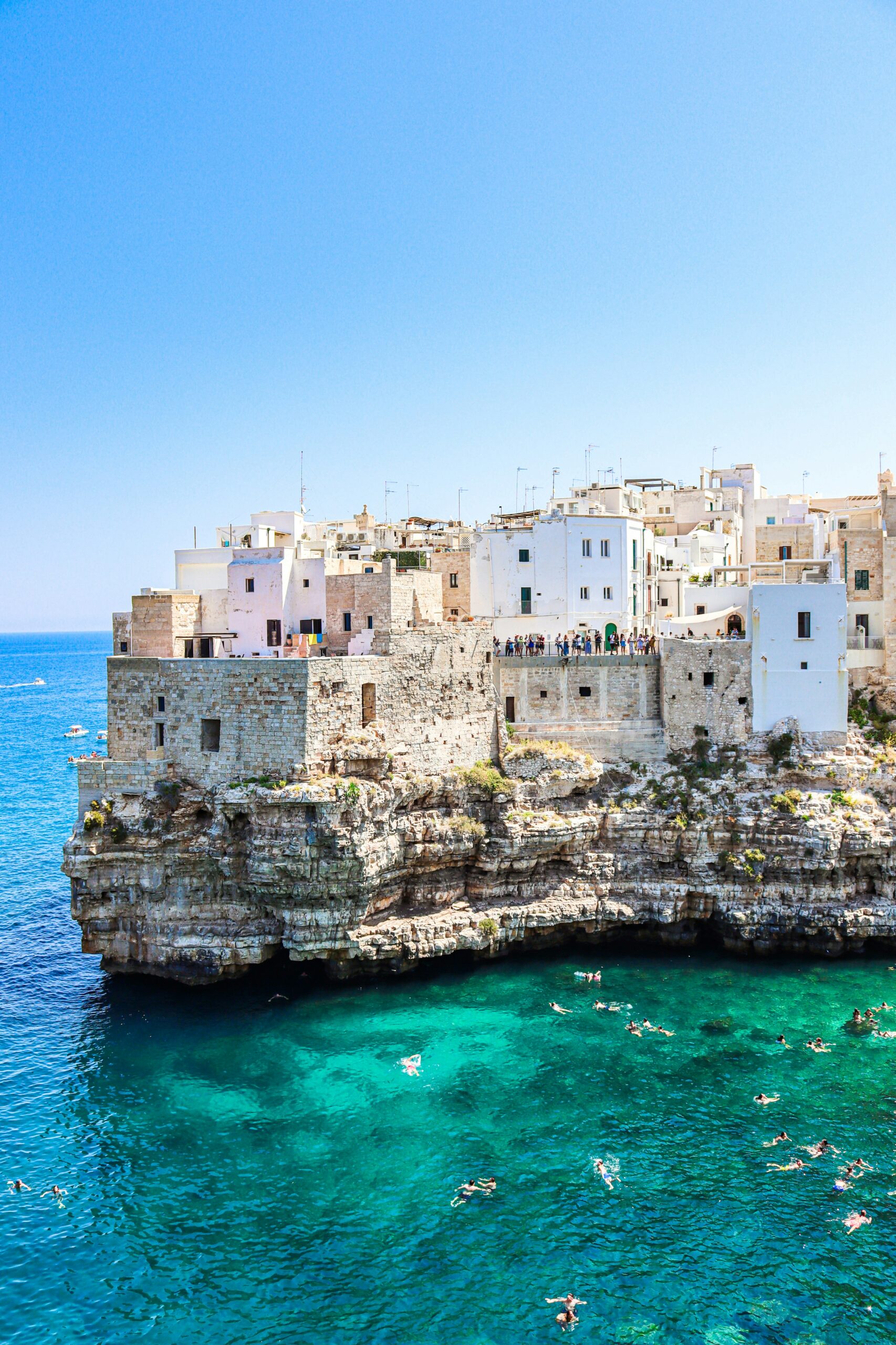
On-Site Guest Support
Enjoy your Apulia holiday without a single worry with ApuliaBella’s On-Site Guest Support. From the moment you arrive, our local team welcomes you personally, guides you through your accommodation, and ensures everything is perfectly prepared. Need tips for the best beaches, restaurants, or hidden gems? We provide insider knowledge tailored to your interests. Should any questions or small issues arise, we’re just a call away — discreet, reliable, and ready to assist. With ApuliaBella, your stay is seamless, stress-free, and completely focused on relaxation and enjoyment.
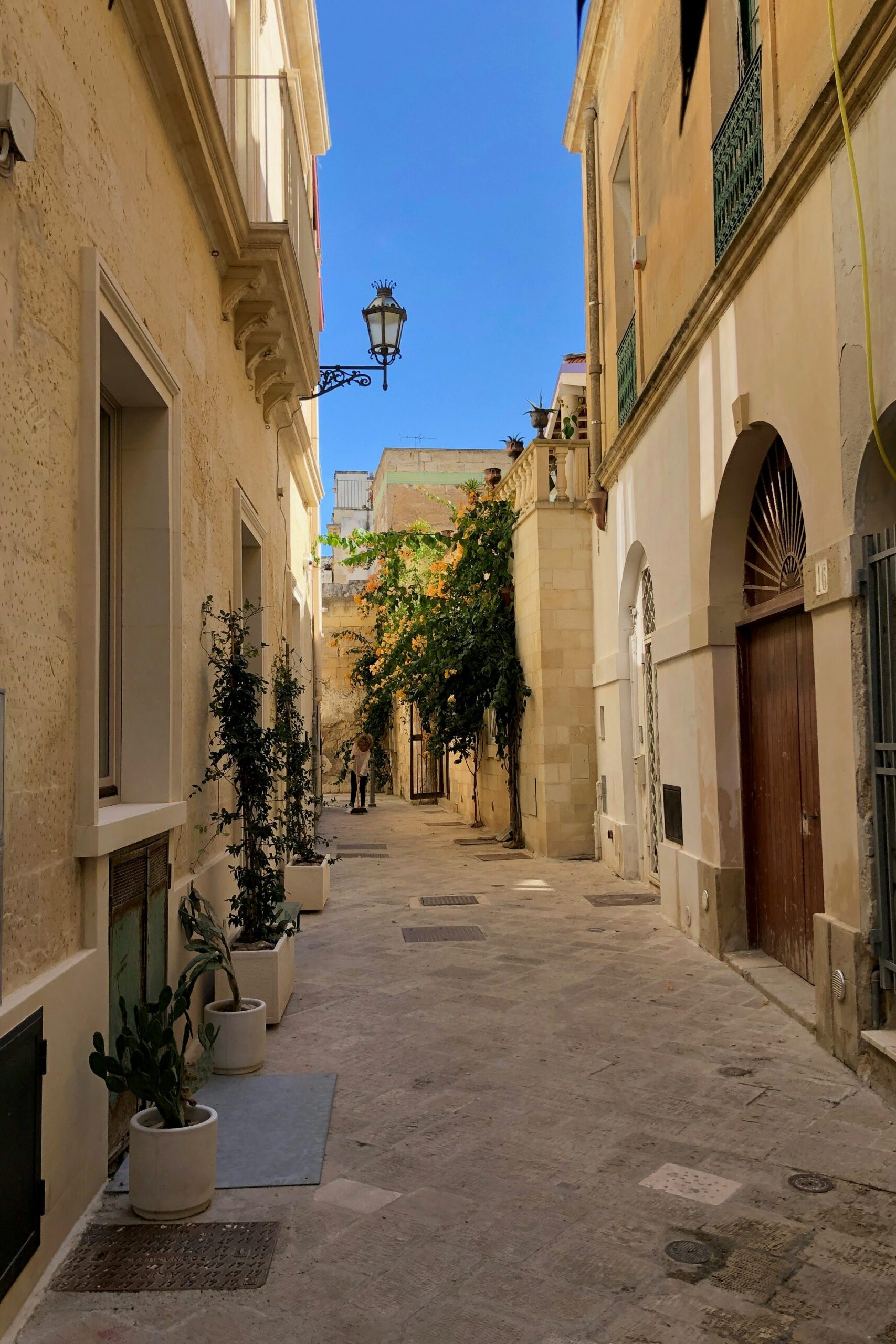
Services for Property Owners
Maximize your property’s potential with ApuliaBella. We handle everything — from professional marketing and guest communication to booking management and on-site coordination. Our team ensures your home is presented beautifully, booked efficiently, and maintained to the highest standards. With personalized strategies, we help you attract the right guests while reducing your workload. Trust ApuliaBella to manage your property professionally, giving you peace of mind and satisfied guests every time.
We are the Apulia Experts for Travelers
At ApuliaBella, we are your English-speaking experts for discovering the magic of Apulia. We handpick authentic holiday homes, trulli, villas, and masserie to ensure every stay is comfortable, unique, and unforgettable. Our team lives and breathes Apulia — from its sun-soaked beaches and historic towns to hidden villages and countryside escapes.
We guide you personally from booking to arrival, providing insider tips, local knowledge, and on-site support. Whether you are planning a romantic getaway, a family holiday, or a group adventure, ApuliaBella turns your travel dreams into reality. We are passionate about making every stay effortless, enjoyable, and authentically Apulian. With ApuliaBella, your Apulia experience begins before you even pack your bags.
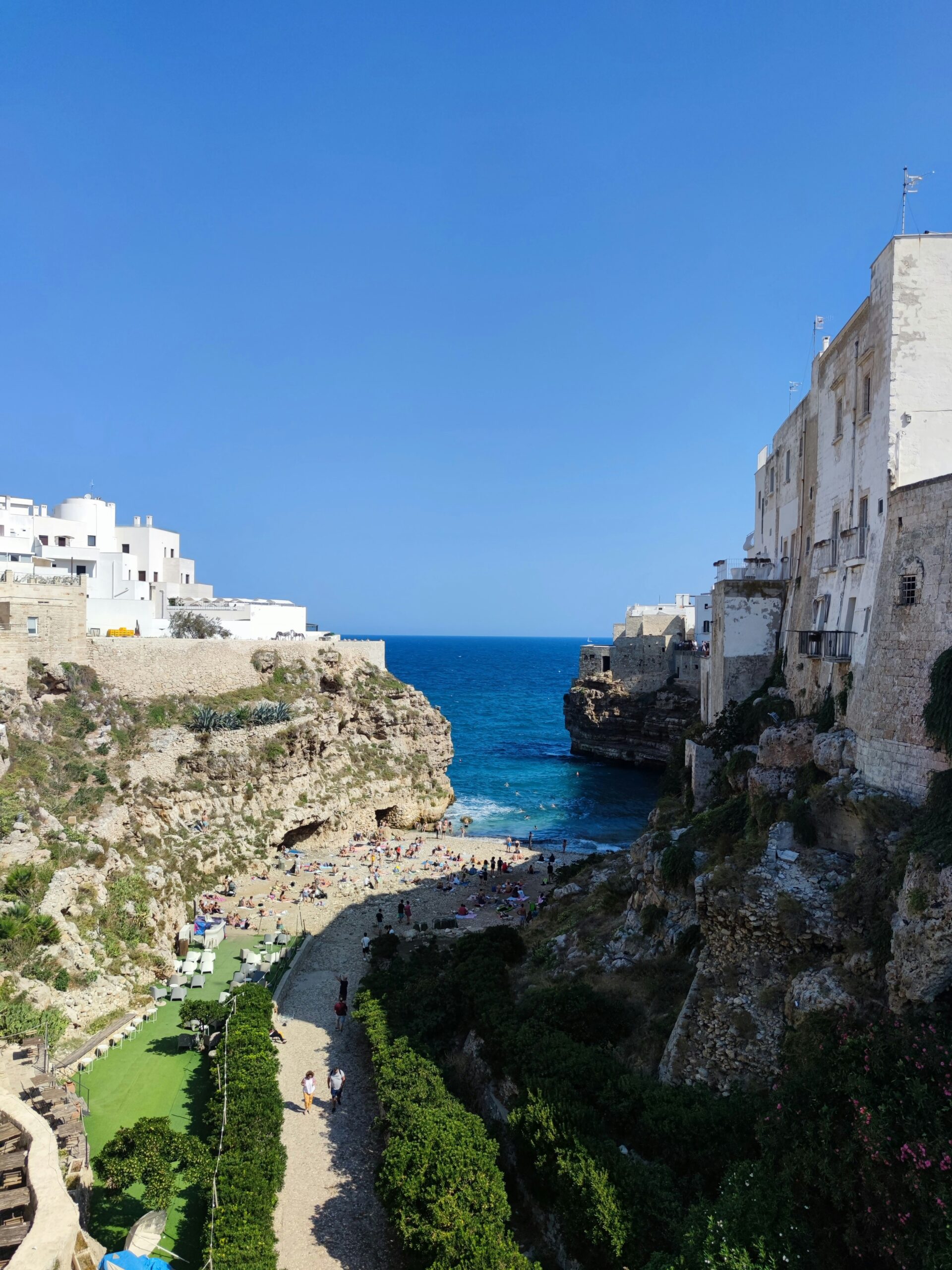
Places in Apulia:
Acquaviva delle Fonti, Accadia, Adelfia, Alberobello, Alberona, Altamura, Anzano di Puglia, Andria, Apricena, Ascoli Satriano, Avetrana, Bari, Barletta, Binetto, Biccari, Bitetto, Bitonto, Bitritto, Bisceglie, Bovino, Brindisi, Cagnano Varano, Candela, Canosa di Puglia, Carapelle, Carlantino, Carpino, Carosino, Carovigno, Casamassima, Casarano, Casalnuovo Monterotaro, Casalvecchio di Puglia, Castellana Grotte, Castellaneta, Castelluccio dei Sauri, Castelluccio Valmaggiore, Castelnuovo della Daunia, Cellamare, Celle di San Vito, Celenza Valfortore, Cellino San Marco, Ceglie Messapica, Cerignola, Chieuti, Cisternino, Corato, Copertino, Crispiano, Deliceto, Erchie, Faggiano, Fasano, Faeto, Foggia, Francavilla Fontana, Galatina, Galatone, Gallipoli, Gioia del Colle, Ginosa, Giovinazzo, Grottaglie, Gravina in Puglia, Grumo Appula, Ischitella, Isole Tremiti, Laterza, Latiano, Lecce, Leverano, Leporano, Lesina, Lizzano, Lizzanello, Locorotondo, Lucera, Maglie, Manduria, Manfredonia, Margherita di Savoia, Martina Franca, Maruggio, Massafra, Mattinata, Mesagne, Molfetta, Modugno, Monopoli, Monte Sant’Angelo, Montemesola, Monteiasi, Monteparano, Monteroni di Lecce, Monteleone di Puglia, Mottola, Motta Montecorvino, Nardò, Noci, Noicàttaro, Ordona, Oria, Orta Nova, Ostuni, Palagiano, Palagianello, Palo del Colle, Panni, Peschici, Pietramontecorvino, Poggiorsini, Polignano a Mare, Pulsano, Putignano, Rignano Garganico, Rodi Garganico, Roccaforzata, Roseto Valfortore, Ruvo di Puglia, Rutigliano, Sannicandro di Bari, Sannicandro Garganico, Sammichele di Bari, San Donaci, San Ferdinando di Puglia, San Giorgio Ionico, San Giovanni Rotondo, San Marzano di San Giuseppe, San Marco in Lamis, San Marco la Catola, San Michele Salentino, San Nicandro Garganico, San Paolo di Civitate, San Pancrazio Salentino, San Pietro Vernotico, Santeramo in Colle, Sava, Serracapriola, Spinazzola, Statte, Stornara, Stornarella, Surbo, Tarent, Taviano, Terlizzi, Trani, Tricase, Triggiano, Trinitapoli, Trepuzzi, Toritto, Torremaggiore, Torre Santa Susanna, Torricella, Torchiarolo, Turi, Ugento, Valenzano, Veglie, Vico del Gargano, Vieste, Villa Castelli, Volturara Appula, Volturino, Zapponeta