
Carapelle in Apulia
Welcome to Carapelle: The Reborn Heart of the Tavoliere delle Puglie
In the vast, golden expanse of the Foggia plains, where the horizon seems to stretch into eternity and the wind whispers through stalks of durum wheat, lies Carapelle. It is a town that embodies the spirit of the “New Apulia”—a place of rebirth, resilience, and deep agrarian roots. At ApuliaBella, we believe Carapelle offers a unique perspective on the region. It is not a city of ancient medieval walls or jagged coastal cliffs; rather, it is a testament to the Enlightenment, born from the visionary land reforms of the 18th century. It is a town of wide, sun-drenched streets, fertile soil, and a communal warmth that can only be found in the heart of the Italian breadbasket.
As your dedicated ApuliaBella travel advisor, we invite you to discover a destination that celebrates the beauty of the “lowland.” Carapelle is one of the five “Royal Sites” founded by King Ferdinand IV of Bourbon, designed as a model agricultural community. To visit Carapelle is to understand the profound relationship between the Apulian people and their land. Whether you are a traveler interested in industrial archaeology, a lover of wide-open landscapes, or a foodie seeking the authentic flavors of the Tavoliere, ApuliaBella is here to guide you through this bright, hardworking, and welcoming corner of the South.
The King’s Vision: A History of Enlightenment and Earth
The story of Carapelle is distinct from the ancient Greek or Roman origins of its neighbors. Its modern identity began in 1774, when the Bourbon monarchy decided to reclaim the vast, underutilized hunting lands of the Foggia customs area. The goal was to create “Siti Reali” (Royal Sites)—planned communities where farmers could live and work in a structured, productive environment. Carapelle was named after the river that flows nearby, a life-giving vein in an otherwise arid plain.
When you walk through the town with ApuliaBella, you are seeing a piece of living social history. This was a “utopian” project of the late 18th century, intended to modernize the South. Throughout the 19th and 20th centuries, Carapelle grew from a small cluster of farmsteads into a thriving center of cereal and vegetable production. At ApuliaBella, we find the history of Carapelle deeply moving; it is a story of families who moved from the mountains of the Daunia to the plains, turning a wilderness into a garden. We help you see the town not just as a collection of buildings, but as a triumph of human labor over the elements.
The Church of San Giuseppe: The Spiritual Anchor
The spiritual heart of Carapelle is the Church of San Giuseppe. Built to serve the growing community of farmers and laborers, the church stands as a symbol of the town’s dedication to the patron saint of workers. Its architecture is simple yet dignified, reflecting the honest, hardworking nature of the local population.
As your ApuliaBella travel guide, we suggest visiting the church during the feast of San Giuseppe in March. This is when the town truly comes alive with the “Falò” (bonfires)—a tradition that blends religious devotion with ancient agrarian rites to welcome the spring. At ApuliaBella, we love the atmosphere of this church; it isn’t filled with the gold of the Baroque cathedrals, but with the quiet, powerful faith of a community that knows the value of a good harvest. It is the perfect place to start your exploration of the town’s inner life.
The River Carapelle: A Ribbon of Life
The town takes its name from the Carapelle stream, which descends from the Daunian Mountains to cross the plain before reaching the Adriatic. In a landscape as flat as the Tavoliere, the river valley provides a vital change in topography and a haven for local flora and fauna.
We at ApuliaBella recommend a walk along the banks of the river, especially in the late spring when the wildflowers are in full bloom. It is a place for quiet reflection, away from the agricultural machinery of the plains. As your ApuliaBella travel guide, we provide the storytelling needed to understand how this river was once the boundary between ancient territories and remains the vital pulse for the irrigation of the surrounding fields. It is a reminder that even in a man-made landscape, nature remains the ultimate architect.
The Architecture of the “Siti Reali”: A Planned Beauty
Because Carapelle was a planned Bourbon community, its layout is remarkably orderly. The wide, straight streets and the functional design of the original farmhouses (masserie) reflect the Neoclassical ideals of the 18th century.
Your ApuliaBella travel guide highlights the remains of the original administrative buildings and the central piazza, which was designed to be the social and economic hub of the colony. At ApuliaBella, we encourage you to look at the “rural archaeology” of the area—the old silos, the threshing floors, and the structures that once housed the King’s administrators. These are the monuments of Carapelle, telling a story of economic ambition and social reform. We at ApuliaBella believe that there is a unique aesthetic in this functionalism—a “beauty of the useful” that is found nowhere else in Apulia.
Culinary Specialties: The Flavors of the Golden Grain
The kitchen in Carapelle is defined by the Tavoliere—the “Granary of Italy.” This is a place where the wheat is king, and the vegetables are so fresh they barely need seasoning. At ApuliaBella, we believe that eating in Carapelle is the most direct way to connect with the local culture.
Orecchiette di Grano Arso: A specialty of the Foggia plains. The “burnt wheat” flour gives the pasta a smoky, toasted flavor that harks back to the days when gleaners would collect the charred grains left after the stubble was burned.
Lagana e Ceci: A wide, flat pasta served with local chickpeas, garlic, and a generous drenching of the intense, peppery olive oil produced in the nearby hills.
Grilled Vegetables of the Tavoliere: Carapelle is surrounded by fields of artichokes, asparagus, and tomatoes. Simply grilled with local herbs, they represent the true “zero-kilometer” dining experience.
Focaccia con Pomodorini: Unlike the thicker Barese version, the focaccia here is often thinner and crispier, highlighting the sweetness of the local cherry tomatoes.
Pane di Puglia: The bread here is legendary—made from local durum wheat, it has a thick, crunchy crust and a soft, yellow interior that stays fresh for days.
Insider Tip: The “Sunset of the Plains” Experience
Here is an ApuliaBella insider tip: You haven’t truly seen the Tavoliere until you have witnessed a sunset from the outskirts of Carapelle. Because the land is so flat, the sky becomes a massive 360-degree canvas.
Our ApuliaBella recommendation is to drive a few minutes out of the town center toward the fields during the “Ora d’Oro” (the Golden Hour). As the sun dips below the horizon, the wheat fields turn into a sea of liquid fire, and the silhouette of the distant Daunian Mountains becomes a sharp, purple line. It is a moment of profound silence and immense scale. At ApuliaBella, we call this “The Great Peace of the South.” It is the best time to take photographs and to feel the vastness of the Apulian heartland.
The Agricultural Modernity: A Look into the Future
Carapelle is not a museum; it is a forward-looking town. It is one of the most productive agricultural zones in Southern Italy, utilizing modern technology to continue the Bourbon legacy of innovation.
At ApuliaBella, we find the “industrial beauty” of the modern silos and the vast irrigation systems fascinating. As your ApuliaBella travel guide, we can arrange for visits to local high-tech farms where you can see how the traditional durum wheat is processed alongside modern crops like broccoli and tomatoes. This is the “Real Apulia” of today—dynamic, productive, and essential to the nation’s food supply. ApuliaBella ensures you see the intelligence and passion that goes into every acre of this land.
Why Choose ApuliaBella for Your Carapelle Visit?
Carapelle is a destination for the traveler who wants to see the “working heart” of the region. It requires a guide who can explain the social history behind the straight streets and the culinary heritage behind the burnt wheat.
Niche Storytelling: We focus on the unique history of the “Royal Sites,” a topic often overlooked by standard tour operators.
Agro-Tourism Expertise: ApuliaBella connects you with local producers, ensuring you taste the highest quality products of the Tavoliere.
Authentic Local Knowledge: We know the best times to visit for local festivals and the best spots for experiencing the majestic landscape of the plains.
Carapelle is the light of the plains—a town born from a dream of order and a reality of hard work. It is a place of golden fields, blue skies, and a hospitality that is as vast as the horizon. Let ApuliaBella take you to the heart of the Tavoliere.
Comprehensive Services for Guests
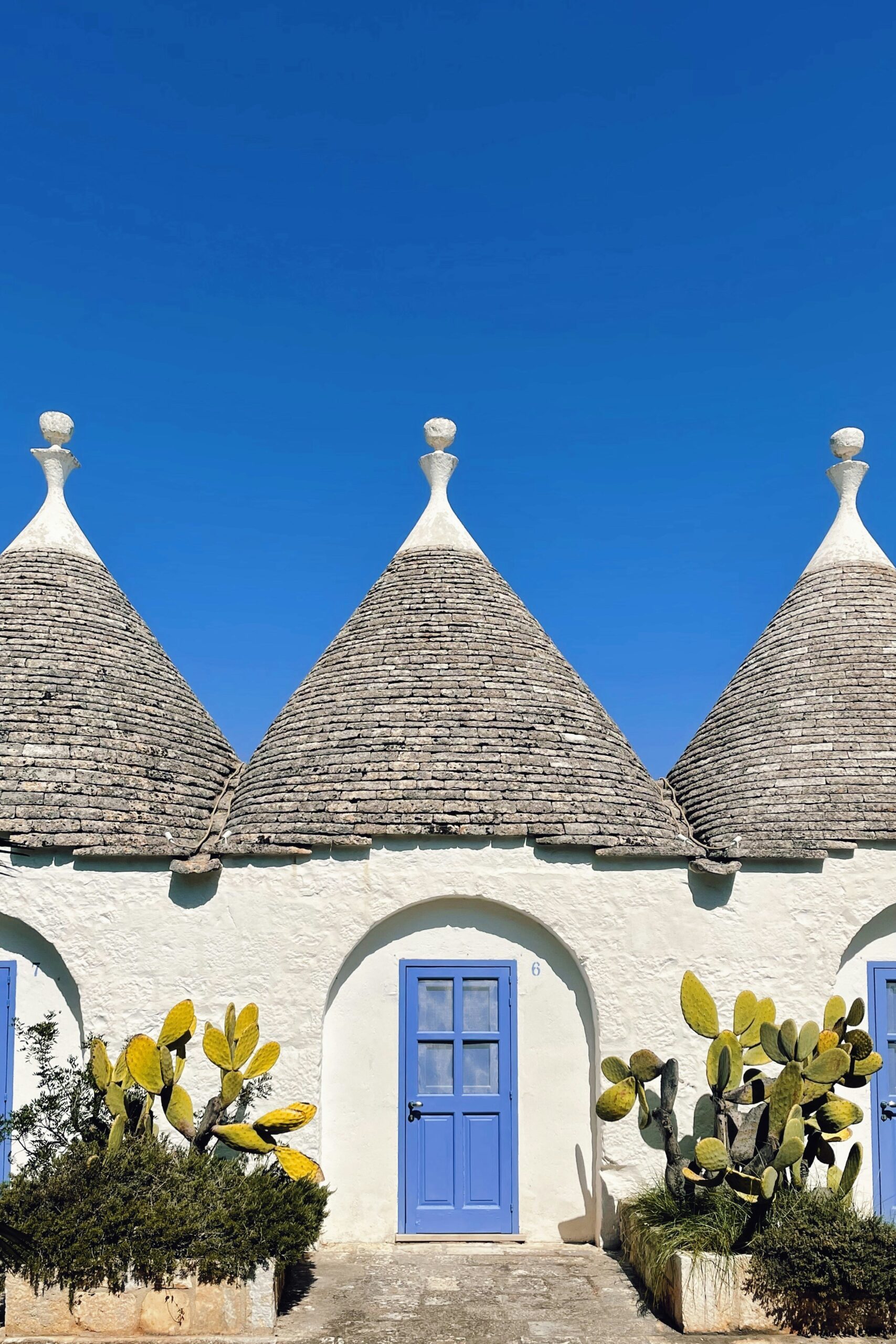
Holiday Home & Villa Booking
Discover your perfect home in Apulia with ApuliaBella. We handpick every trullo, villa, apartment, and masseria to ensure comfort, authenticity, and unforgettable charm. Whether it’s a romantic getaway, a family holiday, or a group escape, we match you with a property that fits your style, group size, and budget. Booking is simple and stress-free — we handle all details so you can focus on enjoying your holiday. With ApuliaBella, your dream Apulian stay is just a few clicks away.
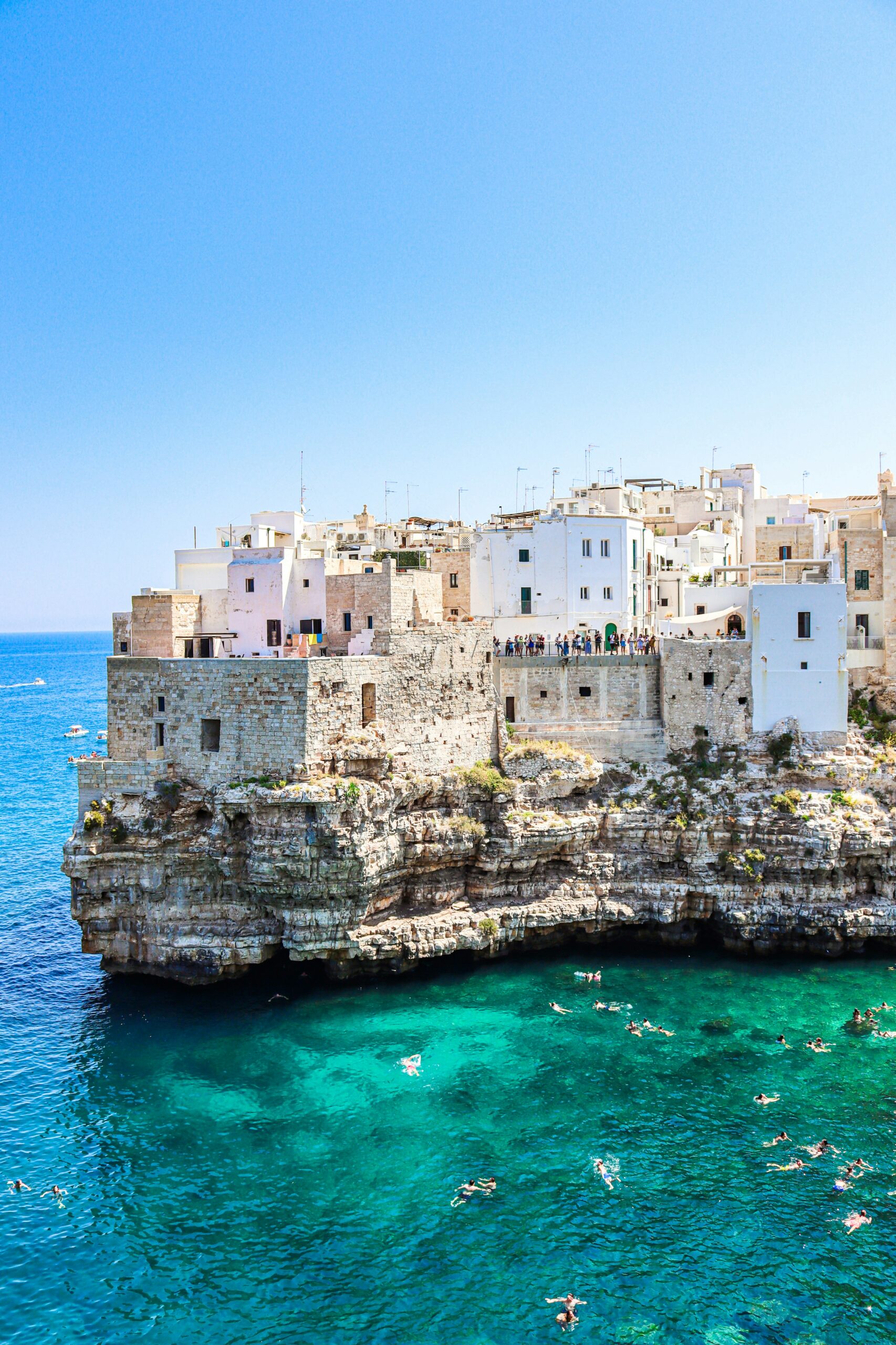
On-Site Guest Support
Enjoy your Apulia holiday without a single worry with ApuliaBella’s On-Site Guest Support. From the moment you arrive, our local team welcomes you personally, guides you through your accommodation, and ensures everything is perfectly prepared. Need tips for the best beaches, restaurants, or hidden gems? We provide insider knowledge tailored to your interests. Should any questions or small issues arise, we’re just a call away — discreet, reliable, and ready to assist. With ApuliaBella, your stay is seamless, stress-free, and completely focused on relaxation and enjoyment.
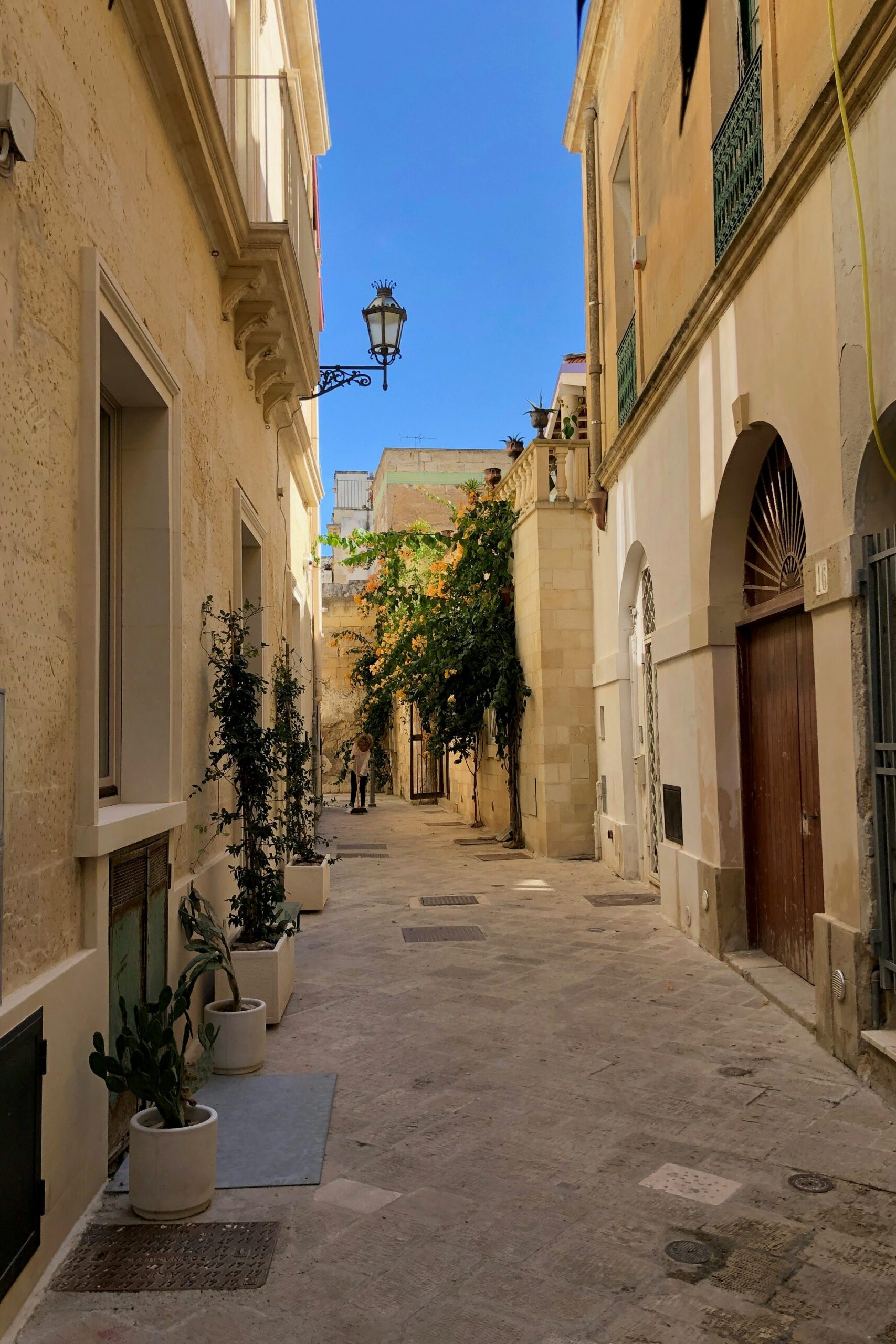
Services for Property Owners
Maximize your property’s potential with ApuliaBella. We handle everything — from professional marketing and guest communication to booking management and on-site coordination. Our team ensures your home is presented beautifully, booked efficiently, and maintained to the highest standards. With personalized strategies, we help you attract the right guests while reducing your workload. Trust ApuliaBella to manage your property professionally, giving you peace of mind and satisfied guests every time.
We are the Apulia Experts for Travelers
At ApuliaBella, we are your English-speaking experts for discovering the magic of Apulia. We handpick authentic holiday homes, trulli, villas, and masserie to ensure every stay is comfortable, unique, and unforgettable. Our team lives and breathes Apulia — from its sun-soaked beaches and historic towns to hidden villages and countryside escapes.
We guide you personally from booking to arrival, providing insider tips, local knowledge, and on-site support. Whether you are planning a romantic getaway, a family holiday, or a group adventure, ApuliaBella turns your travel dreams into reality. We are passionate about making every stay effortless, enjoyable, and authentically Apulian. With ApuliaBella, your Apulia experience begins before you even pack your bags.
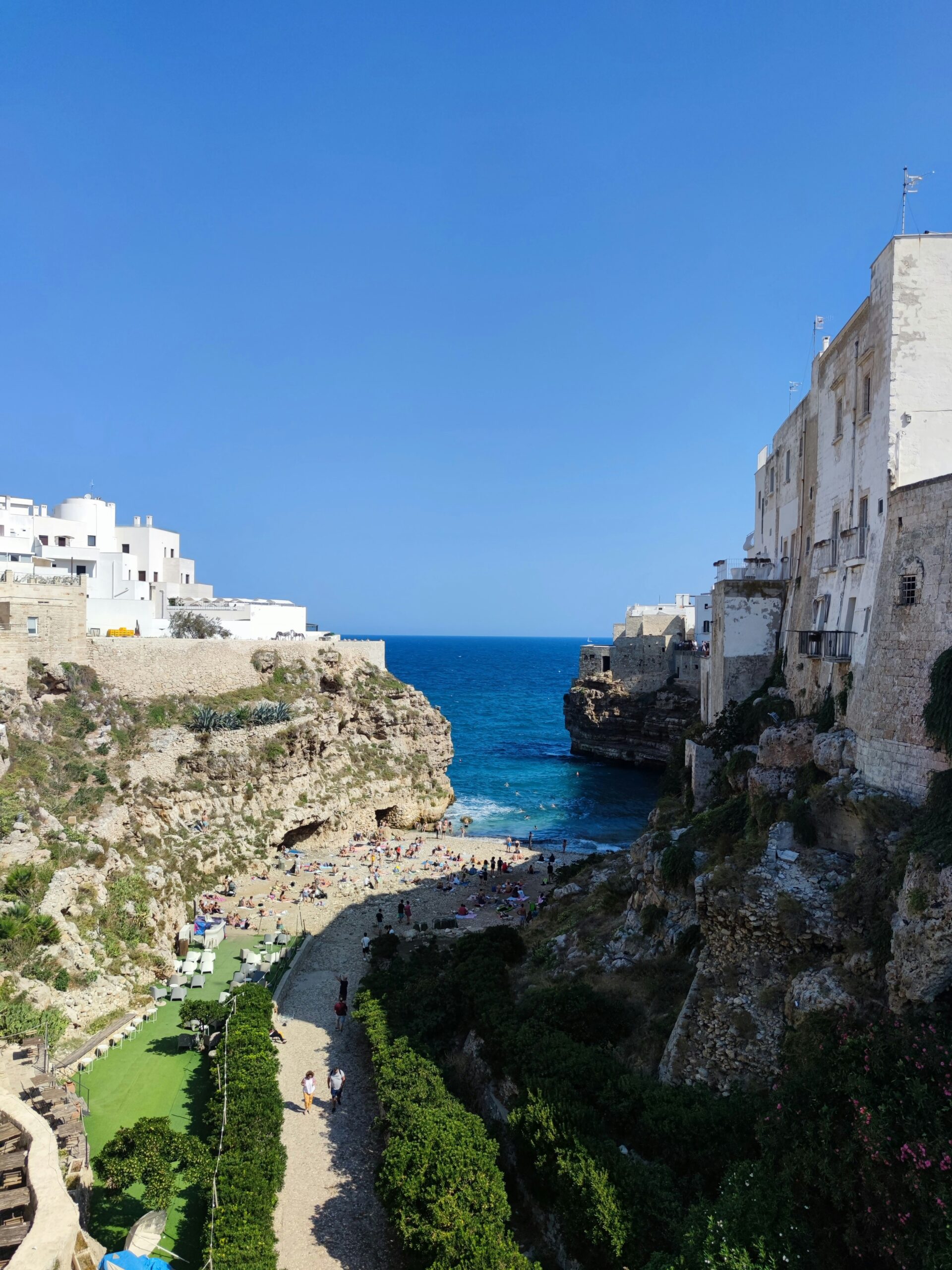
Places in Apulia:
Acquaviva delle Fonti, Accadia, Adelfia, Alberobello, Alberona, Altamura, Anzano di Puglia, Andria, Apricena, Ascoli Satriano, Avetrana, Bari, Barletta, Binetto, Biccari, Bitetto, Bitonto, Bitritto, Bisceglie, Bovino, Brindisi, Cagnano Varano, Candela, Canosa di Puglia, Carapelle, Carlantino, Carpino, Carosino, Carovigno, Casamassima, Casarano, Casalnuovo Monterotaro, Casalvecchio di Puglia, Castellana Grotte, Castellaneta, Castelluccio dei Sauri, Castelluccio Valmaggiore, Castelnuovo della Daunia, Cellamare, Celle di San Vito, Celenza Valfortore, Cellino San Marco, Ceglie Messapica, Cerignola, Chieuti, Cisternino, Corato, Copertino, Crispiano, Deliceto, Erchie, Faggiano, Fasano, Faeto, Foggia, Francavilla Fontana, Galatina, Galatone, Gallipoli, Gioia del Colle, Ginosa, Giovinazzo, Grottaglie, Gravina in Puglia, Grumo Appula, Ischitella, Isole Tremiti, Laterza, Latiano, Lecce, Leverano, Leporano, Lesina, Lizzano, Lizzanello, Locorotondo, Lucera, Maglie, Manduria, Manfredonia, Margherita di Savoia, Martina Franca, Maruggio, Massafra, Mattinata, Mesagne, Molfetta, Modugno, Monopoli, Monte Sant’Angelo, Montemesola, Monteiasi, Monteparano, Monteroni di Lecce, Monteleone di Puglia, Mottola, Motta Montecorvino, Nardò, Noci, Noicàttaro, Ordona, Oria, Orta Nova, Ostuni, Palagiano, Palagianello, Palo del Colle, Panni, Peschici, Pietramontecorvino, Poggiorsini, Polignano a Mare, Pulsano, Putignano, Rignano Garganico, Rodi Garganico, Roccaforzata, Roseto Valfortore, Ruvo di Puglia, Rutigliano, Sannicandro di Bari, Sannicandro Garganico, Sammichele di Bari, San Donaci, San Ferdinando di Puglia, San Giorgio Ionico, San Giovanni Rotondo, San Marzano di San Giuseppe, San Marco in Lamis, San Marco la Catola, San Michele Salentino, San Nicandro Garganico, San Paolo di Civitate, San Pancrazio Salentino, San Pietro Vernotico, Santeramo in Colle, Sava, Serracapriola, Spinazzola, Statte, Stornara, Stornarella, Surbo, Tarent, Taviano, Terlizzi, Trani, Tricase, Triggiano, Trinitapoli, Trepuzzi, Toritto, Torremaggiore, Torre Santa Susanna, Torricella, Torchiarolo, Turi, Ugento, Valenzano, Veglie, Vico del Gargano, Vieste, Villa Castelli, Volturara Appula, Volturino, Zapponeta