
Bovino in Apulia
Welcome to Bovino: The Stone Balcony of the Daunian Mountains
High above the Cervaro Valley, where the air begins to carry the scent of wild herbs and ancient forests, sits Bovino. This is not the Apulia of sun-bleached coastal plains or turquoise waters; this is the Apulia of the peaks, a ruggedly beautiful landscape of limestone and mist. Often officially recognized as one of the “Borghi più belli d’Italia” (the most beautiful villages in Italy), Bovino is a place where time has been preserved in the amber of the mountain air. At ApuliaBella, we consider Bovino the ultimate sanctuary for those who seek the “High Apulia”—a destination of eight hundred stone portals, knightly legends, and a hospitality that feels like a warm embrace on a cool mountain evening.
As your dedicated ApuliaBella travel guide, we invite you to explore a town that served as the strategic gateway between the Adriatic and the Tyrrhenian seas for millennia. Bovino is a labyrinth of white stone alleys that open suddenly into breathtaking panoramic terraces. It is a city of “eight hundred portals,” where every doorway tells a story of noble lineage or artisanal pride. Whether you are a history seeker drawn to the Romanesque majesty of its Cathedral or a nature lover looking to trek through the woods of the Daunia, ApuliaBella is here to ensure your journey to this hilltop sentinel is unforgettable.
The Legend of the Bull and the Roman Frontier: A History of Grit
The name Bovino likely derives from the Latin Vibinum, and its history is as old as Rome itself. This was a vital strategic outpost along the Via Traiana, the great road that connected Rome to the port of Brindisi. Throughout the centuries, Bovino saw the passage of legions, crusaders, and kings. It was a contested prize, fought over by Romans, Byzantines, Normans, and Swabians, each leaving their mark on its fortified heights.
When you walk through the historic center with ApuliaBella, we tell the story of a city that was born for defense but grew for beauty. The “bull” in the city’s heraldry symbolizes the strength and stubbornness of its people—a grit that allowed them to rebuild after earthquakes and sieges. Under the lordship of the Guevara family for nearly four centuries, Bovino transformed from a military bastion into a center of refined culture and art. At ApuliaBella, we believe that Bovino’s history isn’t found in books, but in the texture of its walls and the height of its towers. We help you decode the “stone language” of a town that has never forgotten its role as a guardian of the passage.
The Cathedral of Santa Maria Assunta: A Romanesque Icon
The spiritual heart of the village is the Cathedral of Santa Maria Assunta, one of the most significant examples of Romanesque architecture in the Daunian Mountains. Built in the 10th century and later refined in the 13th, its facade is a masterpiece of balance, featuring a rare asymmetrical layout and a stunning rose window that catches the first light of the morning.
As your ApuliaBella travel guide, we suggest you step inside to see the “Byzantine” influence in the capitals and the ancient columns repurposed from Roman villas. The Cathedral houses the relics of San Marco d’Eca, the city’s patron saint, but it is the atmosphere of the crypt that truly captivates. It is a place of deep silence and immense antiquity. ApuliaBella recommends visiting during the golden hour, when the limestone of the facade turns a soft, buttery yellow, making the intricate carvings of monsters and saints appear to dance in the light.
The Ducal Palace of the Guevara: A Royal Residence in the Clouds
Dominating the highest point of the hill is the Palazzo Ducale, the former residence of the Guevara family. Originally a Norman castle, it was transformed into a sumptuous palace that has hosted royalty, including the King of Spain and the Pope. The palace’s tower offers the most spectacular view in the region—a 360-degree panorama of the Daunian Mountains and the Tavoliere plain.
We at ApuliaBella consider the palace the “nerve center” of Bovino’s noble history. Inside, you can visit the Diocesan Museum, which holds the “Treasure of the Cathedral,” including silver reliquaries and illuminated manuscripts. As your ApuliaBella travel guide, we suggest walking through the palace’s hanging gardens. It is here that you truly feel the “imperial” nature of Bovino—a place where the lords of the mountain could survey their lands with the eagle’s view. ApuliaBella often arranges for guests to stay in the guest rooms of the palace itself, offering a rare chance to sleep within the walls of history.
The City of Eight Hundred Portals: A Journey through the Vicoletti
The true joy of Bovino lies in its streets. The town is famous for its “800 stone portals”—ornate entrances to homes and palaces, each carved by local master stonemasons (scarpellini) between the 17th and 19th centuries. Some portals are topped with noble coats of arms, while others feature apotropaic symbols—grotesque faces designed to ward off the “evil eye.”
Your ApuliaBella travel guide recommends a “treasure hunt” through the alleys of the Rione delle Putte. As you navigate the steep stairs and narrow passages, look for the small stone benches (sedili) where neighbors still gather in the late afternoon. At ApuliaBella, we believe that these portals are the “face” of Bovino. They tell of a time when your doorway was your status symbol. We help you find the most hidden and artistic portals, tucked away in the shadows of the medieval quarter, where the modern world feels like a distant memory.
The Museum of Rural Life: The Soul of the Land
Located within the castle complex, the Museum of Rural and Civic Life offers a poignant look at the daily reality of the Daunian people. It houses a vast collection of tools, textiles, and domestic objects that tell the story of the “contadini” (farmers) and the “pastori” (shepherds) who shaped this landscape.
At ApuliaBella, we find this museum essential for understanding the grit we spoke of earlier. It shows the incredible ingenuity of the people who worked the steep slopes of the mountains. As your ApuliaBella travel guide, we highlight the section dedicated to the “Transhumance”—the ancient seasonal migration of sheep that once passed through the valleys below Bovino. This museum is a tribute to the “invisible” history of Apulia, and ApuliaBella ensures our guests appreciate the hard-won traditions that made this region so culturally rich.
The Roman Aqueduct and the Bridge of Bovino
Below the town, in the valley floor, lie the ruins of a Roman aqueduct and the historic Bridge over the Cervaro. These structures remind us that Bovino was once a hub of the ancient world’s infrastructure.
We at ApuliaBella recommend a short drive down the hill to see these monuments. The bridge, in particular, has seen the passage of pilgrims on their way to the Sanctuary of San Michele in Monte Sant’Angelo for over a thousand years. As your ApuliaBella travel guide, we provide the context of the Via Traiana, helping you visualize the constant flow of travelers that has defined Bovino’s economy and culture since the days of Emperor Trajan. It is a place where the grandeur of Rome meets the wild beauty of the Cervaro river.
Culinary Specialties of Bovino: The Mountain Feast
The food in Bovino is robust, earthy, and intensely local. This is the land of wild game, handmade pasta, and the “Pruinicola” olive. At ApuliaBella, we believe that the mountain air makes everything taste better, especially when paired with the town’s famous hospitality.
Orecchiette with Wild Boar Ragù: Unlike the coastal versions with turnip tops, Bovino’s orecchiette are often served with a rich, slow-cooked sauce made from local wild boar.
Soppressata di Bovino: A traditional dry-cured salami that is spicy and peppery, aged in the cool mountain cellars.
Savor: A unique condiment or preserve made from grape must, pumpkin, and orange peel—a taste of the ancient harvest.
I Cavatieddi: A small, hand-dragged pasta often served with “fagioli” (beans) and local herbs.
Bovino Cheese: Try the fresh “ricotta di pecora” or the aged “canestrato,” which carries the flavors of the mountain grasses.
Vino Nero di Troia: This powerful red wine is the king of the Daunia, providing the perfect structure to stand up to Bovino’s hearty meats.
As your ApuliaBella travel guide, we can arrange for a private lunch in a “Masseria” (fortified farmhouse) where you can watch the pasta being made by hand and taste the “liquid gold” of the local olive groves.
The Insider Tip: The Magic of the Mist and the Night Walk
Here is a secret from your ApuliaBella guide: Bovino is most magical when the “nebbia” (mist) rolls in from the valley. On autumn afternoons, the clouds wrap around the stone towers, and the town feels like a floating island in the sky.
Our ApuliaBella insider tip is to take a “Night Walk” through the historic center. Because there is very little traffic and the lighting is soft and atmospheric, the town becomes a silent stage. We suggest heading to the Belvedere di Sant’Antonio at night. Looking down, you will see the lights of the Tavoliere plain sparkling like a fallen galaxy, while the stone of Bovino feels solid and eternal behind you. It is the moment when most of our guests decide they never want to leave.
The Sanctuary of Maria Santissima di Valleverde
A few kilometers from the town, surrounded by ancient oaks, lies the Sanctuary of Valleverde. Legend says that in 1266, the Virgin Mary appeared to a local carpenter in the woods. Today, the sanctuary is a place of profound peace and a favorite spot for local families to enjoy the outdoors.
Your ApuliaBella travel guide recommends this as a perfect spot for a picnic or a contemplative walk. The “Bosco di Bovino” (the forest) is one of the few remaining patches of the ancient forest that once covered the entire region. At ApuliaBella, we believe that the natural beauty of the sanctuary provides the perfect balance to the architectural intensity of the town center. It is a place where the sacred and the natural are one.
Why Choose ApuliaBella for Your Bovino Escape?
Bovino is a destination that requires a slow pace and a keen eye for detail. It is not a place for “hit-and-run” tourism; it is a place for immersion.
Authentic Living: ApuliaBella specializes in arranging stays in restored stone homes within the historic center, allowing you to wake up to the sound of church bells and the scent of wood fires.
Deep History: Our guides don’t just point at buildings; they tell the stories of the Guevara dukes and the Roman legionnaires.
Tailored Logistics: Because Bovino is in the mountains, transport can be tricky. ApuliaBella provides the maps, the drivers, and the timing to make your trip seamless.
Bovino is the stone heart of the Daunia—a town of portals, peaks, and ancient peace. It is the Apulia you didn’t know existed, and the one you will never forget. Let ApuliaBella take you to the balcony of the world.
Comprehensive Services for Guests
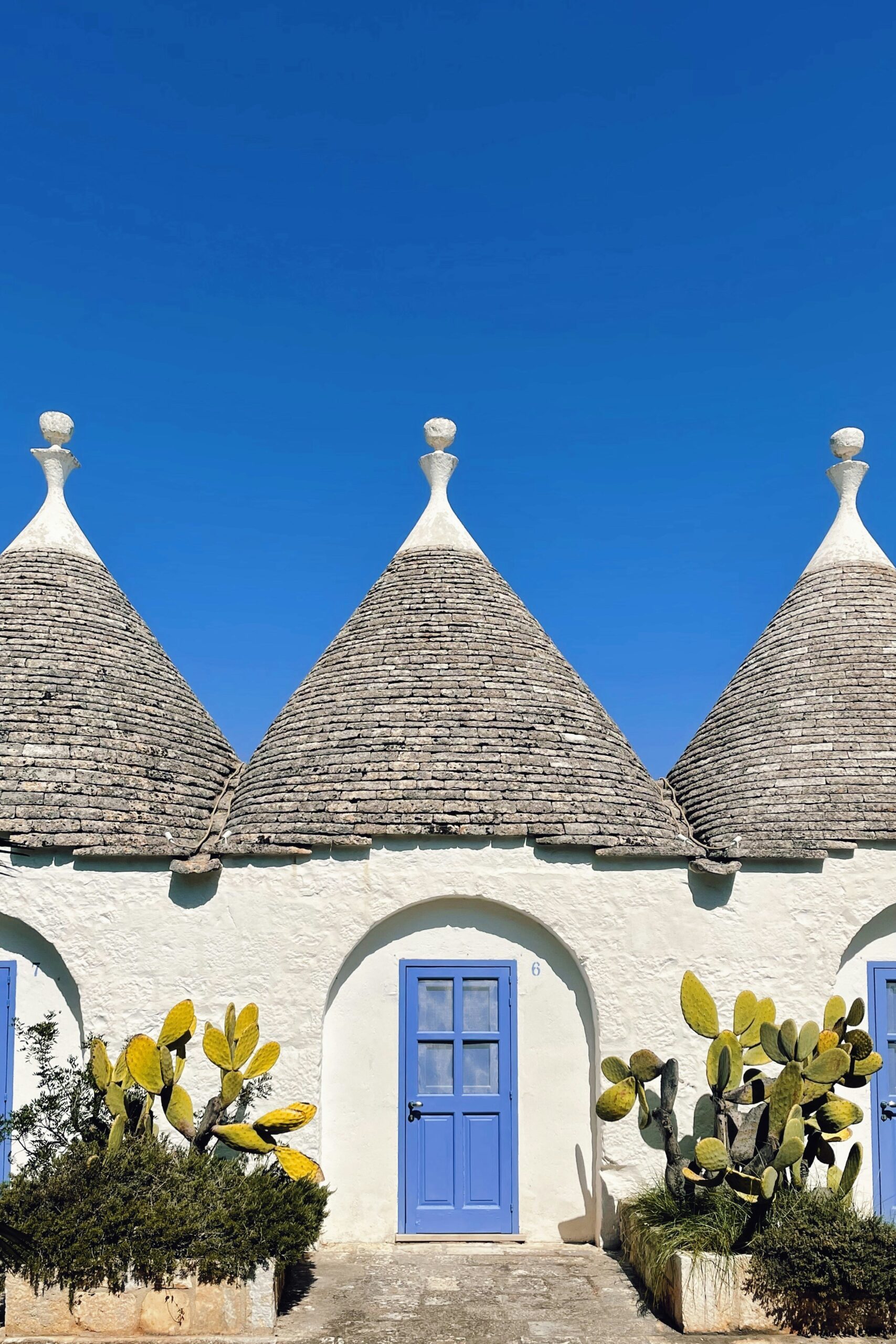
Holiday Home & Villa Booking
Discover your perfect home in Apulia with ApuliaBella. We handpick every trullo, villa, apartment, and masseria to ensure comfort, authenticity, and unforgettable charm. Whether it’s a romantic getaway, a family holiday, or a group escape, we match you with a property that fits your style, group size, and budget. Booking is simple and stress-free — we handle all details so you can focus on enjoying your holiday. With ApuliaBella, your dream Apulian stay is just a few clicks away.
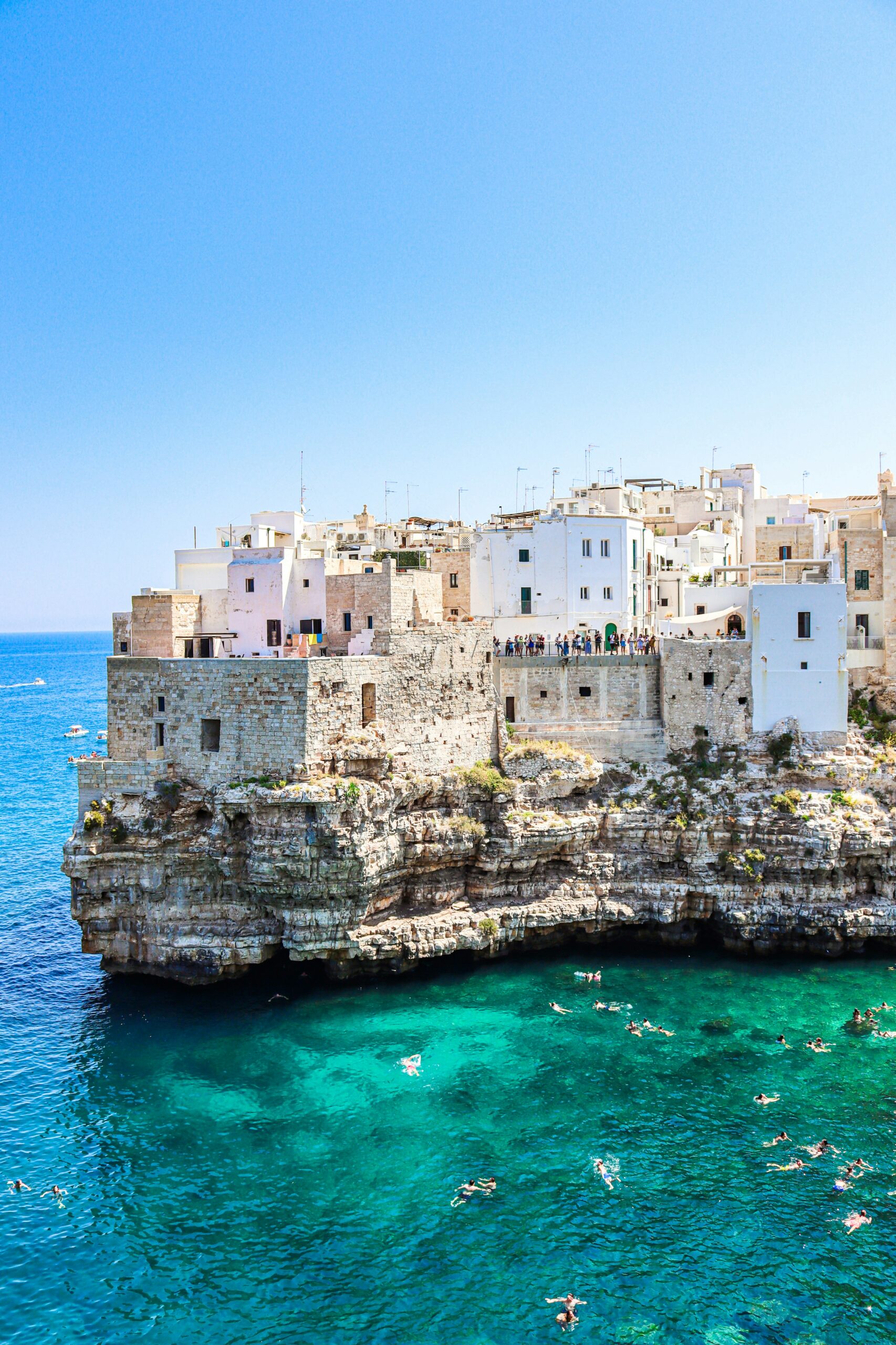
On-Site Guest Support
Enjoy your Apulia holiday without a single worry with ApuliaBella’s On-Site Guest Support. From the moment you arrive, our local team welcomes you personally, guides you through your accommodation, and ensures everything is perfectly prepared. Need tips for the best beaches, restaurants, or hidden gems? We provide insider knowledge tailored to your interests. Should any questions or small issues arise, we’re just a call away — discreet, reliable, and ready to assist. With ApuliaBella, your stay is seamless, stress-free, and completely focused on relaxation and enjoyment.
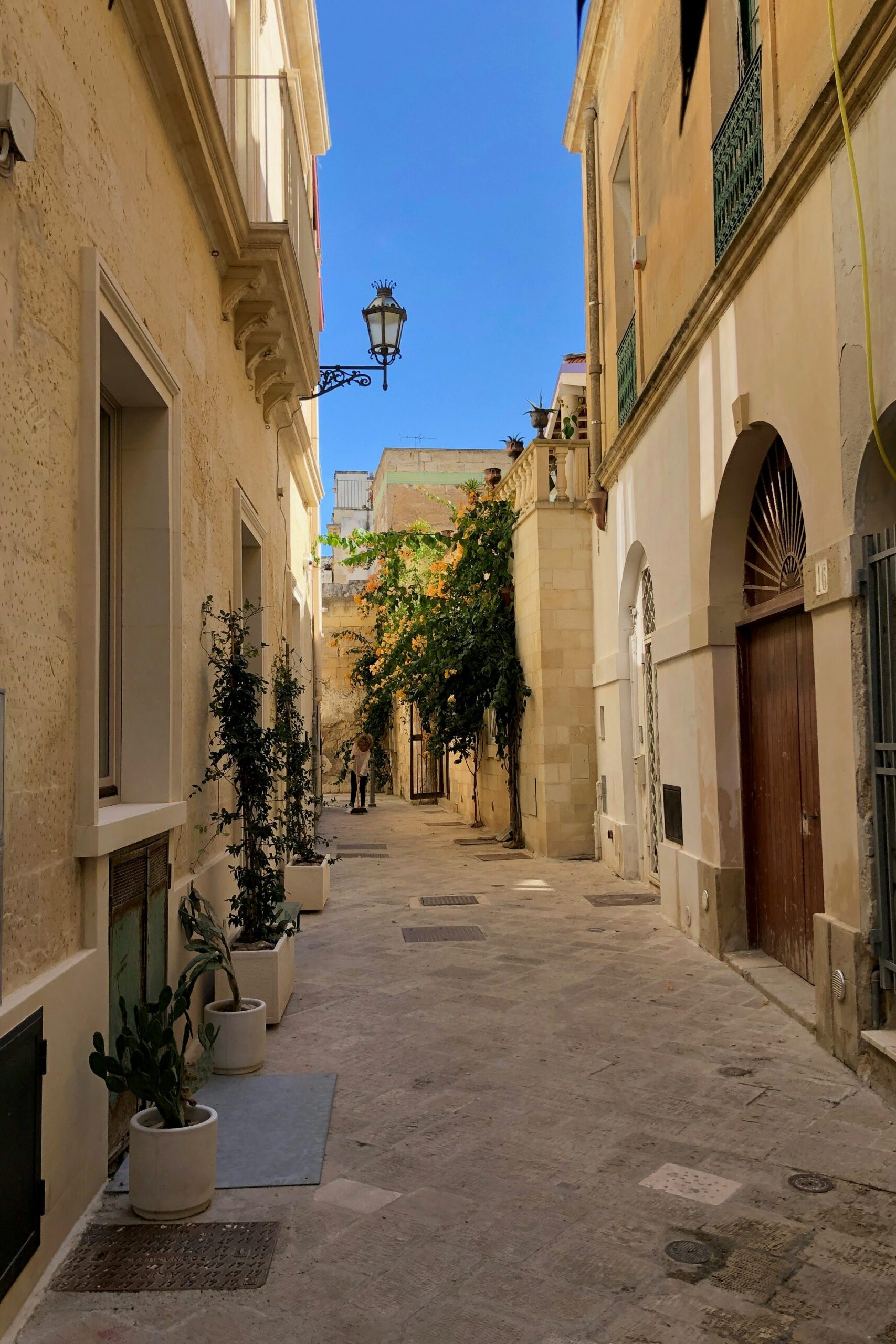
Services for Property Owners
Maximize your property’s potential with ApuliaBella. We handle everything — from professional marketing and guest communication to booking management and on-site coordination. Our team ensures your home is presented beautifully, booked efficiently, and maintained to the highest standards. With personalized strategies, we help you attract the right guests while reducing your workload. Trust ApuliaBella to manage your property professionally, giving you peace of mind and satisfied guests every time.
We are the Apulia Experts for Travelers
At ApuliaBella, we are your English-speaking experts for discovering the magic of Apulia. We handpick authentic holiday homes, trulli, villas, and masserie to ensure every stay is comfortable, unique, and unforgettable. Our team lives and breathes Apulia — from its sun-soaked beaches and historic towns to hidden villages and countryside escapes.
We guide you personally from booking to arrival, providing insider tips, local knowledge, and on-site support. Whether you are planning a romantic getaway, a family holiday, or a group adventure, ApuliaBella turns your travel dreams into reality. We are passionate about making every stay effortless, enjoyable, and authentically Apulian. With ApuliaBella, your Apulia experience begins before you even pack your bags.
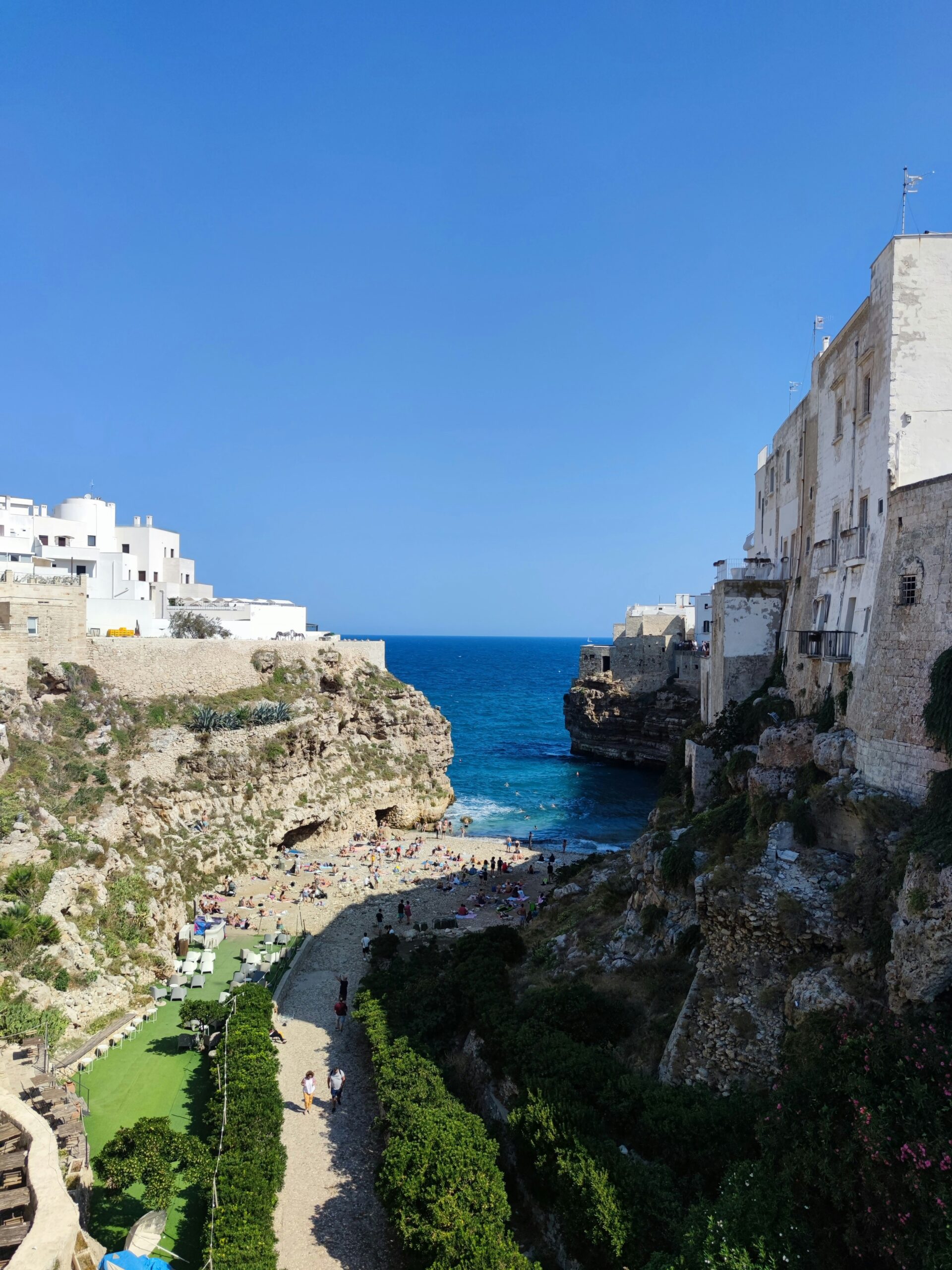
Places in Apulia:
Acquaviva delle Fonti, Accadia, Adelfia, Alberobello, Alberona, Altamura, Anzano di Puglia, Andria, Apricena, Ascoli Satriano, Avetrana, Bari, Barletta, Binetto, Biccari, Bitetto, Bitonto, Bitritto, Bisceglie, Bovino, Brindisi, Cagnano Varano, Candela, Canosa di Puglia, Carapelle, Carlantino, Carpino, Carosino, Carovigno, Casamassima, Casarano, Casalnuovo Monterotaro, Casalvecchio di Puglia, Castellana Grotte, Castellaneta, Castelluccio dei Sauri, Castelluccio Valmaggiore, Castelnuovo della Daunia, Cellamare, Celle di San Vito, Celenza Valfortore, Cellino San Marco, Ceglie Messapica, Cerignola, Chieuti, Cisternino, Corato, Copertino, Crispiano, Deliceto, Erchie, Faggiano, Fasano, Faeto, Foggia, Francavilla Fontana, Galatina, Galatone, Gallipoli, Gioia del Colle, Ginosa, Giovinazzo, Grottaglie, Gravina in Puglia, Grumo Appula, Ischitella, Isole Tremiti, Laterza, Latiano, Lecce, Leverano, Leporano, Lesina, Lizzano, Lizzanello, Locorotondo, Lucera, Maglie, Manduria, Manfredonia, Margherita di Savoia, Martina Franca, Maruggio, Massafra, Mattinata, Mesagne, Molfetta, Modugno, Monopoli, Monte Sant’Angelo, Montemesola, Monteiasi, Monteparano, Monteroni di Lecce, Monteleone di Puglia, Mottola, Motta Montecorvino, Nardò, Noci, Noicàttaro, Ordona, Oria, Orta Nova, Ostuni, Palagiano, Palagianello, Palo del Colle, Panni, Peschici, Pietramontecorvino, Poggiorsini, Polignano a Mare, Pulsano, Putignano, Rignano Garganico, Rodi Garganico, Roccaforzata, Roseto Valfortore, Ruvo di Puglia, Rutigliano, Sannicandro di Bari, Sannicandro Garganico, Sammichele di Bari, San Donaci, San Ferdinando di Puglia, San Giorgio Ionico, San Giovanni Rotondo, San Marzano di San Giuseppe, San Marco in Lamis, San Marco la Catola, San Michele Salentino, San Nicandro Garganico, San Paolo di Civitate, San Pancrazio Salentino, San Pietro Vernotico, Santeramo in Colle, Sava, Serracapriola, Spinazzola, Statte, Stornara, Stornarella, Surbo, Tarent, Taviano, Terlizzi, Trani, Tricase, Triggiano, Trinitapoli, Trepuzzi, Toritto, Torremaggiore, Torre Santa Susanna, Torricella, Torchiarolo, Turi, Ugento, Valenzano, Veglie, Vico del Gargano, Vieste, Villa Castelli, Volturara Appula, Volturino, Zapponeta