
Canosa di Puglia
Welcome to Canosa di Puglia: The Rome of the Adriatic Hinterland
Deep in the heart of the Ofanto Valley, where the golden Tavoliere plains meet the rising mists of the Murgia plateau, lies a city that has been continuously inhabited for over six thousand years. Canosa di Puglia is not merely a town; it is a sprawling, open-air archive of the Mediterranean’s greatest civilizations. At ApuliaBella, we often tell our travelers that while other cities show you their history on their sleeves, Canosa keeps its most precious secrets beneath your feet. It is a place where you can walk across a Roman bridge in the morning and descend into a prehistoric “Palace of the Dead” by the afternoon.
As your dedicated ApuliaBella travel advisor, we invite you to discover a destination that truly earns its title as the “Principal Archaeological Center of Apulia.” Canosa is a city of vertical discovery. To visit is to peel back the layers of time—from the Daunian princes who built monumental tombs to the Roman emperors who paved its roads, and finally to the Norman knights who left behind a mausoleum that feels more like an Oriental dream than a medieval tomb. Let ApuliaBella guide you through this labyrinth of white stone and subterranean wonders, where every street corner is a portal to a different century.
A Sentinel Through Time: The Epic History of Canusium
The story of Canosa—ancient Canusium—is one of survival and strategic brilliance. Legend says it was founded by the Greek hero Diomedes, but history tells us it was a powerhouse of the Daunian people long before Rome cast its shadow southward. It was here, after the catastrophic Roman defeat at the Battle of Cannae in 216 BC, that the remnants of the Roman army found refuge. The city’s loyalty to Rome earned it prestige, turning it into a vital hub on the Via Traiana and a center for the production of the finest wool in the ancient world.
When you explore with ApuliaBella, you are tracing the steps of Byzantine bishops and Norman conquerors. In late antiquity, Canosa was so influential it served as the capital of the province of Apulia et Calabria. Despite medieval raids and the passage of empires, the city’s spirit remained intact, anchored by the legendary Bishop Sabinus, whose architectural vision still defines the city’s skyline today. At ApuliaBella, we believe the beauty of Canosa lies in its “living history”—it is one of the oldest continually inhabited cities in Italy, and that pulse of permanence is palpable in every piazza.
The City Beneath: The Hypogea and the Cult of the Dead
The most extraordinary feature of Canosa is its underground world. Between the 4th and 3rd centuries BC, the local elite built magnificent Hypogea—chamber tombs carved into the soft tuff rock. These weren’t just graves; they were subterranean palaces for the afterlife, once filled with incredible pottery, gold jewelry, and weapons.
Hypogeum Lagrasta: This is the largest funerary complex in the city. With its Latin cross plan and columns carved directly from the rock, it feels like an inverted temple.
Varrese Hypogeum: One of the most important sites, where a staggering amount of “Canosian Ware” (distinctive polychrome pottery) was discovered.
Scocchera Hypogeum: A site that reveals the transition from Daunian traditions to Roman influence, showing the high status of the families who once ruled this land.
As your ApuliaBella travel guide, we recommend starting your journey here. There is something profoundly moving about descending into these cool, quiet chambers. It is here that ApuliaBella helps you visualize the ancient “Princely” funerals that once colored these hills. These sites are the crown jewels of Apulian archaeology, and we ensure you have the context to appreciate the artistry that went into “living well” in the next life.
The Roman Legacy: Bridges, Arches, and Emperor’s Paths
Because Canosa was a primary stop on the Via Traiana, it is dotted with Roman monuments that rival those found in the capital itself. The Roman Bridge over the Ofanto River is perhaps the most iconic. Standing strong for nearly two thousand years with its five majestic arches, it has carried legions, pilgrims, and modern travelers alike.
Your ApuliaBella travel guide also highlights the Arch of Trajan (also known as the Arch of Terentius), a monumental gateway that once welcomed travelers arriving from the north. At ApuliaBella, we suggest a walk to the Torre Casieri, a Roman tomb that stands as a silent sentinel in the countryside. These stone ruins are not just relics; they are landmarks of an empire that saw Canosa as its gateway to the East. We at ApuliaBella love the way the modern city has grown around these giants, creating a unique urban tapestry of ancient and new.
The Cathedral of San Sabino and the Mausoleum of Bohemond
In the heart of the city stands the Cathedral of San Sabino, a Romanesque-Byzantine marvel that houses the relics of the city’s patron saint. The cathedral is a study in architectural evolution, with its five domes and ancient columns salvaged from even older Roman temples.
However, the true architectural surprise lies just outside the cathedral walls: the Mausoleum of Bohemond I of Antioch. Bohemond was a hero of the First Crusade, a Norman knight who became a Prince of the Orient. His tomb is a stunning fusion of Romanesque and Islamic styles, featuring bronze doors that are among the most beautiful in Europe. At ApuliaBella, we consider this site one of the most exotic in all of Apulia. It is a reminder of a time when Brindisi and Canosa were the launching points for the crusades, and the flavors of the East were beginning to seep into the stone of the South.
Basilica of San Leucio: Where Paganism Met Piety
Just a short drive from the city center lies the Basilica of San Leucio, an extraordinary early Christian site built atop a massive 2nd-century BC Hellenistic temple dedicated to Minerva or Isis. This site is a literal cross-section of religious history.
As your ApuliaBella travel guide, we point out the massive Corinthian capitals and the intricate floor mosaics that depict peacocks and floral motifs. It is a place of profound atmosphere, especially at sunset. At ApuliaBella, we find that San Leucio perfectly encapsulates the Canosian experience: a layer of Christianity built upon a layer of Rome, which was itself built upon the foundations of the Daunian world.
Culinary Specialties: The Earthy Bounty of the Tavoliere
In Canosa, the food is an honest reflection of the “Terra Vecchia” (the old land). It is a cuisine of wheat, wine, and wild herbs. At ApuliaBella, we know that the “Canosian” palate is one of the most robust in the region.
Sfogliatelle di Canosa: Unlike the crunchy Neapolitan version, these are rose-shaped pastries filled with a rich mixture of toasted almonds, dark chocolate, grape jam, and cinnamon. They are the undisputed sweet symbol of the city.
Orecchiette with Burrata and Toasted Breadcrumbs: A local favorite that uses the creamy burrata from nearby Andria, balanced by the crunch of “povero” (poor) seasoning.
Canestrato Pugliese DOP: A hard sheep’s milk cheese aged in reed baskets (canestri). Its sharp, savory flavor is the perfect companion to a glass of local red wine.
Torcinelli: Small rolls of lamb or goat entrails, seasoned with parsley and grilled over wood fires—a street food tradition that dates back centuries.
Uva di Puglia (IGP Grapes): The vineyards surrounding Canosa produce some of the finest table grapes in the world. They are sweet, crisp, and essential to the local landscape.
Rosso di Canosa DOC: A powerful wine made primarily from Uva di Troia grapes. It is dark, structured, and carries the warmth of the Apulian sun.
Insider Tip: The Secret View from the Castle Hill
Here is an ApuliaBella insider tip: For the best view of the entire valley, head up to the ruins of the Castle (Acropolis). While only parts of the walls remain, the position offers a panoramic view that explains exactly why every empire wanted to control this hill.
Our ApuliaBella recommendation is to visit in the late afternoon. Looking west, you can see the Vulture volcano in the distance, and to the north, the Gargano promontory. It is the best place to realize the strategic majesty of Canosa. Afterward, walk down into the Corso San Sabino for an aperitivo with the locals. This is where the city’s heart beats today—a vibrant, social street that contrasts beautifully with the ancient ruins just a few meters away.
The National Archaeological Museum (Palazzo Sinesi)
No visit to Canosa is complete without a stop at Palazzo Sinesi, which houses the National Archaeological Museum. This 19th-century palace is filled with the treasures found in the hypogea.
At ApuliaBella, we are always struck by the “Canosian Vases”—huge, ornate vessels decorated with three-dimensional figures and vivid colors. These were not intended for use, but for display in the tombs of the wealthy. As your ApuliaBella travel guide, we help you spot the tiny details on these vases that reveal what life was like for the ancient inhabitants—their clothes, their rituals, and their myths. It is the perfect place to tie together everything you have seen in the underground tombs.
Why Choose ApuliaBella for Your Canosa di Puglia Visit?
Canosa is a complex, multi-layered city that can be overwhelming for the solo traveler. It is a place that requires an expert to unlock the gates of the hypogea and explain the nuances of Roman engineering.
Deep Access: We work with local archaeologists to ensure our guests can visit sites that are often closed to the general public.
Storytelling Excellence: ApuliaBella doesn’t just give you dates; we give you the legends of Bohemond and the strategy of Bishop Sabinus.
Boutique Experiences: We select the best local stays, from historical B&Bs in the town center to “Masserie” in the surrounding olive groves.
Canosa di Puglia is the archaeological heart of the South—a city where every stone has a name and every hill has a hollow. It is a destination for the curious, the history-lover, and the hungry. Let ApuliaBella take you on a journey through the Rome of Apulia.
Comprehensive Services for Guests
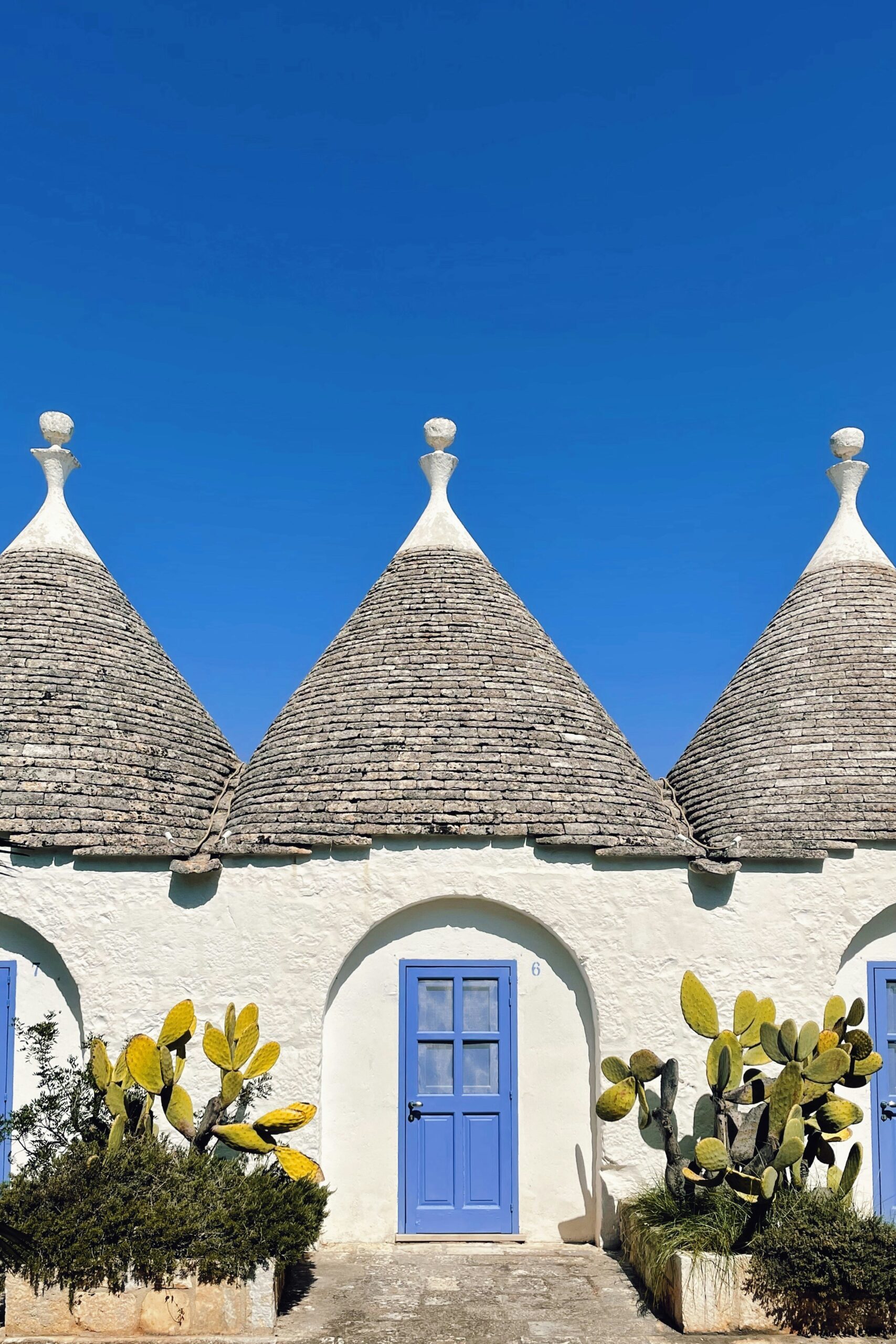
Holiday Home & Villa Booking
Discover your perfect home in Apulia with ApuliaBella. We handpick every trullo, villa, apartment, and masseria to ensure comfort, authenticity, and unforgettable charm. Whether it’s a romantic getaway, a family holiday, or a group escape, we match you with a property that fits your style, group size, and budget. Booking is simple and stress-free — we handle all details so you can focus on enjoying your holiday. With ApuliaBella, your dream Apulian stay is just a few clicks away.
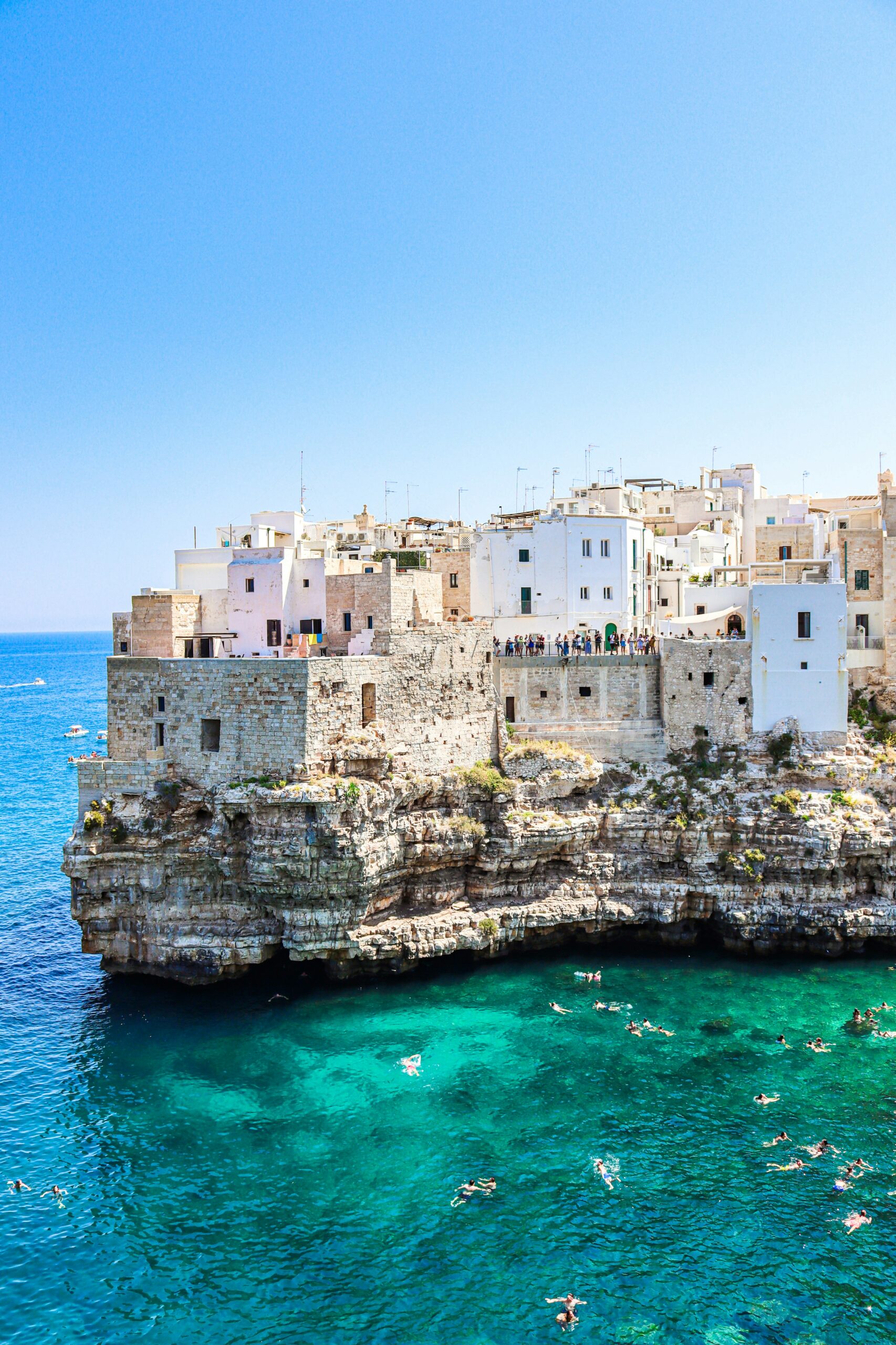
On-Site Guest Support
Enjoy your Apulia holiday without a single worry with ApuliaBella’s On-Site Guest Support. From the moment you arrive, our local team welcomes you personally, guides you through your accommodation, and ensures everything is perfectly prepared. Need tips for the best beaches, restaurants, or hidden gems? We provide insider knowledge tailored to your interests. Should any questions or small issues arise, we’re just a call away — discreet, reliable, and ready to assist. With ApuliaBella, your stay is seamless, stress-free, and completely focused on relaxation and enjoyment.
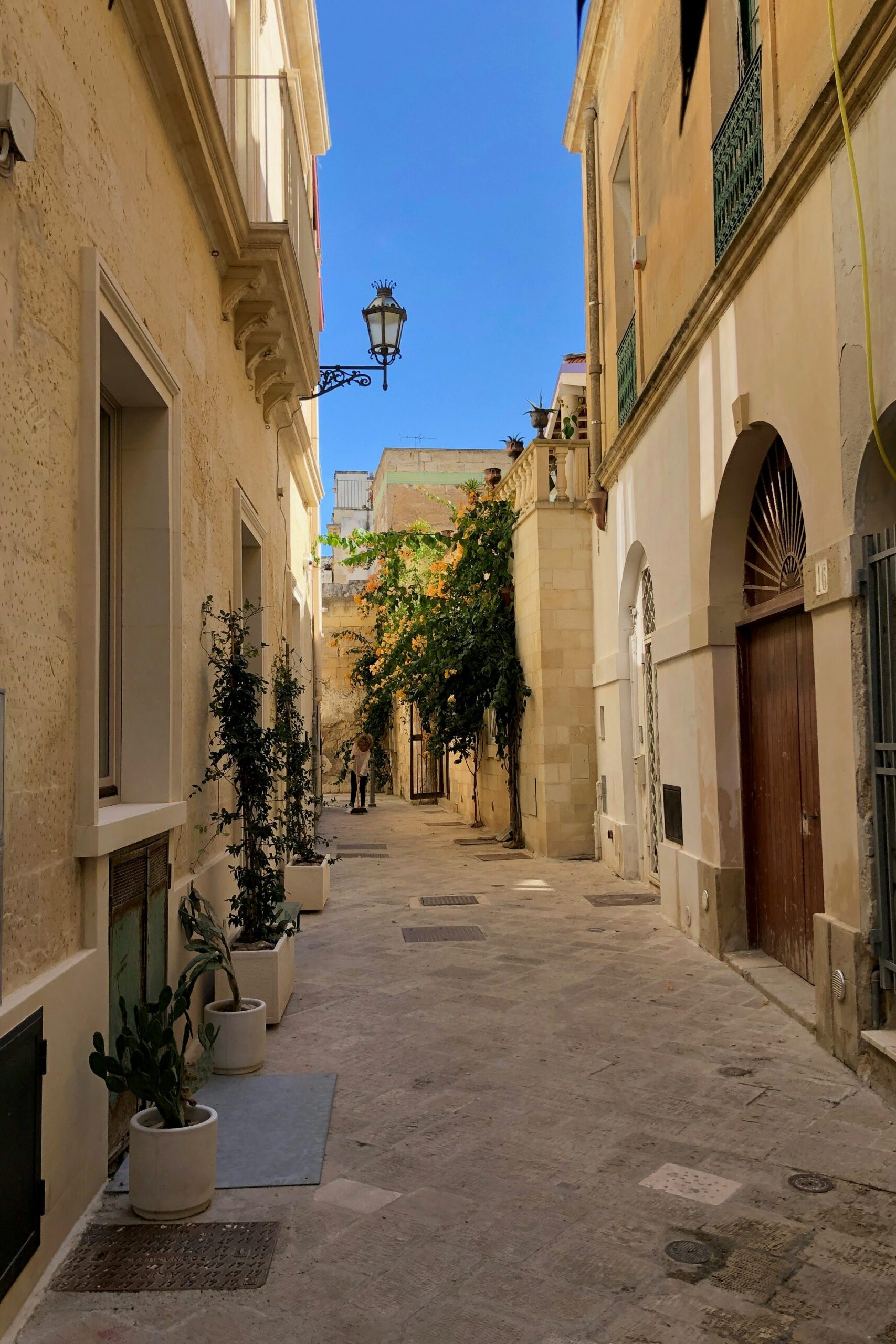
Services for Property Owners
Maximize your property’s potential with ApuliaBella. We handle everything — from professional marketing and guest communication to booking management and on-site coordination. Our team ensures your home is presented beautifully, booked efficiently, and maintained to the highest standards. With personalized strategies, we help you attract the right guests while reducing your workload. Trust ApuliaBella to manage your property professionally, giving you peace of mind and satisfied guests every time.
We are the Apulia Experts for Travelers
At ApuliaBella, we are your English-speaking experts for discovering the magic of Apulia. We handpick authentic holiday homes, trulli, villas, and masserie to ensure every stay is comfortable, unique, and unforgettable. Our team lives and breathes Apulia — from its sun-soaked beaches and historic towns to hidden villages and countryside escapes.
We guide you personally from booking to arrival, providing insider tips, local knowledge, and on-site support. Whether you are planning a romantic getaway, a family holiday, or a group adventure, ApuliaBella turns your travel dreams into reality. We are passionate about making every stay effortless, enjoyable, and authentically Apulian. With ApuliaBella, your Apulia experience begins before you even pack your bags.
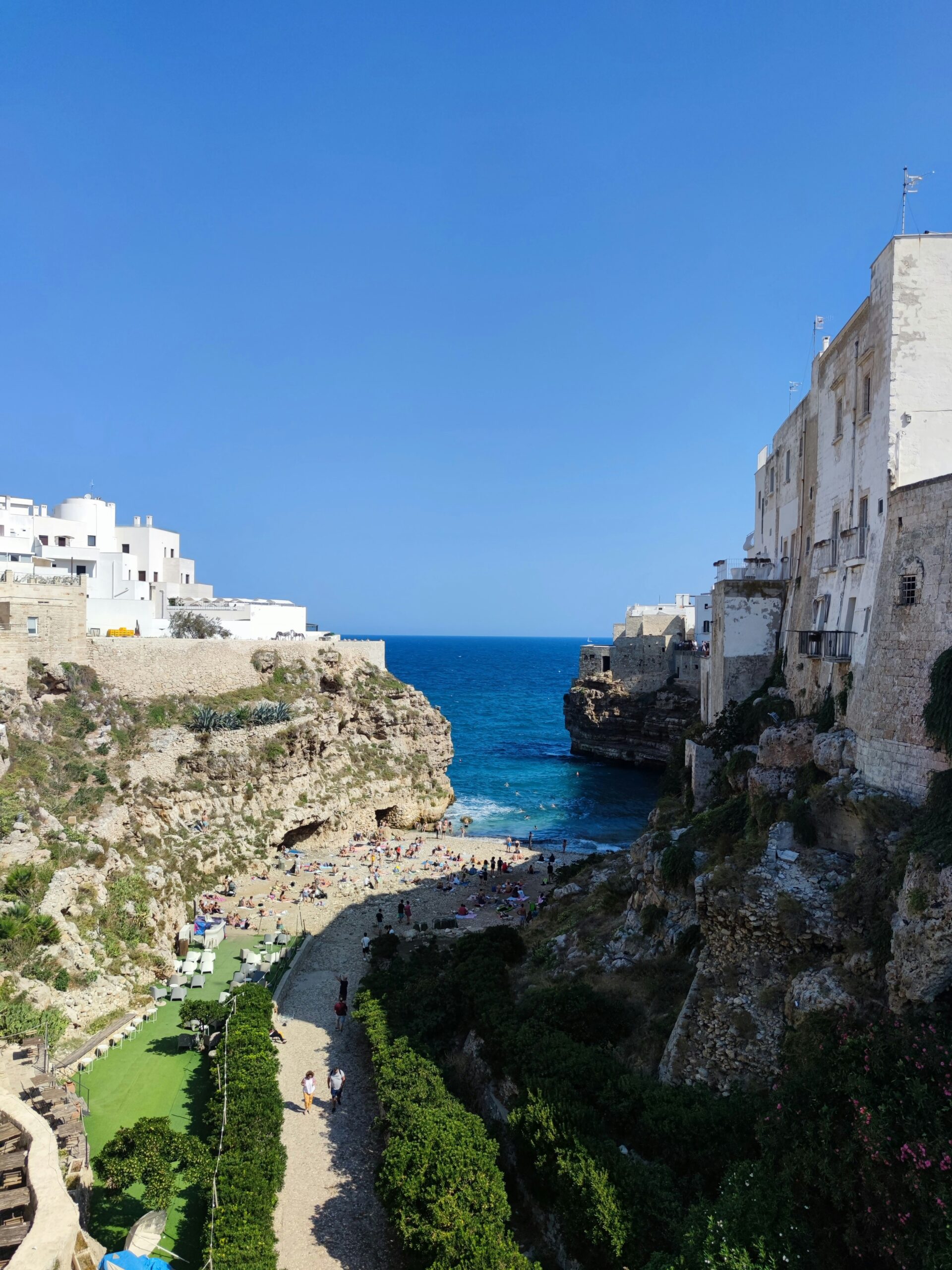
Places in Apulia:
Acquaviva delle Fonti, Accadia, Adelfia, Alberobello, Alberona, Altamura, Anzano di Puglia, Andria, Apricena, Ascoli Satriano, Avetrana, Bari, Barletta, Binetto, Biccari, Bitetto, Bitonto, Bitritto, Bisceglie, Bovino, Brindisi, Cagnano Varano, Candela, Canosa di Puglia, Carapelle, Carlantino, Carpino, Carosino, Carovigno, Casamassima, Casarano, Casalnuovo Monterotaro, Casalvecchio di Puglia, Castellana Grotte, Castellaneta, Castelluccio dei Sauri, Castelluccio Valmaggiore, Castelnuovo della Daunia, Cellamare, Celle di San Vito, Celenza Valfortore, Cellino San Marco, Ceglie Messapica, Cerignola, Chieuti, Cisternino, Corato, Copertino, Crispiano, Deliceto, Erchie, Faggiano, Fasano, Faeto, Foggia, Francavilla Fontana, Galatina, Galatone, Gallipoli, Gioia del Colle, Ginosa, Giovinazzo, Grottaglie, Gravina in Puglia, Grumo Appula, Ischitella, Isole Tremiti, Laterza, Latiano, Lecce, Leverano, Leporano, Lesina, Lizzano, Lizzanello, Locorotondo, Lucera, Maglie, Manduria, Manfredonia, Margherita di Savoia, Martina Franca, Maruggio, Massafra, Mattinata, Mesagne, Molfetta, Modugno, Monopoli, Monte Sant’Angelo, Montemesola, Monteiasi, Monteparano, Monteroni di Lecce, Monteleone di Puglia, Mottola, Motta Montecorvino, Nardò, Noci, Noicàttaro, Ordona, Oria, Orta Nova, Ostuni, Palagiano, Palagianello, Palo del Colle, Panni, Peschici, Pietramontecorvino, Poggiorsini, Polignano a Mare, Pulsano, Putignano, Rignano Garganico, Rodi Garganico, Roccaforzata, Roseto Valfortore, Ruvo di Puglia, Rutigliano, Sannicandro di Bari, Sannicandro Garganico, Sammichele di Bari, San Donaci, San Ferdinando di Puglia, San Giorgio Ionico, San Giovanni Rotondo, San Marzano di San Giuseppe, San Marco in Lamis, San Marco la Catola, San Michele Salentino, San Nicandro Garganico, San Paolo di Civitate, San Pancrazio Salentino, San Pietro Vernotico, Santeramo in Colle, Sava, Serracapriola, Spinazzola, Statte, Stornara, Stornarella, Surbo, Tarent, Taviano, Terlizzi, Trani, Tricase, Triggiano, Trinitapoli, Trepuzzi, Toritto, Torremaggiore, Torre Santa Susanna, Torricella, Torchiarolo, Turi, Ugento, Valenzano, Veglie, Vico del Gargano, Vieste, Villa Castelli, Volturara Appula, Volturino, Zapponeta