
Altamura in Apulia
Welcome to Altamura: The Golden Heart of the Murge Plateau
High atop the limestone plateaus of the Murgia, where the air is crisp and the scent of freshly baked sourdough wafts through medieval alleys, lies Altamura. This is a city of extraordinary contrasts—a place where prehistoric giants once roamed, where the “oldest man in Europe” found his eternal rest, and where the humble art of bread-making has been elevated to a global masterpiece. At ApuliaBella, we believe Altamura is the true soul of inland Apulia, offering a rugged, authentic beauty that remains blissfully untouched by the hurried pace of modern tourism.
As your dedicated ApuliaBella travel guide, we invite you to explore a city that was refounded by an Emperor and protected by a Giant. Altamura is famous for its “Lion of the Murge,” a nickname earned by its fierce independence and the sturdy stone walls that gave the city its name. From the spiritual grandeur of its unique cathedral to the hidden social life of its “claustri,” ApuliaBella is proud to lead you through a destination that nourishes both the body and the mind. Here, history isn’t just in the museums; it’s in the crust of the bread and the echo of the stone.
The Emperor’s Vision: A City Born of Gratitude
The history of Altamura is a dramatic saga of rebirth. While its roots stretch back to ancient Italic tribes, the city we see today was the creation of the legendary Holy Roman Emperor, Frederick II of Swabia. According to local lore, Frederick was returning from the Crusades when his soldiers were miraculously cured of malaria by the healthy mountain air of this plateau. In gratitude, the Emperor ordered the city to be rebuilt in 1232, granting it special status and inviting diverse communities to settle here.
When we at ApuliaBella walk you through the historic center, we are walking through Frederick’s dream of a multicultural utopia. He offered ten years of tax exemptions to Greeks, Jews, Arabs, and Latins, creating a vibrant melting pot that defined the city’s unique urban layout. We believe that this spirit of openness and resilience is still visible today. As your ApuliaBella travel guide, we don’t just show you the walls; we tell you the stories of the people who built them under the watchful eye of the Swabian “Stupor Mundi.”
The Altamura Cathedral: A Sovereign Masterpiece
Standing tall in the heart of Piazza Duomo is the Cathedral of Santa Maria Assunta, the only church in the world commissioned directly by Frederick II. It is an architectural wonder that defies easy categorization, blending Apulian Romanesque with Gothic and Baroque flourishes. The cathedral’s most striking feature is its twin bell towers and the magnificent rose window, which features fifteen slender columns radiating from a central Agnus Dei.
As your ApuliaBella travel guide, we consider the cathedral’s portal to be one of the most important artistic treasures in Southern Italy. Carved in the 14th century, it is a stone “Bible” featuring 22 intricately sculpted scenes from the life of Christ. We suggest arriving early in the morning when the sun hits the white limestone, making the two stone lions guarding the entrance appear almost alive. At ApuliaBella, we ensure you look closely at the details—from the medieval graffiti to the majestic wooden ceiling—that make this cathedral a sovereign sanctuary unlike any other in Apulia.
The Mystery of the Altamura Man: Europe’s Oldest Resident
Deep within the Lamalunga Cave, a short distance from the city, lies a secret that changed our understanding of human history. In 1993, speleologists discovered the fossilized remains of “The Altamura Man,” a Neanderthal who fell into a karst sinkhole approximately 130,000 to 180,000 years ago. His skeleton is perfectly preserved, encased in “coral-shaped” calcite concretions that have protected him for millennia.
While the original skeleton remains in the cave for preservation, ApuliaBella highly recommends a visit to the National Archaeological Museum and the Lamalunga Visitor Center. Here, we can help you explore the hyper-realistic reconstructions of his face and learn about his life in the ancient Murge. We believe that meeting our prehistoric “cousin” is a humbling experience that connects you directly to the dawn of humanity. Your ApuliaBella travel guide will provide the scientific context to this discovery, which remains one of the most significant paleoanthropological finds in the world.
The Valley of the Giants: Thousands of Dinosaur Tracks
Long before the Altamura Man, the territory was the playground of giants. In 1999, over 25,000 dinosaur footprints were discovered in the De Lucia quarry (Cava Pontrelli). Dating back 80 million years to the Cretaceous period, this is the largest and most diverse tracksite in Europe. You can see the distinct strides of at least five different species, including long-necked herbivores and fierce carnivores.
At ApuliaBella, we love the “time travel” aspect of this site. The footprints were perfectly preserved in the mud of a tropical lagoon that once existed where the dry mountains now stand. As your ApuliaBella travel guide, we recommend this as a must-see for families and science lovers. Standing on the edge of the quarry, you can visualize a world of swampy coasts and prehistoric life. We believe that the sheer scale of these tracks—some reaching 45 cm in size—is a powerful reminder of the deep history held within the Apulian soil.
The Claustri: The Hidden Living Rooms of the City
One of the most unique architectural features of Altamura is the presence of over 80 “claustri” (from the Latin claustrum, meaning enclosed space). These are small, semi-private courtyards that open onto the main streets. Because Frederick II invited different ethnic groups to live here, each group built their claustro according to their own traditions.
Claustro Giudecca: Located in the Jewish quarter, its layout resembles a Menorah when viewed from above.
Claustro Tradimento: Named “The Treason Cloister” because of a legend involving a secret passage used during the 1799 republican revolution.
Claustro dei Mori: Historically inhabited by the Moorish community, it is set below ground level, reflecting different cultural approaches to urban space.
We at ApuliaBella believe the claustri are the best places to experience the “real” Altamura. You will find old men playing cards, laundry drying between stone arches, and the quiet hum of domestic life. Your ApuliaBella travel guide will lead you through these labyrinths, ensuring you find the most picturesque corners that are often hidden from the casual passerby.
Pane di Altamura: The Only Bread with a PDO Status
You cannot visit Altamura without bowing to its king: the bread. In 37 BC, the Roman poet Horace called it “the best bread in the world,” and the European Union agreed in 2003, making it the first bread in Europe to receive the Protected Designation of Origin (PDO) status. Made from 100% durum wheat grown on the Murge plateau, it is famous for its thick, crunchy crust and its soft, straw-yellow interior.
The Shapes: Look for the U sckuanéte (the folded loaf) or the Cappidd d’prevte (the priest’s hat).
The Process: It must be baked in wood-fired stone ovens using oak wood.
The Longevity: Historically designed for shepherds who stayed in the mountains for weeks, this bread stays fresh for over nine days.
At ApuliaBella, we don’t just tell you about the bread; we take you to the ancient wood-fired bakeries like Panificio Di Gesù, where the ovens have been burning for centuries. We believe that tasting a warm slice of Altamura bread drizzled with local extra virgin olive oil is a religious experience in its own right.
Culinary Specialties: A Feast from the Murgia
The cuisine of Altamura is a celebration of the “dry” land—rugged, flavorful, and deeply satisfying. At ApuliaBella, we encourage our guests to explore the rustic trattorias tucked away in the stone buildings of the center.
Cialledda: A traditional “poor man’s dish” made with stale Altamura bread, soaked in water and tossed with fresh tomatoes, cucumbers, onions, and oregano. It is the ultimate refreshing summer meal.
Orecchiette with Mushroom and Sausage: The Murgia is famous for its “Cardoncello” mushrooms, which have a meaty texture and pair perfectly with local pork sausage.
U’ Veddutt: A local digestif made with wild herbs from the plateau.
Tette delle Monache: Translated as “Nuns’ Breasts,” these are light, airy sponge cakes filled with delicate chantilly cream—a sweet specialty you must try.
Pecorino delle Murge: A sharp, aged sheep’s milk cheese that is the perfect companion to a glass of Primitivo or Aglianico wine.
ApuliaBella can arrange for “bread-making workshops” where you can learn the ancient art of kneading the durum wheat dough under the guidance of a master baker.
The 1799 Revolution: The Lion of the Murge
Altamura is known as the “Lion of the Murge” because of its heroic resistance during the 1799 Neapolitan Republic revolution. The citizens stood against the Sanfedista army of Cardinal Ruffo, fighting house to house to defend their liberty. Although the city eventually fell, its bravery earned it a place of honor in Italian history.
As your ApuliaBella travel guide, we will take you to the Viale Martiri del 1799, where the monuments honor those who fell. We believe that understanding this revolutionary spirit helps explain the pride and independence of the Altamuran people today. At ApuliaBella, we love connecting the historical monuments to the character of the city, making your visit a journey through the very identity of the region.
The Pulo di Altamura: Nature’s Giant Crater
Just a few kilometers from the city lies the Pulo di Altamura, one of the largest karst dolines (sinkholes) in Europe. Measuring 550 meters across and 92 meters deep, it looks like a massive crater left by a meteor. In reality, it was formed by the slow erosion of limestone by water.
We at ApuliaBella recommend a hike around the rim of the Pulo. The cliffs are home to rare birds of prey, and the caves in the walls were used as prehistoric dwellings. It is a place of silent, raw beauty that offers a stark contrast to the busy streets of the city. As your ApuliaBella travel guide, we can provide you with the best trekking routes to ensure you get the most breathtaking views of this natural amphitheater.
Why Choose ApuliaBella for Your Altamura Discovery?
Altamura is a city that requires an insider’s touch. It is a place of hidden courtyards, ancient ovens, and prehistoric secrets that are not always easy to find on your own.
Curated Stone Living: We select holiday homes and B&Bs located within the historic “claustri,” allowing you to live like a local in the heart of the stone city.
Gourmet Connections: From private tastings of DOP bread to visits at the best local cheesemakers, ApuliaBella provides the keys to the city’s pantry.
Deep History Tours: Our guides are experts in the Frederickian era and the archaeological wonders of the Murge, ensuring your tour is insightful and engaging.
Altamura is the city where the ancient past and the delicious present meet. We at ApuliaBella are ready to welcome you to the Lion of the Murge.
Comprehensive Services for Guests
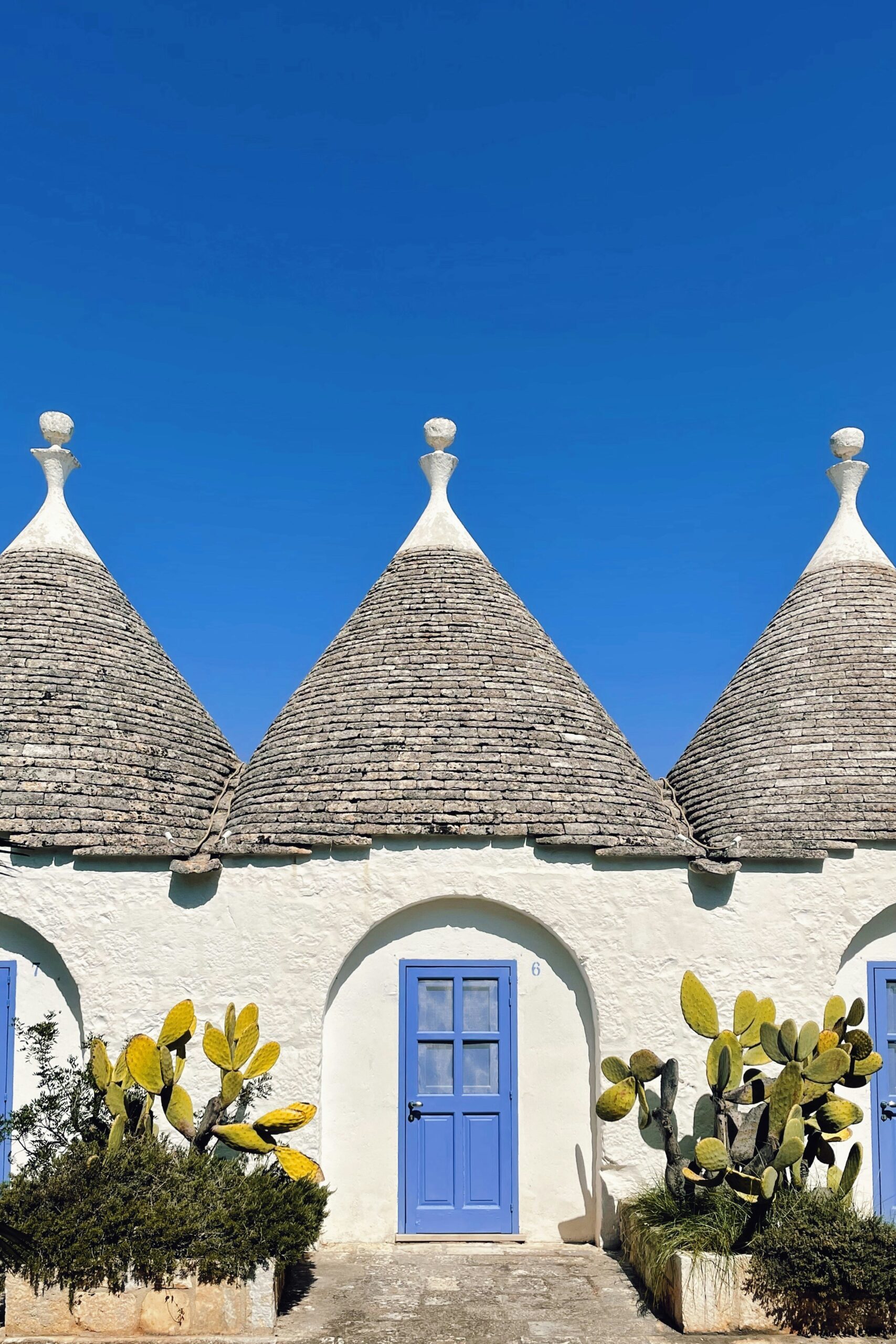
Holiday Home & Villa Booking
Discover your perfect home in Apulia with ApuliaBella. We handpick every trullo, villa, apartment, and masseria to ensure comfort, authenticity, and unforgettable charm. Whether it’s a romantic getaway, a family holiday, or a group escape, we match you with a property that fits your style, group size, and budget. Booking is simple and stress-free — we handle all details so you can focus on enjoying your holiday. With ApuliaBella, your dream Apulian stay is just a few clicks away.
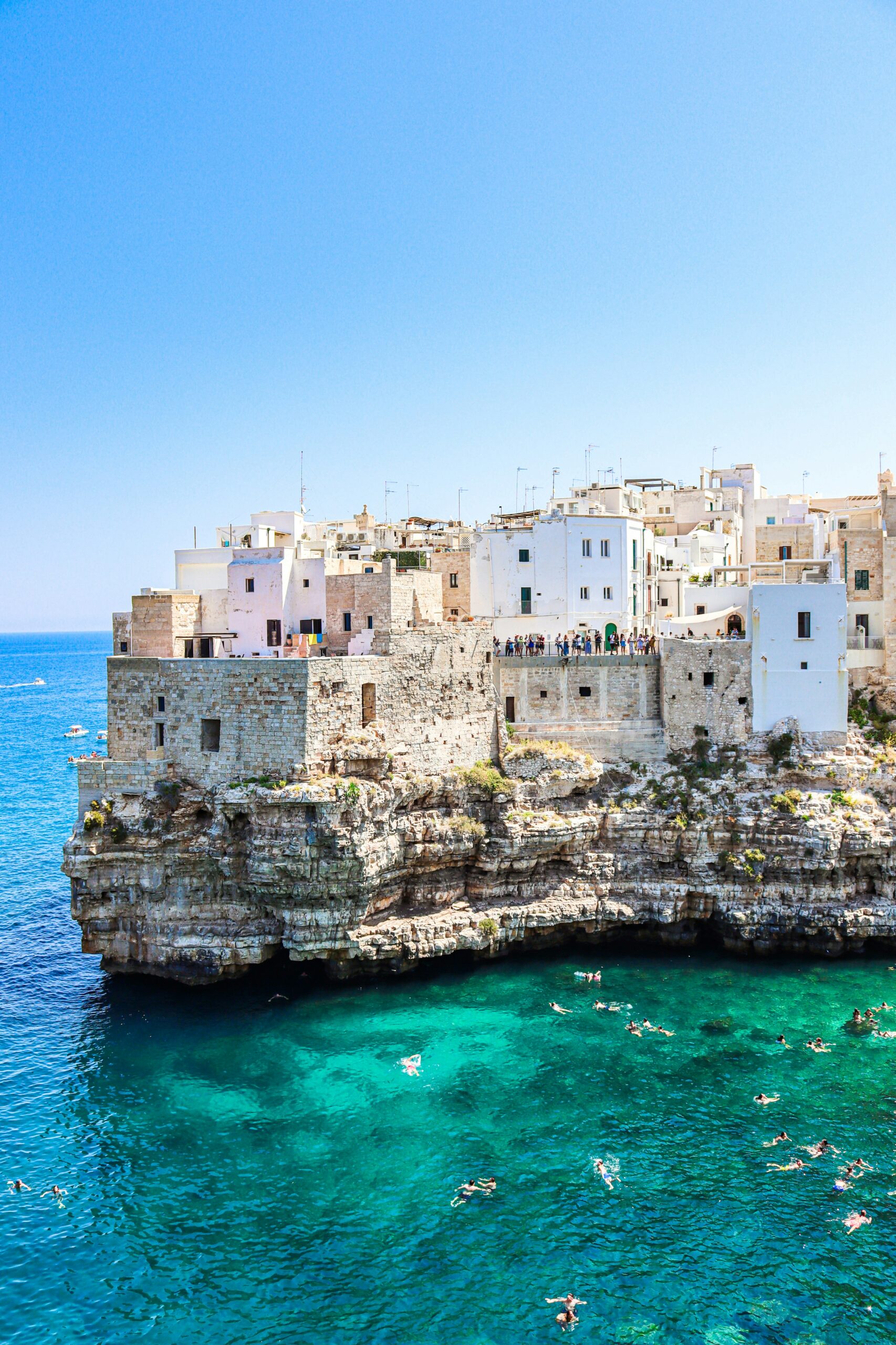
On-Site Guest Support
Enjoy your Apulia holiday without a single worry with ApuliaBella’s On-Site Guest Support. From the moment you arrive, our local team welcomes you personally, guides you through your accommodation, and ensures everything is perfectly prepared. Need tips for the best beaches, restaurants, or hidden gems? We provide insider knowledge tailored to your interests. Should any questions or small issues arise, we’re just a call away — discreet, reliable, and ready to assist. With ApuliaBella, your stay is seamless, stress-free, and completely focused on relaxation and enjoyment.
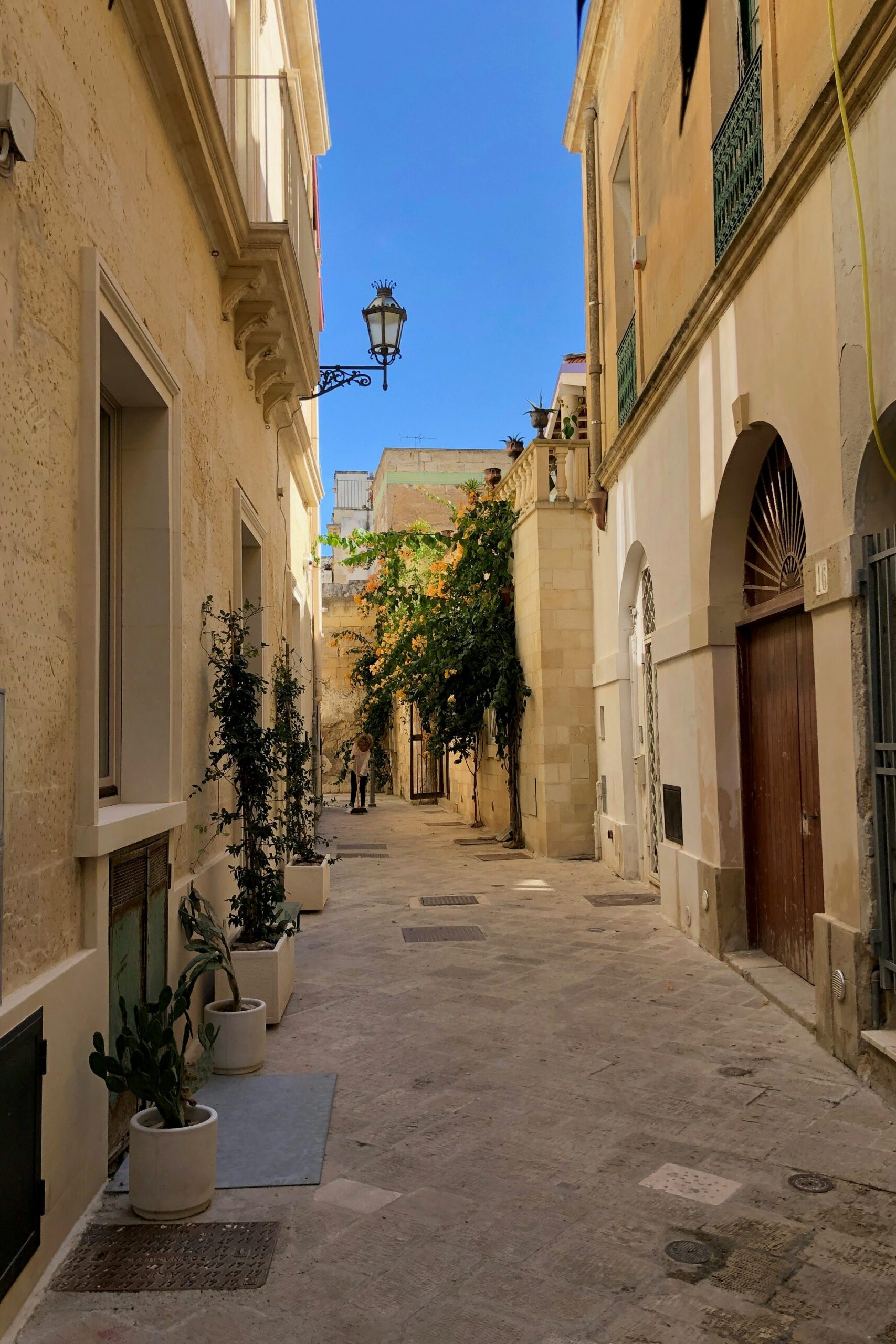
Services for Property Owners
Maximize your property’s potential with ApuliaBella. We handle everything — from professional marketing and guest communication to booking management and on-site coordination. Our team ensures your home is presented beautifully, booked efficiently, and maintained to the highest standards. With personalized strategies, we help you attract the right guests while reducing your workload. Trust ApuliaBella to manage your property professionally, giving you peace of mind and satisfied guests every time.
We are the Apulia Experts for Travelers
At ApuliaBella, we are your English-speaking experts for discovering the magic of Apulia. We handpick authentic holiday homes, trulli, villas, and masserie to ensure every stay is comfortable, unique, and unforgettable. Our team lives and breathes Apulia — from its sun-soaked beaches and historic towns to hidden villages and countryside escapes.
We guide you personally from booking to arrival, providing insider tips, local knowledge, and on-site support. Whether you are planning a romantic getaway, a family holiday, or a group adventure, ApuliaBella turns your travel dreams into reality. We are passionate about making every stay effortless, enjoyable, and authentically Apulian. With ApuliaBella, your Apulia experience begins before you even pack your bags.
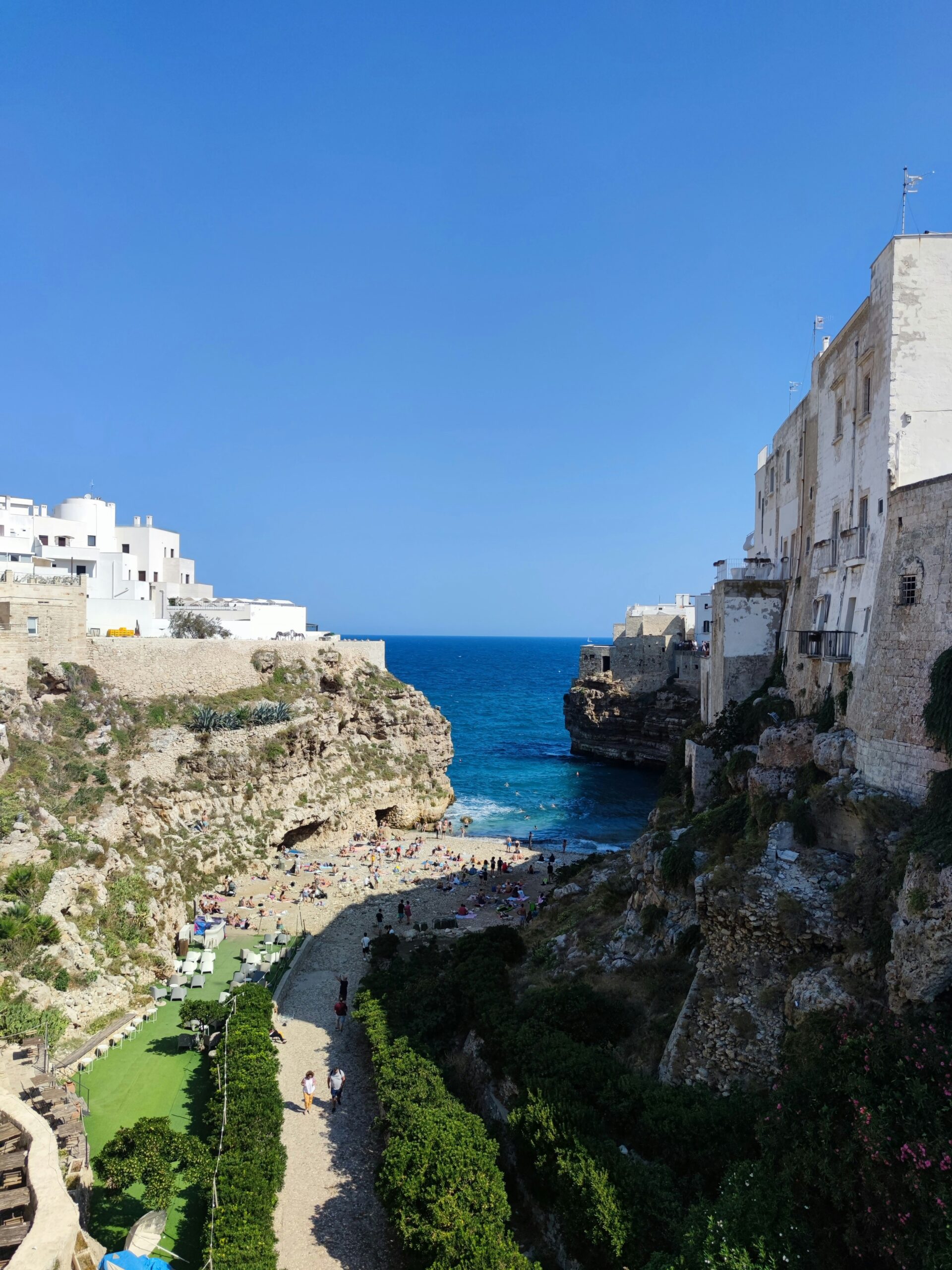
Places in Apulia:
Acquaviva delle Fonti, Accadia, Adelfia, Alberobello, Alberona, Altamura, Anzano di Puglia, Andria, Apricena, Ascoli Satriano, Avetrana, Bari, Barletta, Binetto, Biccari, Bitetto, Bitonto, Bitritto, Bisceglie, Bovino, Brindisi, Cagnano Varano, Candela, Canosa di Puglia, Carapelle, Carlantino, Carpino, Carosino, Carovigno, Casamassima, Casarano, Casalnuovo Monterotaro, Casalvecchio di Puglia, Castellana Grotte, Castellaneta, Castelluccio dei Sauri, Castelluccio Valmaggiore, Castelnuovo della Daunia, Cellamare, Celle di San Vito, Celenza Valfortore, Cellino San Marco, Ceglie Messapica, Cerignola, Chieuti, Cisternino, Corato, Copertino, Crispiano, Deliceto, Erchie, Faggiano, Fasano, Faeto, Foggia, Francavilla Fontana, Galatina, Galatone, Gallipoli, Gioia del Colle, Ginosa, Giovinazzo, Grottaglie, Gravina in Puglia, Grumo Appula, Ischitella, Isole Tremiti, Laterza, Latiano, Lecce, Leverano, Leporano, Lesina, Lizzano, Lizzanello, Locorotondo, Lucera, Maglie, Manduria, Manfredonia, Margherita di Savoia, Martina Franca, Maruggio, Massafra, Mattinata, Mesagne, Molfetta, Modugno, Monopoli, Monte Sant’Angelo, Montemesola, Monteiasi, Monteparano, Monteroni di Lecce, Monteleone di Puglia, Mottola, Motta Montecorvino, Nardò, Noci, Noicàttaro, Ordona, Oria, Orta Nova, Ostuni, Palagiano, Palagianello, Palo del Colle, Panni, Peschici, Pietramontecorvino, Poggiorsini, Polignano a Mare, Pulsano, Putignano, Rignano Garganico, Rodi Garganico, Roccaforzata, Roseto Valfortore, Ruvo di Puglia, Rutigliano, Sannicandro di Bari, Sannicandro Garganico, Sammichele di Bari, San Donaci, San Ferdinando di Puglia, San Giorgio Ionico, San Giovanni Rotondo, San Marzano di San Giuseppe, San Marco in Lamis, San Marco la Catola, San Michele Salentino, San Nicandro Garganico, San Paolo di Civitate, San Pancrazio Salentino, San Pietro Vernotico, Santeramo in Colle, Sava, Serracapriola, Spinazzola, Statte, Stornara, Stornarella, Surbo, Tarent, Taviano, Terlizzi, Trani, Tricase, Triggiano, Trinitapoli, Trepuzzi, Toritto, Torremaggiore, Torre Santa Susanna, Torricella, Torchiarolo, Turi, Ugento, Valenzano, Veglie, Vico del Gargano, Vieste, Villa Castelli, Volturara Appula, Volturino, Zapponeta