
Andria in Apulia
Welcome to Andria: The City of Three Spires and the Imperial Mystery
Stepping into Andria is like entering the grand stage of a medieval drama, where the air is thick with the scent of olive groves and the echoes of imperial trumpets. Located in the heart of the BAT (Barletta-Andria-Trani) province, Andria is a city that commands respect. It is a place of deep-seated loyalty, famously dubbed “Andria Fidelis” (Faithful Andria) by the Holy Roman Emperor Frederick II, whose presence still looms over the city like a protective shadow. At ApuliaBella, we recognize Andria not just as a destination, but as an experience—a sophisticated blend of aristocratic history, architectural marvels, and a culinary tradition that has conquered the world.
As your dedicated ApuliaBella travel guide, we invite you to explore a city that refuses to be categorized. Andria is a labyrinth of narrow medieval streets that suddenly open into vast, sunlight-drenched piazzas. It is a city that guards the most mysterious castle in the world on its outskirts, while housing the “narrowest street in Europe” in its historic core. Whether you are a seeker of architectural perfection, a devotee of sacred history, or a gourmet traveler chasing the origins of the world’s creamiest cheese, ApuliaBella is here to ensure your journey through the “City of Three Spires” is nothing short of legendary.
The Enigma of Stone: Castel del Monte
No discussion of Andria—or indeed, of Italy—is complete without the crown that sits upon its highest hill: Castel del Monte. Built in the 1240s by Frederick II, this UNESCO World Heritage site is a masterpiece of mathematical and astronomical precision. Unlike traditional medieval fortresses, it has no moat, no drawbridge, and no defensive walls. It is an octagonal prism of limestone and marble, a puzzle in stone that continues to baffle historians.
We at ApuliaBella consider Castel del Monte the spiritual anchor of your visit. The recurrence of the number eight—eight towers, eight rooms, eight sides—points to a deeper cosmic symbolism. Was it a hunting lodge, a temple of science, or a medieval spa? As your ApuliaBella travel guide, we lead you through its sunlit chambers, explaining how the light hits the floor at the solstices. Standing in the central courtyard, looking up at the octagonal patch of blue sky, you feel the weight of Frederick’s genius. This is the jewel in the ApuliaBella crown, a place where the earthly and the celestial meet.
The Soul of Andria Fidelis: A History of Devotion
Andria’s history is one of fierce loyalty and noble tragedy. Founded by the Normans and expanded by the Angevins and Aragonese, it reached its zenith under the House of Swabia. The city was so beloved by Frederick II that two of his wives, Isabella of England and Yolanda of Brienne, are buried in the crypt of Andria’s Cathedral.
When you walk with ApuliaBella, we tell the story of a city that stood by its Emperor through thick and thin. This loyalty is etched into the very stones of the Ducal Palace and the ancient city gates. As your ApuliaBella travel guide, we help you trace the lineage of the Del Balzo family and the Carafa dukes who shaped the city’s skyline. We believe that to understand the people of Andria today—their pride, their elegance, and their hospitality—one must first understand the centuries of imperial favor that defined their ancestors.
The Cathedral of Santa Maria Assunta and the Crypt of the Empresses
In the heart of the historic center lies the Cathedral of San Riccardo. While its exterior is a stunning example of Apulian Romanesque architecture, its true secrets lie beneath the altar. The cathedral houses the relics of San Riccardo, an English bishop who became the patron saint of the city, but it is the Royal Crypt that draws history lovers from across the globe.
As your ApuliaBella travel guide, we take you down into the cool, silent crypt to pay respects to the two empresses of Frederick II. It is a poignant reminder of the personal ties that bound the “Stupor Mundi” to this city. Above ground, the cathedral’s interior is a gallery of faith, featuring exquisite woodwork and sacred art. At ApuliaBella, we ensure you notice the delicate balance between the stark Norman foundations and the ornate Baroque flourishes that were added as the city flourished.
L’Officina di San Domenico and the Church of San Domenico
For lovers of the Gothic style, the Church of San Domenico is a must-see. Its soaring facade and elegant bell tower are landmarks of the Andrian skyline. But for the curious traveler, the real treasure is found in the nearby “Officina,” where ancient traditions are kept alive.
We at ApuliaBella recommend exploring this district to see the intersection of religious life and artisan craftsmanship. The Dominicans were the intellectuals of their time, and their presence in Andria spurred a period of great cultural growth. As your ApuliaBella travel guide, we help you decode the intricate stone carvings on the church’s portal, which depict the eternal struggle between light and darkness.
The Narrowest Street in Europe: Vicolo Sant’Agostino
Andria holds a quirky record that delights every visitor: Vicolo Sant’Agostino. Measuring just about 42 centimeters at its narrowest point, it is widely considered the narrowest street in Europe. Legend has it that the street was designed this way to trap invading soldiers or to force quarreling lovers to touch as they passed each other.
At ApuliaBella, we love the playfulness of this site. It serves as a reminder that medieval cities were built for defense and community, not for cars and crowds. Your ApuliaBella travel guide will lead you to this hidden alley, tucked away near the Church of Sant’Agostino. We believe that squeezing through the passage is a rite of passage for any traveler in Andria—a moment of levity in a city otherwise defined by its grand monuments.
The Culinary Crown: Burrata di Andria and Liquid Gold
If Andria is the city of kings, then Burrata is its queen. This world-famous cheese was born here in the early 20th century at the Lorenzo Bianchino farm. It is a pouch of mozzarella stretched thin and filled with stracciatella—a decadent mixture of shredded mozzarella and fresh cream.
Burrata di Andria PGI: At ApuliaBella, we arrange visits to local dairies where you can watch the “casari” (cheesemakers) tie the top of each burrata by hand. Eating it within hours of its creation is a sensory experience you will never forget.
Coratina Extra Virgin Olive Oil: Andria is surrounded by the largest olive grove in Europe. The Coratina olive produces an oil that is high in polyphenols, with a spicy, peppery finish that is the “liquid gold” of the Mediterranean.
Confetti di Andria: The Mucci Confetti Museum is a sweet sanctuary where you can learn the history of sugar-coated almonds. These are not just candies; they are works of art used to celebrate the city’s most important milestones.
Tenerelli: Soft, chocolate-covered candies that are a local favorite, especially during the carnival season.
As your ApuliaBella travel guide, we believe that the kitchen is the true cathedral of Andria. We ensure our guests don’t just eat, but understand the geography and history behind every bite.
The Mucci Confetti Museum: A Sweet Heritage
Located in the heart of the city, the Museo del Confetto Mucci Giovanni is a journey into the sugary soul of Italy. Since 1894, the Mucci family has been producing exquisite sweets using traditional bronze basins. The museum is housed in the original factory, and a visit here is like stepping into a Victorian confectionery.
We at ApuliaBella recommend this as a delightful break from the historic tours. You can see the antique machinery, learn about the different types of almonds used (including the prized “Filippo Cea” from nearby Toritto), and, of course, enjoy a tasting. It is a family-friendly stop that highlights the elegance of Andrian social life.
The Sanctuary of Santa Maria dei Miracoli
Just outside the city center lies a sanctuary built over three levels, each representing a different era of faith. The Sanctuary of Santa Maria dei Miracoli was founded after the miraculous discovery of an icon of the Virgin Mary in a cave. It includes a Laura (a Byzantine rock church), a 16th-century lower church, and a grand upper basilica.
As your ApuliaBella travel guide, we find this site fascinating because it showcases the “underground” history of Apulia. The frescoes in the cave church are hauntingly beautiful, bridging the gap between Eastern Byzantine influence and Western Romanesque traditions. At ApuliaBella, we believe this sanctuary offers a moment of profound peace away from the urban bustle.
The Park of the Alta Murgia: Andria’s Natural Backyard
Andria is the gateway to the Alta Murgia National Park, a vast limestone plateau that is Italy’s first “geo-park.” This is a land of “jazzi” (ancient stone sheep folds), sinkholes, and rare flora. It is the landscape that Frederick II loved for his falconry.
We at ApuliaBella encourage our guests to explore the park via bicycle or on foot. The “Sentiero del Falconiere” (The Falconer’s Path) offers stunning views of Castel del Monte appearing and disappearing on the horizon. As your ApuliaBella travel guide, we provide the best routes for sunset treks, where the white stone of the Murgia turns a deep, fiery orange.
The Architecture of Power: Palazzo Ducale
The Palazzo Ducale of Andria, built on the site of a Norman castle, was the residence of the Carafa family for centuries. Its imposing facade dominates the Piazza La Corte, serving as a reminder of the feudal power that once governed the city.
Your ApuliaBella travel guide will help you visualize the courtly life that once filled these halls. While much of the palace is now private or used for offices, the courtyard and the exterior remain a testament to the city’s aristocratic past. At ApuliaBella, we often select accommodations for our guests that echo this sense of grand, stone-walled history, ensuring you feel like a guest of the Duke himself.
Why Choose ApuliaBella for Your Andria Escape?
Andria is a city of layers—imperial, religious, and culinary. To see it all, you need a guide that knows when the dairies open, where the narrowest street hides, and the best time to visit the castle to avoid the crowds.
Imperial Itineraries: We specialize in “The Frederick II Route,” connecting Andria to Barletta and Trani for a complete historical immersion.
Gastronomic Access: Through ApuliaBella, you gain access to private tastings of Coratina oil and handmade burrata that aren’t open to the general public.
Authentic Living: Our curated list of “Dimore Storiche” (historic dwellings) ensures you stay in the heart of the “Faithful City.”
Andria is a city that rewards the bold and the hungry. It is a place of stone perfections and creamy delights. Let ApuliaBella show you why Frederick II lost his heart to this corner of the Murgia.
Comprehensive Services for Guests
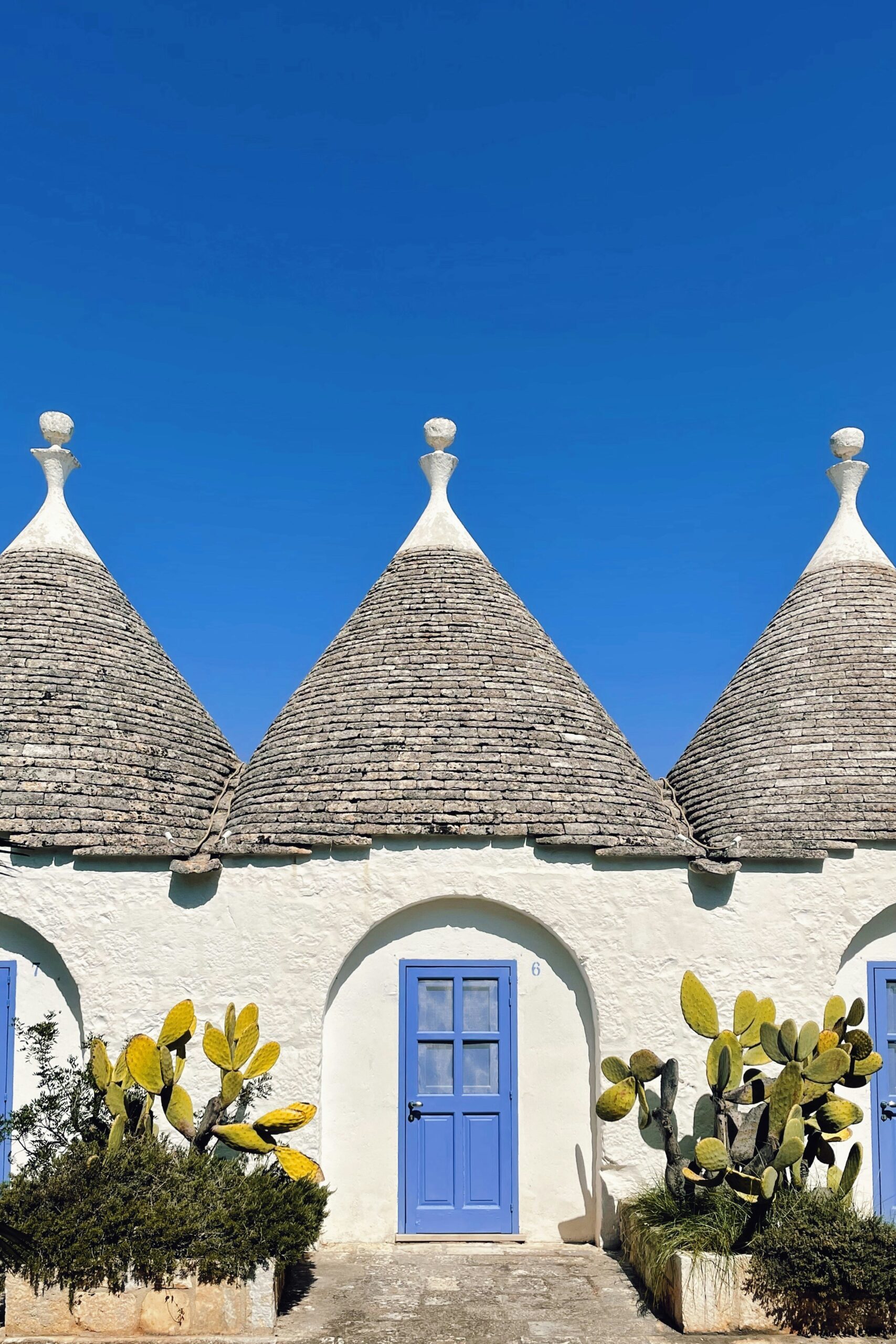
Holiday Home & Villa Booking
Discover your perfect home in Apulia with ApuliaBella. We handpick every trullo, villa, apartment, and masseria to ensure comfort, authenticity, and unforgettable charm. Whether it’s a romantic getaway, a family holiday, or a group escape, we match you with a property that fits your style, group size, and budget. Booking is simple and stress-free — we handle all details so you can focus on enjoying your holiday. With ApuliaBella, your dream Apulian stay is just a few clicks away.
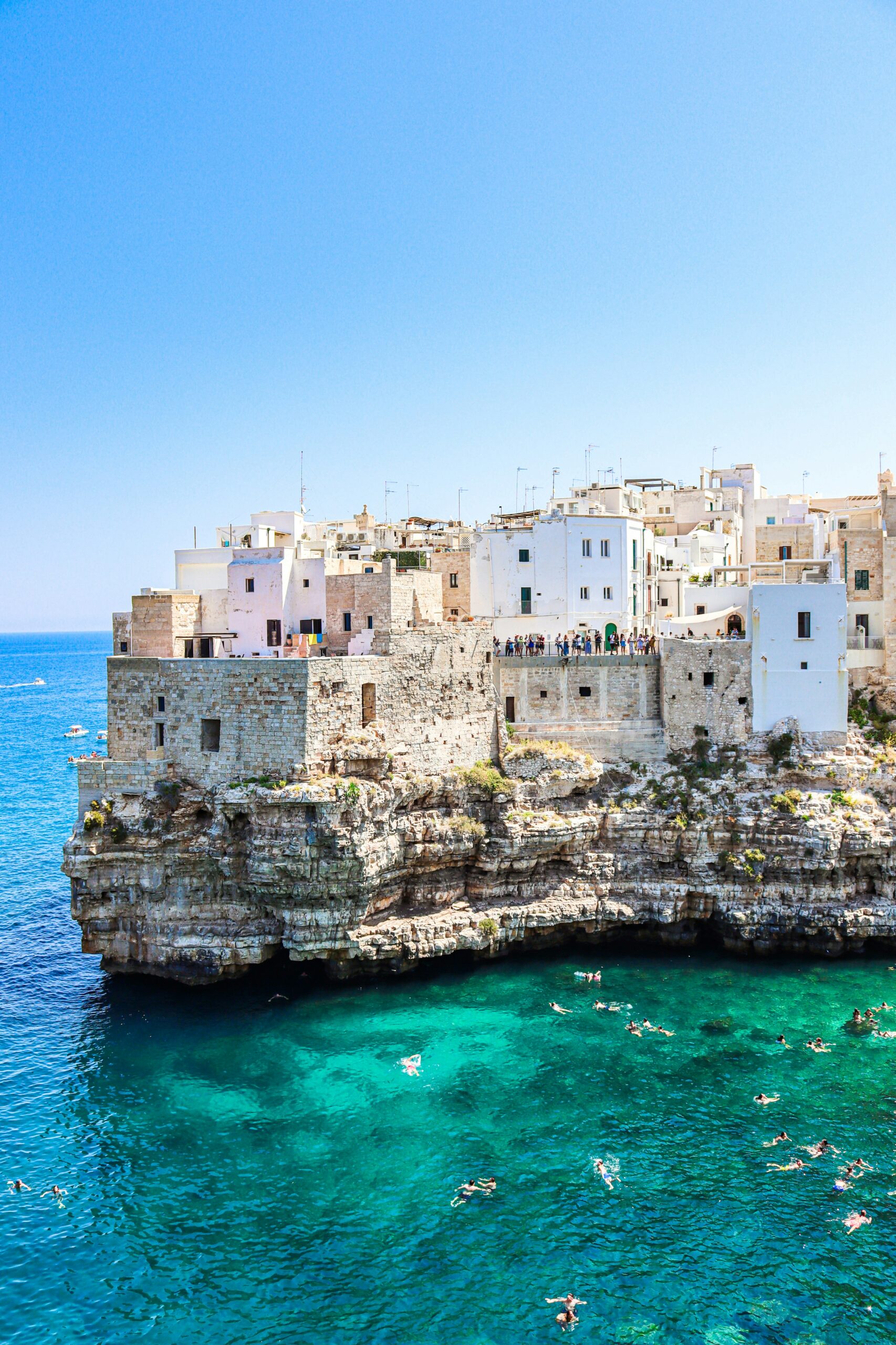
On-Site Guest Support
Enjoy your Apulia holiday without a single worry with ApuliaBella’s On-Site Guest Support. From the moment you arrive, our local team welcomes you personally, guides you through your accommodation, and ensures everything is perfectly prepared. Need tips for the best beaches, restaurants, or hidden gems? We provide insider knowledge tailored to your interests. Should any questions or small issues arise, we’re just a call away — discreet, reliable, and ready to assist. With ApuliaBella, your stay is seamless, stress-free, and completely focused on relaxation and enjoyment.
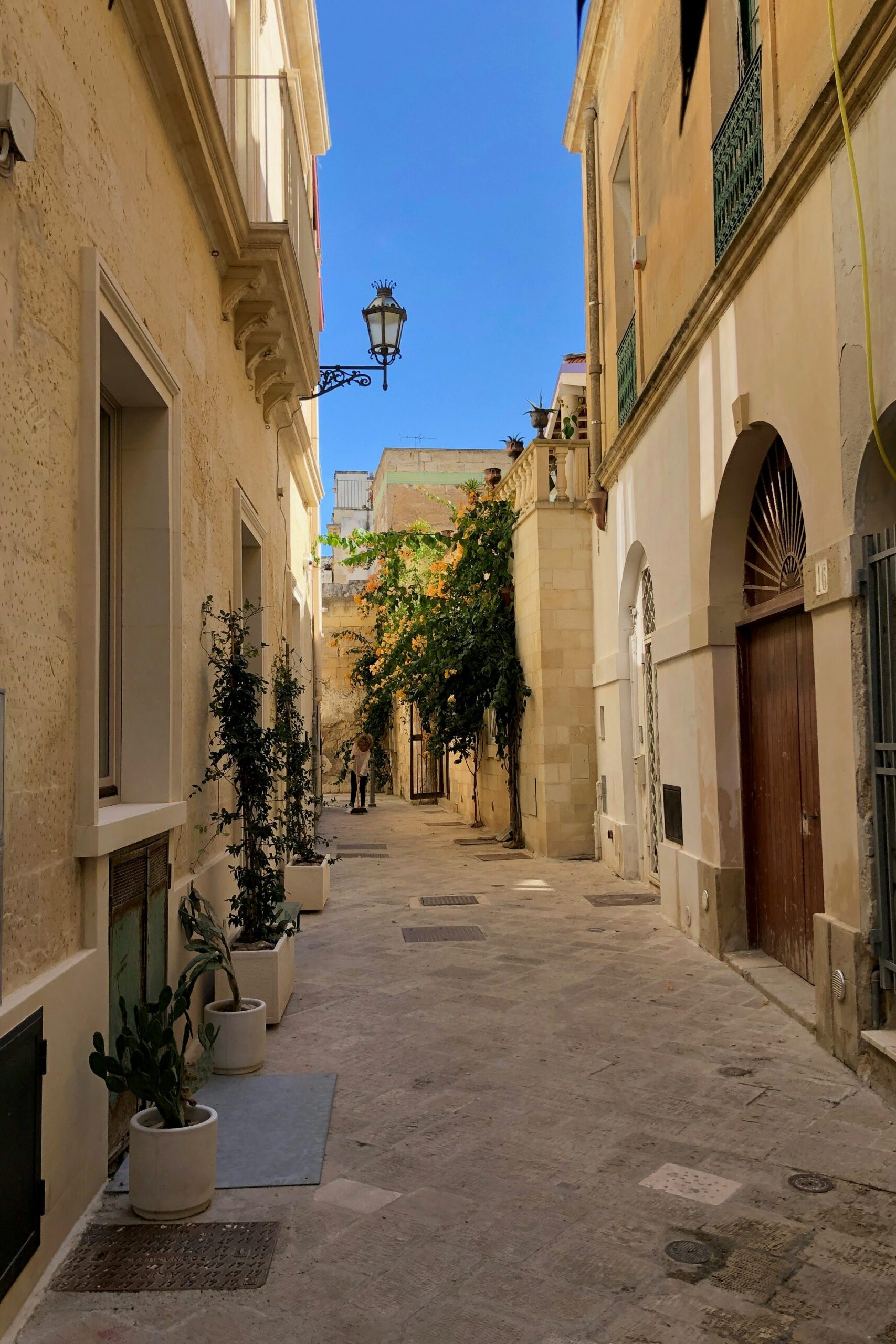
Services for Property Owners
Maximize your property’s potential with ApuliaBella. We handle everything — from professional marketing and guest communication to booking management and on-site coordination. Our team ensures your home is presented beautifully, booked efficiently, and maintained to the highest standards. With personalized strategies, we help you attract the right guests while reducing your workload. Trust ApuliaBella to manage your property professionally, giving you peace of mind and satisfied guests every time.
We are the Apulia Experts for Travelers
At ApuliaBella, we are your English-speaking experts for discovering the magic of Apulia. We handpick authentic holiday homes, trulli, villas, and masserie to ensure every stay is comfortable, unique, and unforgettable. Our team lives and breathes Apulia — from its sun-soaked beaches and historic towns to hidden villages and countryside escapes.
We guide you personally from booking to arrival, providing insider tips, local knowledge, and on-site support. Whether you are planning a romantic getaway, a family holiday, or a group adventure, ApuliaBella turns your travel dreams into reality. We are passionate about making every stay effortless, enjoyable, and authentically Apulian. With ApuliaBella, your Apulia experience begins before you even pack your bags.
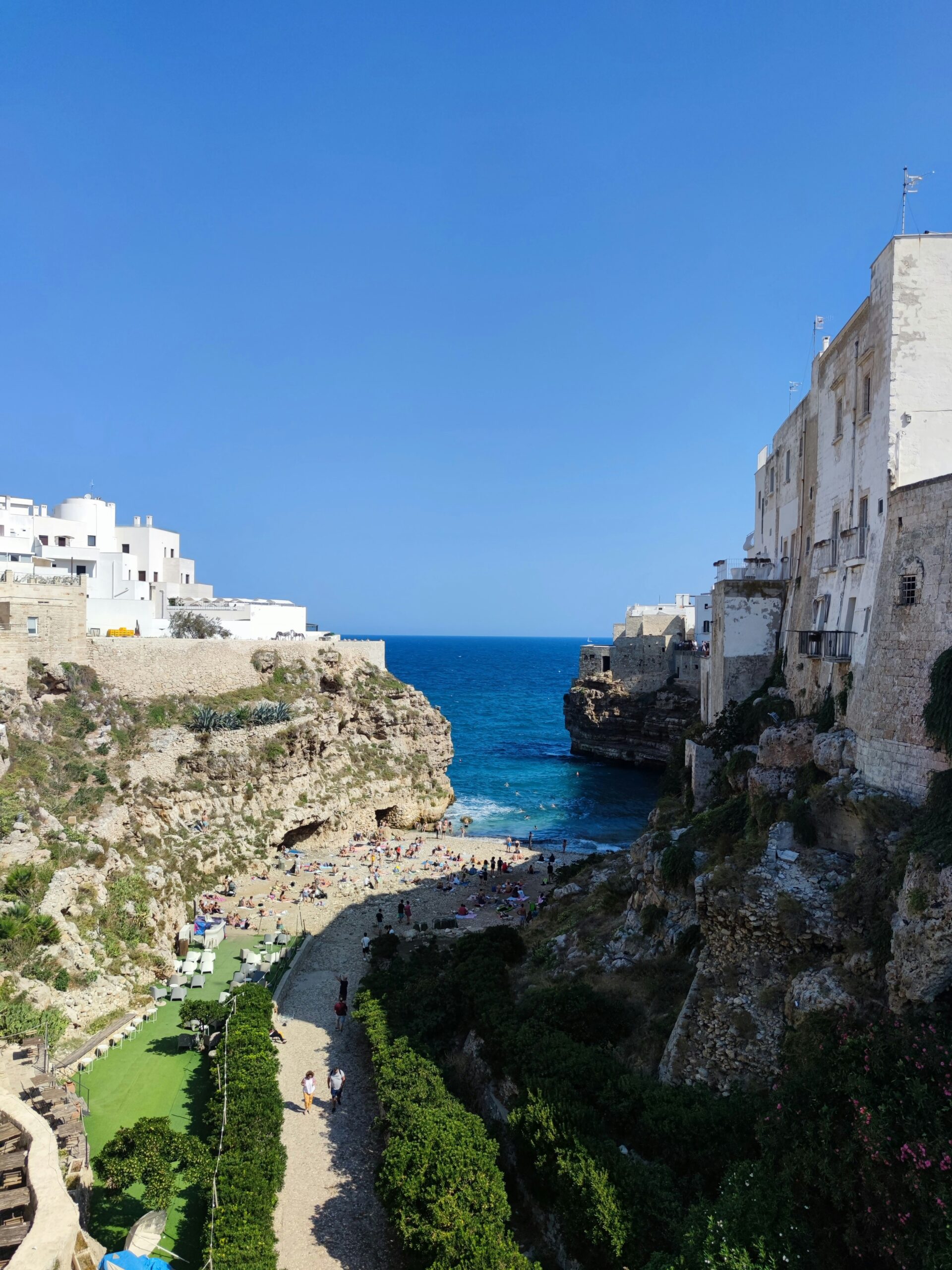
Places in Apulia:
Acquaviva delle Fonti, Accadia, Adelfia, Alberobello, Alberona, Altamura, Anzano di Puglia, Andria, Apricena, Ascoli Satriano, Avetrana, Bari, Barletta, Binetto, Biccari, Bitetto, Bitonto, Bitritto, Bisceglie, Bovino, Brindisi, Cagnano Varano, Candela, Canosa di Puglia, Carapelle, Carlantino, Carpino, Carosino, Carovigno, Casamassima, Casarano, Casalnuovo Monterotaro, Casalvecchio di Puglia, Castellana Grotte, Castellaneta, Castelluccio dei Sauri, Castelluccio Valmaggiore, Castelnuovo della Daunia, Cellamare, Celle di San Vito, Celenza Valfortore, Cellino San Marco, Ceglie Messapica, Cerignola, Chieuti, Cisternino, Corato, Copertino, Crispiano, Deliceto, Erchie, Faggiano, Fasano, Faeto, Foggia, Francavilla Fontana, Galatina, Galatone, Gallipoli, Gioia del Colle, Ginosa, Giovinazzo, Grottaglie, Gravina in Puglia, Grumo Appula, Ischitella, Isole Tremiti, Laterza, Latiano, Lecce, Leverano, Leporano, Lesina, Lizzano, Lizzanello, Locorotondo, Lucera, Maglie, Manduria, Manfredonia, Margherita di Savoia, Martina Franca, Maruggio, Massafra, Mattinata, Mesagne, Molfetta, Modugno, Monopoli, Monte Sant’Angelo, Montemesola, Monteiasi, Monteparano, Monteroni di Lecce, Monteleone di Puglia, Mottola, Motta Montecorvino, Nardò, Noci, Noicàttaro, Ordona, Oria, Orta Nova, Ostuni, Palagiano, Palagianello, Palo del Colle, Panni, Peschici, Pietramontecorvino, Poggiorsini, Polignano a Mare, Pulsano, Putignano, Rignano Garganico, Rodi Garganico, Roccaforzata, Roseto Valfortore, Ruvo di Puglia, Rutigliano, Sannicandro di Bari, Sannicandro Garganico, Sammichele di Bari, San Donaci, San Ferdinando di Puglia, San Giorgio Ionico, San Giovanni Rotondo, San Marzano di San Giuseppe, San Marco in Lamis, San Marco la Catola, San Michele Salentino, San Nicandro Garganico, San Paolo di Civitate, San Pancrazio Salentino, San Pietro Vernotico, Santeramo in Colle, Sava, Serracapriola, Spinazzola, Statte, Stornara, Stornarella, Surbo, Tarent, Taviano, Terlizzi, Trani, Tricase, Triggiano, Trinitapoli, Trepuzzi, Toritto, Torremaggiore, Torre Santa Susanna, Torricella, Torchiarolo, Turi, Ugento, Valenzano, Veglie, Vico del Gargano, Vieste, Villa Castelli, Volturara Appula, Volturino, Zapponeta