
Carlantino in Apulia
Welcome to Carlantino: The Panoramic Balcony of the Fortore Valley
High above the sparkling blue expanse of Lake Occhito, where the borders of Apulia, Molise, and Campania converge in a rugged embrace of hills and oak forests, stands Carlantino. If you are searching for the hidden “finis terrae” of the Foggia province, you have found it. At ApuliaBella, we describe Carlantino as a town of horizons. It is a place where the air is scented with wild mint and woodsmoke, and where the silence is so profound you can hear the wings of a hawk circling the valley below.
As your dedicated ApuliaBella travel guide, we invite you to discover a village that feels like a sentinel. Carlantino is not a place you simply pass through; it is a destination for the intentional traveler, the hiker, and the dreamer. It is a town that has transformed from a feudal outpost into a serene retreat for those looking to escape the coastal crowds. Whether you are here to explore the archaeological mysteries of Mount San Giovanni or to taste the “liquid gold” of its high-altitude olive groves, ApuliaBella is here to ensure your journey to this mountain balcony is as inspiring as the views it commands.
The Legacy of Carlo Gambacorta: A Story of Rebirth
The history of Carlantino is a tale of aristocratic vision. While the surrounding hills have been inhabited since the Daunian and Roman eras, the town as we see it today was a deliberate creation of the late 16th century. It was founded by the feudal lord Carlo Gambacorta, Count of Macchia, who envisioned a new settlement to repopulate the fertile heights overlooking the Fortore River. He gave the town his name—Carla-antino—and laid the foundations for a community of farmers and shepherds.
When you walk the quiet, orderly streets with ApuliaBella, you are seeing the result of a “planned” Renaissance village. Unlike the chaotic medieval labyrinths of the coast, Carlantino possesses a dignified, linear charm. At ApuliaBella, we find the story of its founding deeply romantic; it represents a moment in history when a nobleman and a landscape came together to create a sanctuary. We help you trace this lineage from the ruins of the ancient Monte San Giovanni, which once stood as a Byzantine stronghold, to the modern resilience of a town that guards the water reserves of an entire region.
Mount San Giovanni: Where History Meets the Sky
Just a short distance from the town center lies the archaeological and natural site of Monte San Giovanni. This peak is the historical soul of the territory. Excavations have revealed remains of ancient fortifications, dwellings, and a necropolis that span from the Iron Age to the Middle Ages.
As your ApuliaBella travel guide, we consider a trek to the summit of Monte San Giovanni a mandatory experience. As you climb, you are walking through layers of time—past Daunian pottery fragments and medieval stone footings. The reward at the top is a 360-degree panorama that encompasses the Matese Mountains, the Gargano Promontory, and the vast Tavoliere plain. At ApuliaBella, we believe that standing on this peak is the best way to understand the strategic importance of Carlantino. It was the “eye” of the Fortore Valley, watching over the ancient paths of the Transhumance.
Lake Occhito: The Emerald Mirror of the Daunia
The landscape of Carlantino is dominated by the presence of Lake Occhito, one of the largest artificial basins in Europe, created by damming the Fortore River. The lake has created a unique microclimate and a haven for migratory birds, otters, and lush vegetation.
We at ApuliaBella recommend spending a morning along the shores of the lake. It is a paradise for birdwatching and photography, where the blue of the water contrasts sharply with the silver of the olive groves. As your ApuliaBella travel guide, we can point you toward the most scenic picnic spots where the only sound is the gentle lapping of the water. At ApuliaBella, we see the lake as the “lung” of the region, providing a sense of coastal serenity in the heart of the mountains.
The Church of San Donato Martire: A Spiritual Anchor
The Mother Church of Carlantino, dedicated to San Donato, is the spiritual and social heart of the community. Built shortly after the town’s founding, it has undergone several renovations that have added layers of artistic beauty to its structure.
Your ApuliaBella travel guide suggests visiting the church during the feast of San Donato in August. The town erupts in celebration, with processions that wind through the streets and traditional music that echoes off the stone houses. Inside the church, you will find precious statues and a sense of quiet devotion that is typical of the Daunian villages. At ApuliaBella, we believe that these small-town churches are the true keepers of Apulian identity. They are not just monuments; they are the living rooms of the faithful.
The Noble Portals and the “Pietra di Carlantino”
The architecture of Carlantino is defined by the use of local stone, which has a distinct grey-white hue. As you wander with ApuliaBella, you will notice the elegant stone portals of the older homes, many of which are decorated with the symbols of the families who first settled here under the Gambacorta family.
As your ApuliaBella travel guide, we encourage you to look at the craftsmanship of the masonry. The “scarpellini” (stonemasons) of this region were famous for their ability to turn hard rock into delicate floral motifs and family crests. At ApuliaBella, we love the “solidity” of Carlantino. It feels like a town built to last for eternity, anchored to the ridge by the sheer weight of its history. We help you find the quietest “vichi” where the stone seems to absorb the sunlight, glowing softly in the late afternoon.
Culinary Specialties of Carlantino: The Taste of the High Fortore
The food in Carlantino is an honest, robust reflection of the borderlands. It borrows the best from the Apulian grain tradition and the Molise mountain flavors. At ApuliaBella, we believe the “zero-kilometer” movement was born here centuries ago.
Olio Extravergine di Oliva (Dauno Gargano): The olives grown at this altitude produce an oil that is incredibly pure, with a balanced flavor of almond and fresh grass.
Cavatelli with Lamb Ragù: A staple of the Sunday table. The pasta is handmade and “dragged” to create a shape perfect for catching the rich, slow-cooked meat sauce.
I Torcinelli: Small rolls of lamb liver and sweetbreads, seasoned with parsley and grilled. They are the quintessential taste of the Daunian festivals.
Pane di Carlantino: A heavy, crusty sourdough bread made from local durum wheat, designed to stay fresh for a week.
Wild Asparagus and Chicory: In the spring, the hills around the town provide a bounty of bitter greens, usually served with local broad bean purée (fave e cicoria).
Mostaccioli: Traditional hard biscuits made with honey and almonds, often enjoyed with a glass of local red wine.
The Insider Tip: The “Sunset of the Three Regions”
Here is an ApuliaBella insider tip: To see Carlantino at its most magical, head to the western edge of the town, near the old municipal gardens, at sunset.
Because of its high elevation and western orientation, you can watch the sun dip behind the Matese mountains in Molise. As the sky turns purple, the lights of the distant villages in Campania and Molise begin to twinkle across the valley. Our ApuliaBella recommendation is to bring a bottle of local Cacc’e Mmitte wine and simply watch the borders disappear in the twilight. It is a moment of profound peace that makes you feel like the king of the mountain.
The “Sagra della Focaccia” and Summer Rhythms
While Carlantino is a quiet retreat for most of the year, the summer months bring a vibrant energy. The “Sagra della Focaccia” is a highlight, where the town’s communal ovens produce hundreds of golden, herb-scented flatbreads for locals and visitors alike.
At ApuliaBella, we recommend visiting in July and August to experience this communal spirit. Your ApuliaBella travel guide will ensure you have the schedule for the “Estate Carlantinese,” which includes outdoor cinema, folk dancing, and astronomical nights by the lake. It is a time when the “emigrati” (those who have moved away) return home, and the town feels like one big, extended family. ApuliaBella helps you skip the tourist tropes and join the long tables under the stars.
Why Choose ApuliaBella for Your Carlantino Experience?
Carlantino is a destination for the “deep traveler”—the person who wants to see the Apulia that exists beyond the postcards.
Off-the-Beaten-Path Expertise: We know the hiking trails of Monte San Giovanni and the best fishing spots on Lake Occhito.
Authentic Hospitality: ApuliaBella connects you with local farmhouse stays (agriturismi) where you can learn to make cavatelli from a local “nonna.”
Strategic Planning: We help you navigate the winding mountain roads and time your visit to coincide with the most authentic local festivals.
Carlantino is the panoramic heart of the Daunian borderlands—a place of sky, water, and ancient stone. It is the perfect end-point for those who want to find the true north of Apulia. Let ApuliaBella be your guide to the balcony of the Fortore.
Comprehensive Services for Guests
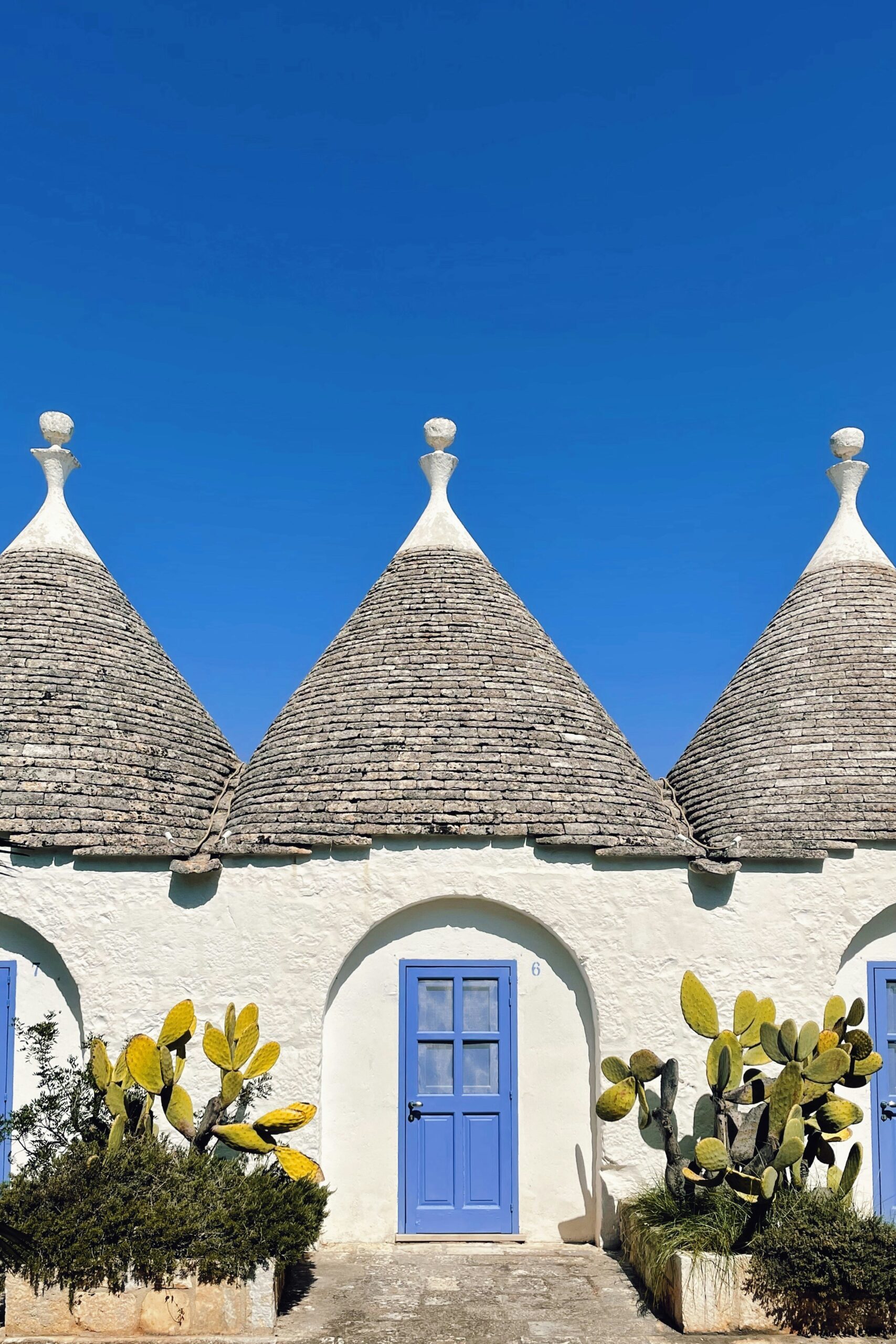
Holiday Home & Villa Booking
Discover your perfect home in Apulia with ApuliaBella. We handpick every trullo, villa, apartment, and masseria to ensure comfort, authenticity, and unforgettable charm. Whether it’s a romantic getaway, a family holiday, or a group escape, we match you with a property that fits your style, group size, and budget. Booking is simple and stress-free — we handle all details so you can focus on enjoying your holiday. With ApuliaBella, your dream Apulian stay is just a few clicks away.
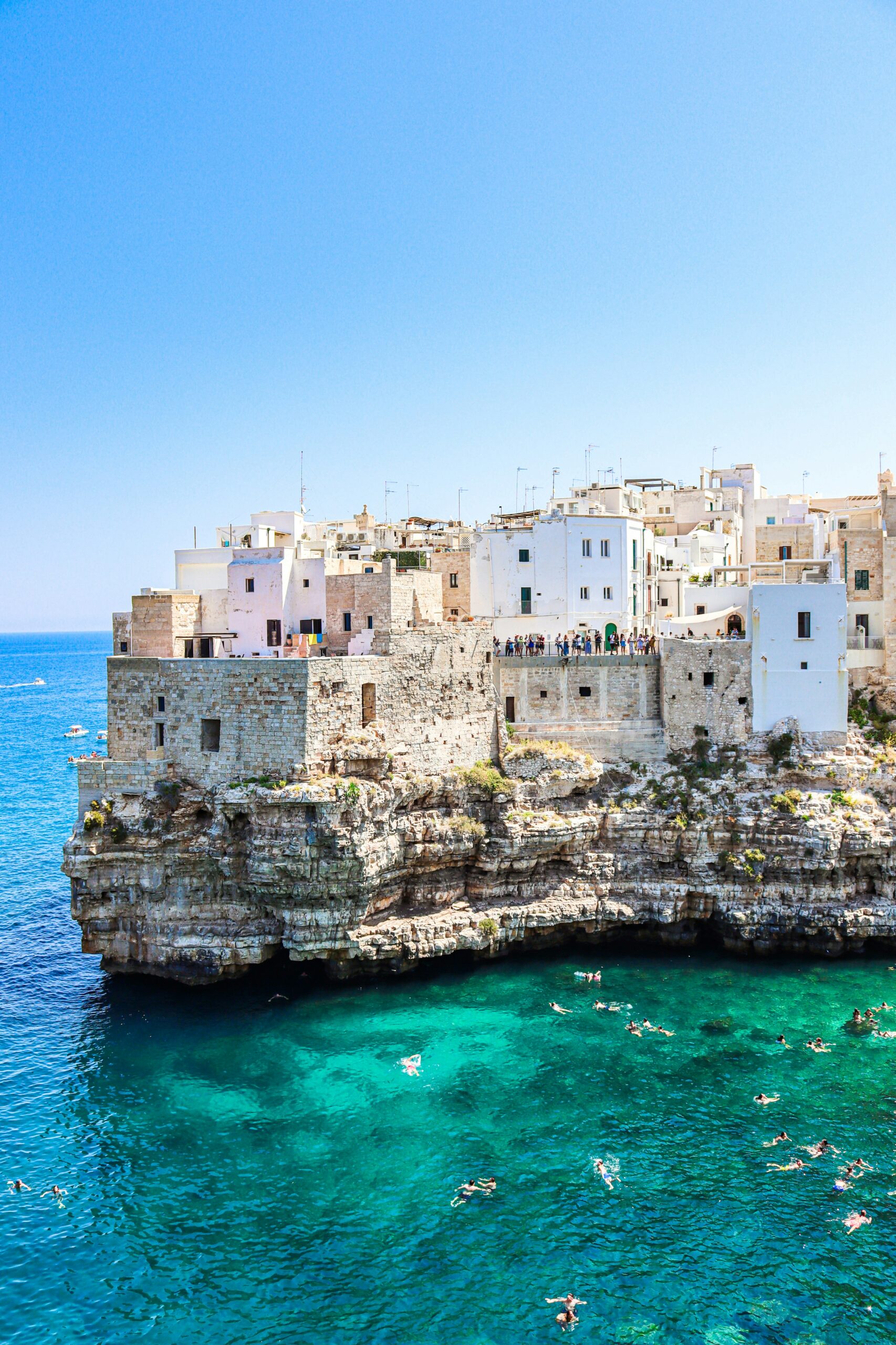
On-Site Guest Support
Enjoy your Apulia holiday without a single worry with ApuliaBella’s On-Site Guest Support. From the moment you arrive, our local team welcomes you personally, guides you through your accommodation, and ensures everything is perfectly prepared. Need tips for the best beaches, restaurants, or hidden gems? We provide insider knowledge tailored to your interests. Should any questions or small issues arise, we’re just a call away — discreet, reliable, and ready to assist. With ApuliaBella, your stay is seamless, stress-free, and completely focused on relaxation and enjoyment.
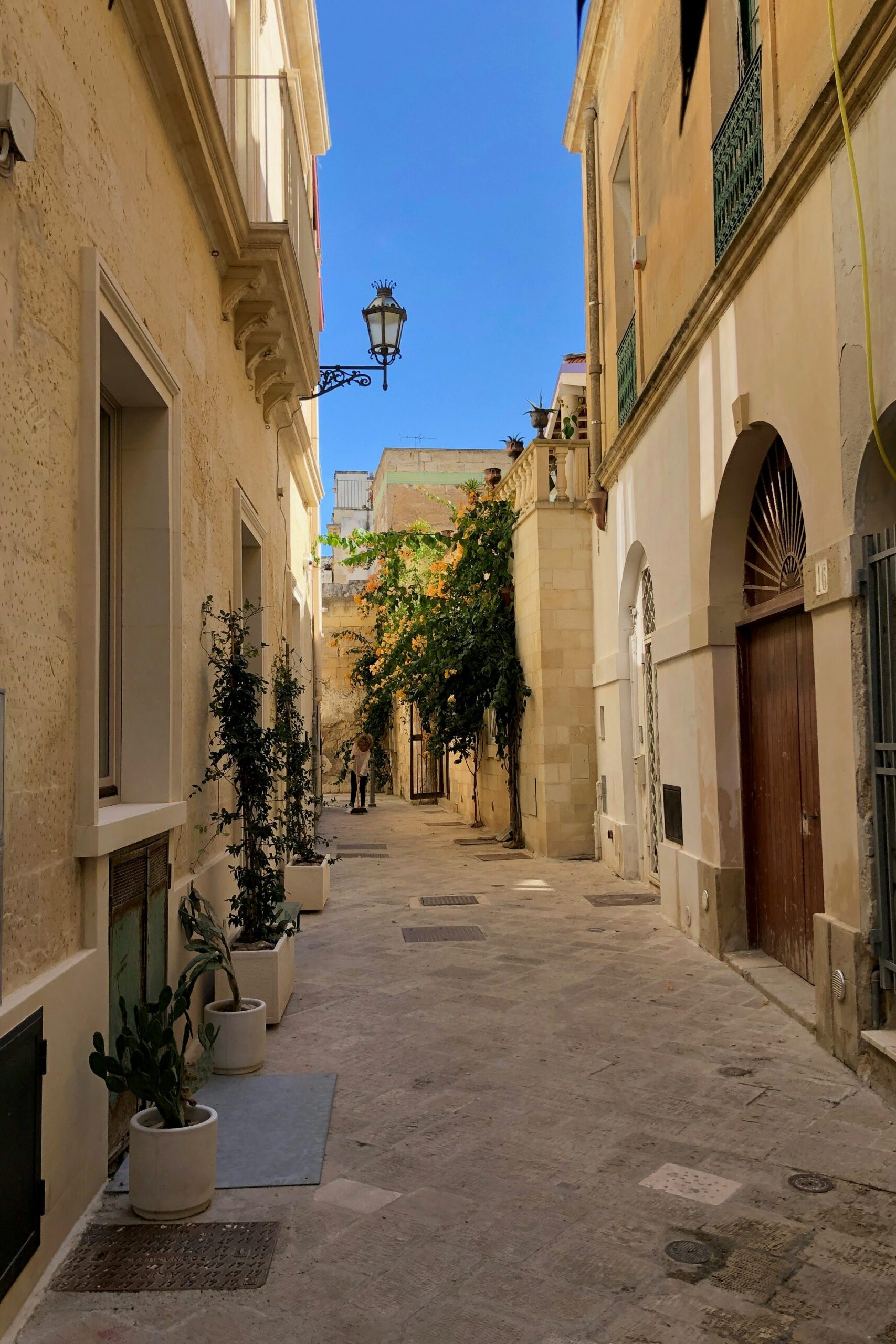
Services for Property Owners
Maximize your property’s potential with ApuliaBella. We handle everything — from professional marketing and guest communication to booking management and on-site coordination. Our team ensures your home is presented beautifully, booked efficiently, and maintained to the highest standards. With personalized strategies, we help you attract the right guests while reducing your workload. Trust ApuliaBella to manage your property professionally, giving you peace of mind and satisfied guests every time.
We are the Apulia Experts for Travelers
At ApuliaBella, we are your English-speaking experts for discovering the magic of Apulia. We handpick authentic holiday homes, trulli, villas, and masserie to ensure every stay is comfortable, unique, and unforgettable. Our team lives and breathes Apulia — from its sun-soaked beaches and historic towns to hidden villages and countryside escapes.
We guide you personally from booking to arrival, providing insider tips, local knowledge, and on-site support. Whether you are planning a romantic getaway, a family holiday, or a group adventure, ApuliaBella turns your travel dreams into reality. We are passionate about making every stay effortless, enjoyable, and authentically Apulian. With ApuliaBella, your Apulia experience begins before you even pack your bags.
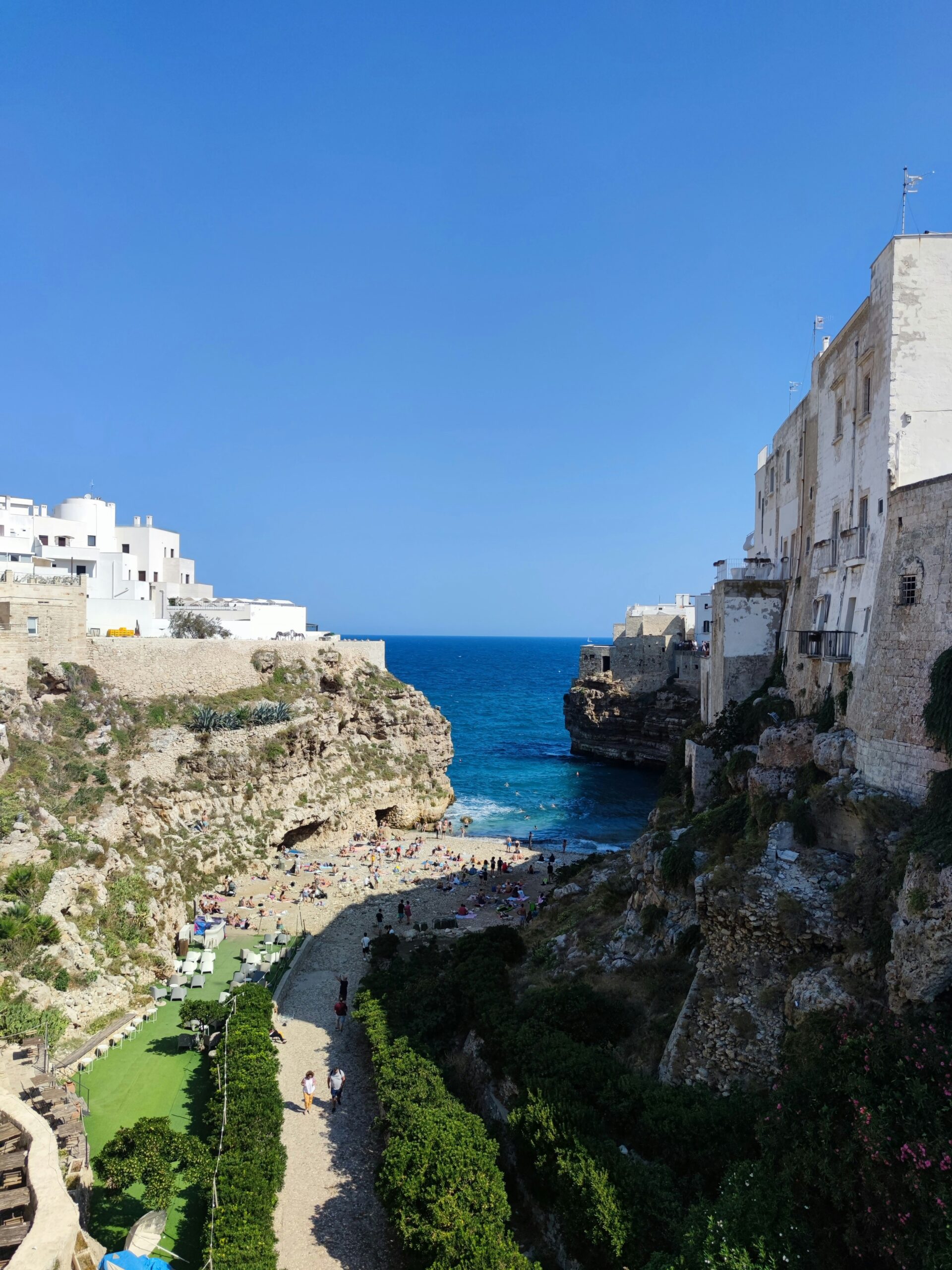
Places in Apulia:
Acquaviva delle Fonti, Accadia, Adelfia, Alberobello, Alberona, Altamura, Anzano di Puglia, Andria, Apricena, Ascoli Satriano, Avetrana, Bari, Barletta, Binetto, Biccari, Bitetto, Bitonto, Bitritto, Bisceglie, Bovino, Brindisi, Cagnano Varano, Candela, Canosa di Puglia, Carapelle, Carlantino, Carpino, Carosino, Carovigno, Casamassima, Casarano, Casalnuovo Monterotaro, Casalvecchio di Puglia, Castellana Grotte, Castellaneta, Castelluccio dei Sauri, Castelluccio Valmaggiore, Castelnuovo della Daunia, Cellamare, Celle di San Vito, Celenza Valfortore, Cellino San Marco, Ceglie Messapica, Cerignola, Chieuti, Cisternino, Corato, Copertino, Crispiano, Deliceto, Erchie, Faggiano, Fasano, Faeto, Foggia, Francavilla Fontana, Galatina, Galatone, Gallipoli, Gioia del Colle, Ginosa, Giovinazzo, Grottaglie, Gravina in Puglia, Grumo Appula, Ischitella, Isole Tremiti, Laterza, Latiano, Lecce, Leverano, Leporano, Lesina, Lizzano, Lizzanello, Locorotondo, Lucera, Maglie, Manduria, Manfredonia, Margherita di Savoia, Martina Franca, Maruggio, Massafra, Mattinata, Mesagne, Molfetta, Modugno, Monopoli, Monte Sant’Angelo, Montemesola, Monteiasi, Monteparano, Monteroni di Lecce, Monteleone di Puglia, Mottola, Motta Montecorvino, Nardò, Noci, Noicàttaro, Ordona, Oria, Orta Nova, Ostuni, Palagiano, Palagianello, Palo del Colle, Panni, Peschici, Pietramontecorvino, Poggiorsini, Polignano a Mare, Pulsano, Putignano, Rignano Garganico, Rodi Garganico, Roccaforzata, Roseto Valfortore, Ruvo di Puglia, Rutigliano, Sannicandro di Bari, Sannicandro Garganico, Sammichele di Bari, San Donaci, San Ferdinando di Puglia, San Giorgio Ionico, San Giovanni Rotondo, San Marzano di San Giuseppe, San Marco in Lamis, San Marco la Catola, San Michele Salentino, San Nicandro Garganico, San Paolo di Civitate, San Pancrazio Salentino, San Pietro Vernotico, Santeramo in Colle, Sava, Serracapriola, Spinazzola, Statte, Stornara, Stornarella, Surbo, Tarent, Taviano, Terlizzi, Trani, Tricase, Triggiano, Trinitapoli, Trepuzzi, Toritto, Torremaggiore, Torre Santa Susanna, Torricella, Torchiarolo, Turi, Ugento, Valenzano, Veglie, Vico del Gargano, Vieste, Villa Castelli, Volturara Appula, Volturino, Zapponeta