
Casalvecchio di Puglia in Apulia
Welcome to Casalvecchio di Puglia: The Arbëreshë Jewel of the Daunian Hills
Hidden within the rolling crests of the Subappennino Dauno, where the golden wheat fields of the Foggia plains begin their ascent toward the rugged peaks of the Apennines, lies a cultural anomaly of extraordinary beauty. Casalvecchio di Puglia is not your typical Apulian village. It is a linguistic island, a sanctuary of history, and a testament to the enduring spirit of the Albanian people who sought refuge on these shores over five centuries ago. At ApuliaBella, we consider Casalvecchio one of the most culturally significant stops in Northern Apulia—a place where the Italian sun illuminates a vibrant Balkan soul.
As your dedicated ApuliaBella travel guide, we invite you to step into a town where the “Gjitonia” (the traditional neighborhood unit) is still the heart of social life and where the elderly still converse in Arbëresh, a medieval dialect of Albanian. Casalvecchio is a place of narrow, winding alleys, panoramic “balconies” overlooking the Fortore Valley, and a hospitality so deep it feels like coming home to a family you never knew you had. Whether you are a linguist, a history enthusiast, or a traveler seeking a landscape that breathes with the rhythm of the mountains, ApuliaBella is here to guide you through the ancient gates of this unique Albanian enclave.
The Flight of the Eagle: A History of Refuge and Resilience
The story of Casalvecchio di Puglia is a dramatic epic of survival. In the 15th century, as the Ottoman Empire swept across the Balkans, the legendary Albanian hero Skanderbeg led his people in a fierce resistance. Following his death, thousands of Albanians fled across the Adriatic to the Kingdom of Naples. They were granted land by the local lords—in this case, the Benedictine monks of the Abbey of Santa Maria di Torremaggiore—in exchange for their military prowess and their labor in repopulating the war-torn countryside.
When you walk the streets with ApuliaBella, we tell the story of these “Arbëreshë” pioneers who arrived in the 1460s. They brought with them their language, their Byzantine-influenced customs, and a fierce determination to preserve their identity. Throughout the centuries, Casalvecchio has stood as a bastion of this heritage, surviving feudal shifts and modernization. At ApuliaBella, we find the resilience of Casalvecchio deeply moving; it is a town that proves that home is not just where you are born, but where your language and traditions are kept alive. We help you trace this lineage from the ruins of the medieval “Casale” to the vibrant, stone-clad piazza of today.
The Gjitonia: The Living Heart of the Community
The most distinctive feature of Casalvecchio’s urban layout is the Gjitonia. Derived from the Albanian word for “neighborhood,” it refers to a small cluster of houses arranged around a shared courtyard or square. These spaces were designed to foster communal living, where neighbors worked, cooked, and celebrated together, effectively forming an extended family.
As your ApuliaBella travel guide, we suggest you leave the main roads and dive into these small, domestic labyrinths. At ApuliaBella, we love the “human scale” of the Gjitonia. You will see low doorways, external stone stairs (mignali), and hidden corners where the sun lingers on the pale limestone. It is in these courtyards that the Arbëresh language is most frequently heard. ApuliaBella ensures you navigate these spaces with the respect of a guest, allowing you to witness the quiet, communal dignity that has defined this town for five hundred years.
The Church of San Nicola di Bari: A Fusion of Faiths
The Mother Church, dedicated to San Nicola di Bari, is the spiritual anchor of Casalvecchio. While the building reflects the Romanesque and Baroque influences of the surrounding region, its soul is tied to the Byzantine roots of the Albanian settlers.
Your ApuliaBella travel guide recommends stepping inside to admire the sacred art, which often features iconographic elements that bridge the gap between the Latin West and the Orthodox East. The church is the center of the town’s most important religious festivals, where the sacred and the ethnic merge into a single celebration. At ApuliaBella, we find that the Church of San Nicola is a symbol of integration—a place where the Albanian refugees found a common language of faith with their Italian neighbors while maintaining the visual cues of their homeland.
The Tower of Casalvecchio: The Medieval Sentinel
On the outskirts of the town stands the remains of a medieval watchtower, a reminder of the era when this ridge was a strategic frontier. This fortification was part of a network of towers designed to guard the passage between the mountains and the sea, protecting the agricultural colonies of the Daunia.
We at ApuliaBella find the tower particularly evocative at sunset. As your ApuliaBella travel guide, we lead you to the base of this stone giant, where the wind whistles through the crevices. From here, the view stretches across the “Granary of Italy”—the vast Tavoliere plain—and toward the blue silhouette of the Gargano. At ApuliaBella, we believe the tower represents the protective spirit of the town, a silent witness to the generations of Albanians who have kept watch over these fertile hills.
The “Këndoj”: The Song of the Highlands
Music is the lifeblood of Casalvecchio di Puglia. The town is famous for its polyphonic songs and its traditional dances, which are performed during the Vallje (ethnic celebrations). These songs, often sung in Arbëresh, tell stories of the lost homeland, the bravery of Skanderbeg, and the daily struggles of pastoral life.
At ApuliaBella, we encourage you to visit during the “Vëllazëria” (the Festival of Brotherhood) or during the Easter celebrations. Your ApuliaBella travel guide will help you find the best vantage points to watch the dancers in their traditional costumes—vibrant silks and gold embroidery that look like they belong in a royal court. At ApuliaBella, we believe that hearing these songs is the most direct way to connect with the town’s Balkan heart. It is a haunting, beautiful sound that echoes the longing of a people for a shore they left centuries ago.
Culinary Specialties: The Arbëreshë Kitchen of the Daunia
The cuisine of Casalvecchio is a fascinating hybrid. It takes the ingredients of the Daunian hills—wheat, lamb, and wild herbs—and prepares them with techniques brought from across the sea. At ApuliaBella, we know that the “Casalvecchiese” table is one of the most unique in the region.
Dromësat: A unique pasta made by “rubbing” flour and water to create tiny, irregular nuggets, often cooked in a rich tomato and cinnamon sauce. It is a dish that is found only in Arbëreshë communities.
Shtridhëlët: Long, hand-stretched noodles, similar to tagliatelle but thinner and more rustic, traditionally served with chickpeas or a savory lamb ragù.
Panino with “Muscisca”: Sun-dried goat meat, seasoned with salt and chili, which reflects the town’s pastoral mountain heritage.
Kulaçi: A traditional ring-shaped bread, often braided and glazed, served during festive occasions and weddings.
Wild Asparagus and Fennel: The surrounding hills provide a bounty of wild greens, often sautéed with local olive oil and garlic.
Vino Rosso della Daunia: The local wines are robust and earthy, providing the perfect counterpoint to the spicy and savory flavors of the Arbëreshë kitchen.
As your ApuliaBella travel guide, we can arrange for a private cooking lesson in a traditional home, where you can learn the meditative art of making Dromësat from a local grandmother.
Insider Tip: The “Belvedere of the Two Seas”
Here is an ApuliaBella insider tip: For the most spectacular view in the entire province, head to the western edge of the town, near the old municipal park, on a clear morning after a rainy night.
Because of the unique elevation and the way the air clears in the Subappennino, you can see the shimmering line of the Adriatic Sea to the east and the snow-capped peaks of the Maiella in Abruzzo to the west. Our ApuliaBella recommendation is to visit at dawn. As the sun rises over the Gargano, the whole of Northern Apulia lies at your feet. At ApuliaBella, we call this the “View of the Eagle,” a perspective that allows you to see the world as the first Albanian settlers must have seen it—as a land of infinite possibility.
The “Arbëresh” Museum: Preserving the Memory
To truly understand the depth of the local culture, a visit to the small ethnographic museum in Casalvecchio is essential. It houses a collection of traditional costumes, agricultural tools, and linguistic archives that document the survival of the Albanian heritage in Apulia.
At ApuliaBella, we find the display of the Veshja (the traditional women’s dress) to be particularly stunning. The intricate lace and heavy gold jewelry tell a story of status and pride. As your ApuliaBella travel guide, we provide the historical context that turns these objects into a narrative of cultural resistance. It is the perfect place to see the tangible evidence of a community that refused to let its past fade into the Mediterranean mist.
Why Choose ApuliaBella for Your Casalvecchio di Puglia Visit?
Casalvecchio is a delicate, multifaceted destination. It is a town that exists between two worlds, and it requires a guide who can speak the language of both.
Linguistic and Cultural Insight: We provide the deep background on the Arbëreshë diaspora, making your visit a journey of discovery rather than just a sightseeing trip.
Authentic Living: ApuliaBella hand-selects the most charming stone-clad B&Bs, ensuring you wake up in the heart of the Gjitonia.
Off-the-Path Discovery: We know the hidden trails through the Daunian hills and the most authentic local “osterie” that never appear in guidebooks.
Casalvecchio di Puglia is the Albanian heart of the Apulian highlands—a town of eagles, ancient songs, and resilient stone. It is a place where every corner tells a story of a journey across the sea and a new home found among the hills. Let ApuliaBella lead you to the “Balcony of the Daunia,” where the spirit of Skanderbeg still lingers in the mountain air.
Comprehensive Services for Guests
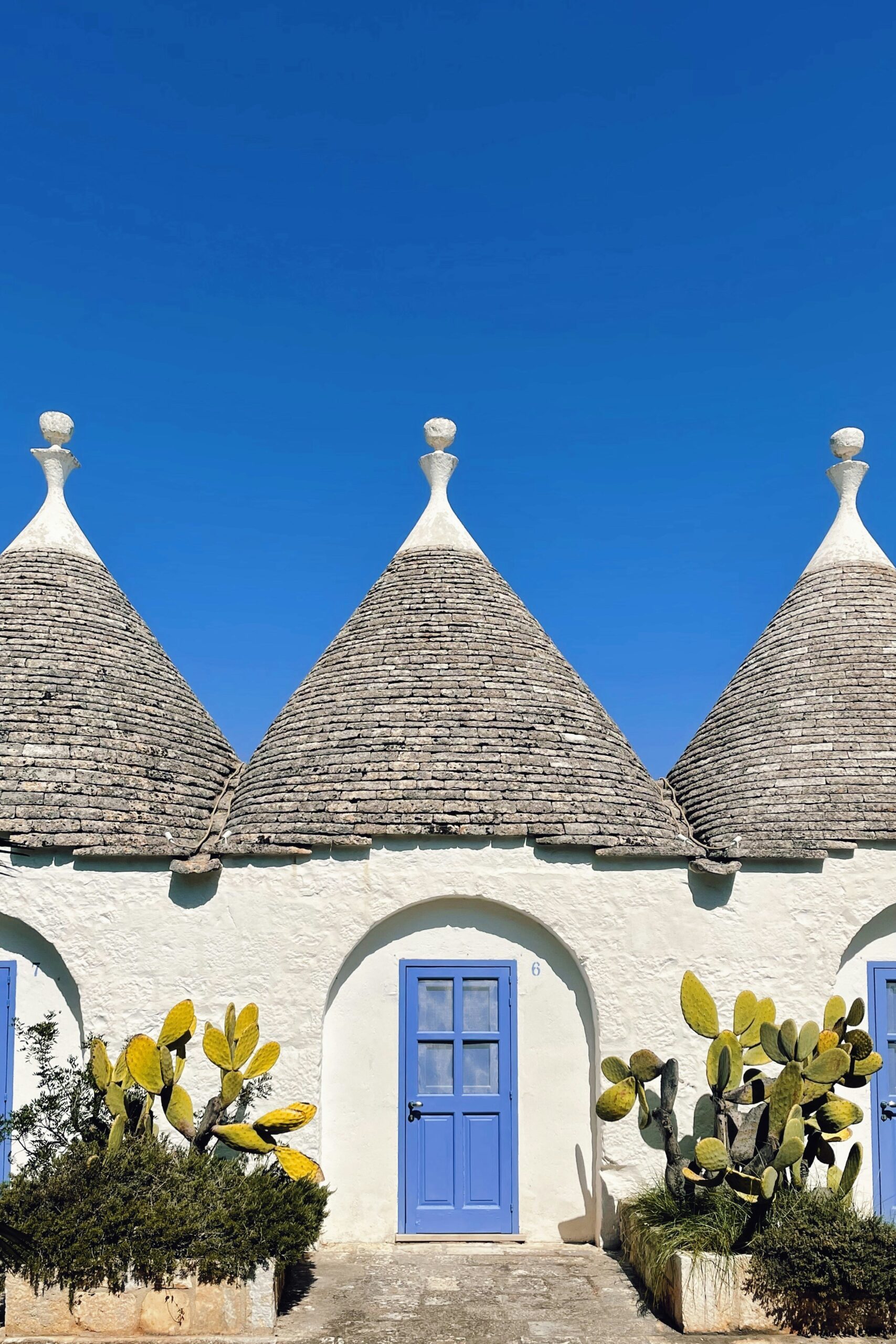
Holiday Home & Villa Booking
Discover your perfect home in Apulia with ApuliaBella. We handpick every trullo, villa, apartment, and masseria to ensure comfort, authenticity, and unforgettable charm. Whether it’s a romantic getaway, a family holiday, or a group escape, we match you with a property that fits your style, group size, and budget. Booking is simple and stress-free — we handle all details so you can focus on enjoying your holiday. With ApuliaBella, your dream Apulian stay is just a few clicks away.
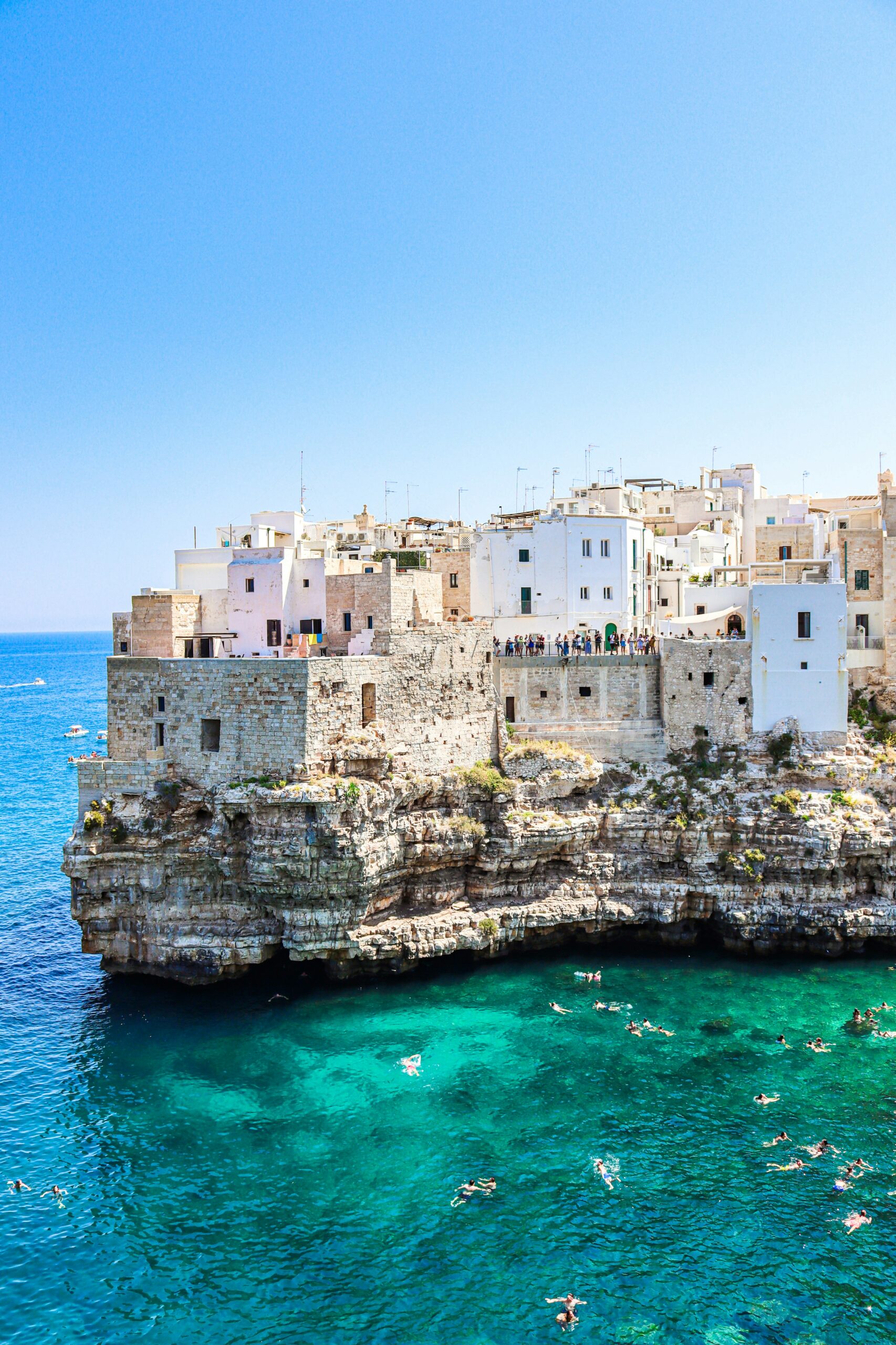
On-Site Guest Support
Enjoy your Apulia holiday without a single worry with ApuliaBella’s On-Site Guest Support. From the moment you arrive, our local team welcomes you personally, guides you through your accommodation, and ensures everything is perfectly prepared. Need tips for the best beaches, restaurants, or hidden gems? We provide insider knowledge tailored to your interests. Should any questions or small issues arise, we’re just a call away — discreet, reliable, and ready to assist. With ApuliaBella, your stay is seamless, stress-free, and completely focused on relaxation and enjoyment.
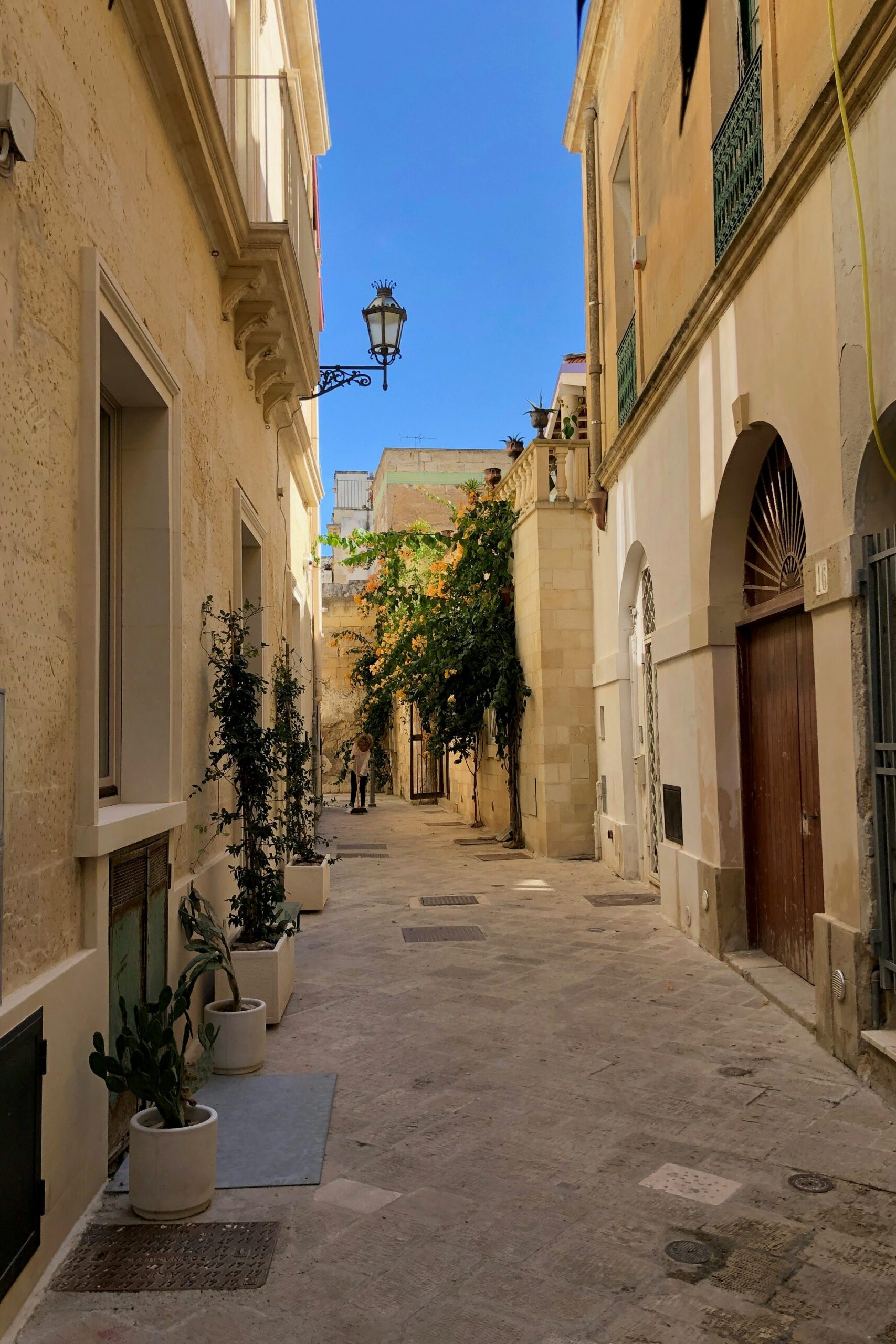
Services for Property Owners
Maximize your property’s potential with ApuliaBella. We handle everything — from professional marketing and guest communication to booking management and on-site coordination. Our team ensures your home is presented beautifully, booked efficiently, and maintained to the highest standards. With personalized strategies, we help you attract the right guests while reducing your workload. Trust ApuliaBella to manage your property professionally, giving you peace of mind and satisfied guests every time.
We are the Apulia Experts for Travelers
At ApuliaBella, we are your English-speaking experts for discovering the magic of Apulia. We handpick authentic holiday homes, trulli, villas, and masserie to ensure every stay is comfortable, unique, and unforgettable. Our team lives and breathes Apulia — from its sun-soaked beaches and historic towns to hidden villages and countryside escapes.
We guide you personally from booking to arrival, providing insider tips, local knowledge, and on-site support. Whether you are planning a romantic getaway, a family holiday, or a group adventure, ApuliaBella turns your travel dreams into reality. We are passionate about making every stay effortless, enjoyable, and authentically Apulian. With ApuliaBella, your Apulia experience begins before you even pack your bags.
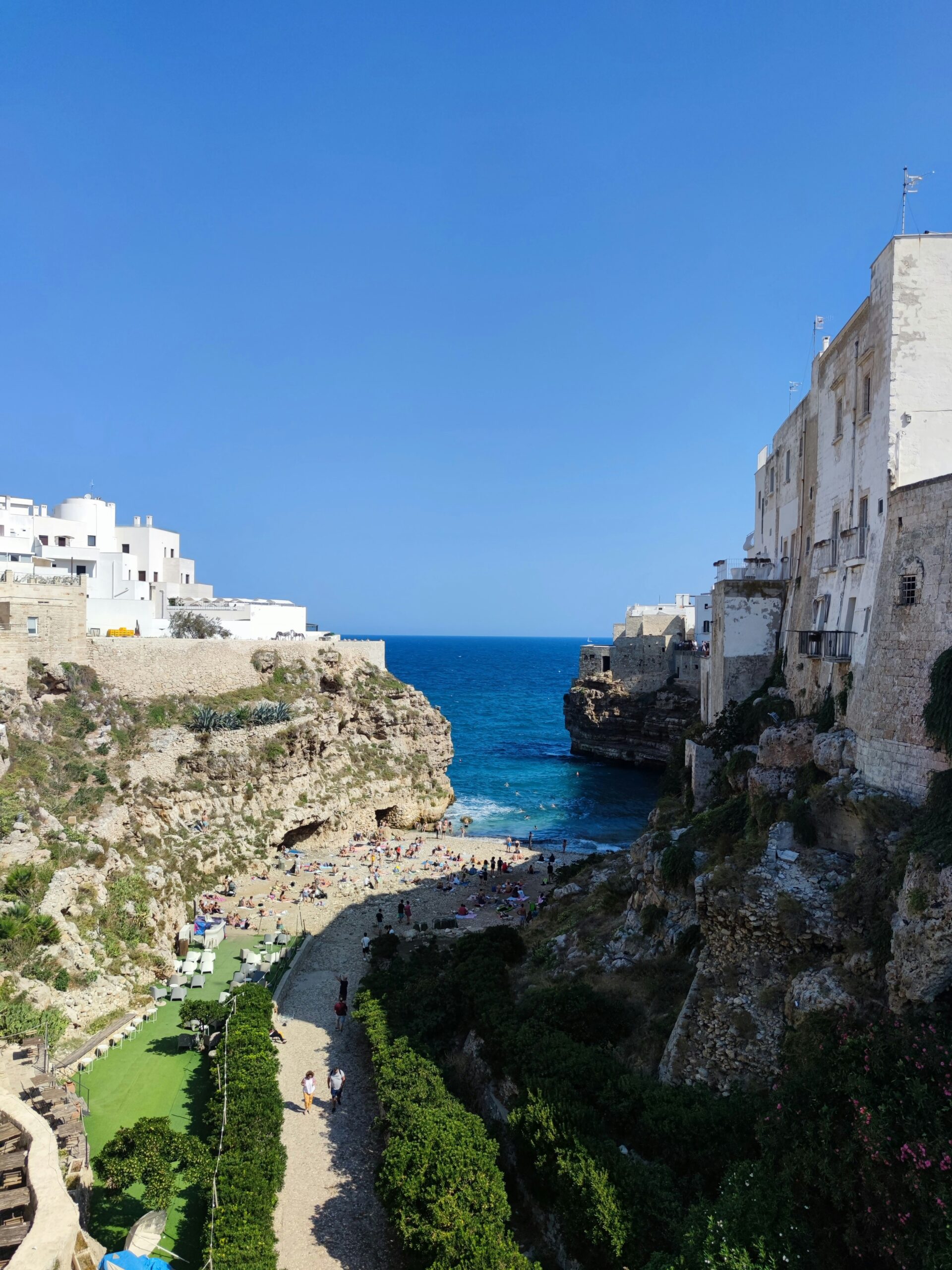
Places in Apulia:
Acquaviva delle Fonti, Accadia, Adelfia, Alberobello, Alberona, Altamura, Anzano di Puglia, Andria, Apricena, Ascoli Satriano, Avetrana, Bari, Barletta, Binetto, Biccari, Bitetto, Bitonto, Bitritto, Bisceglie, Bovino, Brindisi, Cagnano Varano, Candela, Canosa di Puglia, Carapelle, Carlantino, Carpino, Carosino, Carovigno, Casamassima, Casarano, Casalnuovo Monterotaro, Casalvecchio di Puglia, Castellana Grotte, Castellaneta, Castelluccio dei Sauri, Castelluccio Valmaggiore, Castelnuovo della Daunia, Cellamare, Celle di San Vito, Celenza Valfortore, Cellino San Marco, Ceglie Messapica, Cerignola, Chieuti, Cisternino, Corato, Copertino, Crispiano, Deliceto, Erchie, Faggiano, Fasano, Faeto, Foggia, Francavilla Fontana, Galatina, Galatone, Gallipoli, Gioia del Colle, Ginosa, Giovinazzo, Grottaglie, Gravina in Puglia, Grumo Appula, Ischitella, Isole Tremiti, Laterza, Latiano, Lecce, Leverano, Leporano, Lesina, Lizzano, Lizzanello, Locorotondo, Lucera, Maglie, Manduria, Manfredonia, Margherita di Savoia, Martina Franca, Maruggio, Massafra, Mattinata, Mesagne, Molfetta, Modugno, Monopoli, Monte Sant’Angelo, Montemesola, Monteiasi, Monteparano, Monteroni di Lecce, Monteleone di Puglia, Mottola, Motta Montecorvino, Nardò, Noci, Noicàttaro, Ordona, Oria, Orta Nova, Ostuni, Palagiano, Palagianello, Palo del Colle, Panni, Peschici, Pietramontecorvino, Poggiorsini, Polignano a Mare, Pulsano, Putignano, Rignano Garganico, Rodi Garganico, Roccaforzata, Roseto Valfortore, Ruvo di Puglia, Rutigliano, Sannicandro di Bari, Sannicandro Garganico, Sammichele di Bari, San Donaci, San Ferdinando di Puglia, San Giorgio Ionico, San Giovanni Rotondo, San Marzano di San Giuseppe, San Marco in Lamis, San Marco la Catola, San Michele Salentino, San Nicandro Garganico, San Paolo di Civitate, San Pancrazio Salentino, San Pietro Vernotico, Santeramo in Colle, Sava, Serracapriola, Spinazzola, Statte, Stornara, Stornarella, Surbo, Tarent, Taviano, Terlizzi, Trani, Tricase, Triggiano, Trinitapoli, Trepuzzi, Toritto, Torremaggiore, Torre Santa Susanna, Torricella, Torchiarolo, Turi, Ugento, Valenzano, Veglie, Vico del Gargano, Vieste, Villa Castelli, Volturara Appula, Volturino, Zapponeta