
Cisternino in Apulia
Welcome to Cisternino: The White Soul of the Itria Valley
In the heart of the Murgia plateau, where the red earth meets the infinite blue of the Mediterranean sky, lies a town that feels less like a geographic location and more like a state of mind. Cisternino is the “slowest” of Apulia’s white cities. While its neighbors might boast of grander cathedrals or wider piazzas, Cisternino wins the hearts of travelers through the sheer poetry of its architecture and the intoxicating aroma of its wood-fired grills. At ApuliaBella, we consider Cisternino the quintessential village of the Itria Valley—a place where time is measured not by clocks, but by the slow charring of meat and the shifting shadows in its narrow vichi.
As your dedicated ApuliaBella travel advisor, we invite you to step into a town that has been officially recognized as one of the “Borghi più belli d’Italia” (The Most Beautiful Villages of Italy). Cisternino is a masterpiece of spontaneous architecture. There were no grand blueprints here; instead, the town grew organically, house by house, arch by arch, creating a limestone labyrinth that defies modern logic. Whether you are a photography enthusiast chasing the “golden hour” on white-washed walls or a food lover ready to experience the legendary Fornelli, ApuliaBella is here to guide you through the dazzling, lime-scented heart of this Apulian jewel.
The Shadow of St. Nicholas: A History of Rebirth
The history of Cisternino is a story of resilience and spiritual layers. Though the area was inhabited since the Paleolithic era, the town’s name whispers of a Roman past—Sturnium, founded by a companion of Diomedes after the Trojan War. However, the Cisternino we see today was born in the Middle Ages when Basilian monks, fleeing the East, built a monastery over the ruins of an ancient Roman temple.
When you walk through the historic center with ApuliaBella, we tell the story of “Cisterninum”—the “little cistern”—referring to the water reservoirs that sustained life on this arid ridge. The town was sacked by the Goths and the Vandals, yet it rose again under the Normans and the Swabians. At ApuliaBella, we find the architectural survival of Cisternino fascinating; it is one of the few places in the world where “oriental” urbanism—narrow, winding, defensive streets—remains perfectly intact in Western Europe. We help you trace this lineage from the ancient subterranean church beneath the Mother Church to the 16th-century noble palazzos that mark the town’s era of prosperity.
Spontaneous Architecture: The Magic of the Four Quarters
Cisternino is divided into four distinct historic districts: Isola, Scheledd, L’Uardiedd, and Bère Vecchje. Each is a maze of white lime, external staircases, and hidden courtyards (chiostri).
As your ApuliaBella travel guide, we recommend putting away your map. The beauty of Cisternino is found in getting lost. At ApuliaBella, we call this “architectural jazz.” You will see balconies that seem to touch across the street and arches that bridge houses built centuries apart. This density was a defensive strategy against the wind and invaders, but today, it creates an atmosphere of incredible intimacy. ApuliaBella ensures you notice the small details: the votive niches carved into corners, the stone masks to ward off the evil eye, and the lace curtains fluttering in the doorways.
The Mother Church of San Nicola: A Renaissance Sanctuary
The spiritual heart of the village is the Chiesa Matrice di San Nicola di Bari. Built in the 14th century on the site of a much older Byzantine monastery, it is a sober and elegant example of Romanesque architecture.
Your ApuliaBella travel guide suggests heading straight to the left aisle to see the “Madonna with Child,” a stunning stone sculpture by Stefano da Putignano, carved in 1517. Beneath the floorboards of the church, archaeological excavations have revealed the remains of an 8th-century church, a silent witness to the town’s early Christian roots. At ApuliaBella, we find that this church represents the grounded, humble faith of the Murgia—a place where the grandeur is found in the simplicity of the stone.
The Torre Civica and the Norman-Swabian Walls
Guarding the entrance to the historic center is the Torre Civica, a massive square tower that once served as a watchtower. From its base, the ancient walls of the city extend, protecting the “white island” from the outside world.
We at ApuliaBella consider this tower the “Anchor of the North.” It marks the transition from the modern town to the ancient heart. As your ApuliaBella travel guide, we can show you where the original gates once stood and how the city was designed to be an impregnable fortress of limestone. At ApuliaBella, we value the panoramic viewpoint just behind the tower, which offers one of the most famous views in Italy: a sweeping vista of the Valle d’Itria, dotted with thousands of conical trulli roofs.
The Fornelli Pronti: A Culinary Ritual
You cannot speak of Cisternino without speaking of the Fornello Pronto. This is more than dinner; it is a cultural institution. The town is famous for its “butcher-restaurants.” During the day, they are traditional butcher shops; at night, you choose your meat from the counter, and they grill it for you in a vertical wood-fired oven.
At ApuliaBella, we believe this is the ultimate social experience. You sit at long wooden tables in the street, surrounded by locals and travelers alike. The smoke of the oak wood, the clinking of local wine carafes, and the chatter of the piazza create a sensory memory that lasts a lifetime. As your ApuliaBella travel guide, we will help you navigate the ordering process, ensuring you don’t miss out on the house specialties.
Culinary Specialties: The Meat and the Murgia
The kitchen of Cisternino is robust, honest, and deeply tied to the pastoral traditions of the plateau. At ApuliaBella, we know that the “Cisternese” palate is defined by fire and flour.
Bombette: The undisputed king of the town. These are small rolls of pork neck stuffed with provolone cheese, salt, pepper, and sometimes parsley or chili, then grilled until the cheese melts into a molten core.
Gnummareddi: Small skewers of lamb or goat offal (liver, heart, lung) wrapped in intestines with parsley—a delicacy for those who appreciate intense, traditional flavors.
Orecchiette with “Cime di Rapa” and Anchovies: The regional classic, served here with a generous sprinkle of fried breadcrumbs.
Purea di Fave e Cicoria: A velvety fava bean cream served with bitter wild chicory and the intense, peppery olive oil of the Itria Valley.
Friselline con Pomodoro: Hard barley bread rings, softened with water and topped with the sweetest cherry tomatoes and oregano.
White Wine of the Valle d’Itria: Crisp, light, and slightly floral—the perfect counterpoint to the rich, grilled meats.
Insider Tip: The “Lungomare” of the Valley
Here is an ApuliaBella insider tip: Cisternino is not on the coast, but it has a “Lungomare” (seafront). The locals call the panoramic walkway along the edge of the historic center the Belvedere.
Our ApuliaBella recommendation is to visit at sunset. While the sun sets behind you, the entire valley below turns a deep shade of violet. You can see the lights of Martina Franca and Locorotondo flickering in the distance like fallen stars. At ApuliaBella, we find this to be the most romantic spot in the region. It is the perfect place to realize that in Apulia, the “sea” can be a sea of olive trees just as easily as it can be water.
The Sanctuary of the Madonna d’Ibernia
A short drive or a vigorous walk from the town center leads you to the Santuario della Madonna d’Ibernia. This rural church, built in the 12th century, is steeped in legend. It is said to have been built where the Madonna appeared to a local shepherd, holding an apple.
At ApuliaBella, we find this site deeply evocative of the pagan-Christian blend of the South. It is a place of fertility rites; even today, locals visit to pray for abundance. As your ApuliaBella travel guide, we suggest visiting on the Monday after Easter (Pasquetta) when the town celebrates the “Chirri-Chirri” festival, eating traditional sweets shaped like dolls and birds. At ApuliaBella, we believe these rural sanctuaries are the true keepers of the Apulian soul.
Why Choose ApuliaBella for Your Cisternino Journey?
Cisternino is a town of nuances. It is a place that rewards those who slow down and look at the way the light hits a particular arch or the way a butcher seasons a skewer.
Gastronomic Curation: We don’t just tell you about the bombette; ApuliaBella knows which butcher has the best aged provolone and which alleyway offers the quietest table.
Architectural Insight: We explain the “why” behind the white-wash and the “how” of the spontaneous construction, making your walk a history lesson.
Trullo Stays: ApuliaBella hand-selects the most authentic trulli and masserie in the surrounding countryside, ensuring your accommodation is as historic as the town itself.
Cisternino is the white soul of the South—a town of smoke, stone, and silence. It is where the simplicity of a lime-washed wall becomes a masterpiece of art. Let ApuliaBella lead you to the heart of the Itria Valley, where every street is a poem and every meal is a celebration.
Comprehensive Services for Guests
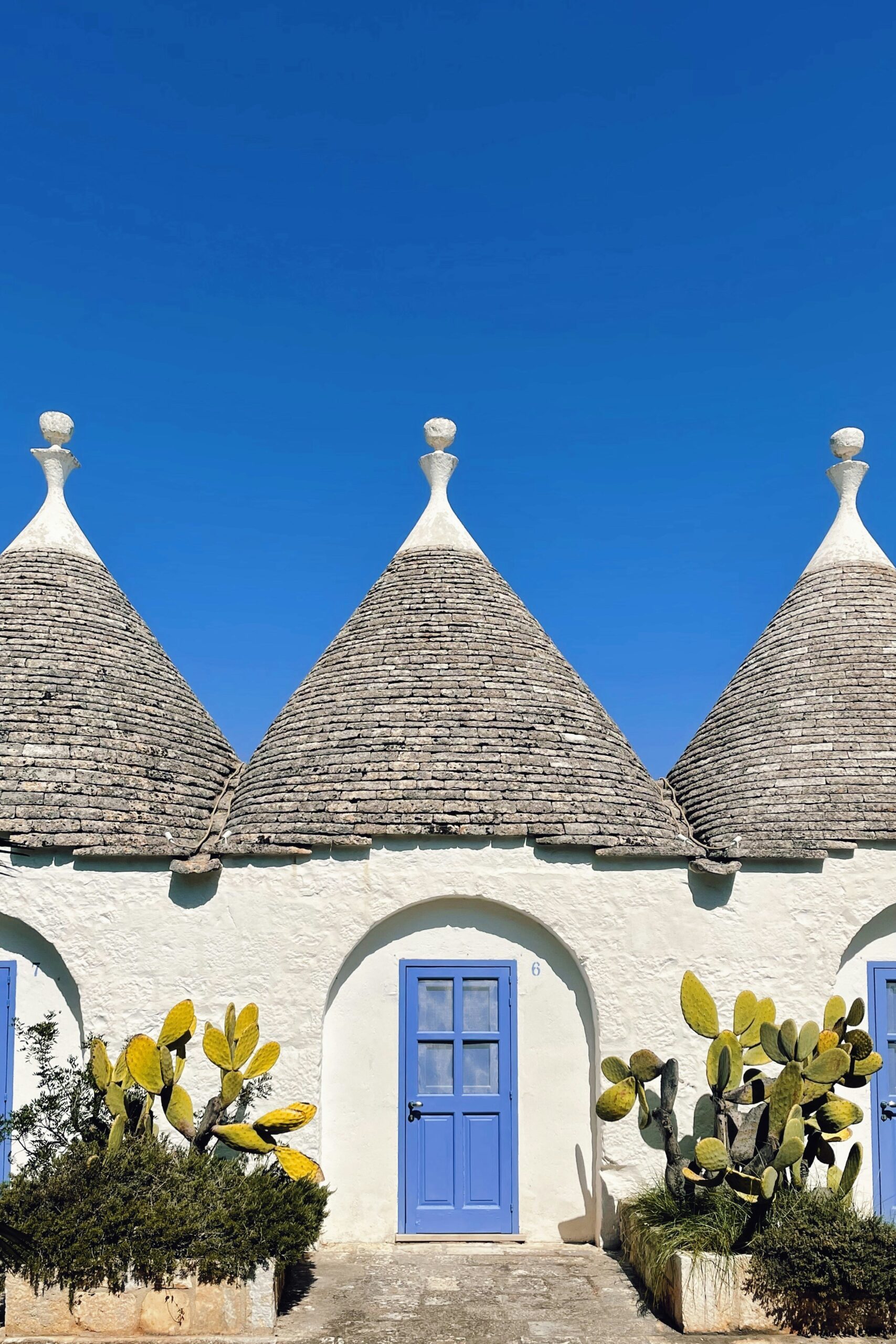
Holiday Home & Villa Booking
Discover your perfect home in Apulia with ApuliaBella. We handpick every trullo, villa, apartment, and masseria to ensure comfort, authenticity, and unforgettable charm. Whether it’s a romantic getaway, a family holiday, or a group escape, we match you with a property that fits your style, group size, and budget. Booking is simple and stress-free — we handle all details so you can focus on enjoying your holiday. With ApuliaBella, your dream Apulian stay is just a few clicks away.
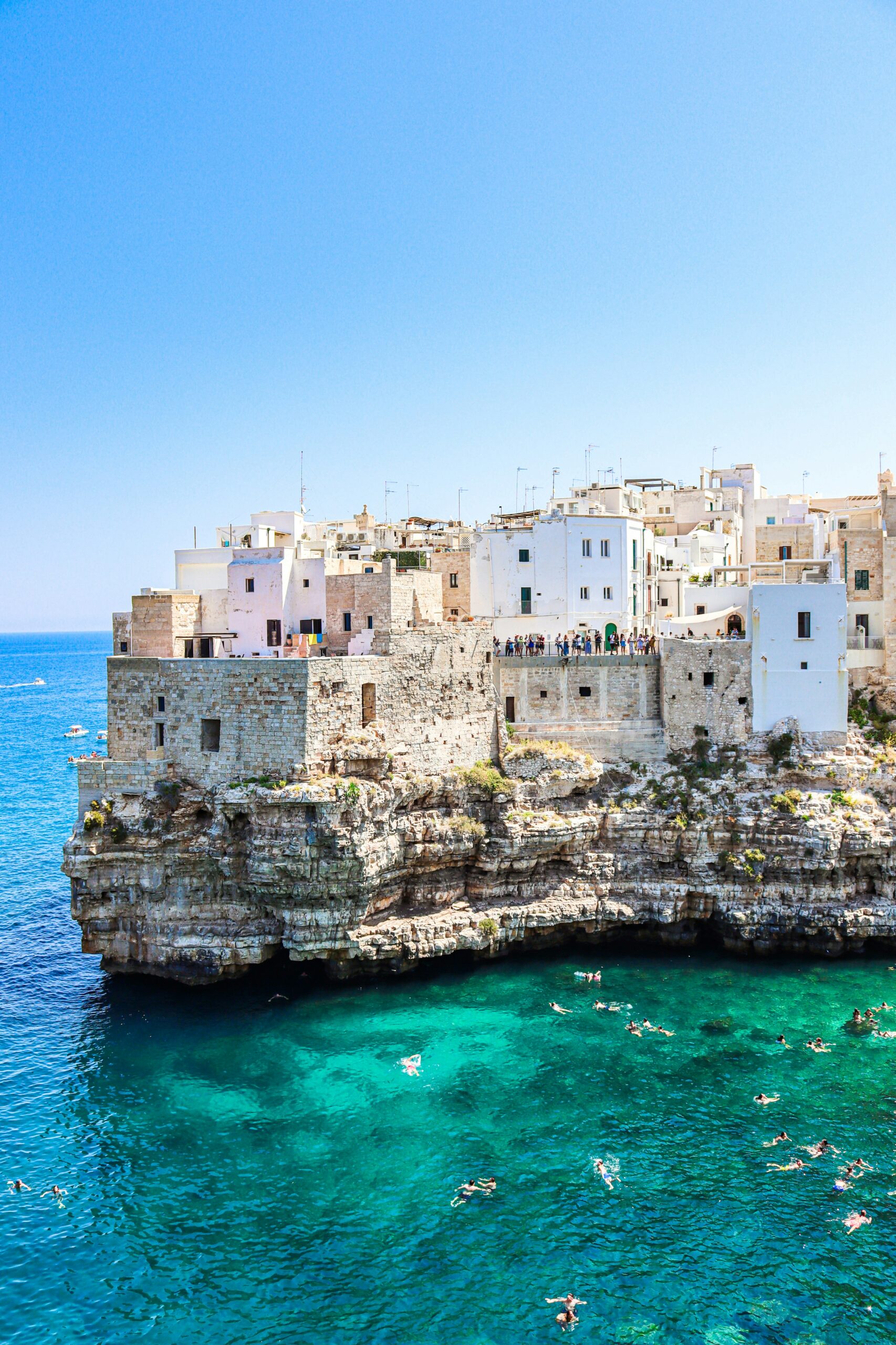
On-Site Guest Support
Enjoy your Apulia holiday without a single worry with ApuliaBella’s On-Site Guest Support. From the moment you arrive, our local team welcomes you personally, guides you through your accommodation, and ensures everything is perfectly prepared. Need tips for the best beaches, restaurants, or hidden gems? We provide insider knowledge tailored to your interests. Should any questions or small issues arise, we’re just a call away — discreet, reliable, and ready to assist. With ApuliaBella, your stay is seamless, stress-free, and completely focused on relaxation and enjoyment.
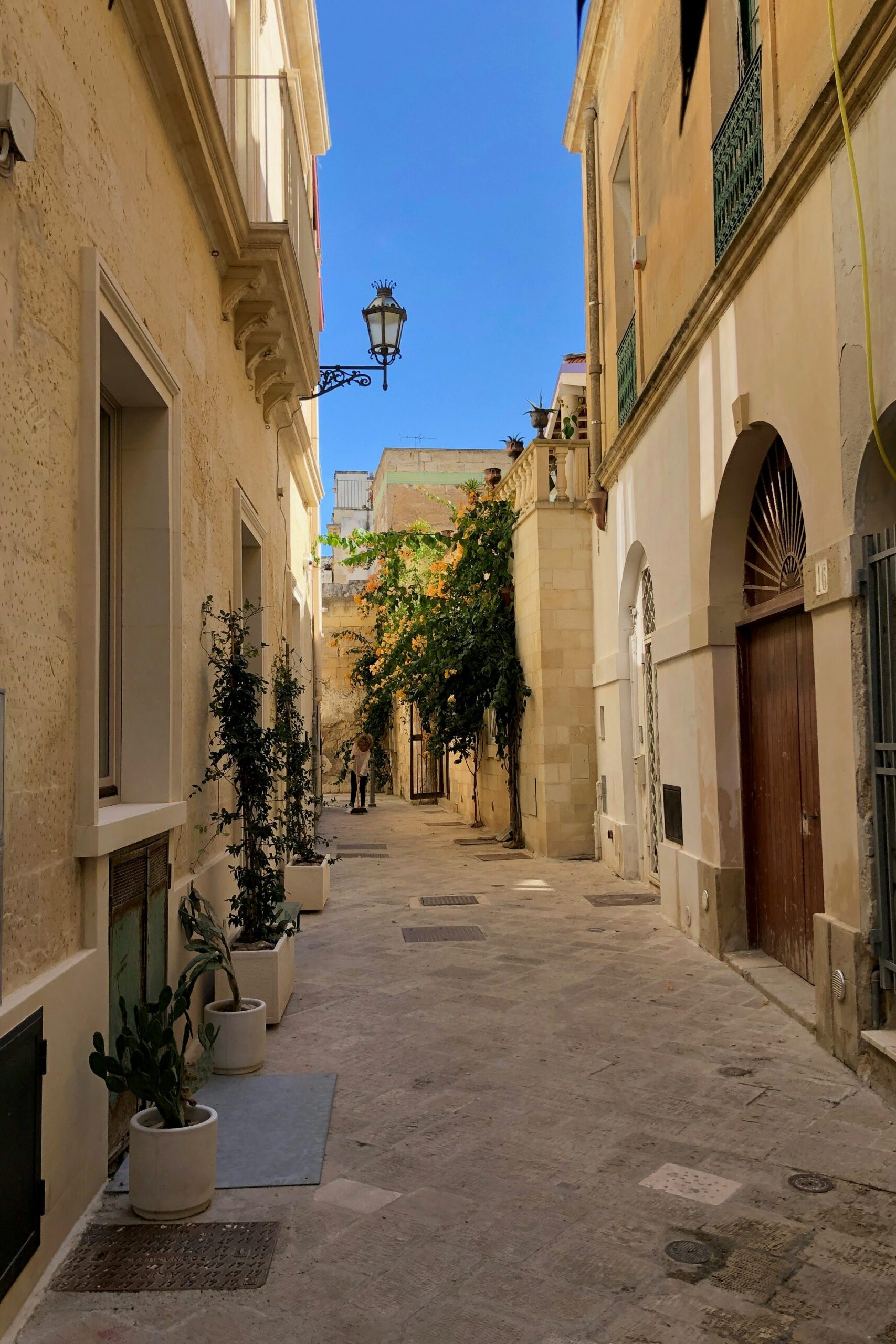
Services for Property Owners
Maximize your property’s potential with ApuliaBella. We handle everything — from professional marketing and guest communication to booking management and on-site coordination. Our team ensures your home is presented beautifully, booked efficiently, and maintained to the highest standards. With personalized strategies, we help you attract the right guests while reducing your workload. Trust ApuliaBella to manage your property professionally, giving you peace of mind and satisfied guests every time.
We are the Apulia Experts for Travelers
At ApuliaBella, we are your English-speaking experts for discovering the magic of Apulia. We handpick authentic holiday homes, trulli, villas, and masserie to ensure every stay is comfortable, unique, and unforgettable. Our team lives and breathes Apulia — from its sun-soaked beaches and historic towns to hidden villages and countryside escapes.
We guide you personally from booking to arrival, providing insider tips, local knowledge, and on-site support. Whether you are planning a romantic getaway, a family holiday, or a group adventure, ApuliaBella turns your travel dreams into reality. We are passionate about making every stay effortless, enjoyable, and authentically Apulian. With ApuliaBella, your Apulia experience begins before you even pack your bags.
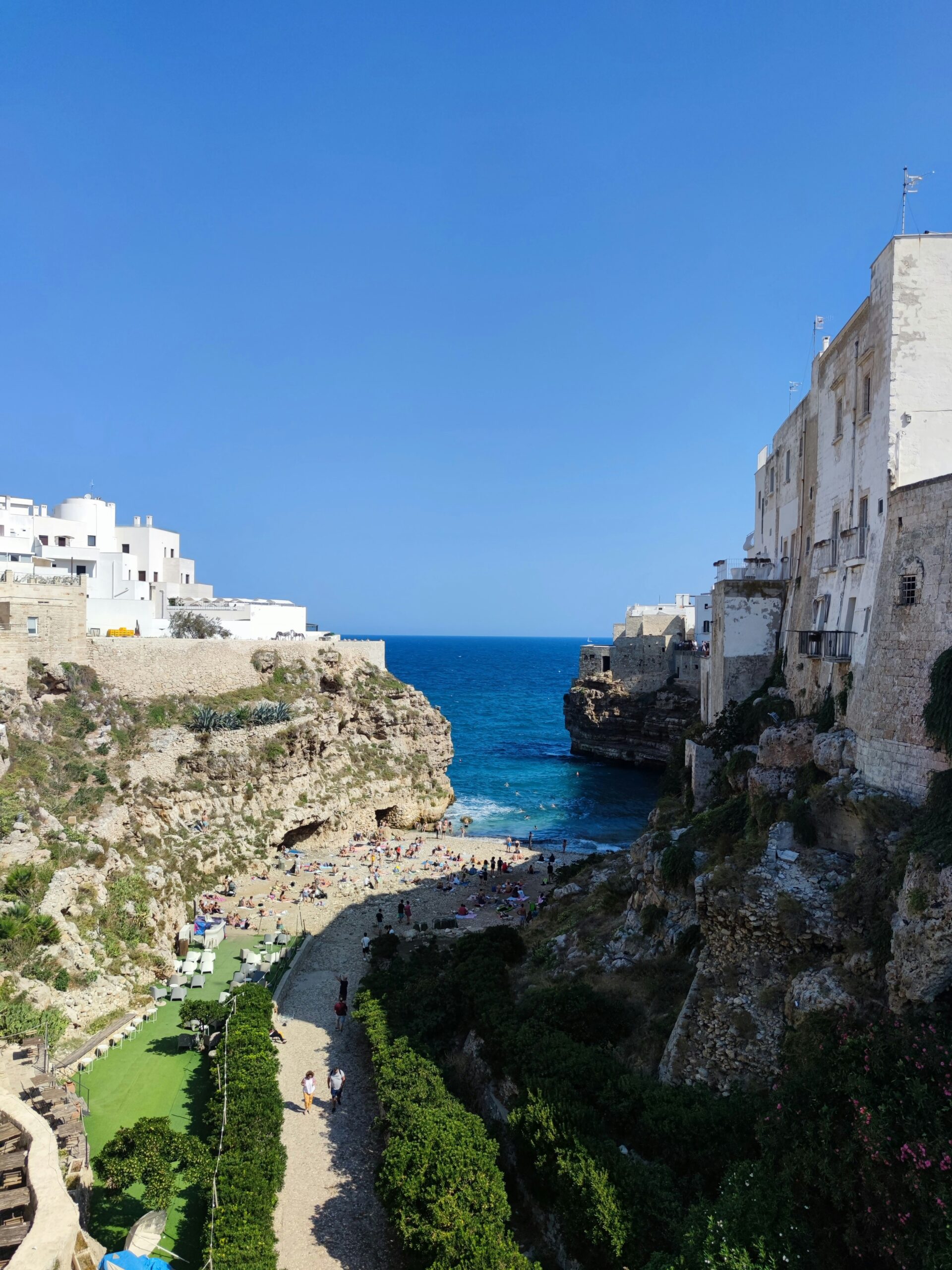
Places in Apulia:
Acquaviva delle Fonti, Accadia, Adelfia, Alberobello, Alberona, Altamura, Anzano di Puglia, Andria, Apricena, Ascoli Satriano, Avetrana, Bari, Barletta, Binetto, Biccari, Bitetto, Bitonto, Bitritto, Bisceglie, Bovino, Brindisi, Cagnano Varano, Candela, Canosa di Puglia, Carapelle, Carlantino, Carpino, Carosino, Carovigno, Casamassima, Casarano, Casalnuovo Monterotaro, Casalvecchio di Puglia, Castellana Grotte, Castellaneta, Castelluccio dei Sauri, Castelluccio Valmaggiore, Castelnuovo della Daunia, Cellamare, Celle di San Vito, Celenza Valfortore, Cellino San Marco, Ceglie Messapica, Cerignola, Chieuti, Cisternino, Corato, Copertino, Crispiano, Deliceto, Erchie, Faggiano, Fasano, Faeto, Foggia, Francavilla Fontana, Galatina, Galatone, Gallipoli, Gioia del Colle, Ginosa, Giovinazzo, Grottaglie, Gravina in Puglia, Grumo Appula, Ischitella, Isole Tremiti, Laterza, Latiano, Lecce, Leverano, Leporano, Lesina, Lizzano, Lizzanello, Locorotondo, Lucera, Maglie, Manduria, Manfredonia, Margherita di Savoia, Martina Franca, Maruggio, Massafra, Mattinata, Mesagne, Molfetta, Modugno, Monopoli, Monte Sant’Angelo, Montemesola, Monteiasi, Monteparano, Monteroni di Lecce, Monteleone di Puglia, Mottola, Motta Montecorvino, Nardò, Noci, Noicàttaro, Ordona, Oria, Orta Nova, Ostuni, Palagiano, Palagianello, Palo del Colle, Panni, Peschici, Pietramontecorvino, Poggiorsini, Polignano a Mare, Pulsano, Putignano, Rignano Garganico, Rodi Garganico, Roccaforzata, Roseto Valfortore, Ruvo di Puglia, Rutigliano, Sannicandro di Bari, Sannicandro Garganico, Sammichele di Bari, San Donaci, San Ferdinando di Puglia, San Giorgio Ionico, San Giovanni Rotondo, San Marzano di San Giuseppe, San Marco in Lamis, San Marco la Catola, San Michele Salentino, San Nicandro Garganico, San Paolo di Civitate, San Pancrazio Salentino, San Pietro Vernotico, Santeramo in Colle, Sava, Serracapriola, Spinazzola, Statte, Stornara, Stornarella, Surbo, Tarent, Taviano, Terlizzi, Trani, Tricase, Triggiano, Trinitapoli, Trepuzzi, Toritto, Torremaggiore, Torre Santa Susanna, Torricella, Torchiarolo, Turi, Ugento, Valenzano, Veglie, Vico del Gargano, Vieste, Villa Castelli, Volturara Appula, Volturino, Zapponeta