
Grottaglie in Apulia
Welcome to Grottaglie: The City of Painted Clay and Secret Canyons
Deep in the heart of the Taranto province, where the limestone ridges of the Murge plateau begin to soften into the fertile plains of the Salento, lies a city born from the earth itself. At ApuliaBella, we call Grottaglie “The Alchemist’s Workshop.” It is a place where the primitive meets the refined—a city famous worldwide for its artistic ceramics and its dramatic “gravine” (ravines). Grottaglie is not just a destination; it is a tactile experience. It is the scent of wet clay, the heat of a wood-fired kiln, and the sight of a thousand colorful plates drying under the Mediterranean sun.
As your dedicated ApuliaBella travel advisor, we invite you to explore a town that has turned its geology into its destiny. Grottaglie is one of the few places in the world with an entire district dedicated to the art of pottery, carved directly into the rock. Whether you are an art collector seeking the famous “Pumo,” a history buff exploring medieval castles, or a nature lover trekking through prehistoric cave settlements, ApuliaBella is here to guide you through the kilns and canyons of this extraordinary Apulian center.
The Civilization of the Caves: A History of Earth and Fire
The story of Grottaglie is written in its name, which derives from the Latin Kryptae (caves). Since the Paleolithic era, the deep ravines that scar the landscape provided shelter and a source of high-quality clay. However, the town’s modern identity began to take shape in the Middle Ages when the inhabitants of the caves moved up to the plateau to build a fortified city, while keeping their workshops in the rocky depths.
When you walk the historic center with ApuliaBella, we tell the story of a community that never truly left the earth. For centuries, the “Quartiere delle Ceramiche” has been the heartbeat of the town. Under the feudal rule of the Archbishops of Taranto, Grottaglie flourished as a center of production for everything from humble olive oil jars to exquisite aristocratic tableware. At ApuliaBella, we find the continuity of this craft fascinating; the same families have often occupied the same cave-workshops for generations, passing down the secrets of the wheel and the glaze. We help you trace this journey from the Byzantine frescoes in the ravines to the contemporary street art that now decorates the city walls.
The Ceramic District: A Subterranean Art World
The undisputed highlight of Grottaglie is the Quartiere delle Ceramiche. Nestled along the slope of St. George’s Ravine, this district consists of over 50 workshops carved into the limestone.
As your ApuliaBella travel guide, we suggest you spend hours wandering here. You can look down into the “botteghe” and see master potters at the wheel. At ApuliaBella, we recommend looking for the “Pumo”—the ceramic pinecone bud that symbolizes fertility and rebirth, found on every balcony in the region. Each workshop has its own style, ranging from the traditional “Bianco di Grottaglie” (pure white glaze) to avant-garde contemporary designs. It is the only place in Italy where the production of ceramics is so physically integrated into the town’s geological structure.
The Episcopio Castle and the Ceramics Museum
Dominating the ceramic district is the Castello Episcopio. Built in the 14th century by Archbishop Giacomo d’Atri, this fortress served as the residence of the feudal lords of the city. Today, its former stables house the Museo della Ceramica.
We at ApuliaBella believe this museum is the essential theoretical companion to your walk through the workshops. It displays a vast collection of artifacts ranging from the 8th century BC to the present day. As your ApuliaBella travel guide, we suggest paying close attention to the “Section of Objects of Use,” which shows the ingenious ways clay was used for daily life in Apulia. At ApuliaBella, we find the castle’s internal courtyard and its “Mastio” (main tower) to be a perfect vantage point to view the labyrinth of the ceramic district below.
The Gravina del Fullonese: The Hidden Garden
Just a short walk from the town center lies a different world: the Gravina del Fullonese. This deep limestone canyon is a lush oasis filled with oak trees, wild thyme, and fruit trees, hiding ancient cave dwellings and a Byzantine rock-cut church.
Your ApuliaBella travel guide considers this a “secret garden” for those who want to escape the sun. The ravine contains the Church of San Pietro dei Greci, a subterranean sanctuary with traces of ancient frescoes. At ApuliaBella, we love the “horizontal” history found here; you can see the prehistoric holes used for grain storage alongside the medieval rock-houses. It is a place of profound silence where nature has reclaimed the ancient homes of the first Grottolellesi.
The Mother Church of Maria SS. Annunziata
In the center of the old town stands the Chiesa Matrice, a beautiful example of late Apulian Romanesque style with a facade that dates back to 1379. Its most striking feature is its colorful majolica-tiled dome, which glints in the sun—a fitting tribute to the town’s ceramic heritage.
At ApuliaBella, we suggest visiting the interior to see the refined stone carvings and the chapel of San Ciro, the town’s patron saint. As your ApuliaBella travel guide, we find the church square to be the social anchor of the historic center. It is here that the town’s religious fervor meets its artistic pride. The tiled dome of the church acts as a permanent advertisement for the skill of the local artisans.
Culinary Specialties: The Table of the Red Earth
The cuisine of Grottaglie is deeply connected to the agriculture of the Taranto province, famous for its grapes, olives, and robust grains. At ApuliaBella, we ensure your visit is as delicious as it is visual.
Uva da Tavola (Table Grapes): Grottaglie is the heart of one of Italy’s most important grape-growing regions. The local “Regina” and “Italia” grapes are incredibly sweet and crisp.
Orecchiette with “Cime di Rapa”: Served in ceramic bowls made just meters away, the pasta is tossed with garlic, anchovies, and the intense local olive oil.
Polpette di Pane: Savory breadballs mixed with pecorino cheese, eggs, and parsley, fried to a golden crunch.
Fichi secchi con mandorle: Dried figs stuffed with toasted almonds and lemon peel—the traditional sweet of the country winter.
Wine “Primitivo di Manduria”: Grottaglie falls within the production zone of this legendary red wine. It is dark, powerful, and carries the warmth of the red Mediterranean soil.
Insider Tip: The “Graffiti” of the Old Center
Here is an ApuliaBella insider tip: Grottaglie isn’t just about ancient ceramics; it has become a major European center for contemporary Street Art.
Our ApuliaBella recommendation is to put down the map and search for the large-scale murals by international artists like Blu, Ericailcane, and Aryz. For years, the town hosted the “Fame Festival,” and many of the masterpieces remain on the sides of crumbling palaces and modern buildings. At ApuliaBella, we find this dialogue between the 1,000-year-old clay tradition and the modern spray-paint culture to be the most exciting part of the town’s current identity. It is a city that refuses to be just a museum.
The Feast of San Ciro: Faith and Fire
If you visit in late January, you will witness the Festa di San Ciro. The highlight is the “Focra”—a massive bonfire made of thousands of vine branches, often shaped like a castle or a ship.
At ApuliaBella, we believe the fire of San Ciro is a sight you will never forget. As the flames roar into the night sky, the heat reflects off the white stone of the town. Your ApuliaBella travel guide will help you join the crowds as they wait for the “Pyramid of Fire” to be lit. At ApuliaBella, we see this as a celebration of the community’s resilience and a nod to the kilns that have sustained the town for centuries.
Why Choose ApuliaBella for Your Grottaglie Journey?
Grottaglie is a town of textures—rough stone, smooth glaze, and soft earth. It requires a guide who understands the intersection of geology and art.
Artisanal Access: ApuliaBella knows the master potters personally, allowing us to suggest the most authentic workshops for a “clay-to-kiln” experience.
Nature Exploration: We provide the best routes through the Gravina del Fullonese, ensuring you see the hidden Byzantine frescoes.
Cultural Context: We bridge the gap between the medieval ceramic history and the modern street art scene, giving you a complete picture of the city’s creative pulse.
Grottaglie is the city of painted clay and secret canyons—a place where the earth is turned into art and the ravines hold the memories of the past. It is where the heat of the kiln meets the cool of the cave. Let ApuliaBella be your guide to the most artistic and earthy secret of the Taranto hills.
Comprehensive Services for Guests
Holiday Home & Villa Booking
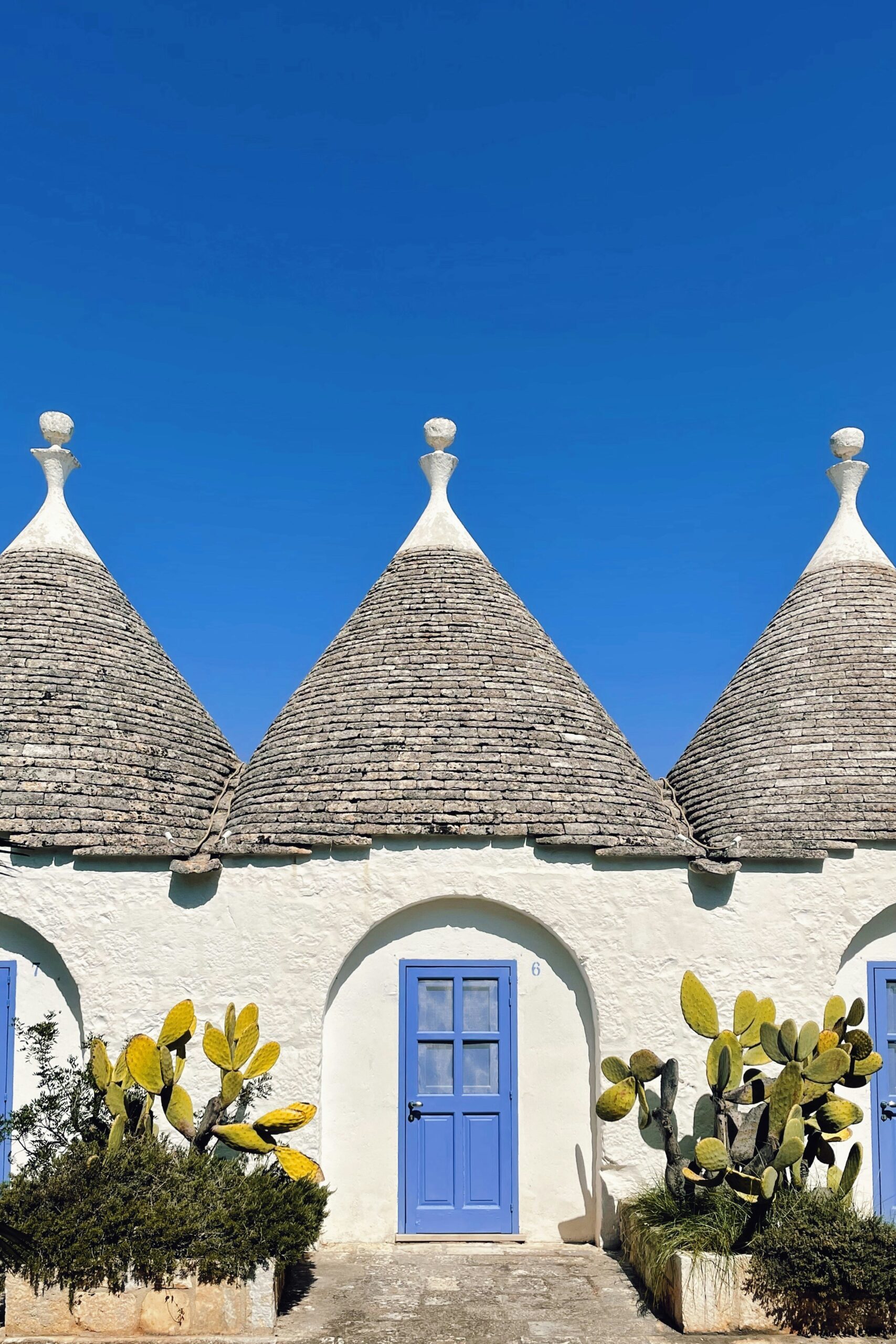
Discover your perfect home in Apulia with ApuliaBella. We handpick every trullo, villa, apartment, and masseria to ensure comfort, authenticity, and unforgettable charm. Whether it’s a romantic getaway, a family holiday, or a group escape, we match you with a property that fits your style, group size, and budget. Booking is simple and stress-free — we handle all details so you can focus on enjoying your holiday. With ApuliaBella, your dream Apulian stay is just a few clicks away.
On-Site Guest Support
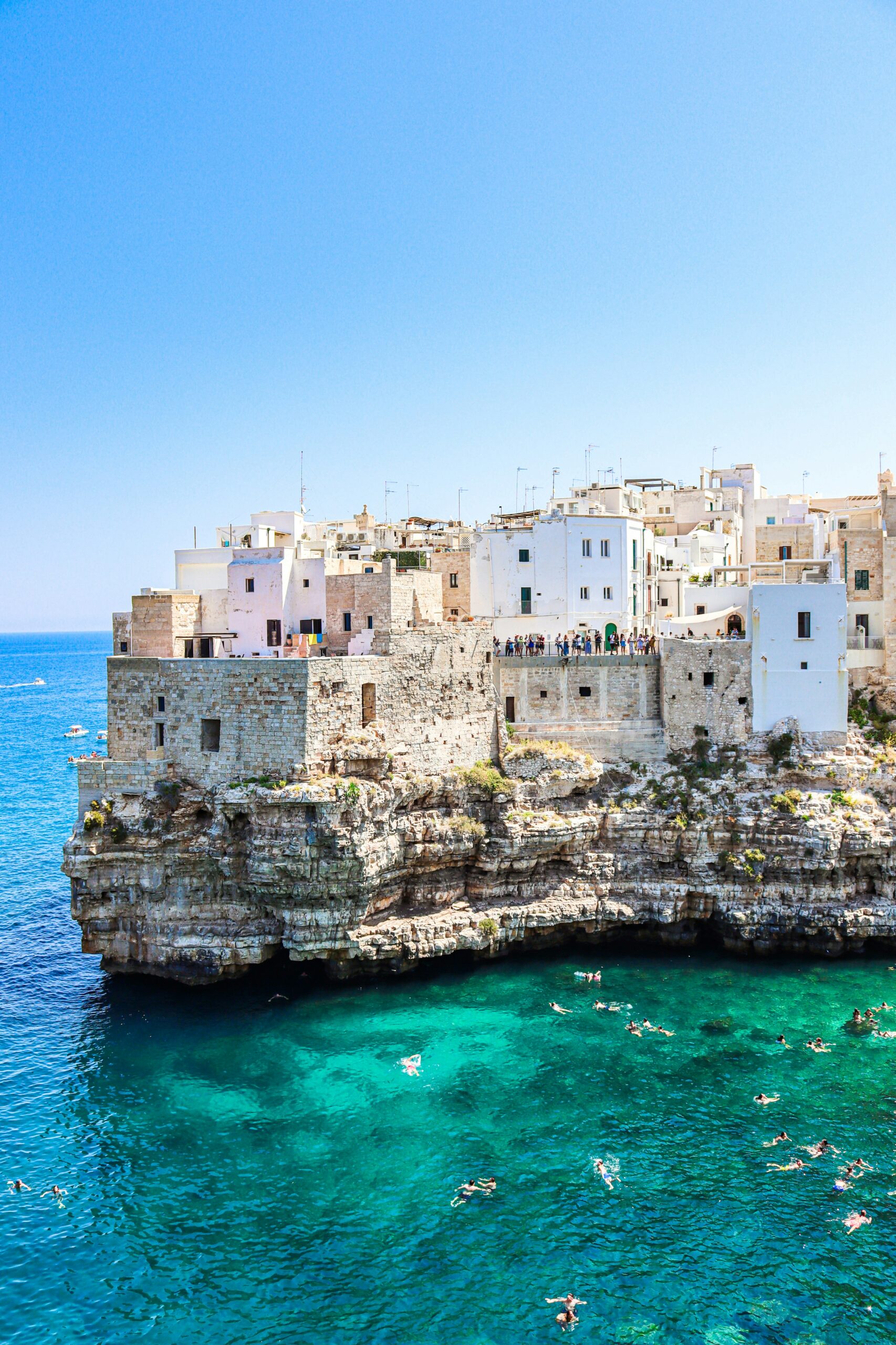
Enjoy your Apulia holiday without a single worry with ApuliaBella’s On-Site Guest Support. From the moment you arrive, our local team welcomes you personally, guides you through your accommodation, and ensures everything is perfectly prepared. Need tips for the best beaches, restaurants, or hidden gems? We provide insider knowledge tailored to your interests. Should any questions or small issues arise, we’re just a call away — discreet, reliable, and ready to assist. With ApuliaBella, your stay is seamless, stress-free, and completely focused on relaxation and enjoyment.
Services for Property Owners
Maximize your property’s potential with ApuliaBella. We handle everything — from professional marketing and guest communication to booking management and on-site coordination. Our team ensures your home is presented beautifully, booked efficiently, and maintained to the highest standards. With personalized strategies, we help you attract the right guests while reducing your workload. Trust ApuliaBella to manage your property professionally, giving you peace of mind and satisfied guests every time.
We are the Apulia Experts for Travelers
At ApuliaBella, we are your English-speaking experts for discovering the magic of Apulia. We handpick authentic holiday homes, trulli, villas, and masserie to ensure every stay is comfortable, unique, and unforgettable. Our team lives and breathes Apulia — from its sun-soaked beaches and historic towns to hidden villages and countryside escapes.
We guide you personally from booking to arrival, providing insider tips, local knowledge, and on-site support. Whether you are planning a romantic getaway, a family holiday, or a group adventure, ApuliaBella turns your travel dreams into reality. We are passionate about making every stay effortless, enjoyable, and authentically Apulian. With ApuliaBella, your Apulia experience begins before you even pack your bags.
Places in Apulia:
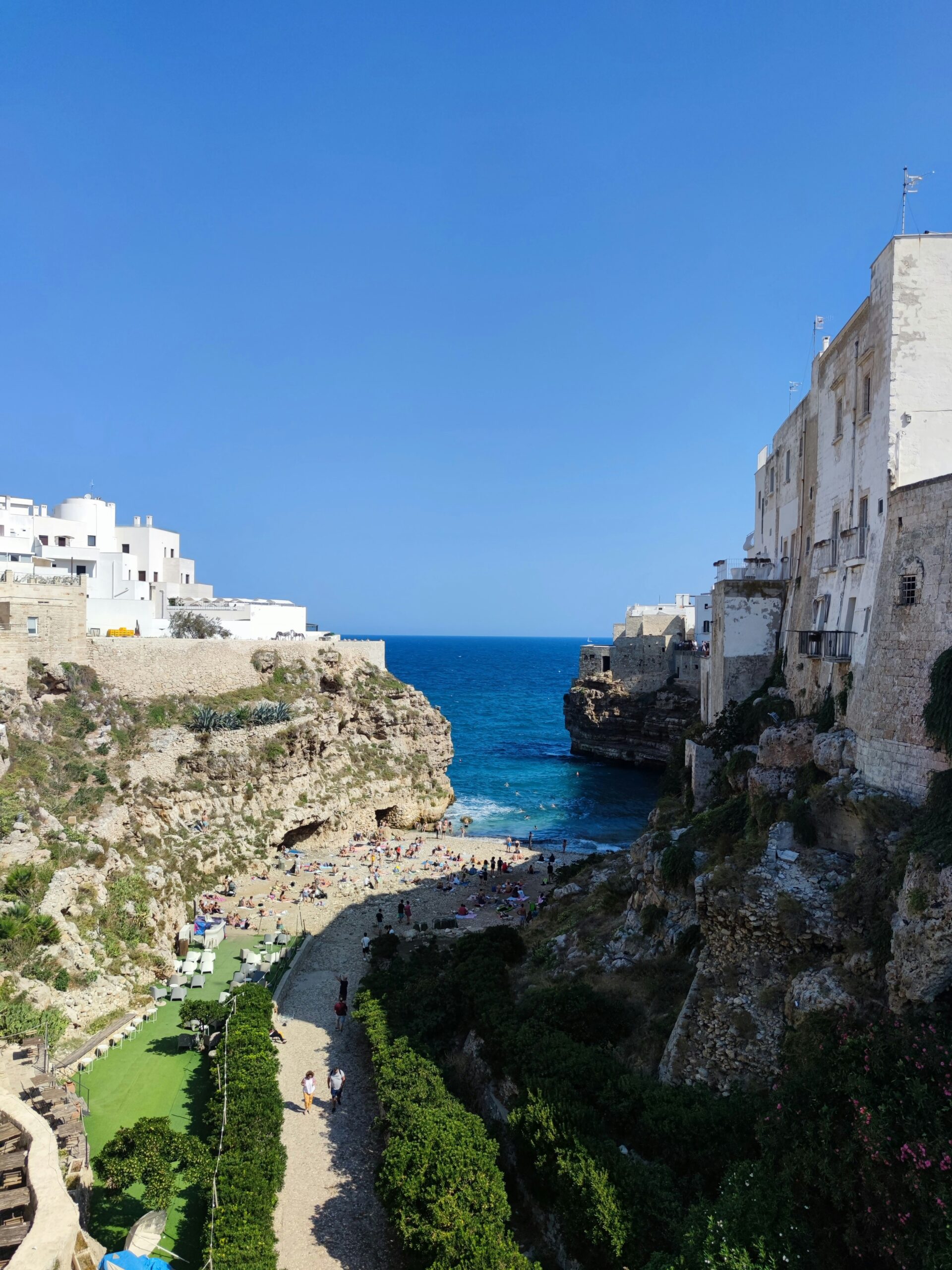
Acquaviva delle Fonti, Accadia, Adelfia, Alberobello, Alberona, Altamura, Anzano di Puglia, Andria, Apricena, Ascoli Satriano, Avetrana, Bari, Barletta, Binetto, Biccari, Bitetto, Bitonto, Bitritto, Bisceglie, Bovino, Brindisi, Cagnano Varano, Candela, Canosa di Puglia, Carapelle, Carlantino, Carpino, Carosino, Carovigno, Casamassima, Casarano, Casalnuovo Monterotaro, Casalvecchio di Puglia, Castellana Grotte, Castellaneta, Castelluccio dei Sauri, Castelluccio Valmaggiore, Castelnuovo della Daunia, Cellamare, Celle di San Vito, Celenza Valfortore, Cellino San Marco, Ceglie Messapica, Cerignola, Chieuti, Cisternino, Corato, Copertino, Crispiano, Deliceto, Erchie, Faggiano, Fasano, Faeto, Foggia, Francavilla Fontana, Galatina, Galatone, Gallipoli, Gioia del Colle, Ginosa, Giovinazzo, Grottaglie, Gravina in Puglia, Grumo Appula, Ischitella, Isole Tremiti, Laterza, Latiano, Lecce, Leverano, Leporano, Lesina, Lizzano, Lizzanello, Locorotondo, Lucera, Maglie, Manduria, Manfredonia, Margherita di Savoia, Martina Franca, Maruggio, Massafra, Mattinata, Mesagne, Molfetta, Modugno, Monopoli, Monte Sant’Angelo, Montemesola, Monteiasi, Monteparano, Monteroni di Lecce, Monteleone di Puglia, Mottola, Motta Montecorvino, Nardò, Noci, Noicàttaro, Ordona, Oria, Orta Nova, Ostuni, Palagiano, Palagianello, Palo del Colle, Panni, Peschici, Pietramontecorvino, Poggiorsini, Polignano a Mare, Pulsano, Putignano, Rignano Garganico, Rodi Garganico, Roccaforzata, Roseto Valfortore, Ruvo di Puglia, Rutigliano, Sannicandro di Bari, Sannicandro Garganico, Sammichele di Bari, San Donaci, San Ferdinando di Puglia, San Giorgio Ionico, San Giovanni Rotondo, San Marzano di San Giuseppe, San Marco in Lamis, San Marco la Catola, San Michele Salentino, San Nicandro Garganico, San Paolo di Civitate, San Pancrazio Salentino, San Pietro Vernotico, Santeramo in Colle, Sava, Serracapriola, Spinazzola, Statte, Stornara, Stornarella, Surbo, Tarent, Taviano, Terlizzi, Trani, Tricase, Triggiano, Trinitapoli, Trepuzzi, Toritto, Torremaggiore, Torre Santa Susanna, Torricella, Torchiarolo, Turi, Ugento, Valenzano, Veglie, Vico del Gargano, Vieste, Villa Castelli, Volturara Appula, Volturino, Zapponeta