
Oria in Apulia
Welcome to Oria: The Triangle of the Salento’s Sacred Heights
Floating like a stone mirage above the vast olive plains of the Upper Salento, Oria is a city where history is layered like the pages of an ancient, illuminated manuscript. At ApuliaBella, we consider Oria the “Mystical Balcony” of the region. Situated precisely halfway between the Ionian and Adriatic seas, this hilltop citadel has served as a beacon for travelers, soldiers, and scholars for over three millennia. Oria is a place of shadows and light, where the narrow medieval “Judeca” (Jewish Quarter) winds beneath the towering bastions of a Swabian castle, and where the air carries the faint, sweet scent of almond trees and incense.
As your dedicated ApuliaBella travel advisor, we invite you to step into a city that defies the typical flat landscape of the Salento. Oria is a vertical world of steep staircases, sudden panoramic openings, and a historical gravity that pulls you back through the eras of the Messapians, the Romans, and the legendary Emperor Frederick II. Whether you are a fan of medieval pageantry, a seeker of subterranean mysteries, or a wine lover searching for the dark, velvet notes of the local Primitivo, ApuliaBella is here to guide you through the iron-bound gates and golden-hued alleys of this majestic Apulian stronghold.
The City of the Ark: A History of Three Thousand Years
The history of Oria is a narrative of survival and intellectual brilliance. Founded by the Messapians—a fierce, indigenous Adriatic people—the city was once known as Hyria. According to Herodotus, it was established by Cretan shipwreck survivors, giving it an almost mythological origin. At ApuliaBella, we find the town’s medieval chapter particularly fascinating; Oria became one of the most important centers of Jewish culture and scholarship in Europe during the 9th century, birthing great philosophers and physicians.
When you walk the historic perimeter with ApuliaBella, we tell the story of the “Puer Apuliae,” Frederick II, who recognized Oria’s strategic value and rebuilt its fortress to guard his empire. The city has survived sieges by the Angevins and the Spanish, yet it has never lost its aristocratic poise. At ApuliaBella, we help you trace this journey from the pre-Roman walls to the Baroque reconstruction that followed the earthquake of 1743. It is a city that sits at the crossroads of civilizations, a stone sentinel that has watched the world pass by from its limestone throne.
The Swabian Castle: The Triangular Sentinel
The undisputed crown of the city is the Castello di Oria. Built on the highest point of the hill, this fortress is unique for its triangular plan, designed to follow the natural contours of the rock. It is one of the most iconic symbols of Frederick II’s military genius.
As your ApuliaBella travel guide, we suggest you begin your journey here. The castle is famous for its three towers: the “Torre Quadrata” (Square Tower), the “Torre del Cavaliere” (Knight’s Tower), and the “Torre del Salto” (Tower of the Leap). Legend says a young woman once threw herself from the battlements to escape a forced marriage, adding a layer of romantic tragedy to the stone. At ApuliaBella, we consider the view from the ramparts—stretching across the red earth of the Salento all the way to the blue horizon of the sea—to be the most powerful sight in the province of Brindisi.
The Cathedral of Maria Santissima Assunta and its Crypt of Mummies
Oria’s Cattedrale is a masterpiece of the late Baroque, rebuilt in 1750 with a facade of warm, honey-colored stone and a colorful majolica dome that sparkles in the sun. However, its most profound secret lies beneath the altar.
We at ApuliaBella recommend a visit to the Cripta delle Mummie (Crypt of the Mummies). In this subterranean chamber, the mummified remains of the members of the Brotherhood of Death have been preserved since the 16th century. Clad in their ceremonial robes, they stand in stone niches—a stark, silent reminder of the town’s ancient relationship with mortality and faith. As your ApuliaBella travel guide, we find this site to be one of the most atmospheric and respectful encounters with the past in Southern Italy. At ApuliaBella, we view the Cathedral as the “Heart of Light and Shadow,” balancing Baroque beauty with the deep mysteries of the earth.
The Judeca: The Jewish Quarter’s Labyrinth
Oria was once the “Athens of the Jewish South.” The Judeca district is a labyrinth of extremely narrow alleys, dead-end courtyards, and low arches that once housed a thriving community of silk merchants, doctors, and poets.
Your ApuliaBella travel guide considers this district the most evocative part of the city. As you walk through the “Porta degli Ebrei” (Gate of the Jews), the scale of the city changes; it becomes intimate and secret. At ApuliaBella, we suggest looking for the small carvings and Hebrew inscriptions still visible on some of the older doorposts. At ApuliaBella, we believe the Judeca represents the “Intellectual Soul” of Oria, a reminder of a time when this hilltop town was a global center of learning and cross-cultural exchange.
The Torneo dei Rioni: A Medieval Time Capsule
Every August, Oria sheds its modern skin and returns to the year 1225. The Torneo dei Rioni is one of the most authentic medieval reenactments in Italy, commemorating the festivities Frederick II held in honor of his marriage to Isabella of Brienne.
At ApuliaBella, we believe there is no better time to witness the city’s pride. The four districts (Rioni) compete in grueling tests of strength and skill, while a grand parade of over 800 participants in period costume winds through the streets. Your ApuliaBella travel guide suggests securing a spot near the castle gates to watch the knights enter. At ApuliaBella, we see this festival as the “Rebirth of the Middle Ages,” a moment when the stone walls of Oria truly come alive with the sound of trumpets and the clash of shields.
Culinary Specialties: The Flavors of the Hill and the Plain
The kitchen of Oria is a sophisticated blend of the mountain-style “cucina povera” and the rich agricultural bounty of the Salentine plains. At ApuliaBella, we ensure you taste the “Purity of the Upper Salento.”
Orecchiette al Ragù di Agnello: The regional pasta served with a rich, slow-cooked lamb sauce, reflecting the pastoral heritage of the hills.
Le Cupete: A traditional almond brittle. Oria is surrounded by almond groves, and this sweet is a staple of every local festival.
Melanzane Ripiene: Eggplants stuffed with breadcrumbs, capers, olives, and plenty of local pecorino cheese, then baked in a wood-fired oven.
Primitivo di Manduria DOC: Oria is located in the heart of the Primitivo production zone. The wines here are exceptionally dark, with notes of plum and tobacco.
Puccia Orritana: A soft, stone-baked bread often filled with local olives, sun-dried tomatoes, and spicy salami.
Pasta Reale: Exquisite almond paste sweets, often shaped like fruit, a legacy of the city’s aristocratic and monastic past.
Insider Tip: The Sunset at the “Parco Montalbano”
Here is an ApuliaBella insider tip: For the most romantic and expansive view in the city, head to Parco Montalbano, which wraps around the base of the castle walls.
Our ApuliaBella recommendation is to visit at twilight. The park features ancient terraces that look directly toward the Ionian coast. As the sun dips below the horizon, the lights of the surrounding towns (Manduria, Sava, and Francavilla Fontana) begin to twinkle like a fallen galaxy across the plain. At ApuliaBella, we find this to be the most peaceful spot in Oria—a place where the history of the castle above and the life of the valley below meet in perfect silence.
The Messapian Walls: The Ancient Footprint
Scattered around the city are remnants of the massive Mura Messapiche. These giant stone blocks, assembled without mortar over 2,500 years ago, show the sheer scale of the original city-state of Hyria.
At ApuliaBella, we find these stones to be the “Foundation of Identity.” As your ApuliaBella travel guide, we suggest a walking tour that traces the outer perimeter of the hill to find the most impressive sections of these walls. At ApuliaBella, we view these ancient fortifications as the “Silent Giants” of Oria, proving that even before Rome or the Middle Ages, this hill was a place of immense power and strategic importance.
Why Choose ApuliaBella for Your Oria Journey?
Oria is a city of “Hidden Heights.” It requires a guide who can navigate the steep history of its Jewish scholars and the military precision of its Swabian rulers.
Historical Depth: ApuliaBella provides the narrative context for the Messapian and Jewish history of the city, turning a walk through the alleys into a journey through time.
Exclusive Access: We connect you with the best local guides for the Crypt of Mummies and the private quarters of the Castle.
Gourmet Navigation: We know exactly which “pasticceria” makes the most authentic Cupeta and which local “cantina” offers the most evocative Primitivo tastings.
Oria is the mystical balcony of the Salento—a city of triangular castles, mummified secrets, and the most expansive views in the South. It is where the ancient world meets the medieval spirit. Let ApuliaBella be your guide to the most majestic and multi-layered secret of the Brindisi hills.
Comprehensive Services for Guests
Holiday Home & Villa Booking
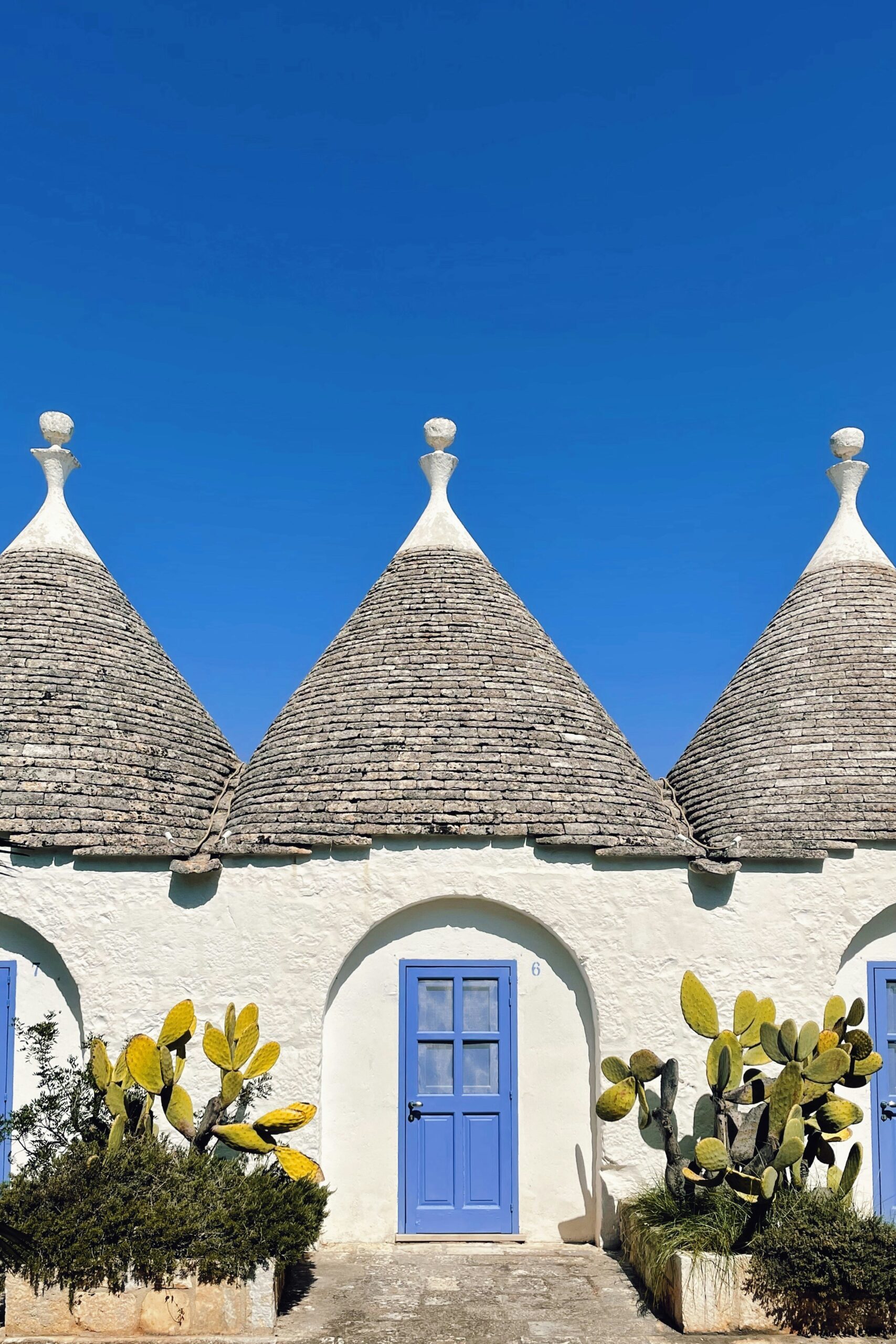
Discover your perfect home in Apulia with ApuliaBella. We handpick every trullo, villa, apartment, and masseria to ensure comfort, authenticity, and unforgettable charm. Whether it’s a romantic getaway, a family holiday, or a group escape, we match you with a property that fits your style, group size, and budget. Booking is simple and stress-free — we handle all details so you can focus on enjoying your holiday. With ApuliaBella, your dream Apulian stay is just a few clicks away.
On-Site Guest Support
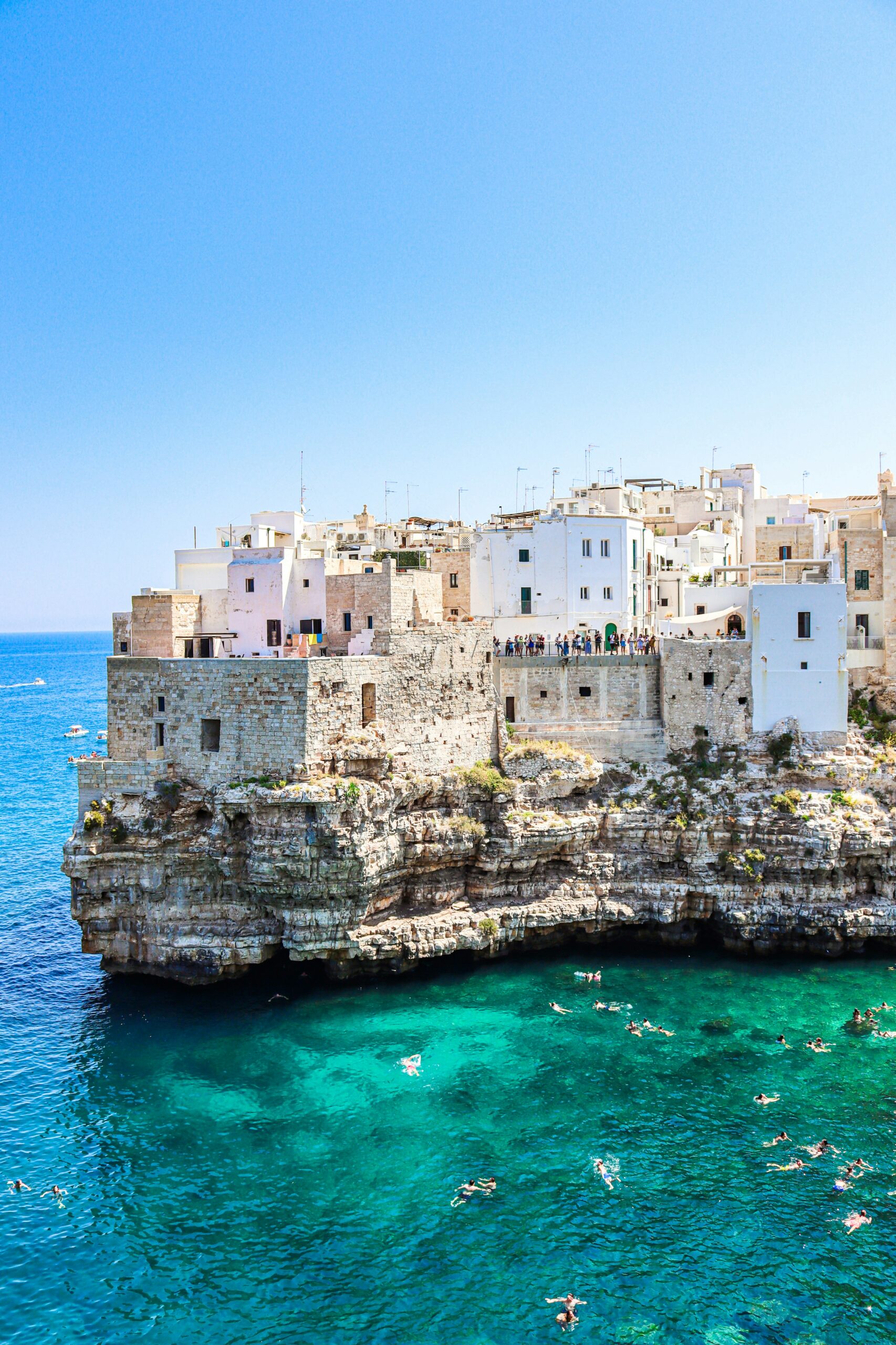
Enjoy your Apulia holiday without a single worry with ApuliaBella’s On-Site Guest Support. From the moment you arrive, our local team welcomes you personally, guides you through your accommodation, and ensures everything is perfectly prepared. Need tips for the best beaches, restaurants, or hidden gems? We provide insider knowledge tailored to your interests. Should any questions or small issues arise, we’re just a call away — discreet, reliable, and ready to assist. With ApuliaBella, your stay is seamless, stress-free, and completely focused on relaxation and enjoyment.
Services for Property Owners
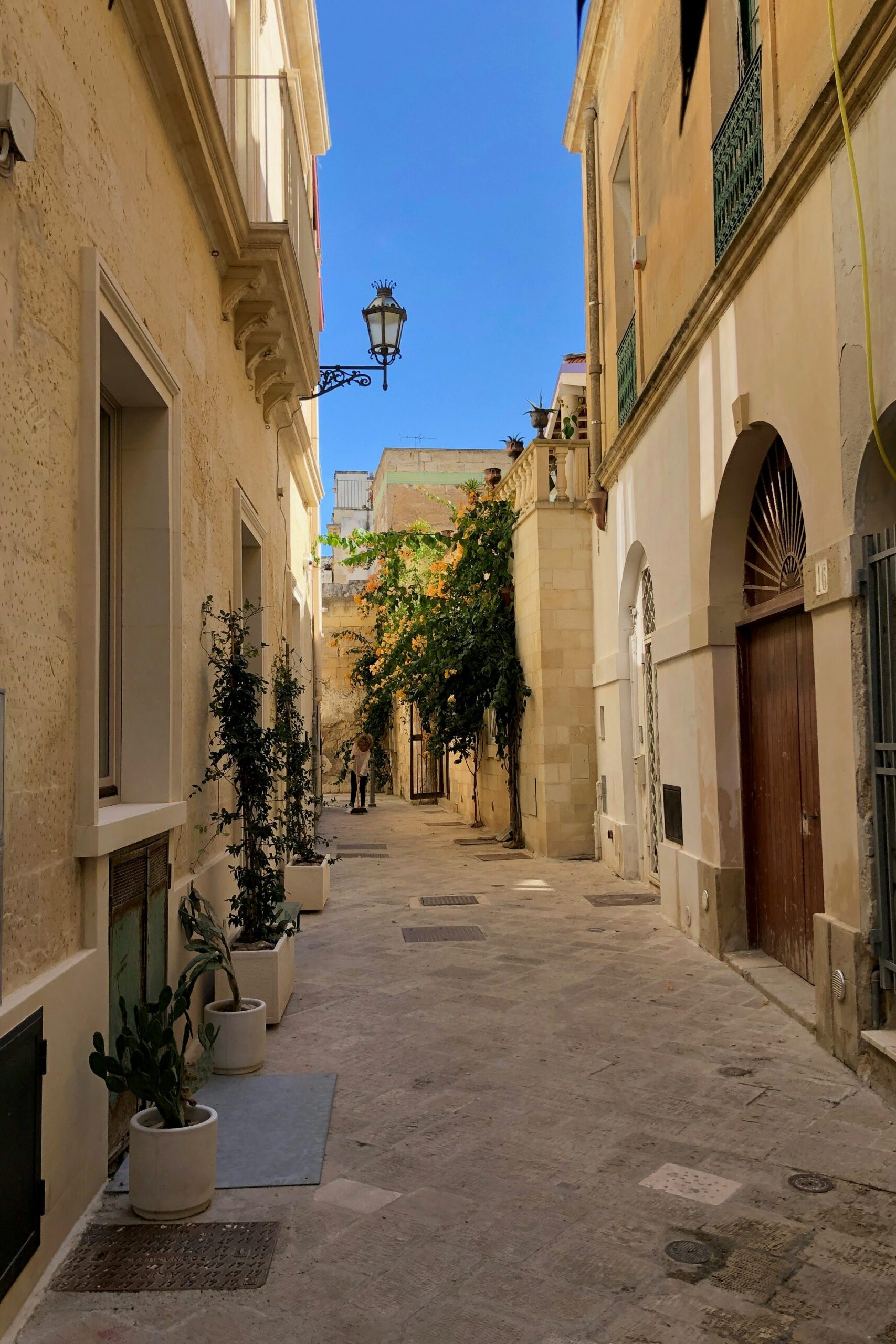
Maximize your property’s potential with ApuliaBella. We handle everything — from professional marketing and guest communication to booking management and on-site coordination. Our team ensures your home is presented beautifully, booked efficiently, and maintained to the highest standards. With personalized strategies, we help you attract the right guests while reducing your workload. Trust ApuliaBella to manage your property professionally, giving you peace of mind and satisfied guests every time.
We are the Apulia Experts for Travelers
At ApuliaBella, we are your English-speaking experts for discovering the magic of Apulia. We handpick authentic holiday homes, trulli, villas, and masserie to ensure every stay is comfortable, unique, and unforgettable. Our team lives and breathes Apulia — from its sun-soaked beaches and historic towns to hidden villages and countryside escapes.
We guide you personally from booking to arrival, providing insider tips, local knowledge, and on-site support. Whether you are planning a romantic getaway, a family holiday, or a group adventure, ApuliaBella turns your travel dreams into reality. We are passionate about making every stay effortless, enjoyable, and authentically Apulian. With ApuliaBella, your Apulia experience begins before you even pack your bags.
Places in Apulia:
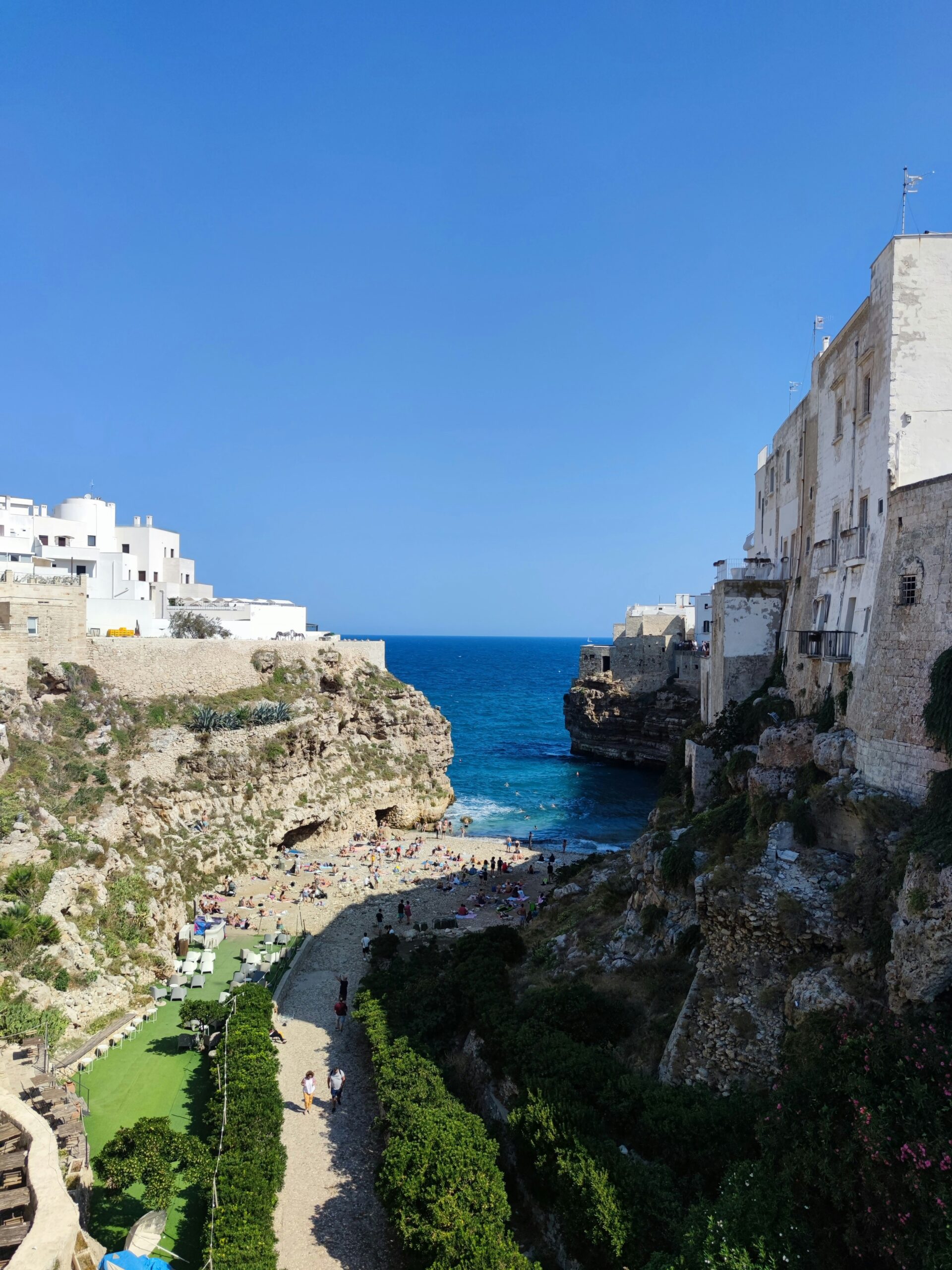
Acquaviva delle Fonti, Accadia, Adelfia, Alberobello, Alberona, Altamura, Anzano di Puglia, Andria, Apricena, Ascoli Satriano, Avetrana, Bari, Barletta, Binetto, Biccari, Bitetto, Bitonto, Bitritto, Bisceglie, Bovino, Brindisi, Cagnano Varano, Candela, Canosa di Puglia, Carapelle, Carlantino, Carpino, Carosino, Carovigno, Casamassima, Casarano, Casalnuovo Monterotaro, Casalvecchio di Puglia, Castellana Grotte, Castellaneta, Castelluccio dei Sauri, Castelluccio Valmaggiore, Castelnuovo della Daunia, Cellamare, Celle di San Vito, Celenza Valfortore, Cellino San Marco, Ceglie Messapica, Cerignola, Chieuti, Cisternino, Corato, Copertino, Crispiano, Deliceto, Erchie, Faggiano, Fasano, Faeto, Foggia, Francavilla Fontana, Galatina, Galatone, Gallipoli, Gioia del Colle, Ginosa, Giovinazzo, Grottaglie, Gravina in Puglia, Grumo Appula, Ischitella, Isole Tremiti, Laterza, Latiano, Lecce, Leverano, Leporano, Lesina, Lizzano, Lizzanello, Locorotondo, Lucera, Maglie, Manduria, Manfredonia, Margherita di Savoia, Martina Franca, Maruggio, Massafra, Mattinata, Mesagne, Molfetta, Modugno, Monopoli, Monte Sant’Angelo, Montemesola, Monteiasi, Monteparano, Monteroni di Lecce, Monteleone di Puglia, Mottola, Motta Montecorvino, Nardò, Noci, Noicàttaro, Ordona, Oria, Orta Nova, Ostuni, Palagiano, Palagianello, Palo del Colle, Panni, Peschici, Pietramontecorvino, Poggiorsini, Polignano a Mare, Pulsano, Putignano, Rignano Garganico, Rodi Garganico, Roccaforzata, Roseto Valfortore, Ruvo di Puglia, Rutigliano, Sannicandro di Bari, Sannicandro Garganico, Sammichele di Bari, San Donaci, San Ferdinando di Puglia, San Giorgio Ionico, San Giovanni Rotondo, San Marzano di San Giuseppe, San Marco in Lamis, San Marco la Catola, San Michele Salentino, San Nicandro Garganico, San Paolo di Civitate, San Pancrazio Salentino, San Pietro Vernotico, Santeramo in Colle, Sava, Serracapriola, Spinazzola, Statte, Stornara, Stornarella, Surbo, Tarent, Taviano, Terlizzi, Trani, Tricase, Triggiano, Trinitapoli, Trepuzzi, Toritto, Torremaggiore, Torre Santa Susanna, Torricella, Torchiarolo, Turi, Ugento, Valenzano, Veglie, Vico del Gargano, Vieste, Villa Castelli, Volturara Appula, Volturino, Zapponeta