
Surbo in Apulia
Welcome to Surbo: The Threshold of the Baroque Capital
Just a few kilometers from the grand, limestone lace of Lecce, nestled in the heart of the Salentine peninsula, lies Surbo. At ApuliaBella, we call this city the “Quiet Gateway to the Sun.” While many travelers rush toward the dazzling monuments of the provincial capital, Surbo offers something rarer: the authentic, unhurried rhythm of a Salentine village that has guarded the northern entry to the “Florence of the South” for centuries. It is a place where the silver of the olive trees meets the golden hue of the pietra leccese, and where the secrets of the Byzantine East still linger in the shadows of medieval abbeys.
As your dedicated ApuliaBella travel advisor, we invite you to explore a destination that serves as the perfect sanctuary for the discerning traveler. Surbo is for those who seek “The Subtle”—the beauty of a rural chapel hidden in the groves, the scent of fresh pasticciotto wafting through a morning piazza, and the dignity of a community deeply rooted in the soil. Whether you are an architectural enthusiast looking for the roots of the Romanesque style or a gourmet hunting for the purest expression of Salentine olive oil, ApuliaBella is here to guide you through the historic “Corti” and the sacred landscapes of this hidden gem.
A Legacy of the East and West: The History of Surbo
The history of Surbo is a narrative of strategic position and spiritual refuge. At ApuliaBella, we find the town’s origins to be a fascinating blend of legend and necessity. Its name is believed to derive from the Latin Suburbium, indicating its historical role as a suburb or immediate neighbor to Lecce. However, the soul of the town was forged during the Middle Ages, when it became a vital node in the network of feudal estates and monastic foundations.
When you walk the historic center with ApuliaBella, we tell the story of the Norman knights and the Basilian monks who shaped this land. For centuries, Surbo was part of the County of Lecce, serving as a productive agricultural hub that provided the “Liquid Gold” (olive oil) and wheat to the noble families of the city. At ApuliaBella, we help you trace this journey from the Byzantine hermits living in the surrounding caves to the 18th-century “Masserari” who built the grand fortified farmhouses that still dot the countryside. It is a city that has always been the “Support and the Spirit” of the Salento.
The Abbey of Santa Maria d’Aurio: A Romanesque Masterpiece
The undisputed jewel in Surbo’s crown is the Abbazia di Santa Maria d’Aurio. Standing solitary among the olive groves on the outskirts of the town, this 12th-century church is one of the most significant examples of Romanesque architecture in the region.
As your ApuliaBella travel guide, we suggest you begin your journey here, in the golden light of the afternoon. The abbey was once part of a larger monastic complex that served as a center of culture and agriculture. At ApuliaBella, we consider the facade, with its elegant rose window and carved portals, to be a masterclass in medieval restraint. Inside, the cool stone walls and the traces of ancient frescoes offer a sanctuary of silence. It is a place that reminds us that the history of the Salento is written in stone and faith.
The Church of San Pantaleone: The Heart of the Community
In the center of the town stands the Chiesa di San Pantaleone, the spiritual anchor for the people of Surbo. Dedicated to the town’s patron saint, a physician and martyr, the church is a blend of Baroque elegance and local tradition.
We at ApuliaBella recommend visiting during the midday hush. The interior is a treasure trove of Salentine art, featuring ornate altars and statues that are central to the town’s religious identity. As your ApuliaBella travel guide, we find the square in front of the church to be the “Social Compass” of the town—a place where the generations meet to discuss the harvest and the news of the day. At ApuliaBella, we view this church as the “Guardian of the Pulse,” a symbol of the community’s resilience and devotion.
The “Case a Corte”: The Architecture of Solidarity
The historic center of Surbo is characterized by a unique urban feature known as the Case a Corte (Courtyard Houses). These are clusters of small dwellings that open onto a shared central courtyard, often accessed through a single decorated archway.
Your ApuliaBella travel guide considers a walk through these courtyards a mandatory experience. In the past, the “Corte” was the center of all life—a place where neighbors shared the work of shelling peas, weaving lace, and pressing grapes. At ApuliaBella, we love how these spaces preserve the communal spirit of the Salento. Even today, you might see an elderly woman sitting in the shade of a courtyard, continuing the traditions of her ancestors. At ApuliaBella, we find these courtyards to be “Labyrinths of Memory,” where the architecture itself encourages friendship and mutual aid.
The Tower of Federico II: A Norman Sentinel
Looming over the surrounding plains is the Torre di Federico II (also known as the Tower of Aurio). Though named after the Great Stupor Mundi, this defensive structure reflects the long period of Norman and Swabian fortification in the Salento.
At ApuliaBella, we suggest a visit to this tower to understand the strategic vulnerability of the region. From its height, sentries could watch the coast for Saracen sails and signal the nearby city of Lecce. As your ApuliaBella travel guide, we find the tower to be the “Stone Watchman” of Surbo. It stands as a reminder that this peaceful landscape of olive trees was once a contested frontier, where the safety of the population depended on the strength of the limestone.
Culinary Specialties: The Earthy Wealth of the Lecce Plains
The kitchen of Surbo is a robust celebration of the “Cucina Salentina.” It is a cuisine of the earth, defined by the “Three Pillars”: wheat, vegetables, and olive oil. At ApuliaBella, we ensure you taste the “Purity of the Soil.”
Ciceri e Tria: The signature dish of the region—pasta with chickpeas, where a portion of the pasta is deep-fried to create a crunchy contrast.
Pasticciotto Leccese: A shortcrust pastry filled with rich lemon custard, traditionally eaten warm for breakfast.
Sagne ‘ncannulate: Long, twisted ribbons of pasta served with a strong tomato sauce and a dollop of “ricotta forte” (fermented sheep’s cheese).
Pittule: Savory fried dough balls, often stuffed with olives, capers, or cauliflower, traditionally served during the winter festivals.
Olio Extravergine d’Oliva (Terra d’Otranto DOP): The oil from Surbo’s groves is intensely fruity with a peppery finish—the essential dressing for every dish.
Frisella: Hard-baked rings of bread, soaked briefly in water and topped with juicy cherry tomatoes, oregano, and plenty of oil.
Insider Tip: The “Street of the Bakeries” at Dawn
Here is an ApuliaBella insider tip: To experience the true soul of Surbo, you must wake up with the sun and find the small, family-run bakeries hidden in the historic alleys.
Our ApuliaBella recommendation is to follow your nose. The smell of burning olive wood and baking dough is the “Perfume of the Morning.” Ask for a “Pezzo di Rustico”—a puff pastry filled with mozzarella, tomato, and béchamel. Eating a warm rustico while standing in a quiet courtyard as the town wakes up is the ultimate way to feel like a local. At ApuliaBella, we find that the best travel moments aren’t found in museums, but in the steam of a morning oven.
The Festival of San Pantaleone: July’s Golden Light
If you visit in late July, you will witness the Festa di San Pantaleone, a spectacular display of southern Italian passion.
At ApuliaBella, we believe this is the most vibrant time to see the town. The streets are adorned with “Luminarie”—towering, intricate light displays that turn the night into day. Your ApuliaBella travel guide suggests following the statue of the saint during the procession to hear the local brass bands. At ApuliaBella, we view this festival as the “Heartbeat of the Salento,” a moment where the ancient traditions of faith, food, and family converge in a celebration of light and sound.
Why Choose ApuliaBella for Your Surbo Journey?
Surbo is a city of “Stone Shadows and Golden Groves.” It requires a guide who can navigate the nuances of its medieval history and the quiet beauty of its rural landscapes.
Architectural Context: ApuliaBella provides the deep history of the Romanesque and Baroque styles, making the stone buildings of Surbo speak.
Gastronomic Access: We know the most authentic producers of olive oil and the bakeries that still use traditional wood-fired ovens.
Peace and Proximity: We help you balance the quiet charm of Surbo with the grand energy of nearby Lecce, creating a perfectly rounded Salentine experience.
Surbo is the threshold of the Baroque capital—a city of ancient abbeys, hidden courtyards, and the most flavorful traditions in the South. It is where the spirit of the Middle Ages meets the warmth of the modern Salento. Let ApuliaBella be your guide to the most authentic and serene secret of the Lecce hinterland.
Comprehensive Services for Guests
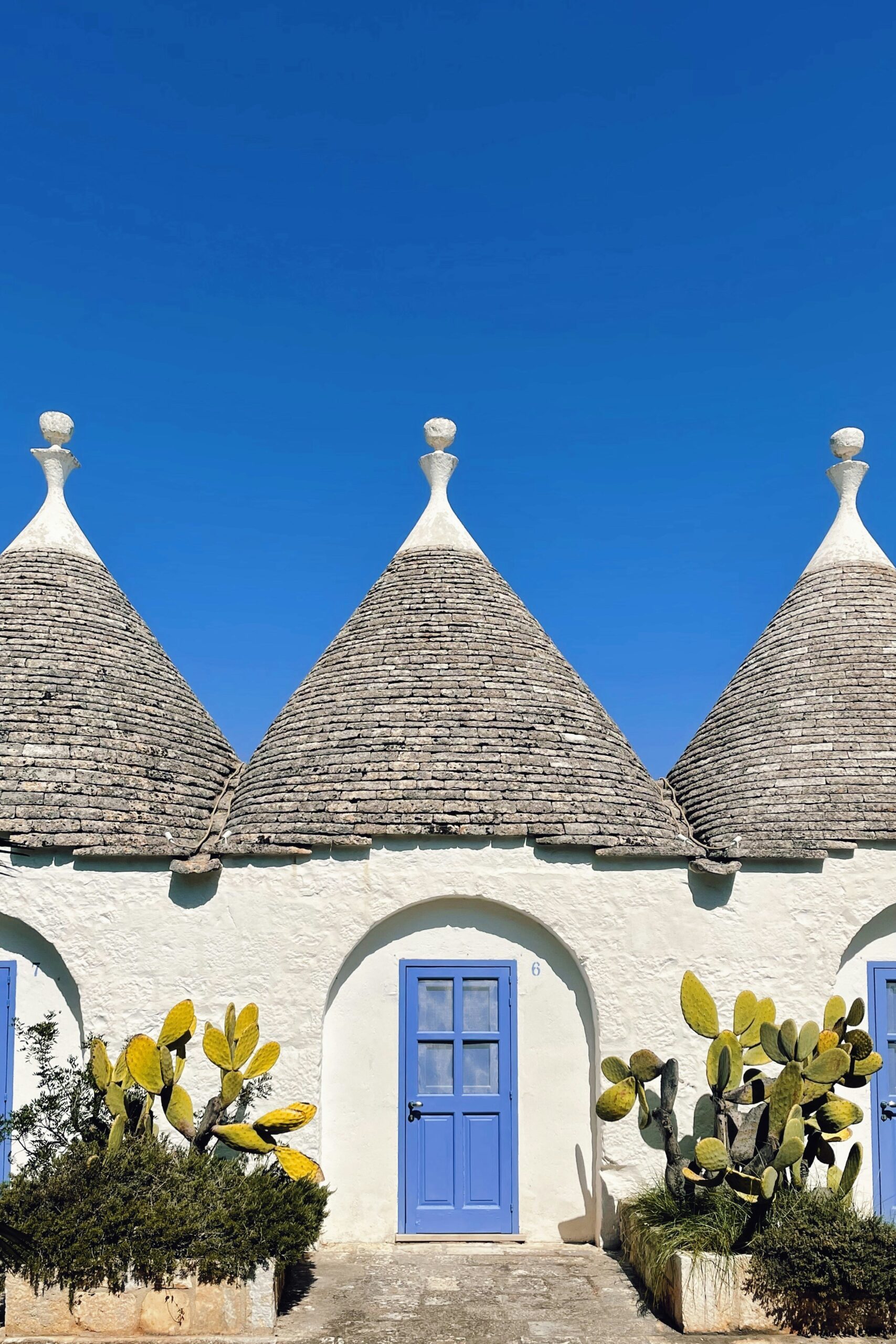
Holiday Home & Villa Booking
Discover your perfect home in Apulia with ApuliaBella. We handpick every trullo, villa, apartment, and masseria to ensure comfort, authenticity, and unforgettable charm. Whether it’s a romantic getaway, a family holiday, or a group escape, we match you with a property that fits your style, group size, and budget. Booking is simple and stress-free — we handle all details so you can focus on enjoying your holiday. With ApuliaBella, your dream Apulian stay is just a few clicks away.
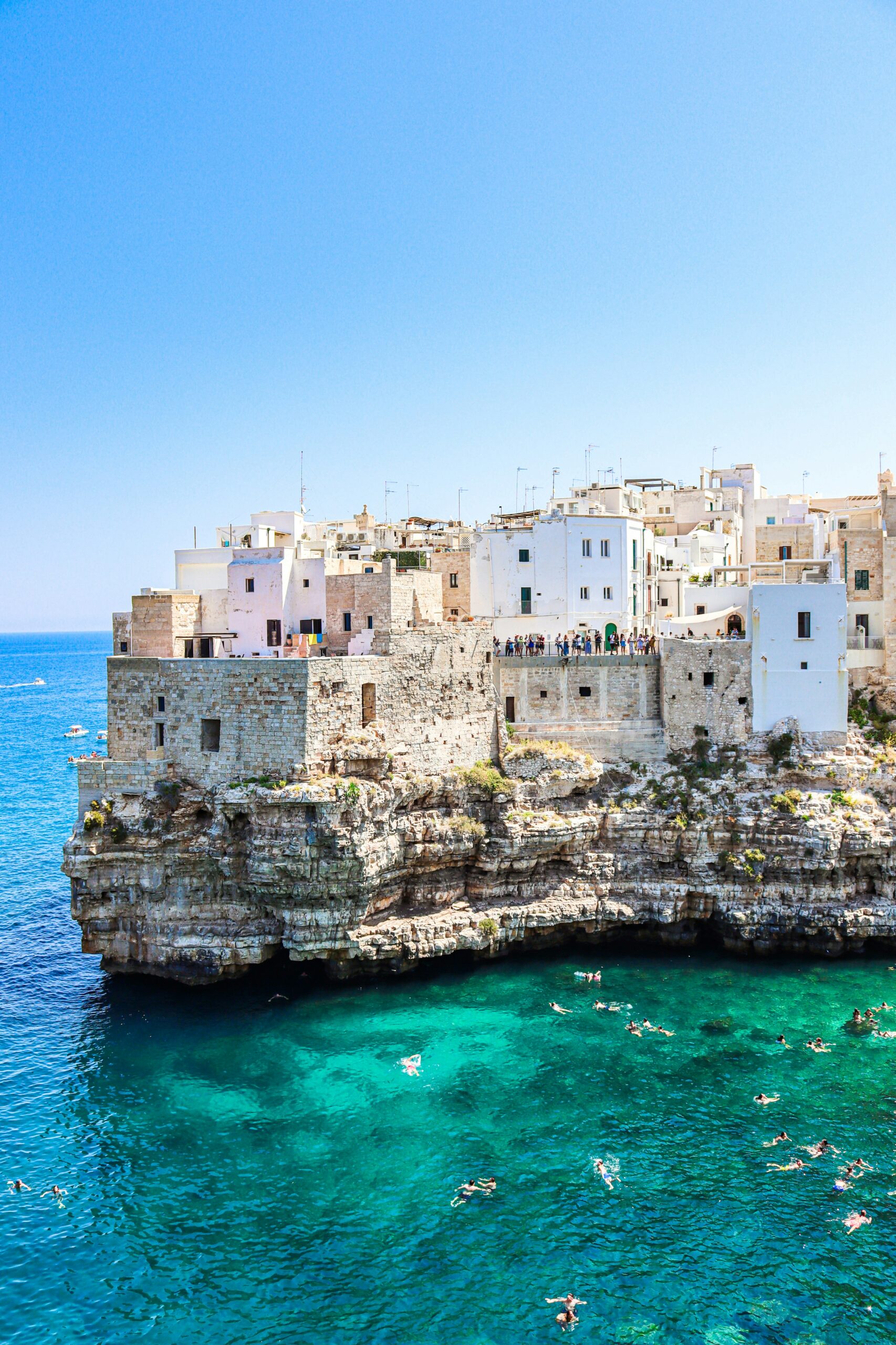
On-Site Guest Support
Enjoy your Apulia holiday without a single worry with ApuliaBella’s On-Site Guest Support. From the moment you arrive, our local team welcomes you personally, guides you through your accommodation, and ensures everything is perfectly prepared. Need tips for the best beaches, restaurants, or hidden gems? We provide insider knowledge tailored to your interests. Should any questions or small issues arise, we’re just a call away — discreet, reliable, and ready to assist. With ApuliaBella, your stay is seamless, stress-free, and completely focused on relaxation and enjoyment.
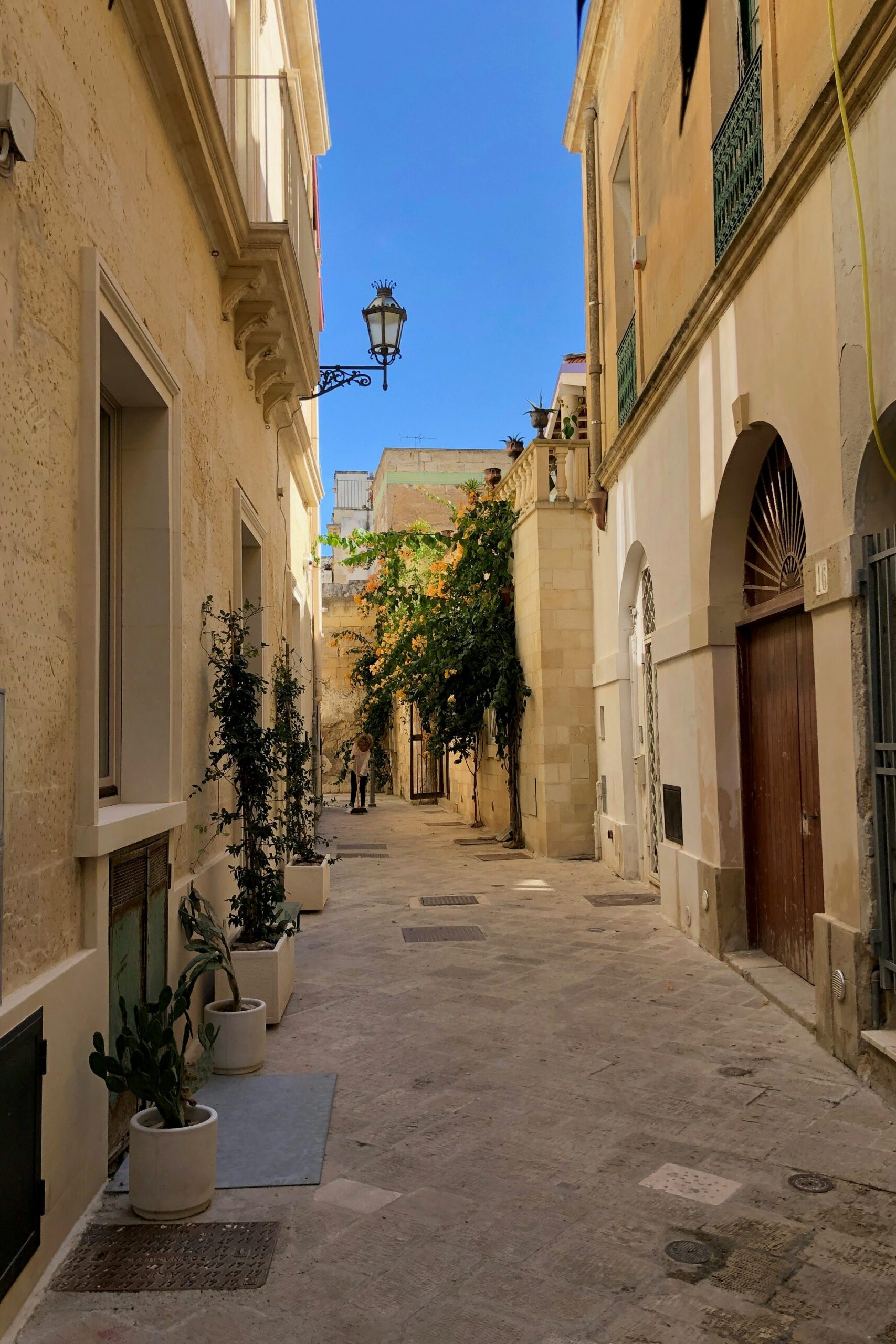
Services for Property Owners
Maximize your property’s potential with ApuliaBella. We handle everything — from professional marketing and guest communication to booking management and on-site coordination. Our team ensures your home is presented beautifully, booked efficiently, and maintained to the highest standards. With personalized strategies, we help you attract the right guests while reducing your workload. Trust ApuliaBella to manage your property professionally, giving you peace of mind and satisfied guests every time.
We are the Apulia Experts for Travelers
At ApuliaBella, we are your English-speaking experts for discovering the magic of Apulia. We handpick authentic holiday homes, trulli, villas, and masserie to ensure every stay is comfortable, unique, and unforgettable. Our team lives and breathes Apulia — from its sun-soaked beaches and historic towns to hidden villages and countryside escapes.
We guide you personally from booking to arrival, providing insider tips, local knowledge, and on-site support. Whether you are planning a romantic getaway, a family holiday, or a group adventure, ApuliaBella turns your travel dreams into reality. We are passionate about making every stay effortless, enjoyable, and authentically Apulian. With ApuliaBella, your Apulia experience begins before you even pack your bags.
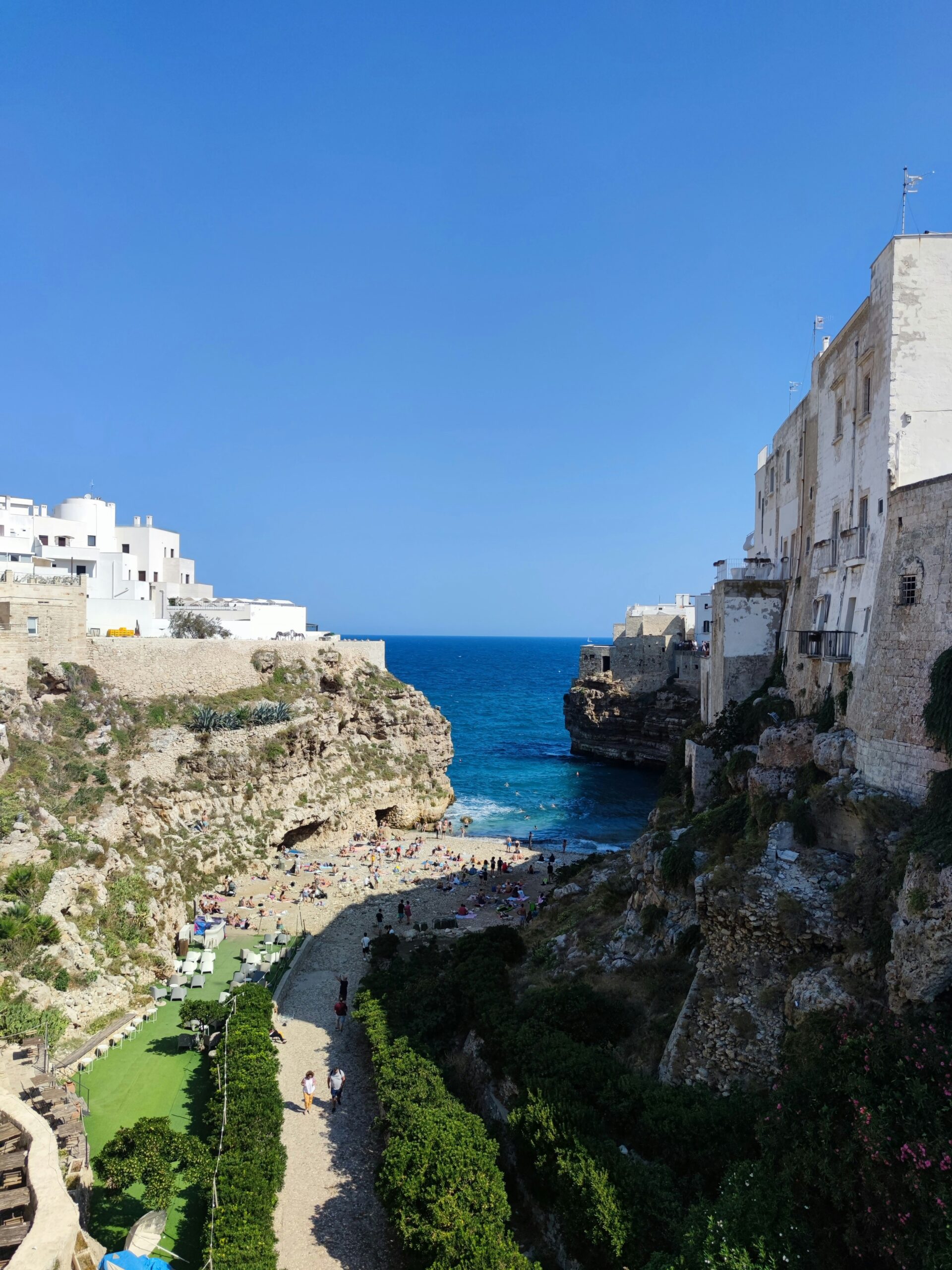
Places in Apulia:
Acquaviva delle Fonti, Accadia, Adelfia, Alberobello, Alberona, Altamura, Anzano di Puglia, Andria, Apricena, Ascoli Satriano, Avetrana, Bari, Barletta, Binetto, Biccari, Bitetto, Bitonto, Bitritto, Bisceglie, Bovino, Brindisi, Cagnano Varano, Candela, Canosa di Puglia, Carapelle, Carlantino, Carpino, Carosino, Carovigno, Casamassima, Casarano, Casalnuovo Monterotaro, Casalvecchio di Puglia, Castellana Grotte, Castellaneta, Castelluccio dei Sauri, Castelluccio Valmaggiore, Castelnuovo della Daunia, Cellamare, Celle di San Vito, Celenza Valfortore, Cellino San Marco, Ceglie Messapica, Cerignola, Chieuti, Cisternino, Corato, Copertino, Crispiano, Deliceto, Erchie, Faggiano, Fasano, Faeto, Foggia, Francavilla Fontana, Galatina, Galatone, Gallipoli, Gioia del Colle, Ginosa, Giovinazzo, Grottaglie, Gravina in Puglia, Grumo Appula, Ischitella, Isole Tremiti, Laterza, Latiano, Lecce, Leverano, Leporano, Lesina, Lizzano, Lizzanello, Locorotondo, Lucera, Maglie, Manduria, Manfredonia, Margherita di Savoia, Martina Franca, Maruggio, Massafra, Mattinata, Mesagne, Molfetta, Modugno, Monopoli, Monte Sant’Angelo, Montemesola, Monteiasi, Monteparano, Monteroni di Lecce, Monteleone di Puglia, Mottola, Motta Montecorvino, Nardò, Noci, Noicàttaro, Ordona, Oria, Orta Nova, Ostuni, Palagiano, Palagianello, Palo del Colle, Panni, Peschici, Pietramontecorvino, Poggiorsini, Polignano a Mare, Pulsano, Putignano, Rignano Garganico, Rodi Garganico, Roccaforzata, Roseto Valfortore, Ruvo di Puglia, Rutigliano, Sannicandro di Bari, Sannicandro Garganico, Sammichele di Bari, San Donaci, San Ferdinando di Puglia, San Giorgio Ionico, San Giovanni Rotondo, San Marzano di San Giuseppe, San Marco in Lamis, San Marco la Catola, San Michele Salentino, San Nicandro Garganico, San Paolo di Civitate, San Pancrazio Salentino, San Pietro Vernotico, Santeramo in Colle, Sava, Serracapriola, Spinazzola, Statte, Stornara, Stornarella, Surbo, Tarent, Taviano, Terlizzi, Trani, Tricase, Triggiano, Trinitapoli, Trepuzzi, Toritto, Torremaggiore, Torre Santa Susanna, Torricella, Torchiarolo, Turi, Ugento, Valenzano, Veglie, Vico del Gargano, Vieste, Villa Castelli, Volturara Appula, Volturino, Zapponeta