
Corato in Apulia
Welcome to Corato: The Emerald Heart of the Noble Murgia
In the rugged, sun-drenched landscape north of Bari, where the karst plateau of the Alta Murgia begins its slow rise toward the horizon, sits Corato. At ApuliaBella, we call this the “City of the Cultivar Coratina”—a place where the identity of the people is inextricably linked to the intense, peppery soul of the olive tree. Corato is a city of sturdy stone, refined palazzos, and a spirit of industriousness that has made it a beacon of agricultural excellence in the Mediterranean.
As your dedicated ApuliaBella travel advisor, we invite you to explore a destination that feels both ancient and vital. Corato is a city that doesn’t just display its history; it lives it. From the megalithic mysteries of the Chianca dei Paladini to the bustling theaters and squares of its “stradone,” Corato offers a sophisticated blend of rural tradition and urban elegance. Whether you are a culinary traveler seeking the world’s most antioxidant-rich olive oil or a history lover tracing the footsteps of the Normans and the Knights Templar, ApuliaBella is here to guide you through the golden light and green groves of Corato.
The Legend of the Heart: A History of Stone and Survival
The history of Corato is a saga of endurance. Legend suggests the city was founded by the Roman Caius Oratus, but its true character was forged in the Middle Ages. In the 11th century, the Norman King Peter I of Trani fortified the town to protect it from the constant threats of the era. The city’s emblem—a heart held by four towers—symbolizes the courage of its citizens and the strength of its walls.
When you walk the concentric streets of the historic center with ApuliaBella, we tell the story of a city that transformed from a medieval fortress into a hub of the Italian Renaissance and Baroque. Corato was a favored seat for noble families like the Carafa and the Patroni Griffi, who adorned the city with majestic architecture. At ApuliaBella, we find the urban layout fascinating; the “stradone” (the ring road that follows the path of the old walls) creates a perfect circle around the ancient heart, a reminder of the city’s protective embrace. We help you trace this journey from the pre-historic dolmens to the vibrant, modern city that remains the agricultural engine of the North Barese region.
The Chianca dei Paladini: A Portal to Prehistory
On the outskirts of Corato lies one of the most significant archaeological treasures in Southern Italy: the Dolmen di San Silvestro, also known as the Chianca dei Paladini. This megalithic tomb, dating back to the Bronze Age, is a silent witness to the civilizations that inhabited the Murgia long before the first stone of the city was laid.
As your ApuliaBella travel guide, we recommend a visit to this site at golden hour. The sight of these massive limestone slabs, perfectly balanced for millennia, evokes a sense of wonder about the ancient engineers of the Daunian plateau. At ApuliaBella, we consider the Dolmen a gateway to the soul of the land. It represents the “long memory” of Corato, connecting the modern citizen to the ancestral shepherds and warriors who first called these hills home.
The Church of Santa Maria Maggiore: The Spiritual Center
In the very center of the “quattro distretti” (four districts) stands the Chiesa Matrice di Santa Maria Maggiore. This church is the architectural heart of Corato, featuring a stunning Romanesque portal and a bell tower that serves as the city’s North Star.
Your ApuliaBella travel guide suggests stepping inside to admire the wooden ceiling and the precious 17th-century canvases. The church houses the relics of Saint Catald, the patron saint, whose feast day brings the city to a standstill with music and light. At ApuliaBella, we find that this church perfectly captures the “Coratino” character—sturdy on the outside, but filled with refined beauty and deep spiritual conviction on the inside. It is a place where the history of the town’s faith is etched into every limestone block.
The Palazzo Patroni Griffi: Renaissance Grandeur
Corato is a city of hidden courtyards and noble facades, none more impressive than the Palazzo Patroni Griffi. This 16th-century palace is a masterpiece of Renaissance architecture, with a rusticated stone exterior that reflects the wealth and power of the families that shaped the city’s destiny.
We at ApuliaBella believe that these palazzos are what give Corato its “noble” atmosphere. As you walk past the arched portals, you can catch glimpses of internal gardens and grand staircases. As your ApuliaBella travel guide, we help you appreciate the craftsmanship of the local stonemasons, who turned the hard limestone of the Murgia into delicate ornaments. At ApuliaBella, we see these buildings as the “living rooms” of history, where the politics and social life of the region were debated for centuries.
Teatro Comunale: The Temple of Culture
Reflecting Corato’s 19th-century boom, the Teatro Comunale is one of the most beautiful and acoustically perfect theaters in Apulia. It stands as a symbol of the city’s intellectual and cultural ambition, hosting opera, drama, and symphonic music.
At ApuliaBella, we encourage you to check the performance schedule during your visit. The interior, with its velvet-lined boxes and frescoed ceiling, offers a glimpse into the sophisticated social life of the Corato elite. As your ApuliaBella travel guide, we see the theater as the bridge between the city’s agricultural roots and its modern European identity. It is a place where the community gathers to celebrate the “bellezza” of the human spirit.
The Coratina Olive Oil: The Liquid Gold of the Murgia
You cannot truly say you have visited Corato until you have tasted the Olio Extravergine di Oliva Cultivar Coratina. This olive variety is unique to this specific pocket of the Murgia, known for having the highest concentration of polyphenols (natural antioxidants) of any olive in the world.
We at ApuliaBella consider a visit to a local “frantoio” (oil mill) a mandatory experience. The Coratina oil is famous for its “pizzicore”—a spicy, peppery kick at the back of the throat that indicates its incredible health properties. As your ApuliaBella travel guide, we can arrange for a guided tasting where you learn to smell the notes of green tomato, artichoke, and almond. At ApuliaBella, we believe that this oil is the literal “blood” of Corato, the life-force that has sustained the city for generations.
Culinary Specialties: The Robust Table of Corato
The food in Corato is an honest, powerful celebration of the Mediterranean diet. It is a kitchen of bitter greens, robust wheat, and the intense flavors of the karst soil. At ApuliaBella, we ensure your plate is as authentic as the city itself.
Orecchiette with Cime di Rapa and Coratina Oil: The local version is defined by a heavy-handed drizzle of the spicy, fresh-pressed oil.
Le Stracciatella: Not the ice cream, but the creamy, shredded heart of the burrata cheese, often served with sun-dried tomatoes.
Il Pancotto: A traditional “peasant” dish made with stale bread, wild herbs, potatoes, and garlic, transformed into a gourmet experience by the quality of the ingredients.
Taralli Coratini: Unlike the smaller versions found elsewhere, these are often larger and flavored with local fennel seeds or black pepper.
Brasciole di Cavallo: Thin slices of horse meat rolled with parsley, garlic, and pecorino, slow-cooked in a rich tomato ragù for hours.
Pasta Reale: Delicate almond paste sweets that reflect the town’s Spanish and noble influences.
As your ApuliaBella travel guide, we can lead you to the historic “panifici” (bakeries) where the scent of wood-fired bread has been a constant in Corato for centuries.
Insider Tip: The “Evening Stradone” and the Secret Courtyards
Here is an ApuliaBella insider tip: The best way to experience Corato is to join the locals for the “Vascio” walk. In the evening, the entire city gravitates to the Stradone (the circular boulevard).
Our ApuliaBella recommendation is to start your walk at the Piazza Sedile. As you move around the circle, look for the small, iron-gated entrances to the historic center. Many of these lead to “cortili” (courtyards) where neighbors still sit outside to shell peas or chat. At ApuliaBella, we find that the “stradone” acts like the city’s porch. It’s where business is done, romances bloom, and the heartbeat of Corato is most audible. If you visit in late August, you might even catch the “Festa di San Cataldo,” when the entire circle is lit with towering displays of colorful lights.
The Museo della Città e del Territorio
Housed in a beautifully restored 19th-century prison, this museum provides the necessary context for everything you see in Corato. It tracks the evolution of the city from its geological formation to its role as a leader in the global olive oil trade.
At ApuliaBella, we believe the museum is essential for understanding the “why” behind Corato’s prosperity. The exhibits on rural life and ancient pottery are curated with a passion that is infectious. Your ApuliaBella travel guide will help you interpret the artifacts that show how the people of Corato mastered the difficult, rocky soil of the Murgia to create a garden of olives and almonds.
Why Choose ApuliaBella for Your Corato Discovery?
Corato is a city of substance. It is not a place of superficial tourist traps; it is a city of authentic work, noble stone, and deep flavors. It requires a guide who can appreciate the “grit and the grace.”
Agricultural Heritage: ApuliaBella provides the scientific and cultural background on the Coratina olive, turning a tasting into a masterclass.
Architectural Storytelling: We bring the Norman and Renaissance history of the city center to life, highlighting details that most visitors overlook.
Murgia Exploration: We help you use Corato as a perfect base to explore the nearby Castel del Monte and the wild expanses of the Alta Murgia National Park.
Corato is the emerald heart of the Murgia—a city of stone hearts, peppery oil, and infinite resilience. It is where the strength of the land is refined into the elegance of the bottle and the palazzo. Let ApuliaBella be your guide to the most authentic and noble secret of the North Barese.
Comprehensive Services for Guests
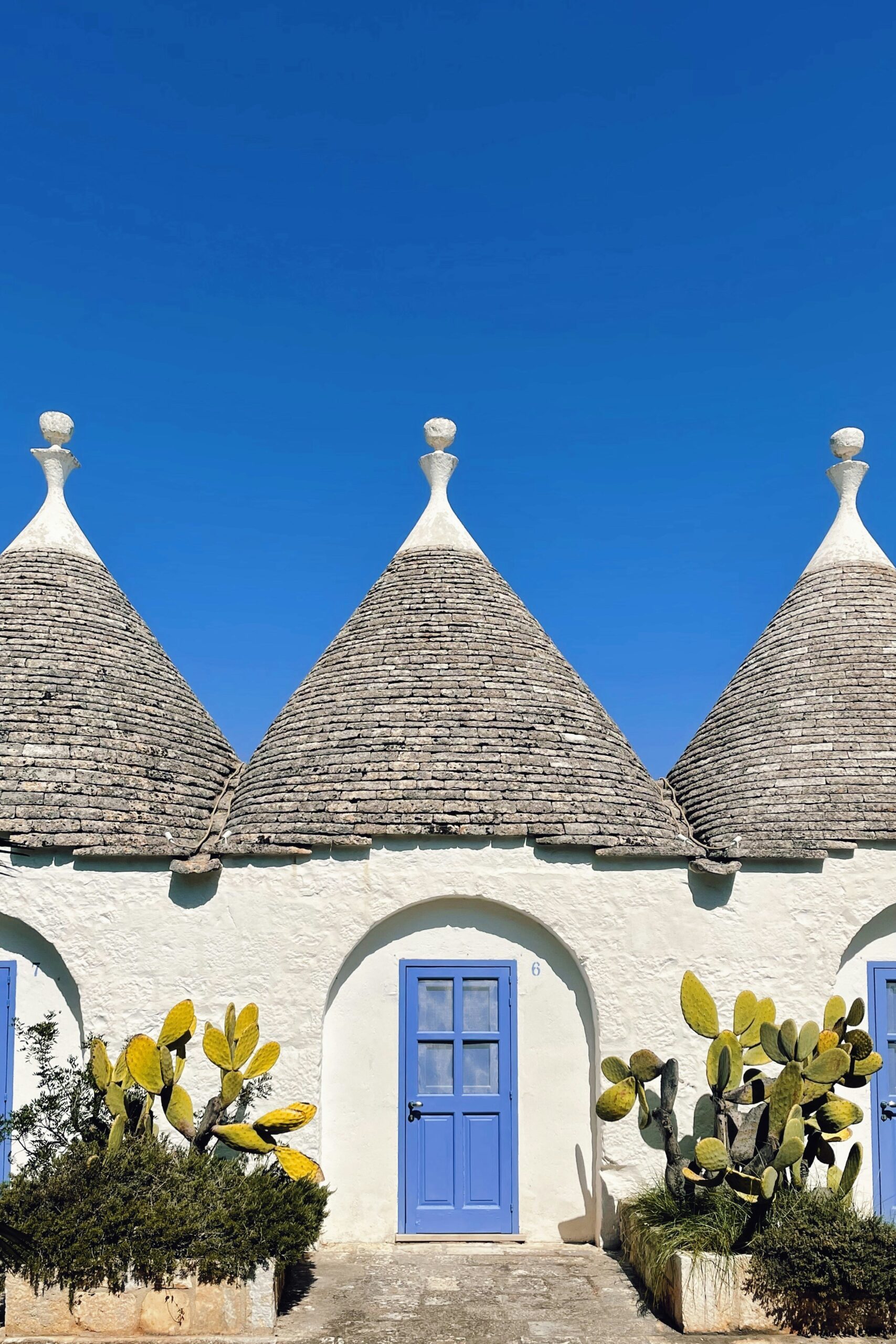
Holiday Home & Villa Booking
Discover your perfect home in Apulia with ApuliaBella. We handpick every trullo, villa, apartment, and masseria to ensure comfort, authenticity, and unforgettable charm. Whether it’s a romantic getaway, a family holiday, or a group escape, we match you with a property that fits your style, group size, and budget. Booking is simple and stress-free — we handle all details so you can focus on enjoying your holiday. With ApuliaBella, your dream Apulian stay is just a few clicks away.
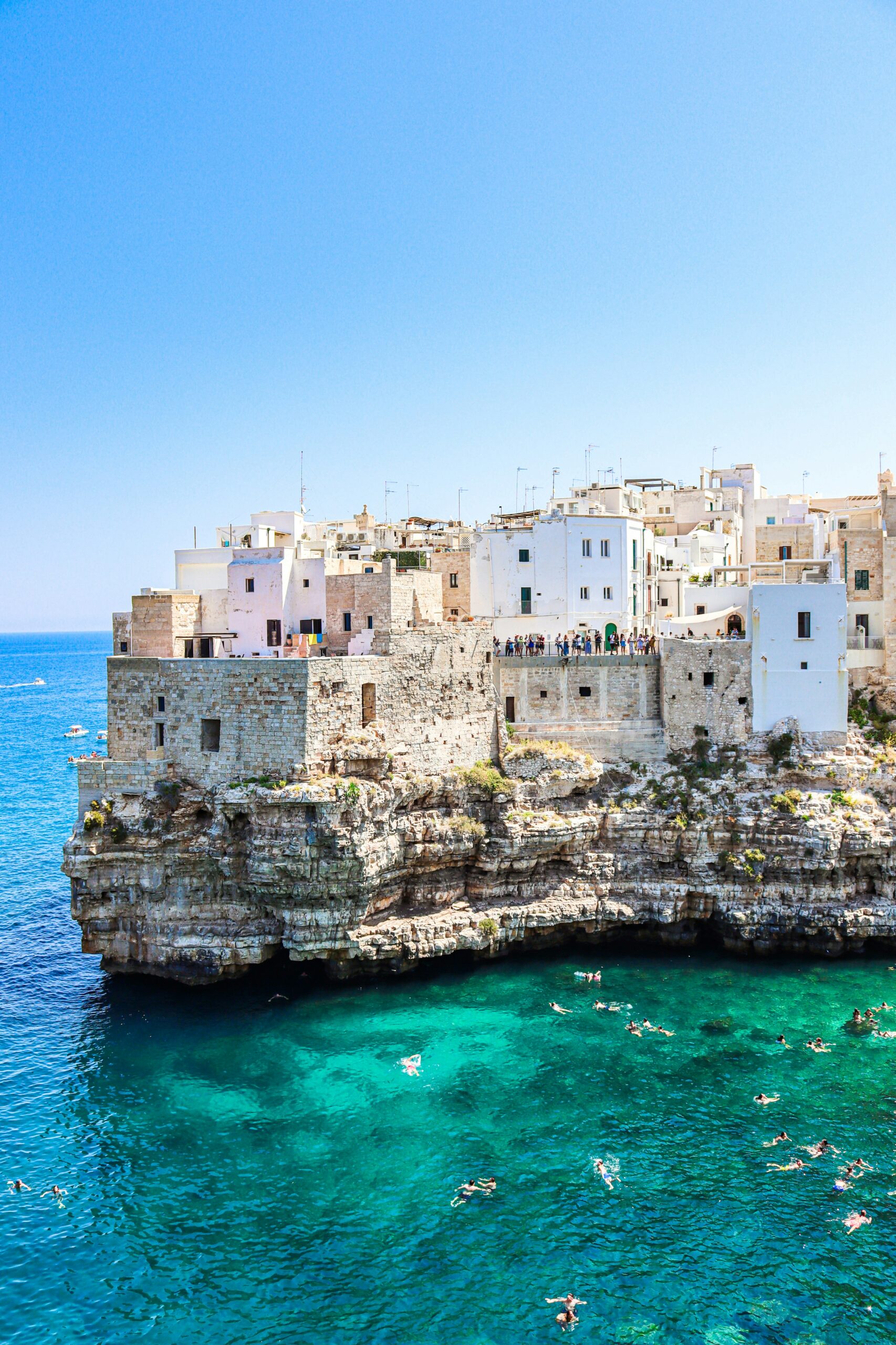
On-Site Guest Support
Enjoy your Apulia holiday without a single worry with ApuliaBella’s On-Site Guest Support. From the moment you arrive, our local team welcomes you personally, guides you through your accommodation, and ensures everything is perfectly prepared. Need tips for the best beaches, restaurants, or hidden gems? We provide insider knowledge tailored to your interests. Should any questions or small issues arise, we’re just a call away — discreet, reliable, and ready to assist. With ApuliaBella, your stay is seamless, stress-free, and completely focused on relaxation and enjoyment.
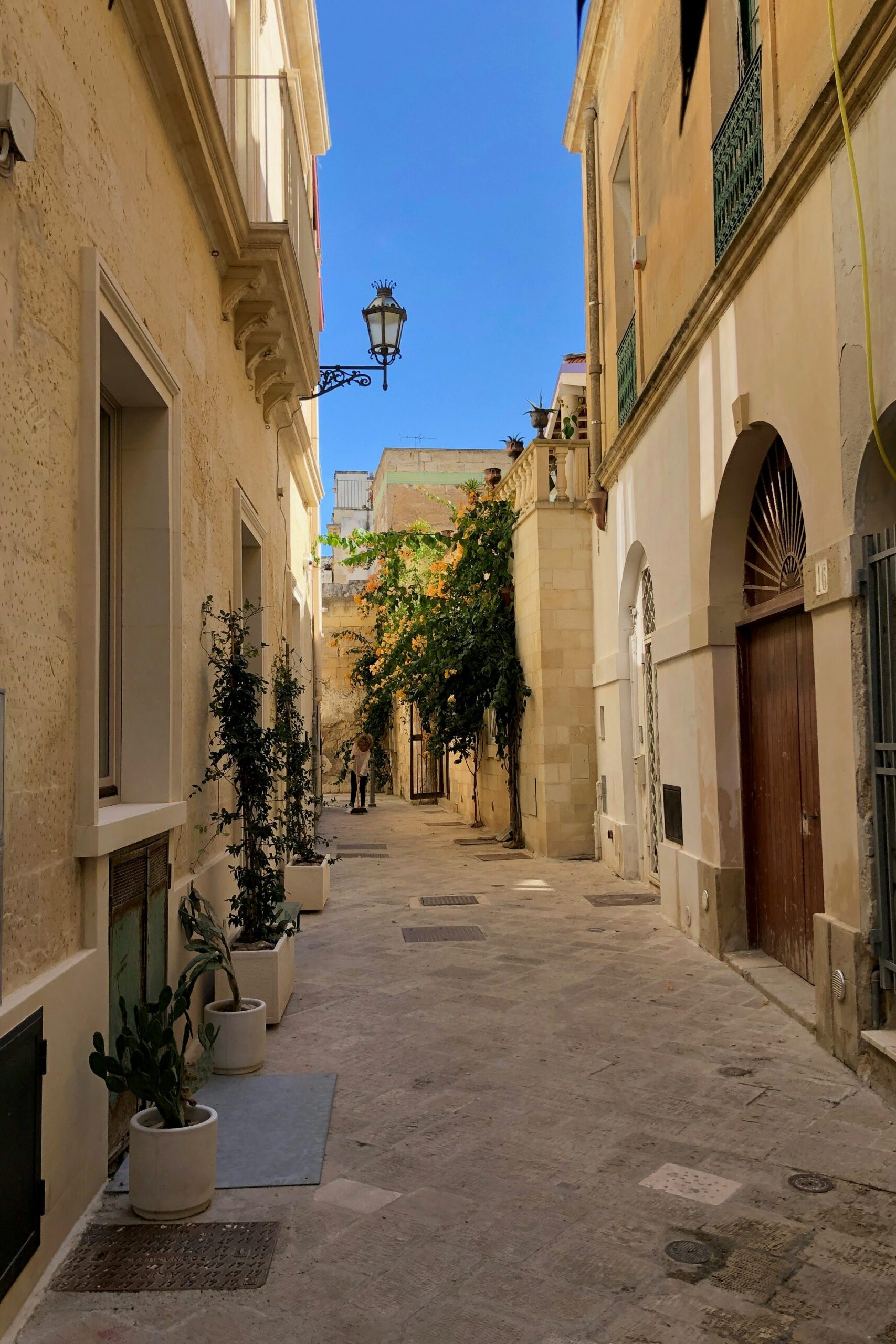
Services for Property Owners
Maximize your property’s potential with ApuliaBella. We handle everything — from professional marketing and guest communication to booking management and on-site coordination. Our team ensures your home is presented beautifully, booked efficiently, and maintained to the highest standards. With personalized strategies, we help you attract the right guests while reducing your workload. Trust ApuliaBella to manage your property professionally, giving you peace of mind and satisfied guests every time.
We are the Apulia Experts for Travelers
At ApuliaBella, we are your English-speaking experts for discovering the magic of Apulia. We handpick authentic holiday homes, trulli, villas, and masserie to ensure every stay is comfortable, unique, and unforgettable. Our team lives and breathes Apulia — from its sun-soaked beaches and historic towns to hidden villages and countryside escapes.
We guide you personally from booking to arrival, providing insider tips, local knowledge, and on-site support. Whether you are planning a romantic getaway, a family holiday, or a group adventure, ApuliaBella turns your travel dreams into reality. We are passionate about making every stay effortless, enjoyable, and authentically Apulian. With ApuliaBella, your Apulia experience begins before you even pack your bags.
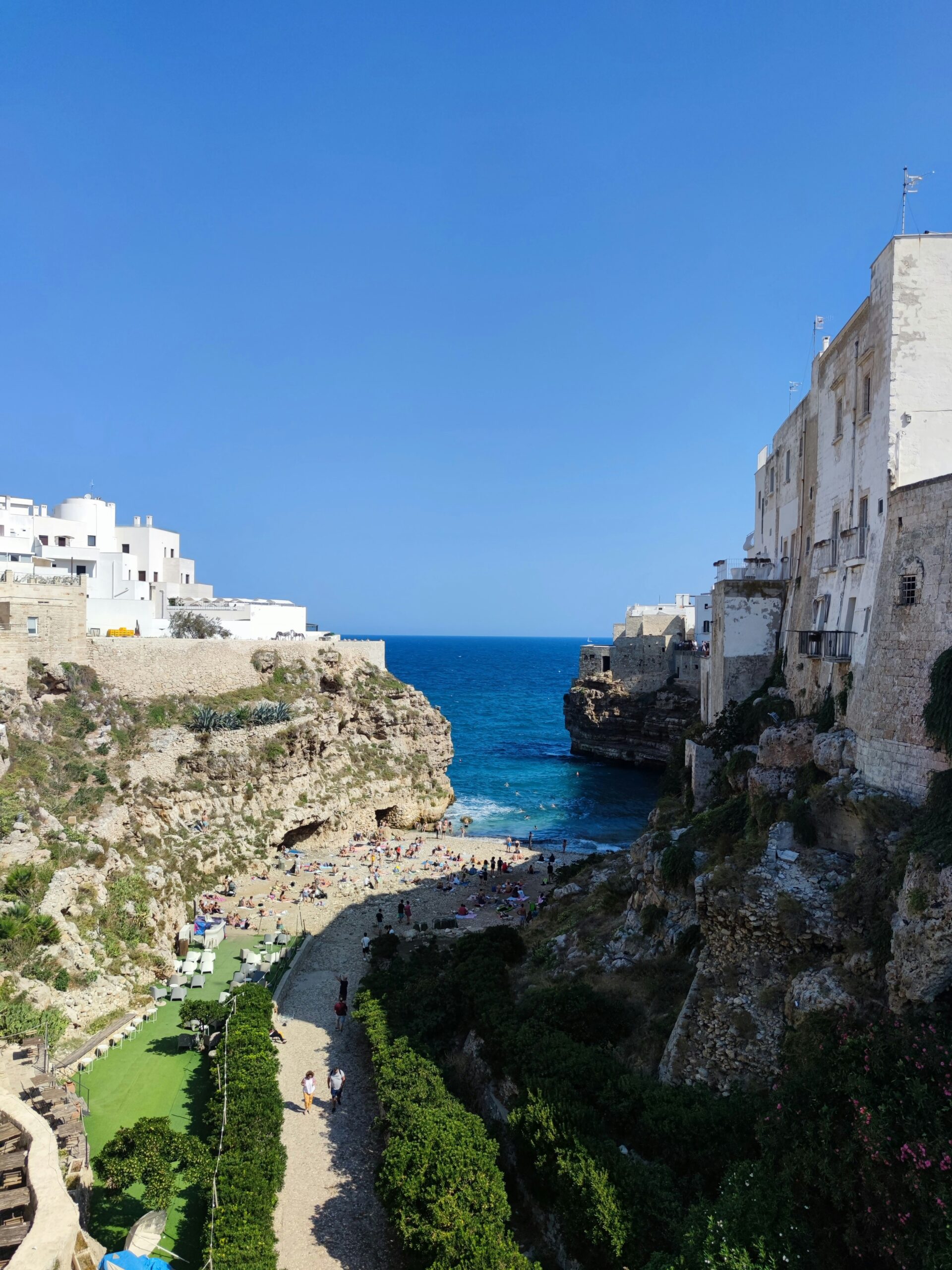
Places in Apulia:
Acquaviva delle Fonti, Accadia, Adelfia, Alberobello, Alberona, Altamura, Anzano di Puglia, Andria, Apricena, Ascoli Satriano, Avetrana, Bari, Barletta, Binetto, Biccari, Bitetto, Bitonto, Bitritto, Bisceglie, Bovino, Brindisi, Cagnano Varano, Candela, Canosa di Puglia, Carapelle, Carlantino, Carpino, Carosino, Carovigno, Casamassima, Casarano, Casalnuovo Monterotaro, Casalvecchio di Puglia, Castellana Grotte, Castellaneta, Castelluccio dei Sauri, Castelluccio Valmaggiore, Castelnuovo della Daunia, Cellamare, Celle di San Vito, Celenza Valfortore, Cellino San Marco, Ceglie Messapica, Cerignola, Chieuti, Cisternino, Corato, Copertino, Crispiano, Deliceto, Erchie, Faggiano, Fasano, Faeto, Foggia, Francavilla Fontana, Galatina, Galatone, Gallipoli, Gioia del Colle, Ginosa, Giovinazzo, Grottaglie, Gravina in Puglia, Grumo Appula, Ischitella, Isole Tremiti, Laterza, Latiano, Lecce, Leverano, Leporano, Lesina, Lizzano, Lizzanello, Locorotondo, Lucera, Maglie, Manduria, Manfredonia, Margherita di Savoia, Martina Franca, Maruggio, Massafra, Mattinata, Mesagne, Molfetta, Modugno, Monopoli, Monte Sant’Angelo, Montemesola, Monteiasi, Monteparano, Monteroni di Lecce, Monteleone di Puglia, Mottola, Motta Montecorvino, Nardò, Noci, Noicàttaro, Ordona, Oria, Orta Nova, Ostuni, Palagiano, Palagianello, Palo del Colle, Panni, Peschici, Pietramontecorvino, Poggiorsini, Polignano a Mare, Pulsano, Putignano, Rignano Garganico, Rodi Garganico, Roccaforzata, Roseto Valfortore, Ruvo di Puglia, Rutigliano, Sannicandro di Bari, Sannicandro Garganico, Sammichele di Bari, San Donaci, San Ferdinando di Puglia, San Giorgio Ionico, San Giovanni Rotondo, San Marzano di San Giuseppe, San Marco in Lamis, San Marco la Catola, San Michele Salentino, San Nicandro Garganico, San Paolo di Civitate, San Pancrazio Salentino, San Pietro Vernotico, Santeramo in Colle, Sava, Serracapriola, Spinazzola, Statte, Stornara, Stornarella, Surbo, Tarent, Taviano, Terlizzi, Trani, Tricase, Triggiano, Trinitapoli, Trepuzzi, Toritto, Torremaggiore, Torre Santa Susanna, Torricella, Torchiarolo, Turi, Ugento, Valenzano, Veglie, Vico del Gargano, Vieste, Villa Castelli, Volturara Appula, Volturino, Zapponeta