
Foggia in Apulia
Welcome to Foggia: The Resilient Capital of the Golden Plains
Rising from the center of the Tavoliere delle Puglie—the vast, sun-drenched “Granary of Italy”—Foggia is a city that defines the word “rebirth.” At ApuliaBella, we view Foggia as the heartbeat of northern Apulia. It is a city of wide neoclassical avenues, hidden underground wonders, and a legacy tied to the greatest emperors of the Middle Ages. Foggia does not wear its beauty on its sleeve like the coastal towns; it demands a curious spirit and a love for the deep, horizontal landscapes of the interior.
As your dedicated ApuliaBella travel advisor, we invite you to look past the modern bustle and discover a city of immense cultural weight. Foggia was the “favorite seat” of the Holy Roman Emperor Frederick II, the Stupor Mundi, who transformed this agricultural hub into an imperial capital. It is a city that has survived devastating earthquakes and the trials of war, each time rising from the dust with newfound vigor. Whether you are a history buff following the imperial trail or a gourmet seeking the rustic, powerful flavors of the Daunian plains, ApuliaBella is here to guide you through the monumental arches and golden fields of Foggia.
The Imperial Dream: A History of Grain and Glory
The story of Foggia is a narrative of strategic brilliance. Its name likely derives from the Latin fovea, referring to the pits used to store the sea of wheat harvested from the surrounding plains. However, the city’s golden age began in the 13th century when Frederick II declared it his permanent residence. He built a palace so magnificent that it was said to rival the wonders of the East.
When you walk the historic center with ApuliaBella, we tell the story of a city that was the administrative and spiritual center of a Mediterranean empire. Though the great palace was lost to time and tremors, its spirit remains in the city’s grand scale. At ApuliaBella, we find the resilience of Foggia fascinating; after the Great Earthquake of 1731, the city reinvented itself as a masterpiece of neoclassical urbanism. We help you trace this journey from the medieval “Fosse del Grano” to the elegant, 19th-century capital of the “Dogana delle Pecore” (the Customs Office for Sheep), which managed the great seasonal migrations of flocks across the peninsula.
The Cattedrale di Santa Maria Icona Vetere: A Byzantine Treasure
The spiritual and architectural anchor of the city is the Cathedral of Foggia. Originally built in the 12th century, it is a fascinating hybrid of Romanesque and Baroque styles. Its most precious possession is the Icona Vetere, a 7th-century painting of the Virgin Mary wrapped in seven veils, which legend says was found by shepherds in a pond surrounded by three flames.
As your ApuliaBella travel guide, we suggest you pay close attention to the exterior friezes—rare survivors of the medieval structure that depict mythical beasts and floral motifs. Inside, the atmosphere is one of profound devotion. At ApuliaBella, we love the “Three Flames” symbol that appears throughout the city; it represents the miraculous discovery of the Icon and serves as the eternal flame of Foggia’s identity. It is a place where the mystical past and the vibrant present meet in the cool shadows of the nave.
The Arch of Frederick II: The Imperial Footprint
While the great imperial palace is gone, a single, evocative fragment remains: the Arch of Frederick II. Integrated into the side of the Civic Museum, this sculpted portal is all that remains of the Palatium where the Emperor once held court and studied the stars.
We at ApuliaBella consider this arch the “DNA of Foggia.” As your ApuliaBella travel guide, we recommend spending a moment here to admire the intricate carvings of eagles and foliage. It is a portal to a time when Foggia was the center of the intellectual world. At ApuliaBella, we believe that standing beneath this arch allows you to feel the weight of the Stupor Mundi’s ambition—a reminder that you are walking in the footsteps of a man who changed the course of European history.
The Palazzo Dogana: The Gateway to the Transumante
For centuries, Foggia was the destination for millions of sheep traveling from the mountains of Abruzzo during the Transumanza. The Palazzo Dogana was the administrative heart of this massive economic engine, tax-collecting and regulating the movement of livestock.
Your ApuliaBella travel guide considers this UNESCO “Messenger of Peace” site essential for understanding the wealth of the region. The building now hosts contemporary art exhibitions and cultural events, but its grand courtyard still echoes with the ghosts of shepherds and merchants. At ApuliaBella, we find the connection between the city and the “Tratturi” (sheep tracks) to be the secret key to the Apulian landscape. It is a monument to a time when the wealth of the land was measured in wool and grain.
Hypogea: The Secret City Beneath the Streets
Beneath the modern pavement of Foggia lies a labyrinth of Ipogei (underground chambers). These medieval caves were used for everything from grain storage to secret passages for the imperial court.
At ApuliaBella, we believe the “Underground Foggia” is the city’s most thrilling secret. Your ApuliaBella travel guide can arrange for a visit to the Hypogea of San Domenico or the Urban Park of the Campi Diomedei. Walking through these cool, vaulted tunnels, you see the true foundations of the city. At ApuliaBella, we find these subterranean spaces to be incredibly evocative—they are the “memory banks” of a city that has been rebuilt many times on the same hallowed ground.
Culinary Specialties: The Robust Flavors of the Tavoliere
The cuisine of Foggia is a celebration of “Terra e Grano” (Earth and Grain). It is a kitchen of the sun, defined by the world’s finest durum wheat and the wild herbs of the plains. At ApuliaBella, we ensure your culinary experience is as hearty as a farmer’s harvest lunch.
Orecchiette with “Cime di Rapa” and Burnt Grain: Foggia is the capital of grano arso, a flour made from toasted wheat that gives the pasta a smoky, nutty flavor.
Musciscka: A traditional snack of sun-dried strips of goat or beef, seasoned with chili and fennel—the original “jerky” of the Transumanza shepherds.
Fave e Cicoria: The “soul food” of Foggia—creamy fava bean purée served with bitter wild chicory and a river of golden olive oil.
Torcinelli: Skewers of lamb liver and lung wrapped in intestines and grilled over oak wood. A bold flavor for the adventurous eater.
Scarcelle: Traditional Easter biscuits shaped into various symbols and topped with hard-boiled eggs.
Nero di Troia: The local red wine, robust and tannic, which matches the intensity of the city’s meat-heavy dishes.
As your ApuliaBella travel guide, we can lead you to the historic bakeries near the “Piano delle Fosse” where the bread is still baked in massive wood-fired ovens, producing a crust that sounds like a crackling fire.
Insider Tip: The “Teatro Umberto Giordano” and the Music of the Sunset
Here is an ApuliaBella insider tip: Foggia is a city of high culture, being the birthplace of the great composer Umberto Giordano. While the main theater is magnificent, the real magic happens in the Piazza Cesare Battisti in the late afternoon.
Our ApuliaBella recommendation is to grab a coffee at one of the historic bars and watch the passeggiata unfold in the shadow of the theater. On many evenings, students from the conservatory practice with their windows open, filling the neoclassical square with the sounds of opera and violin. At ApuliaBella, we find this to be the most “European” moment in the city—a blend of Italian elegance and artistic passion that few tourists stay long enough to witness.
The Villa Comunale: The Green Cathedral
When the Apulian sun gets too hot, the locals retreat to the Villa Comunale, one of the largest and most beautiful urban parks in Southern Italy. Its long avenue of 28 neoclassical columns is the “red carpet” of Foggia.
We at ApuliaBella consider this the perfect place for a slow stroll. As your ApuliaBella travel guide, we suggest visiting the botanical gardens within the park. At ApuliaBella, we love the contrast between the vast, flat horizon of the Tavoliere outside the city and the lush, shaded intimacy of the Villa. It is the lungs of the city and the perfect place to reflect on your journey through the Daunian capital.
Why Choose ApuliaBella for Your Foggia Journey?
Foggia is a city for the “Deep Traveler”—someone who understands that history isn’t always on the surface. It requires a guide who can reveal the imperial glory hidden in the brickwork and the culinary treasures hidden in the backstreets.
Underground Access: ApuliaBella provides the connections to visit the medieval hypogea that are often closed to the general public.
Imperial Narrative: We don’t just show you an arch; we tell the story of Frederick II’s dream, making the stones of the city speak.
Strategic Hub: We help you use Foggia as the perfect base to explore the Gargano Peninsula, the Tremiti Islands, and the Daunian Mountains.
Foggia is the resilient capital of the golden plains—a city of emperors, shepherds, and sun-scorched wheat. It is where the strength of the earth meets the elegance of the neoclassical arch. Let ApuliaBella be your guide to the powerful and unyielding heart of Northern Apulia.
Comprehensive Services for Guests
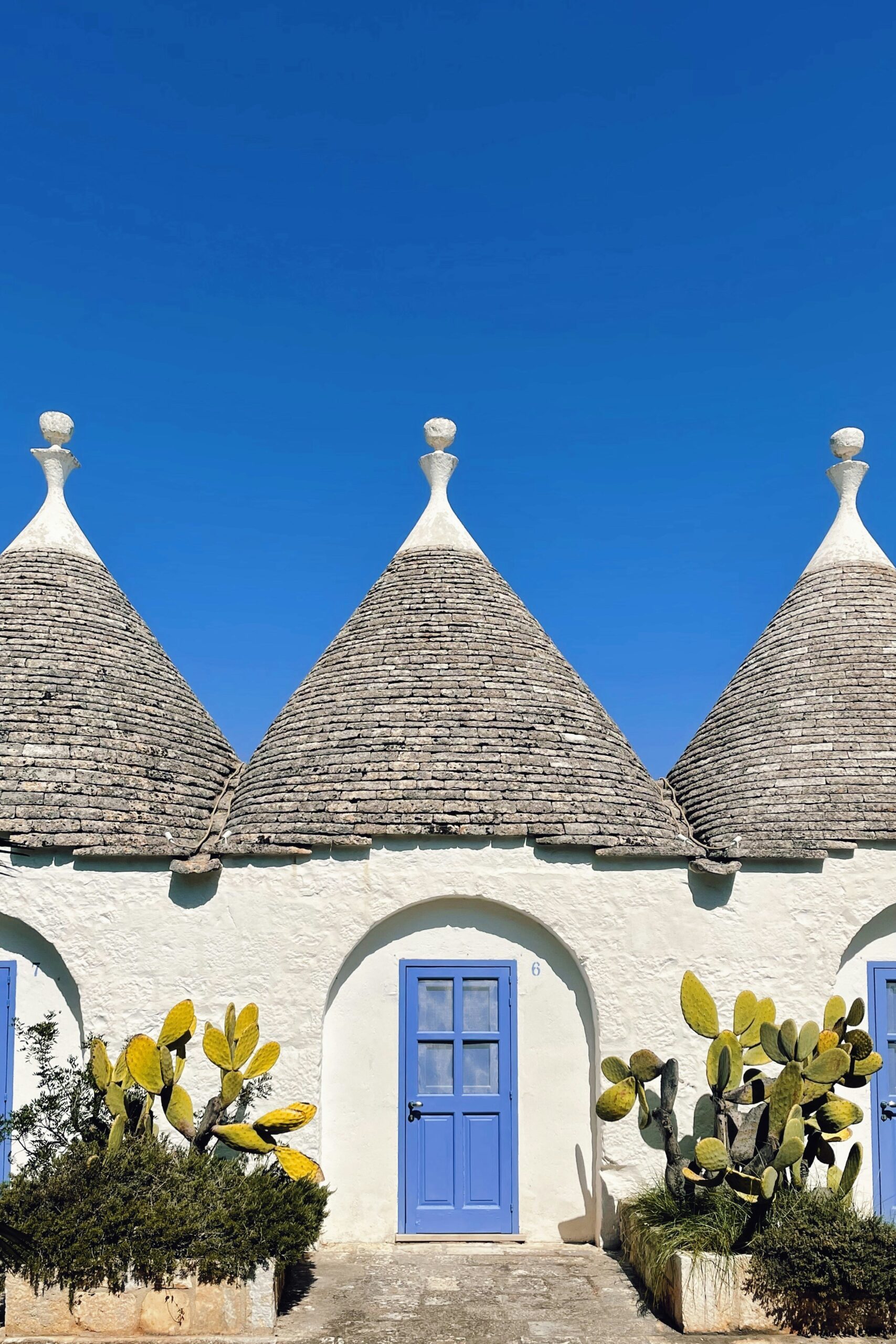
Holiday Home & Villa Booking
Discover your perfect home in Apulia with ApuliaBella. We handpick every trullo, villa, apartment, and masseria to ensure comfort, authenticity, and unforgettable charm. Whether it’s a romantic getaway, a family holiday, or a group escape, we match you with a property that fits your style, group size, and budget. Booking is simple and stress-free — we handle all details so you can focus on enjoying your holiday. With ApuliaBella, your dream Apulian stay is just a few clicks away.
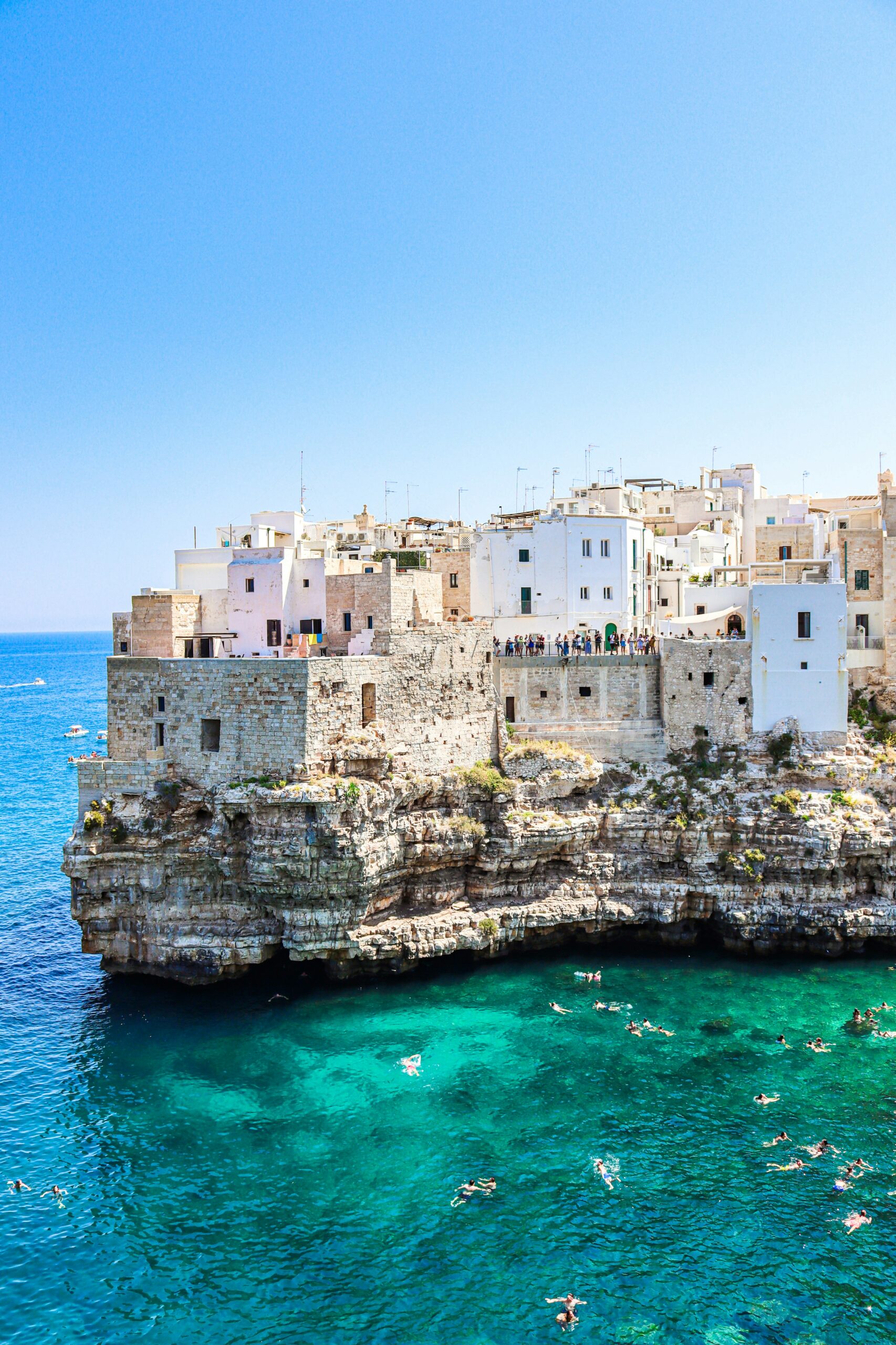
On-Site Guest Support
Enjoy your Apulia holiday without a single worry with ApuliaBella’s On-Site Guest Support. From the moment you arrive, our local team welcomes you personally, guides you through your accommodation, and ensures everything is perfectly prepared. Need tips for the best beaches, restaurants, or hidden gems? We provide insider knowledge tailored to your interests. Should any questions or small issues arise, we’re just a call away — discreet, reliable, and ready to assist. With ApuliaBella, your stay is seamless, stress-free, and completely focused on relaxation and enjoyment.
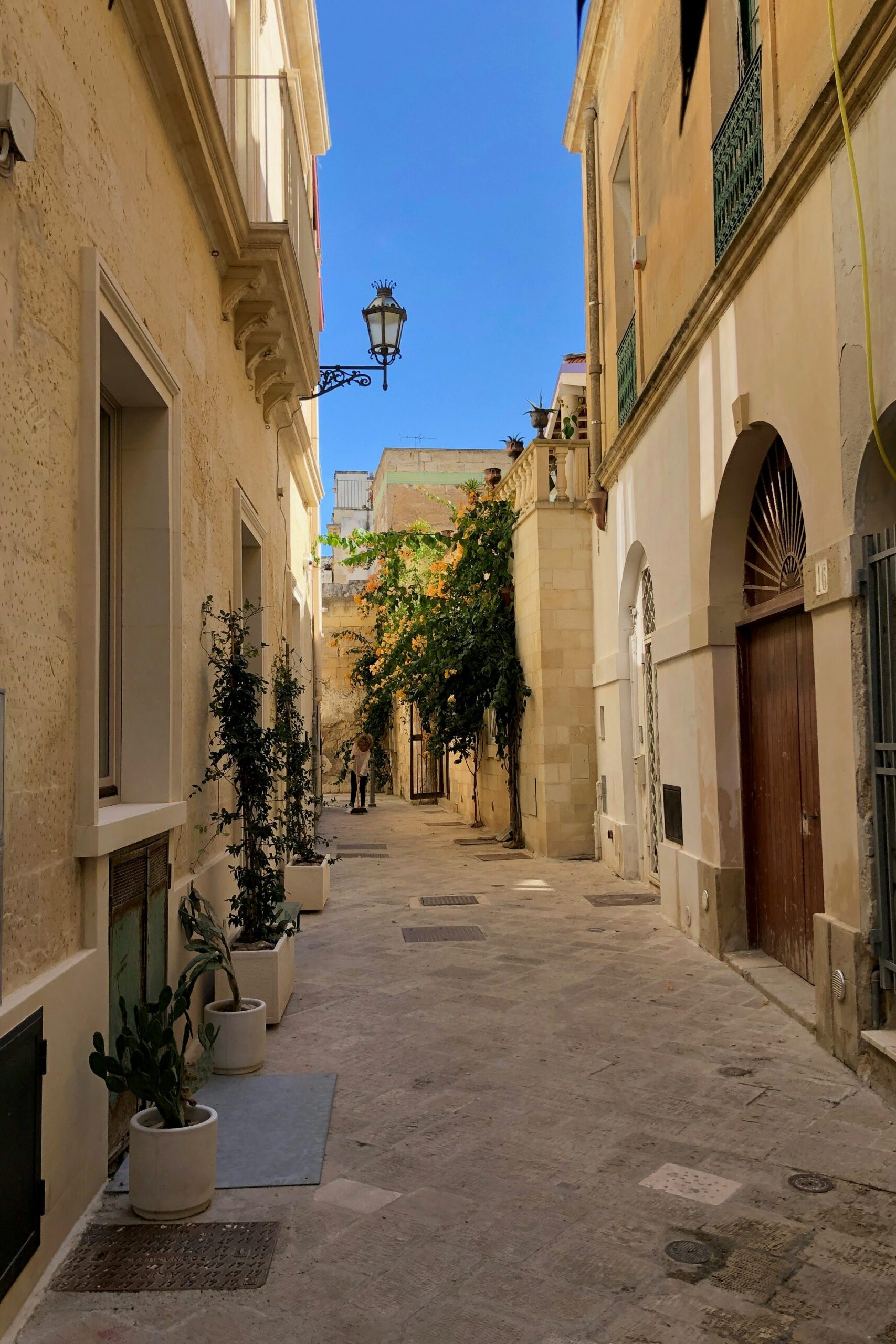
Services for Property Owners
Maximize your property’s potential with ApuliaBella. We handle everything — from professional marketing and guest communication to booking management and on-site coordination. Our team ensures your home is presented beautifully, booked efficiently, and maintained to the highest standards. With personalized strategies, we help you attract the right guests while reducing your workload. Trust ApuliaBella to manage your property professionally, giving you peace of mind and satisfied guests every time.
We are the Apulia Experts for Travelers
At ApuliaBella, we are your English-speaking experts for discovering the magic of Apulia. We handpick authentic holiday homes, trulli, villas, and masserie to ensure every stay is comfortable, unique, and unforgettable. Our team lives and breathes Apulia — from its sun-soaked beaches and historic towns to hidden villages and countryside escapes.
We guide you personally from booking to arrival, providing insider tips, local knowledge, and on-site support. Whether you are planning a romantic getaway, a family holiday, or a group adventure, ApuliaBella turns your travel dreams into reality. We are passionate about making every stay effortless, enjoyable, and authentically Apulian. With ApuliaBella, your Apulia experience begins before you even pack your bags.
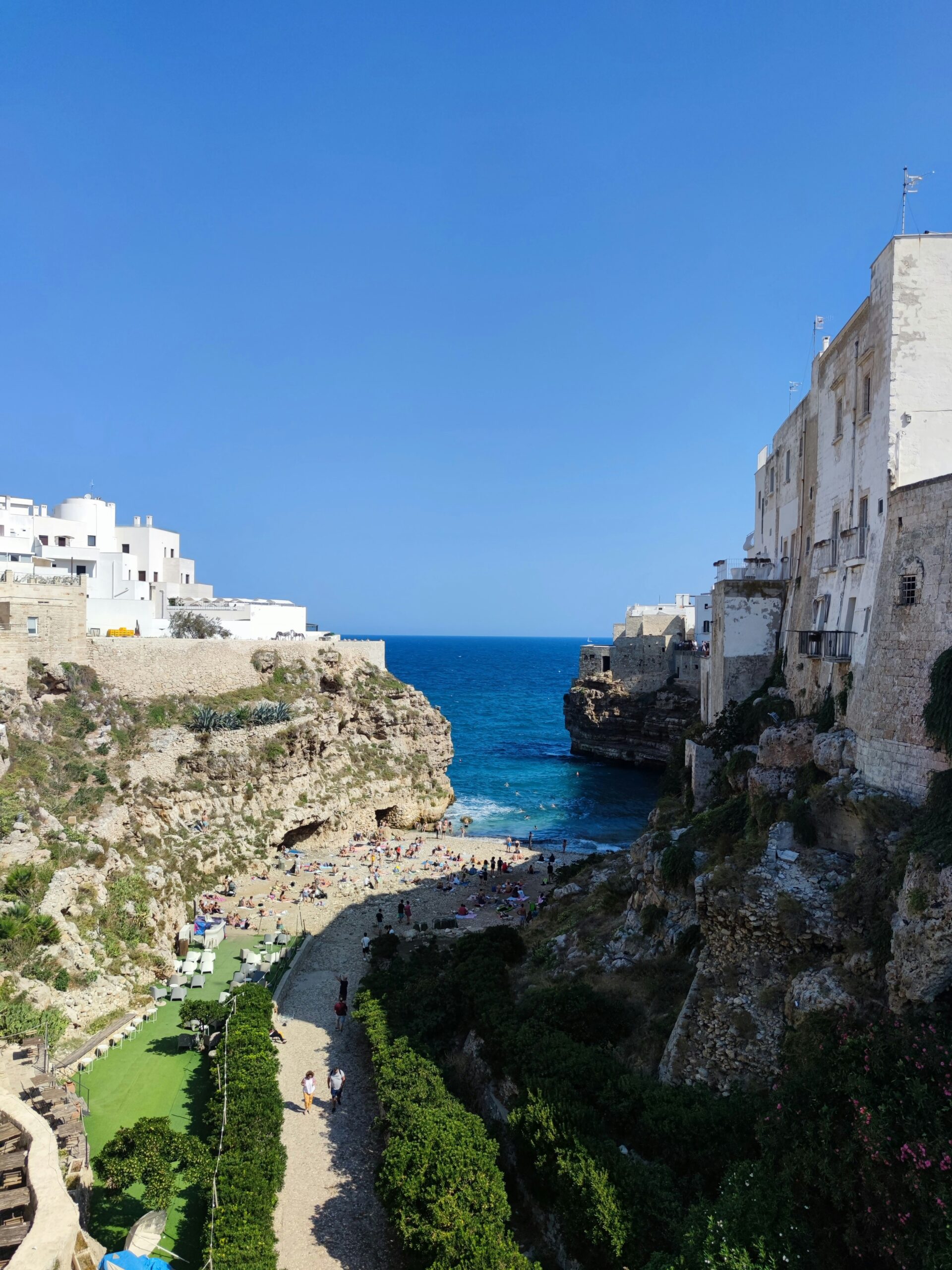
Places in Apulia:
Acquaviva delle Fonti, Accadia, Adelfia, Alberobello, Alberona, Altamura, Anzano di Puglia, Andria, Apricena, Ascoli Satriano, Avetrana, Bari, Barletta, Binetto, Biccari, Bitetto, Bitonto, Bitritto, Bisceglie, Bovino, Brindisi, Cagnano Varano, Candela, Canosa di Puglia, Carapelle, Carlantino, Carpino, Carosino, Carovigno, Casamassima, Casarano, Casalnuovo Monterotaro, Casalvecchio di Puglia, Castellana Grotte, Castellaneta, Castelluccio dei Sauri, Castelluccio Valmaggiore, Castelnuovo della Daunia, Cellamare, Celle di San Vito, Celenza Valfortore, Cellino San Marco, Ceglie Messapica, Cerignola, Chieuti, Cisternino, Corato, Copertino, Crispiano, Deliceto, Erchie, Faggiano, Fasano, Faeto, Foggia, Francavilla Fontana, Galatina, Galatone, Gallipoli, Gioia del Colle, Ginosa, Giovinazzo, Grottaglie, Gravina in Puglia, Grumo Appula, Ischitella, Isole Tremiti, Laterza, Latiano, Lecce, Leverano, Leporano, Lesina, Lizzano, Lizzanello, Locorotondo, Lucera, Maglie, Manduria, Manfredonia, Margherita di Savoia, Martina Franca, Maruggio, Massafra, Mattinata, Mesagne, Molfetta, Modugno, Monopoli, Monte Sant’Angelo, Montemesola, Monteiasi, Monteparano, Monteroni di Lecce, Monteleone di Puglia, Mottola, Motta Montecorvino, Nardò, Noci, Noicàttaro, Ordona, Oria, Orta Nova, Ostuni, Palagiano, Palagianello, Palo del Colle, Panni, Peschici, Pietramontecorvino, Poggiorsini, Polignano a Mare, Pulsano, Putignano, Rignano Garganico, Rodi Garganico, Roccaforzata, Roseto Valfortore, Ruvo di Puglia, Rutigliano, Sannicandro di Bari, Sannicandro Garganico, Sammichele di Bari, San Donaci, San Ferdinando di Puglia, San Giorgio Ionico, San Giovanni Rotondo, San Marzano di San Giuseppe, San Marco in Lamis, San Marco la Catola, San Michele Salentino, San Nicandro Garganico, San Paolo di Civitate, San Pancrazio Salentino, San Pietro Vernotico, Santeramo in Colle, Sava, Serracapriola, Spinazzola, Statte, Stornara, Stornarella, Surbo, Tarent, Taviano, Terlizzi, Trani, Tricase, Triggiano, Trinitapoli, Trepuzzi, Toritto, Torremaggiore, Torre Santa Susanna, Torricella, Torchiarolo, Turi, Ugento, Valenzano, Veglie, Vico del Gargano, Vieste, Villa Castelli, Volturara Appula, Volturino, Zapponeta