
Gioia del Colle in Apulia
Welcome to Gioia del Colle: The Imperial Throne of the Murgia
Rising from the fertile limestone plateau of the Murge, midway between the Adriatic coast and the Ionian Gulf, Gioia del Colle is a city of noble strength and creamy delights. At ApuliaBella, we call this the “City of the Emperor and the Milk.” It is a place where the austere, geometric lines of Frederick II’s military architecture meet the lush, pastoral traditions of some of Italy’s finest dairy production. Gioia del Colle is a destination for the traveler who appreciates substance—a town where history isn’t just a museum exhibit, but a living presence in the massive stone walls and the vibrant, bustling squares.
As your dedicated ApuliaBella travel advisor, we invite you to explore a city that served as a favorite retreat for the Stupor Mundi, the Emperor Frederick II. Gioia del Colle is a land of red wines and white cheeses, of Norman knights and Peucetian princes. Whether you are a history enthusiast tracing the evolution of medieval fortifications or a foodie on a pilgrimage for the world’s most authentic Mozzarella di Bufala and Primitivo wine, ApuliaBella is here to guide you through the majestic courtyards and ancient archaeological trails of this inland treasure.
The Legend of the Joyous Hill: A History of Love and Loyalty
The name Gioia del Colle (Joy of the Hill) is wrapped in a romantic, if tragic, legend. Local lore tells of a beautiful noblewoman, Bianca Lancia, the secret love and later wife of Emperor Frederick II. It is said that while she was imprisoned in the castle out of the Emperor’s jealousy, she gave birth to their son, Manfredi, and to prove her loyalty, she sent her breasts to the Emperor on a velvet cushion. While the “Joy” in the name likely has more prosaic roots in the Byzantine word Joannina, at ApuliaBella, we love the storytelling that haunts these stones.
The city’s true history begins with the Byzantines and Normans, but it was the Swabian era that defined its soul. Frederick II rebuilt the castle into a strategic masterpiece, making it a hub for his hunting expeditions in the surrounding forests. Later, the city became a vital agricultural center under the House of Anjou and the Prince of Taranto. At ApuliaBella, we find the historical layers of Gioia del Colle fascinating; it is a city that transitioned from a defensive military outpost to the undisputed capital of the Apulian dairy industry.
The Norman-Swabian Castle: A Masterpiece of Symmetry
The undisputed icon of the city is the Castello Normanno-Svevo. Unlike many other coastal fortresses, the castle of Gioia del Colle is celebrated for its interior beauty and the elegance of its residential quarters. Its courtyard, with a magnificent staircase and finely carved windows, reflects the high culture of the imperial court.
As your ApuliaBella travel guide, we suggest you spend significant time in the “Hall of the Throne.” The architecture here is a blend of Norman sturdiness and Swabian refinement. Inside the castle, you will also find the National Archaeological Museum, which houses artifacts from the nearby Peucetian settlements. At ApuliaBella, we consider this castle the “Living Room of the Murgia”—a place where the rigid requirements of defense were softened by the artistic desires of an emperor who loved beauty as much as power.
Monte Sannace: The Peucetian Capital
Just a few kilometers from the town center lies Monte Sannace, one of the most important archaeological parks in Southern Italy. This was a major center for the Peucetians, the ancient inhabitants of central Apulia, long before the Romans arrived.
We at ApuliaBella believe that a visit to Monte Sannace is essential to understanding the deep roots of this land. You can walk through the remains of defensive walls, ancient dwellings, and aristocratic tombs that offer a glimpse into a civilization that traded with the Greeks and resisted the Romans. As your ApuliaBella travel guide, we recommend visiting in the spring, when the wildflowers bloom among the ancient stones, creating a scene of haunting, natural beauty. At ApuliaBella, we see this site as the “Silent Ancestor” of Gioia del Colle, providing the historical weight that grounds the modern city.
The Church of Santa Maria Maggiore: The Mother of the Community
In the heart of the historic center stands the Chiesa Madre di Santa Maria Maggiore. Though it has undergone several reconstructions following fires and earthquakes, it remains the spiritual center of the “Gioiesi.”
Your ApuliaBella travel guide suggests pausing to admire the 15th-century stone carvings and the precious paintings that decorate the side altars. The church’s bell tower is a landmark that defines the city’s skyline. At ApuliaBella, we find that the Mother Church represents the continuity of the community; it is a place where the local nobility and the common people have gathered for centuries to celebrate their faith and their survival.
Culinary Specialties: The White Gold and Red Fire
The table in Gioia del Colle is a place of intense, pure flavors. The city is world-famous for its dairy products and its specific clone of the Primitivo grape. At ApuliaBella, we ensure you taste the “aristocracy” of Apulian agriculture.
Mozzarella di Gioia del Colle (PDO): Unlike the buffalo mozzarella of Campania, this is made from the milk of cows grazing on the Murge. It is firm, elastic, and has a delicate scent of hay and fermentation.
Primitivo di Gioia del Colle DOC: This is not your average Primitivo. Grown at higher altitudes than its Manduria cousins, it is elegant, mineral, and highly structured, often with notes of black cherry and pepper.
Fornello Pronto: Gioia is famous for its butcher shops that double as small restaurants. You choose your meat (lamb, bombette, or liver skewers), and they roast it for you in a vertical wood-fired oven.
Orecchiette with Meat Ragù: Often served with a dollop of “ricotta forte” (a pungent, fermented cream cheese) to cut through the richness of the tomato.
Sasanelli: Dark, chewy sweets made with vincotto (cooked grape must), almonds, and chocolate, traditionally served during the autumn and winter months.
Insider Tip: The “Dairy Morning” and the Distillato
Here is an ApuliaBella insider tip: To see the real Gioia del Colle, you must wake up early. Head to a local “Caseificio” (cheese factory) around 8:00 AM.
Our ApuliaBella recommendation is to watch the “filatura” process, where the cheesemaker pulls and shapes the mozzarella by hand. Tasting a mozzarella fior di latte while it is still warm from the whey is a gastronomic epiphany. Afterward, visit the historic Distilleria Cassano. Founded in the 19th century, it is a monument to the industrial history of the city. While it no longer produces on a mass scale, the building is a beautiful example of industrial archaeology. At ApuliaBella, we believe these morning rituals are the best way to touch the “living pulse” of the city’s industrious spirit.
The Arches of the Old Town: A Labyrinth of Light
The historic center of Gioia del Colle is characterized by its “Archi”—narrow covered passages that lead from the main streets into secluded communal courtyards.
As your ApuliaBella travel guide, we suggest a slow walk through the “Borgo Antico.” Look for the Arco di Costantinopoli and the Arco San Nicola. These arches were designed to protect residents from the sun and wind, creating intimate micro-communities. At ApuliaBella, we love how these spaces facilitate the “vicinanze” (neighborliness) that is still so strong in the south. We help you navigate this labyrinth, pointing out the stone crests of noble families that still decorate the arched portals.
The Feast of San Filippo Neri: A City in Celebration
In late May, Gioia del Colle honors its patron saint, San Filippo Neri. The city is transformed by “Luminarie” (light displays) and the sound of local marching bands, which are among the most famous in Apulia.
At ApuliaBella, we recommend visiting during the “Processione dei Misteri” if your visit coincides with the religious calendar. The devotion is theatrical and deeply moving. Your ApuliaBella travel guide will help you find a spot in the piazza to enjoy the music while savoring a “panino con la zampina” (a local spiraled sausage). At ApuliaBella, we see these festivals as the moment when the city’s imperial history and its pastoral heart beat in perfect unison.
Why Choose ApuliaBella for Your Gioia del Colle Journey?
Gioia del Colle is a destination of balance—strength and softness, history and flavor. It requires a guide who can appreciate the architectural details of a castle as much as the flavor profile of a vintage wine.
Archaeological Expertise: ApuliaBella provides the context for Monte Sannace, turning a field of ruins into a vibrant story of an ancient civilization.
Culinary Connections: We know the best dairies and “fornelli,” ensuring you avoid tourist traps and eat like a local aristocrat.
Custom Itineraries: We help you link your visit to Gioia del Colle with nearby stops like Putignano or Santeramo in Colle for a complete Murge experience.
Gioia del Colle is the imperial throne of the Murgia—a city of stone legends, white gold, and deep red wine. It is where the emperor’s joy meets the worker’s pride. Let ApuliaBella be your guide to the most substantial and delicious heart of the Apulian interior.
Comprehensive Services for Guests
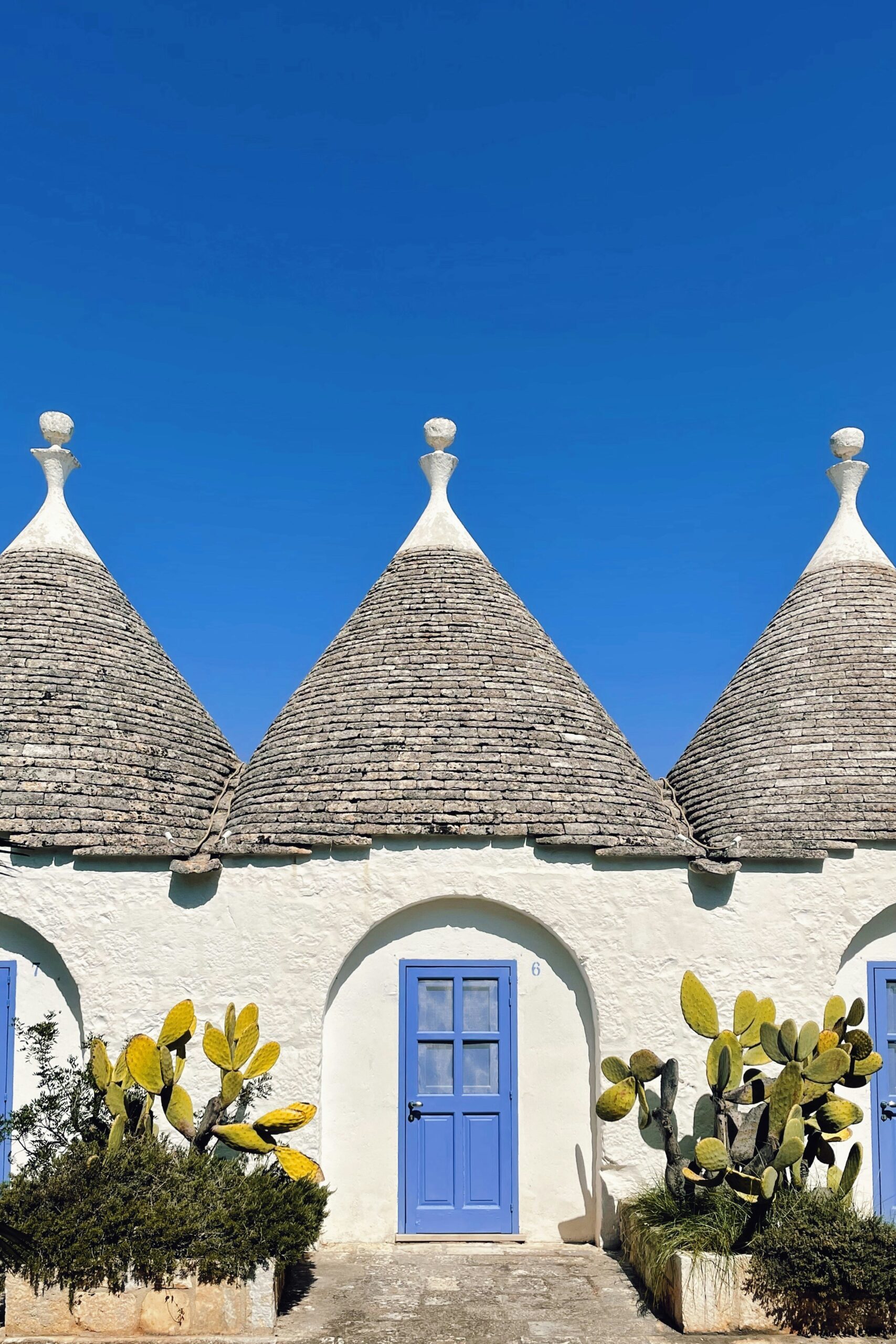
Holiday Home & Villa Booking
Discover your perfect home in Apulia with ApuliaBella. We handpick every trullo, villa, apartment, and masseria to ensure comfort, authenticity, and unforgettable charm. Whether it’s a romantic getaway, a family holiday, or a group escape, we match you with a property that fits your style, group size, and budget. Booking is simple and stress-free — we handle all details so you can focus on enjoying your holiday. With ApuliaBella, your dream Apulian stay is just a few clicks away.
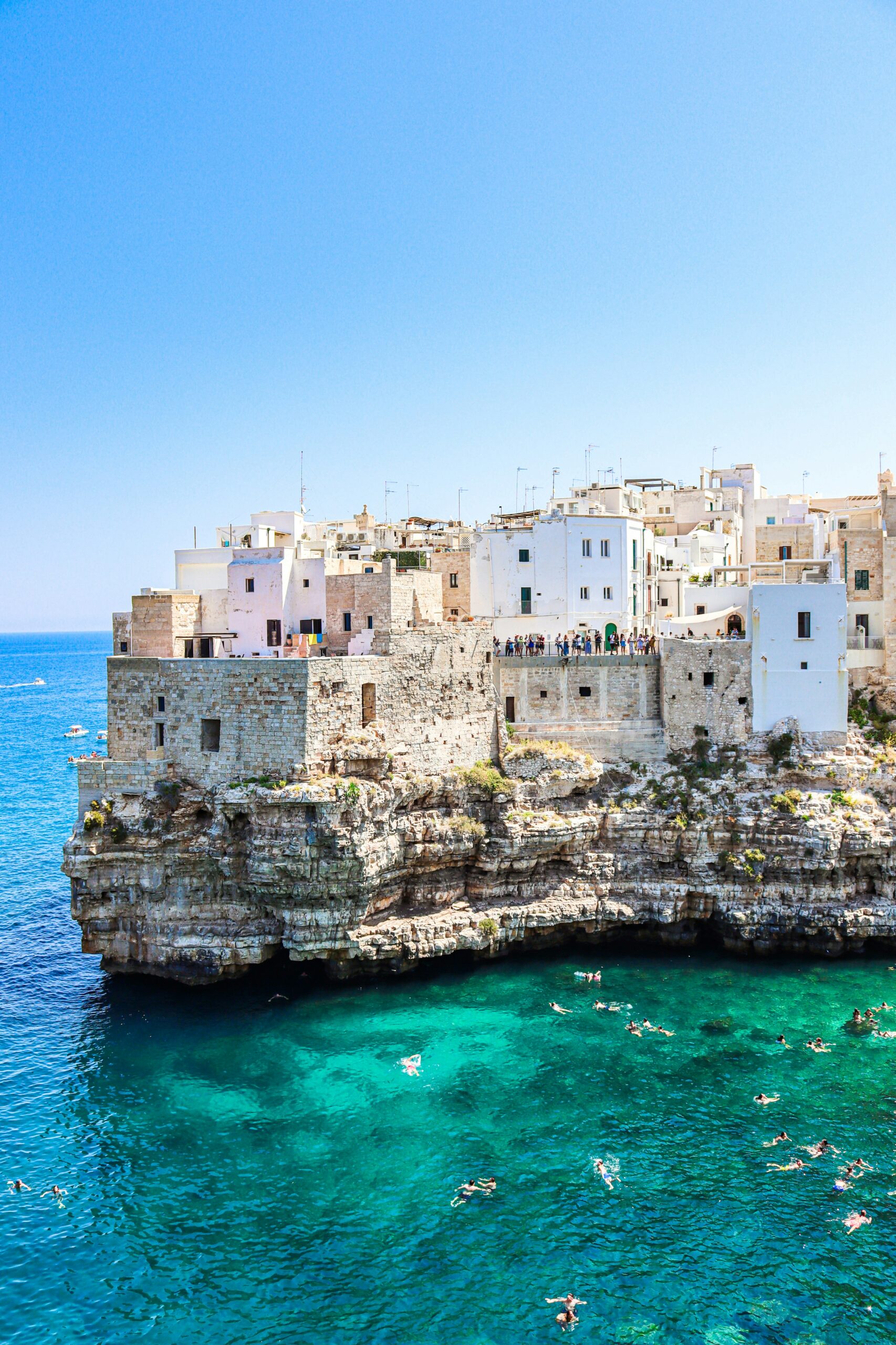
On-Site Guest Support
Enjoy your Apulia holiday without a single worry with ApuliaBella’s On-Site Guest Support. From the moment you arrive, our local team welcomes you personally, guides you through your accommodation, and ensures everything is perfectly prepared. Need tips for the best beaches, restaurants, or hidden gems? We provide insider knowledge tailored to your interests. Should any questions or small issues arise, we’re just a call away — discreet, reliable, and ready to assist. With ApuliaBella, your stay is seamless, stress-free, and completely focused on relaxation and enjoyment.
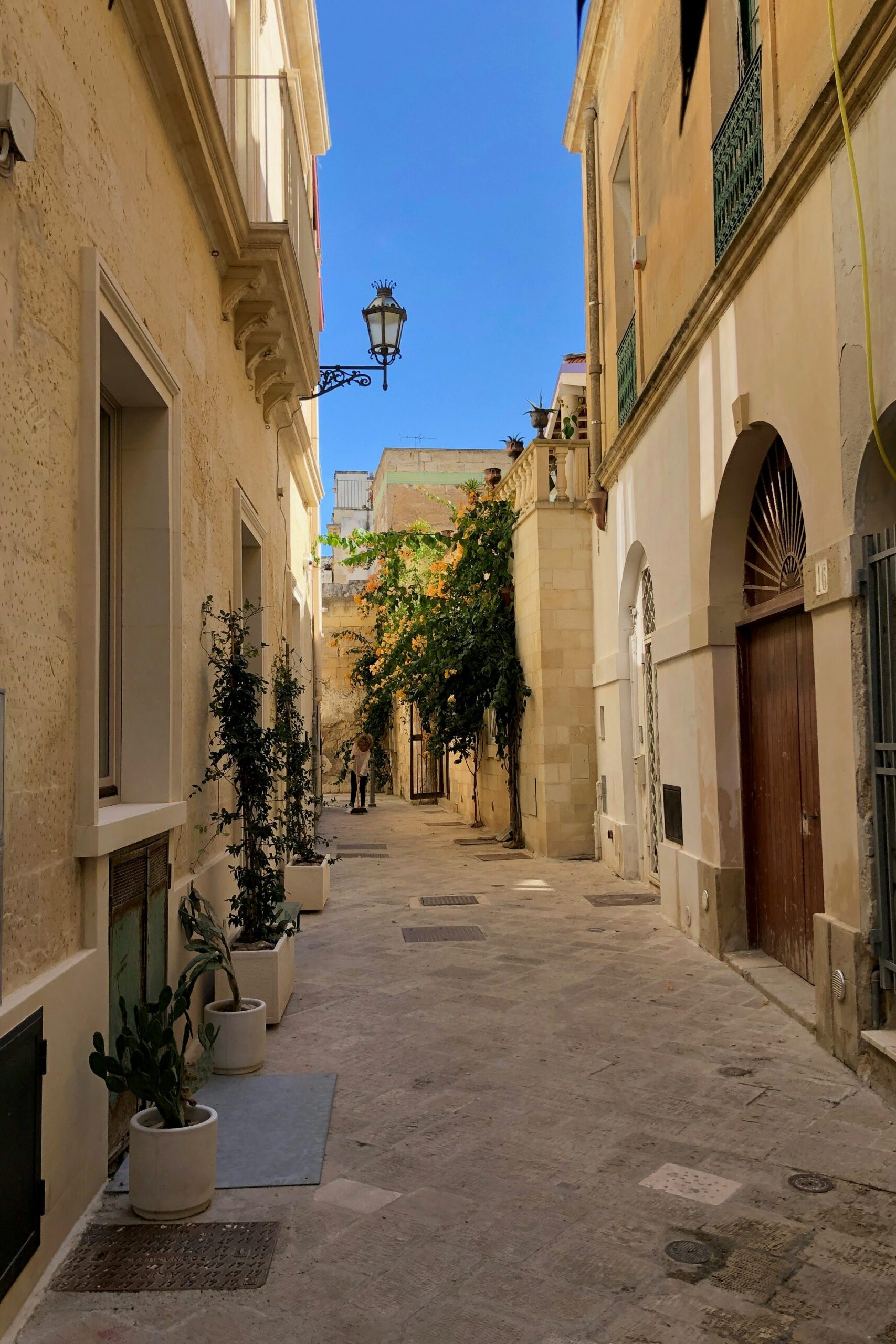
Services for Property Owners
Maximize your property’s potential with ApuliaBella. We handle everything — from professional marketing and guest communication to booking management and on-site coordination. Our team ensures your home is presented beautifully, booked efficiently, and maintained to the highest standards. With personalized strategies, we help you attract the right guests while reducing your workload. Trust ApuliaBella to manage your property professionally, giving you peace of mind and satisfied guests every time.
We are the Apulia Experts for Travelers
At ApuliaBella, we are your English-speaking experts for discovering the magic of Apulia. We handpick authentic holiday homes, trulli, villas, and masserie to ensure every stay is comfortable, unique, and unforgettable. Our team lives and breathes Apulia — from its sun-soaked beaches and historic towns to hidden villages and countryside escapes.
We guide you personally from booking to arrival, providing insider tips, local knowledge, and on-site support. Whether you are planning a romantic getaway, a family holiday, or a group adventure, ApuliaBella turns your travel dreams into reality. We are passionate about making every stay effortless, enjoyable, and authentically Apulian. With ApuliaBella, your Apulia experience begins before you even pack your bags.
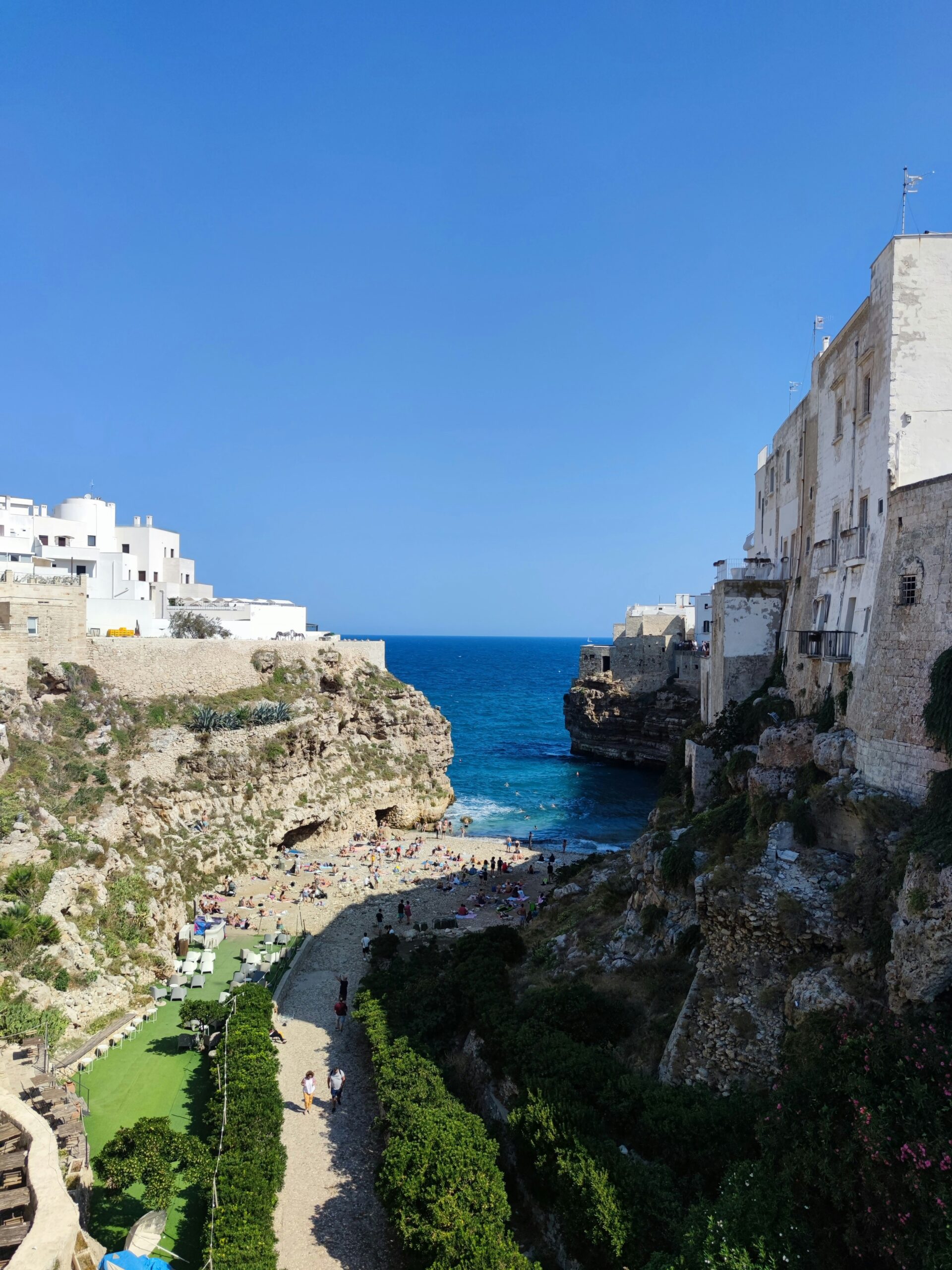
Places in Apulia:
Acquaviva delle Fonti, Accadia, Adelfia, Alberobello, Alberona, Altamura, Anzano di Puglia, Andria, Apricena, Ascoli Satriano, Avetrana, Bari, Barletta, Binetto, Biccari, Bitetto, Bitonto, Bitritto, Bisceglie, Bovino, Brindisi, Cagnano Varano, Candela, Canosa di Puglia, Carapelle, Carlantino, Carpino, Carosino, Carovigno, Casamassima, Casarano, Casalnuovo Monterotaro, Casalvecchio di Puglia, Castellana Grotte, Castellaneta, Castelluccio dei Sauri, Castelluccio Valmaggiore, Castelnuovo della Daunia, Cellamare, Celle di San Vito, Celenza Valfortore, Cellino San Marco, Ceglie Messapica, Cerignola, Chieuti, Cisternino, Corato, Copertino, Crispiano, Deliceto, Erchie, Faggiano, Fasano, Faeto, Foggia, Francavilla Fontana, Galatina, Galatone, Gallipoli, Gioia del Colle, Ginosa, Giovinazzo, Grottaglie, Gravina in Puglia, Grumo Appula, Ischitella, Isole Tremiti, Laterza, Latiano, Lecce, Leverano, Leporano, Lesina, Lizzano, Lizzanello, Locorotondo, Lucera, Maglie, Manduria, Manfredonia, Margherita di Savoia, Martina Franca, Maruggio, Massafra, Mattinata, Mesagne, Molfetta, Modugno, Monopoli, Monte Sant’Angelo, Montemesola, Monteiasi, Monteparano, Monteroni di Lecce, Monteleone di Puglia, Mottola, Motta Montecorvino, Nardò, Noci, Noicàttaro, Ordona, Oria, Orta Nova, Ostuni, Palagiano, Palagianello, Palo del Colle, Panni, Peschici, Pietramontecorvino, Poggiorsini, Polignano a Mare, Pulsano, Putignano, Rignano Garganico, Rodi Garganico, Roccaforzata, Roseto Valfortore, Ruvo di Puglia, Rutigliano, Sannicandro di Bari, Sannicandro Garganico, Sammichele di Bari, San Donaci, San Ferdinando di Puglia, San Giorgio Ionico, San Giovanni Rotondo, San Marzano di San Giuseppe, San Marco in Lamis, San Marco la Catola, San Michele Salentino, San Nicandro Garganico, San Paolo di Civitate, San Pancrazio Salentino, San Pietro Vernotico, Santeramo in Colle, Sava, Serracapriola, Spinazzola, Statte, Stornara, Stornarella, Surbo, Tarent, Taviano, Terlizzi, Trani, Tricase, Triggiano, Trinitapoli, Trepuzzi, Toritto, Torremaggiore, Torre Santa Susanna, Torricella, Torchiarolo, Turi, Ugento, Valenzano, Veglie, Vico del Gargano, Vieste, Villa Castelli, Volturara Appula, Volturino, Zapponeta