
Lucera in Apulia
Welcome to Lucera: The Imperial Key to the Gateway of the South
Rising majestically above the vast, golden plains of the Tavoliere delle Puglie, Lucera is a city that commands attention. At ApuliaBella, we call Lucera the “Lighthouse of the Daunian Mountains.” It is a city of high walls and deep memories, where the legacy of Roman legions, Swabian emperors, and Angevin kings is carved into every limestone block. Lucera does not just sit in the landscape; it presides over it, offering a skyline dominated by one of the largest fortresses in Europe and a cathedral that stands as a beacon of Gothic-Angevin elegance.
As your dedicated ApuliaBella travel advisor, we invite you to a destination that serves as the historical threshold of the region. Lucera is a place of grand scale and hidden intimacy—where a sprawling Roman amphitheater sits in a valley of olive trees and narrow medieval alleys open into noble, sun-drenched squares. Whether you are a seeker of imperial myths, an admirer of rare southern Gothic architecture, or a traveler wanting to taste the robust, earthy flavors of the northern Apulian plains, ApuliaBella is here to guide you through the ancient gates and majestic ruins of this imperial stronghold.
A Crossroads of Civilizations: A History of Loyalists and Saracens
The story of Lucera is a narrative of intense loyalty and dramatic transformation. Known as Luceria in Roman times, it was a vital military outpost during the Samnite Wars. However, the town’s most unique chapter began in the 13th century under the Holy Roman Emperor Frederick II. He famously resettled 20,000 Sicilian Muslims here, creating a “Saracen Colony” that flourished for nearly eighty years. This “Lucera dei Saraceni” was a city of minarets and Arabic scholars in the heart of Christian Europe—a testament to Frederick’s vision of a multicultural empire.
When you walk the historic streets with ApuliaBella, we tell the story of the Angevin conquest that followed, when Charles II of Anjou dismantled the Saracen colony and transformed the city into “Lucera Civitas Sanctae Mariae.” At ApuliaBella, we find this layers-of-time history fascinating; it is a city that has been a Roman colony, a Muslim enclave, and a French Gothic capital. We help you trace this journey from the mosaic-tiled Roman baths to the defensive walls that have stood firm against the winds of the Tavoliere for a thousand years.
The Swabian-Angevin Fortress: The Crown of the Hill
The undisputed symbol of Lucera is its Fortezza Svevo-Angioina. Perched on the hill of Monte Albano, this massive fortification features a perimeter wall of nearly a kilometer, punctuated by twenty-two towers. It is a masterpiece of medieval military engineering.
As your ApuliaBella travel guide, we suggest you walk the entire length of the ramparts. Looking inward, you see the ruins of the imperial palace built by Frederick II; looking outward, you see a 360-degree panorama of the Tavoliere plain and the Daunian sub-Appenines. At ApuliaBella, we consider this the “Balcony of History.” It is here that you truly feel the strategic power of Lucera, a city designed to watch over the grain-rich heart of the South.
The Roman Amphitheater: A Spectacle in the Valley
Located just outside the medieval walls is the Anfiteatro Romano, one of the oldest and largest in Southern Italy. Built in honor of Augustus, it once held over 16,000 spectators and served as the entertainment hub for the Roman veterans settled in the area.
We at ApuliaBella recommend visiting during the late afternoon. The amphitheater is nestled in a natural depression, surrounded by ancient olive trees that provide a silver-green frame to the golden Roman stone. As your ApuliaBella travel guide, we find the entrance portals, marked by grand ionic columns, to be particularly moving. At ApuliaBella, we believe the acoustics here are still so perfect that you can almost hear the echoes of the gladiatorial games and the cheers of the Roman elite.
The Cathedral of Santa Maria Assunta: A Gothic Rarity
In the center of the city stands the Cattedrale di Santa Maria Assunta. Built by Charles II of Anjou starting in 1300 on the site of the former Great Mosque, it is one of the few examples of true French Gothic architecture in Apulia.
Your ApuliaBella travel guide considers this interior a masterpiece of solemnity. Unlike the ornate Baroque churches further south, the cathedral of Lucera is defined by its soaring verticality and austere stone lines. At ApuliaBella, we suggest you pay close attention to the 14th-century frescoes and the wooden statue of the Virgin Mary, which is carried through the streets in a grand procession every August. At ApuliaBella, we find that the light filtering through the narrow lancet windows creates a spiritual atmosphere that is both powerful and ancient.
Culinary Specialties: The Bounty of the Tavoliere
The kitchen of Lucera is a celebration of “The Wheat Fields of Italy.” It is a cuisine of intense, sun-baked flavors, dominated by fresh pasta, legumes, and the robust meat of the northern plains. At ApuliaBella, we ensure you taste the “Strength of the Soil.”
Cacc’e Mmitte di Lucera (DOC): A unique red wine whose name means “take it out and put it in,” referring to the ancient practice of quickly renting communal wine presses. It is a blend that is earthy, tannic, and full of character.
Orecchiette con le Cime di Rapa: While found across the region, Lucera’s version often includes a pinch of spicy local chili and crunchy toasted breadcrumbs.
Pasta e Patate alla Lucerina: A hearty, comforting dish of pasta and potatoes, often flavored with “provolone” cheese and a touch of tomato.
Torcinelli: Small rolls of lamb or goat entrails, seasoned with parsley and garlic, and grilled until they are smoky and crisp.
Pane di Lucera: A massive, crusty sourdough loaf made from the durum wheat of the surrounding plains.
Cicce Cotte: A traditional dessert made with boiled wheat, pomegranate seeds, walnuts, and vincotto, typically prepared for the Day of the Dead.
Insider Tip: The Secret Gardens of the Noble Palazzos
Here is an ApuliaBella insider tip: Lucera was once a city of high nobility and judges, and their legacy lives on in the private courtyards of the historic center.
Our ApuliaBella recommendation is to walk along Via Federico II and peek through the grand portals. Many of these 18th and 19th-century buildings hide lush, secret gardens filled with citrus trees and jasmine. At ApuliaBella, we find that the Palazzo de’ Nicastri, which houses the Civic Museum, is the best place to experience this aristocratic atmosphere. The museum itself contains the “Venus of Lucera,” a stunning Roman marble statue. At ApuliaBella, we believe these quiet courtyards offer a glimpse into the sophisticated, intellectual soul of the city that exists alongside its rugged military history.
The August Festivals: A City Reclaimed
If you visit in mid-August, you will witness the Torneo delle Chiavi (Tournament of the Keys) and the historical parade. The city is transformed into a medieval stage, with representatives from the five historic quarters competing for the “keys” to the city.
At ApuliaBella, we find this festival to be a living piece of storytelling. The sound of trumpets and the sight of flag-wavers against the backdrop of the fortress bring the Swabian and Angevin eras back to life. Your ApuliaBella travel guide will help you find the best vantage point in Piazza Duomo to watch the grand procession. At ApuliaBella, we see this as the moment when Lucera celebrates its complex identity—honoring both its imperial past and its spiritual devotion.
Why Choose ApuliaBella for Your Lucera Experience?
Lucera is a city of grand scale—large fortresses, large amphitheaters, and a large history. It requires a guide who can help you navigate the centuries without losing the human story.
Imperial Narrative: ApuliaBella connects the archaeological sites with the stories of Frederick II and the Saracens, making the ruins speak.
Architectural Insight: We provide the context for the unique Angevin Gothic style, helping you understand why Lucera looks so different from its southern neighbors.
Local Harvest Connection: We know the “cantine” where the Cacc’e Mmitte wine is still made with traditional methods, ensuring your culinary journey is as deep as your historical one.
Lucera is the imperial key to the gateway of the South—a city of massive fortresses, Roman echoes, and the golden light of the Tavoliere. It is where the power of the emperor meets the faith of the saint. Let ApuliaBella be your guide to the most majestic and historical secret of the northern Apulian plateau.
Comprehensive Services for Guests
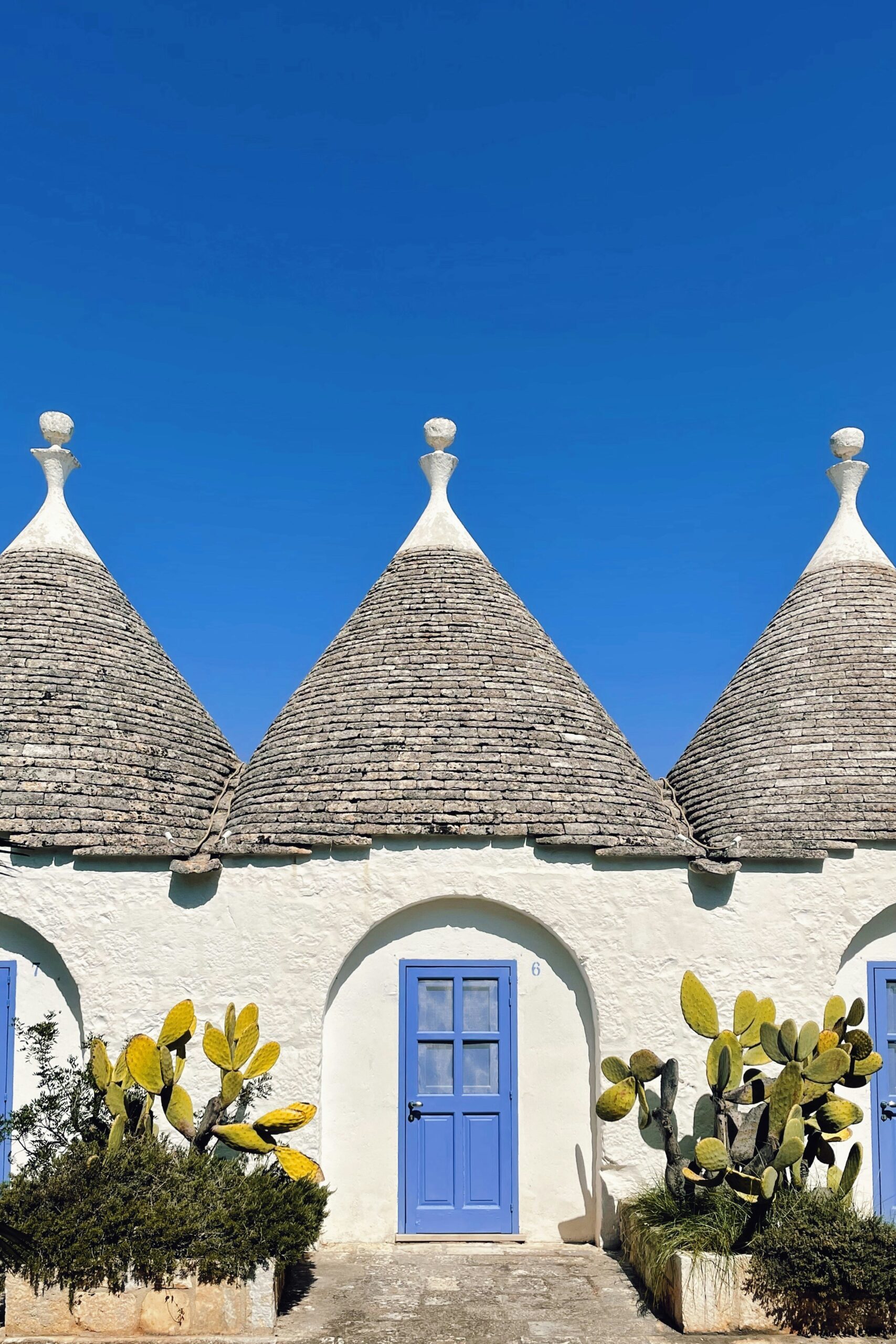
Holiday Home & Villa Booking
Discover your perfect home in Apulia with ApuliaBella. We handpick every trullo, villa, apartment, and masseria to ensure comfort, authenticity, and unforgettable charm. Whether it’s a romantic getaway, a family holiday, or a group escape, we match you with a property that fits your style, group size, and budget. Booking is simple and stress-free — we handle all details so you can focus on enjoying your holiday. With ApuliaBella, your dream Apulian stay is just a few clicks away.
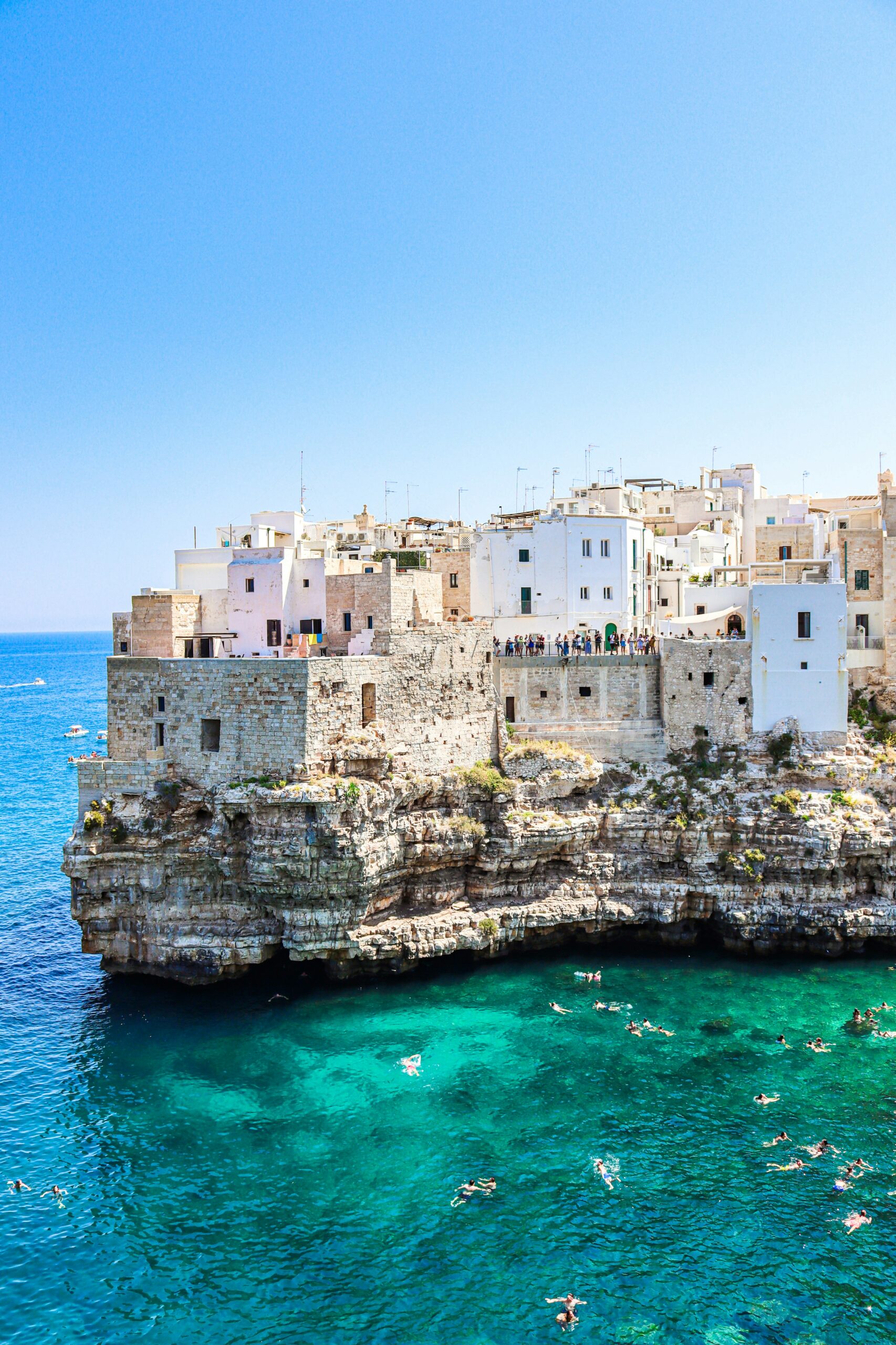
On-Site Guest Support
Enjoy your Apulia holiday without a single worry with ApuliaBella’s On-Site Guest Support. From the moment you arrive, our local team welcomes you personally, guides you through your accommodation, and ensures everything is perfectly prepared. Need tips for the best beaches, restaurants, or hidden gems? We provide insider knowledge tailored to your interests. Should any questions or small issues arise, we’re just a call away — discreet, reliable, and ready to assist. With ApuliaBella, your stay is seamless, stress-free, and completely focused on relaxation and enjoyment.
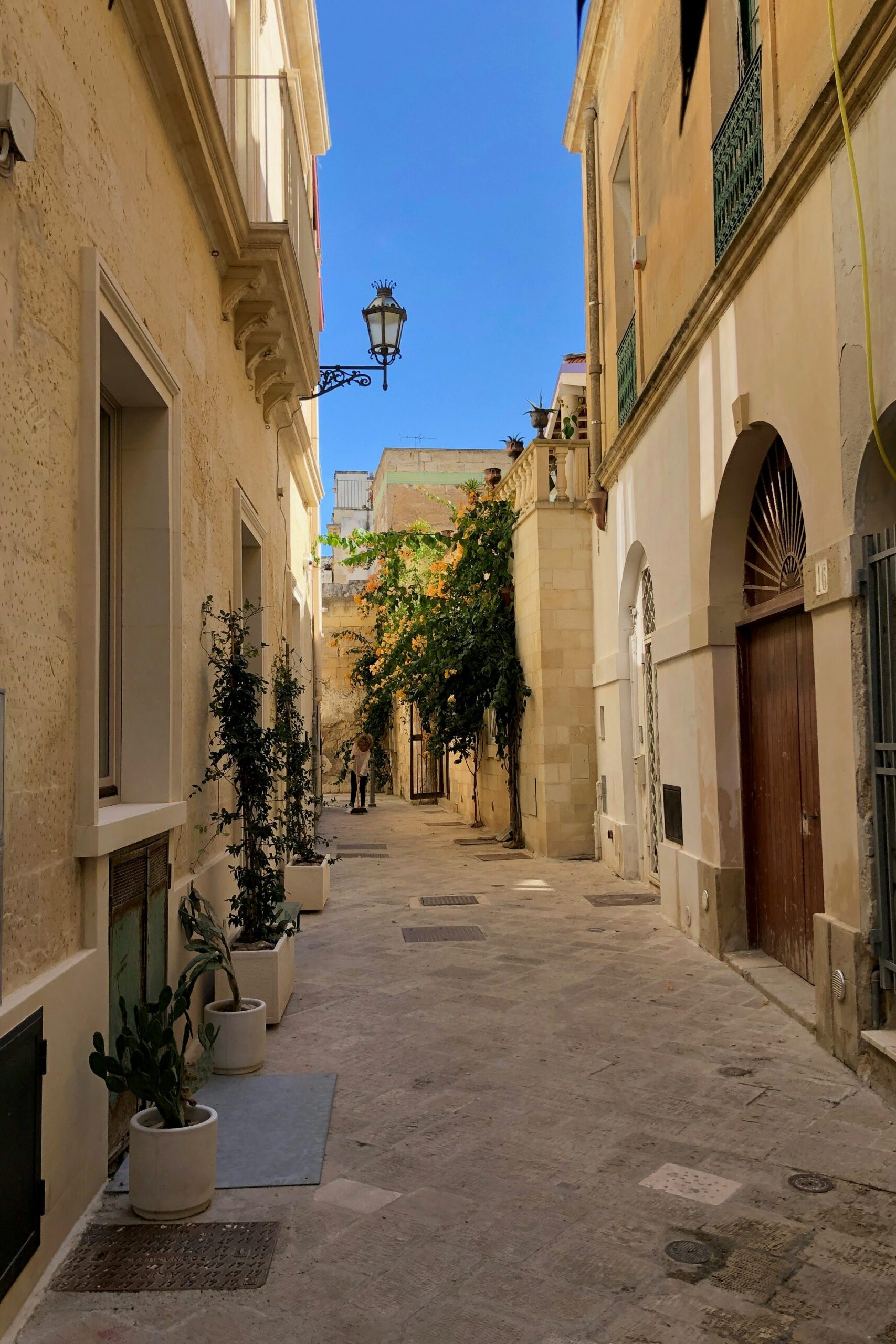
Services for Property Owners
Maximize your property’s potential with ApuliaBella. We handle everything — from professional marketing and guest communication to booking management and on-site coordination. Our team ensures your home is presented beautifully, booked efficiently, and maintained to the highest standards. With personalized strategies, we help you attract the right guests while reducing your workload. Trust ApuliaBella to manage your property professionally, giving you peace of mind and satisfied guests every time.
We are the Apulia Experts for Travelers
At ApuliaBella, we are your English-speaking experts for discovering the magic of Apulia. We handpick authentic holiday homes, trulli, villas, and masserie to ensure every stay is comfortable, unique, and unforgettable. Our team lives and breathes Apulia — from its sun-soaked beaches and historic towns to hidden villages and countryside escapes.
We guide you personally from booking to arrival, providing insider tips, local knowledge, and on-site support. Whether you are planning a romantic getaway, a family holiday, or a group adventure, ApuliaBella turns your travel dreams into reality. We are passionate about making every stay effortless, enjoyable, and authentically Apulian. With ApuliaBella, your Apulia experience begins before you even pack your bags.
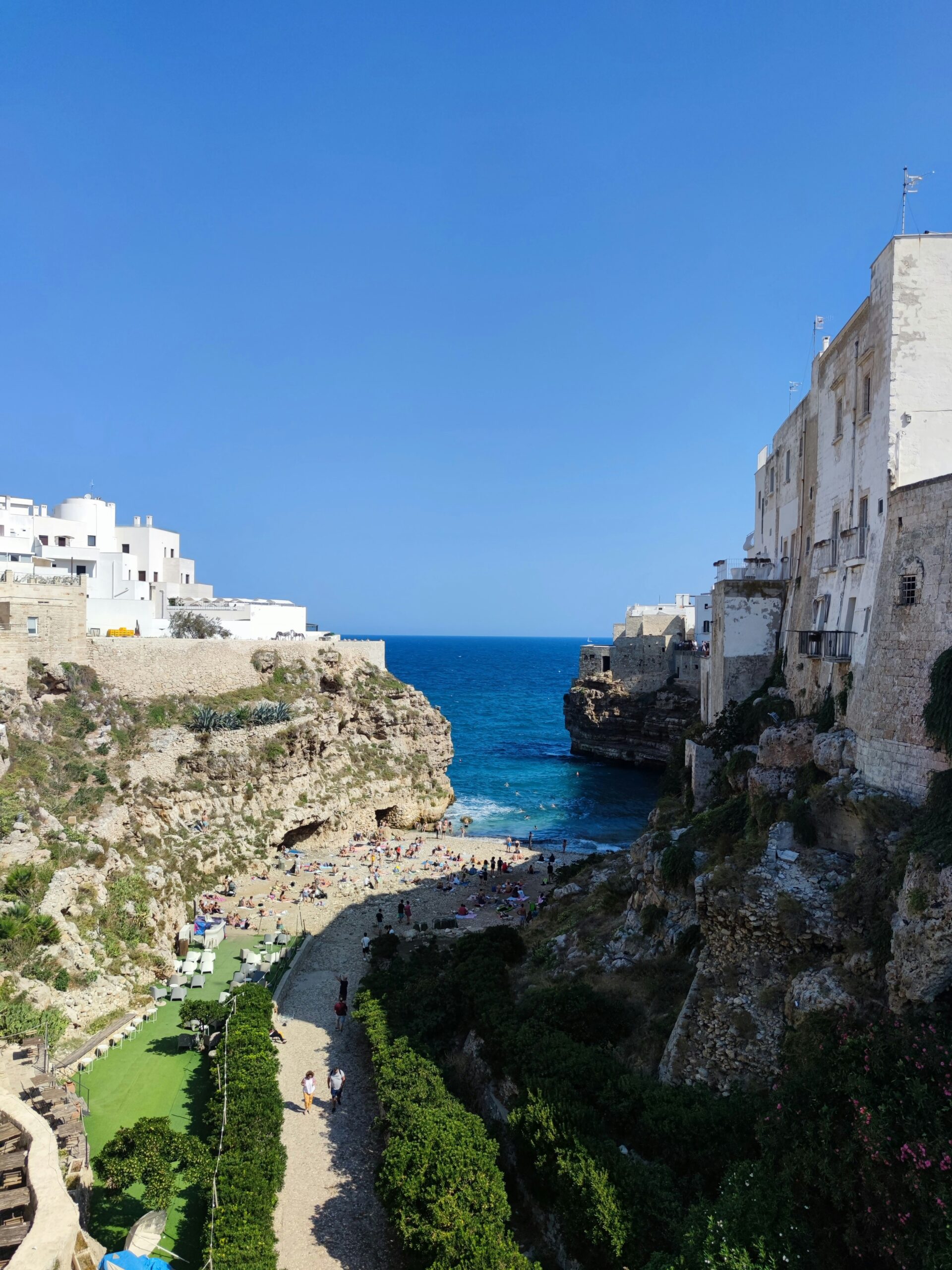
Places in Apulia:
Acquaviva delle Fonti, Accadia, Adelfia, Alberobello, Alberona, Altamura, Anzano di Puglia, Andria, Apricena, Ascoli Satriano, Avetrana, Bari, Barletta, Binetto, Biccari, Bitetto, Bitonto, Bitritto, Bisceglie, Bovino, Brindisi, Cagnano Varano, Candela, Canosa di Puglia, Carapelle, Carlantino, Carpino, Carosino, Carovigno, Casamassima, Casarano, Casalnuovo Monterotaro, Casalvecchio di Puglia, Castellana Grotte, Castellaneta, Castelluccio dei Sauri, Castelluccio Valmaggiore, Castelnuovo della Daunia, Cellamare, Celle di San Vito, Celenza Valfortore, Cellino San Marco, Ceglie Messapica, Cerignola, Chieuti, Cisternino, Corato, Copertino, Crispiano, Deliceto, Erchie, Faggiano, Fasano, Faeto, Foggia, Francavilla Fontana, Galatina, Galatone, Gallipoli, Gioia del Colle, Ginosa, Giovinazzo, Grottaglie, Gravina in Puglia, Grumo Appula, Ischitella, Isole Tremiti, Laterza, Latiano, Lecce, Leverano, Leporano, Lesina, Lizzano, Lizzanello, Locorotondo, Lucera, Maglie, Manduria, Manfredonia, Margherita di Savoia, Martina Franca, Maruggio, Massafra, Mattinata, Mesagne, Molfetta, Modugno, Monopoli, Monte Sant’Angelo, Montemesola, Monteiasi, Monteparano, Monteroni di Lecce, Monteleone di Puglia, Mottola, Motta Montecorvino, Nardò, Noci, Noicàttaro, Ordona, Oria, Orta Nova, Ostuni, Palagiano, Palagianello, Palo del Colle, Panni, Peschici, Pietramontecorvino, Poggiorsini, Polignano a Mare, Pulsano, Putignano, Rignano Garganico, Rodi Garganico, Roccaforzata, Roseto Valfortore, Ruvo di Puglia, Rutigliano, Sannicandro di Bari, Sannicandro Garganico, Sammichele di Bari, San Donaci, San Ferdinando di Puglia, San Giorgio Ionico, San Giovanni Rotondo, San Marzano di San Giuseppe, San Marco in Lamis, San Marco la Catola, San Michele Salentino, San Nicandro Garganico, San Paolo di Civitate, San Pancrazio Salentino, San Pietro Vernotico, Santeramo in Colle, Sava, Serracapriola, Spinazzola, Statte, Stornara, Stornarella, Surbo, Tarent, Taviano, Terlizzi, Trani, Tricase, Triggiano, Trinitapoli, Trepuzzi, Toritto, Torremaggiore, Torre Santa Susanna, Torricella, Torchiarolo, Turi, Ugento, Valenzano, Veglie, Vico del Gargano, Vieste, Villa Castelli, Volturara Appula, Volturino, Zapponeta