
Manfredonia in Apulia
Welcome to Manfredonia: The Sun-Kissed Gateway to the Gargano
Gazing out over the expansive blue of the Adriatic, where the rugged cliffs of the Gargano promontory begin their dramatic ascent from the golden plains of the Tavoliere, lies Manfredonia. At ApuliaBella, we call this city the “Daughter of the King.” Unlike the ancient, winding hill towns of the interior, Manfredonia was born from a singular vision—a city designed by royalty to be a beacon of Mediterranean trade and maritime power. It is a place where the air tastes of salt and mountain pine, where the morning sun hits the white stone of the castle with a brilliance that has inspired poets for centuries.
As your dedicated ApuliaBella travel advisor, we invite you to explore a city that is both a vibrant port and a living museum. Manfredonia is the essential threshold for any journey into the Gargano National Park. It is a city of wide promenades, ethereal wire-mesh cathedrals, and a carnival spirit that persists year-round. Whether you are a seeker of medieval legends, an admirer of avant-garde art, or a seafood lover looking for the freshest catch in the Gulf, ApuliaBella is here to guide you through the majestic bastions and azure horizons of this royal Apulian port.
The Vision of Manfred: A History of Imperial Rebirth
The history of Manfredonia is a story of a phoenix rising from the marshes. In the mid-13th century, the ancient city of Siponto was devastated by earthquakes and malaria. Manfred, King of Sicily and son of the great Emperor Frederick II, decided to build a new city nearby that would be “the most beautiful in the world.” He personally laid the first stone in 1256, creating a city that bore his name and reflected his imperial ambitions.
When you walk the grid-like streets with ApuliaBella, we tell the story of a city that was born in the twilight of the Hohenstaufen dynasty. Despite the fall of Manfred at the Battle of Benevento, his city endured, becoming a vital strategic link for the Angevins and later the Aragonese. At ApuliaBella, we find the urban layout of Manfredonia fascinating; its straight, wide streets were a marvel of medieval urban planning, designed to catch the sea breeze and facilitate commerce. We help you trace this journey from the royal foundations of the Swabians to the defensive upgrades of the Spanish viceroys.
The Swabian-Anjou-Aragonese Castle: A Bastion of the Gulf
The architectural centerpiece of the city is the Castello di Manfredonia. This massive fortress, situated right on the water’s edge, is a physical timeline of Southern Italian military evolution. Its square Swabian core was later encased in rounded Angevin towers and further fortified by the Spanish.
As your ApuliaBella travel guide, we suggest you begin your journey by walking the castle’s perimeter. Inside, you will find the National Archaeological Museum of the Gargano, which houses the famous “Stele Daunie.” These are unique limestone funeral monuments from the 7th century BC, carved with mysterious geometric patterns and scenes of daily life. At ApuliaBella, we consider the castle the “Guardian of the Gulf”—it is a place where the military might of kings protects the fragile artifacts of the ancient Daunian people.
Siponto and the Ghost Cathedral: A Dialogue of Light
Just a few minutes from the city center lies the archaeological area of Siponto. For centuries, the Romanesque Basilica of Santa Maria Maggiore stood alone here. However, in 2016, artist Edoardo Tresoldi created a contemporary masterpiece: a life-sized “ghost” of the original early Christian basilica made entirely of galvanized wire mesh.
This is a site that ApuliaBella considers one of the most moving in Italy. The wire structure sits directly over the ancient foundations, allowing you to walk through a “transparent” cathedral that seems to change its density depending on the light. As your ApuliaBella travel guide, we recommend visiting at dusk. As the sky turns purple, the wire mesh catches the artificial lights, appearing like a 3D hologram from the past. At ApuliaBella, we find this to be the perfect metaphor for the region—a place where history is ever-present, yet airy and full of light.
The Church of San Domenico and the Palazzo Celestini
In the heart of the town, the Church of San Domenico offers a beautiful example of Gothic-Romanesque architecture. Its rose window and portal are exquisite, reflecting the wealth that the maritime trade brought to the city’s religious orders.
Next door, the Palazzo Celestini, once a monastery, now serves as the Town Hall. We at ApuliaBella recommend walking through its elegant cloisters. As your ApuliaBella travel guide, we find this corner of the city to be the most tranquil—a place where the stone seems to absorb the heat of the day, releasing a cool, silent energy in the evening. At ApuliaBella, we believe these buildings represent the “Civic Soul” of Manfredonia, where religious devotion and public life have intersected for centuries.
The Lungomare Nazario Sauro: The City’s Balcony
If you want to feel the pulse of Manfredonia, you must head to the Lungomare. This wide promenade stretches along the coast, offering views of the fishing fleet and the distant silhouette of the Gargano mountains.
At ApuliaBella, we suggest joining the locals for the passeggiata. The promenade is lined with palm trees and benches, making it the perfect spot to watch the “Vara”—the traditional fishing boats—return to port. As your ApuliaBella travel guide, we find the atmosphere here to be intoxicatingly Mediterranean. The scent of roasting nuts from street vendors mixes with the salt spray, and the sound of children playing echoes against the ancient city walls. At ApuliaBella, we see the Lungomare as the “Living Room” of the city.
Culinary Specialties: The Bounty of the Gulf and the Mountain
The kitchen of Manfredonia is a spectacular collision of flavors. Because it sits between the sea, the plains, and the mountains, the food is incredibly diverse. At ApuliaBella, we believe the “Sipontine” table is one of the most generous in Apulia.
Farrata di Manfredonia: A unique, ancient savory pastry. It is a rustic pie filled with farro (emmer), ricotta, mint, and cinnamon. Traditionally eaten during Carnival, it is a taste of the Middle Ages.
Zuppa di Pesce alla Manfredoniana: A rich, spicy fish stew made with the daily catch from the Gulf—mullet, cuttlefish, and crustaceans—served with crusty bread.
Orecchiette con le Cime di Rapa e Acciughe: The classic dish, but here the anchovies are often salt-cured in the city’s own cellars, providing a deeper umami punch.
Ciambotto: A local seafood medley used as a sauce for pasta, often featuring baby octopus and squid.
Ostriche e Cozze: The Gulf of Manfredonia is famous for its shellfish. Enjoy them raw with a squeeze of local lemon for the ultimate maritime experience.
Scandennello: A traditional dry sweet biscuit made with almonds and honey, perfect for dipping into a glass of sweet Gargano wine.
Insider Tip: The “Grotta di San Leonardo” and the Solstice
Here is an ApuliaBella insider tip: Located a few kilometers from the city is the Abbey of San Leonardo in Lama Volara.
Our ApuliaBella recommendation is to visit on the Summer Solstice (June 21st). At exactly midday, a beam of light passes through a specific “gnomon” hole in the roof and perfectly illuminates a stone rose carved on the floor. At ApuliaBella, we find this medieval astronomical precision to be breath-taking. It is a reminder that the monks of this region were not just men of prayer, but masters of science and light. It is one of the most magical, “hidden” spectacles in the Gargano.
The Carnival of Manfredonia: A Riot of Color
Manfredonia is home to one of the most important Carnivals in Italy, known for its “Sfilata delle Meraviglie” (Parade of Wonders).
At ApuliaBella, we believe that visiting during February offers a completely different perspective on the city. The streets are taken over by incredibly intricate costumes made by local schools and artisans. Your ApuliaBella travel guide will tell you that this isn’t just a party; it is a deep-seated community tradition that involves every family in the city. At ApuliaBella, we love how the “Farrata” pastries are sold on every corner, and the air is filled with music and the “Sipontine” wit.
Why Choose ApuliaBella for Your Manfredonia Adventure?
Manfredonia is a city of layers—royal, archaeological, and contemporary. It requires a guide who can bridge the gap between a 13th-century king and a 21st-century wire-mesh architect.
Historical Continuity: ApuliaBella connects the ancient ruins of Siponto with the royal founding of Manfred, making the timeline of the city clear and compelling.
Artistic Curation: We explain the significance of Tresoldi’s work and the Daunian Stele, helping you appreciate the city’s unique artistic heritage.
Gourmet Access: We know the hidden bakeries that still make the “Farrata” with the original spice blend and the best “trabucco” restaurants along the coast.
Manfredonia is the daughter of a king and the gateway to the Gargano—a city of royal fortresses, ghost cathedrals, and the most vibrant seafood markets in the Adriatic. It is where the mountain finally meets the sea. Let ApuliaBella be your guide to the most royal and radiant secret of the Foggia coast.
Comprehensive Services for Guests
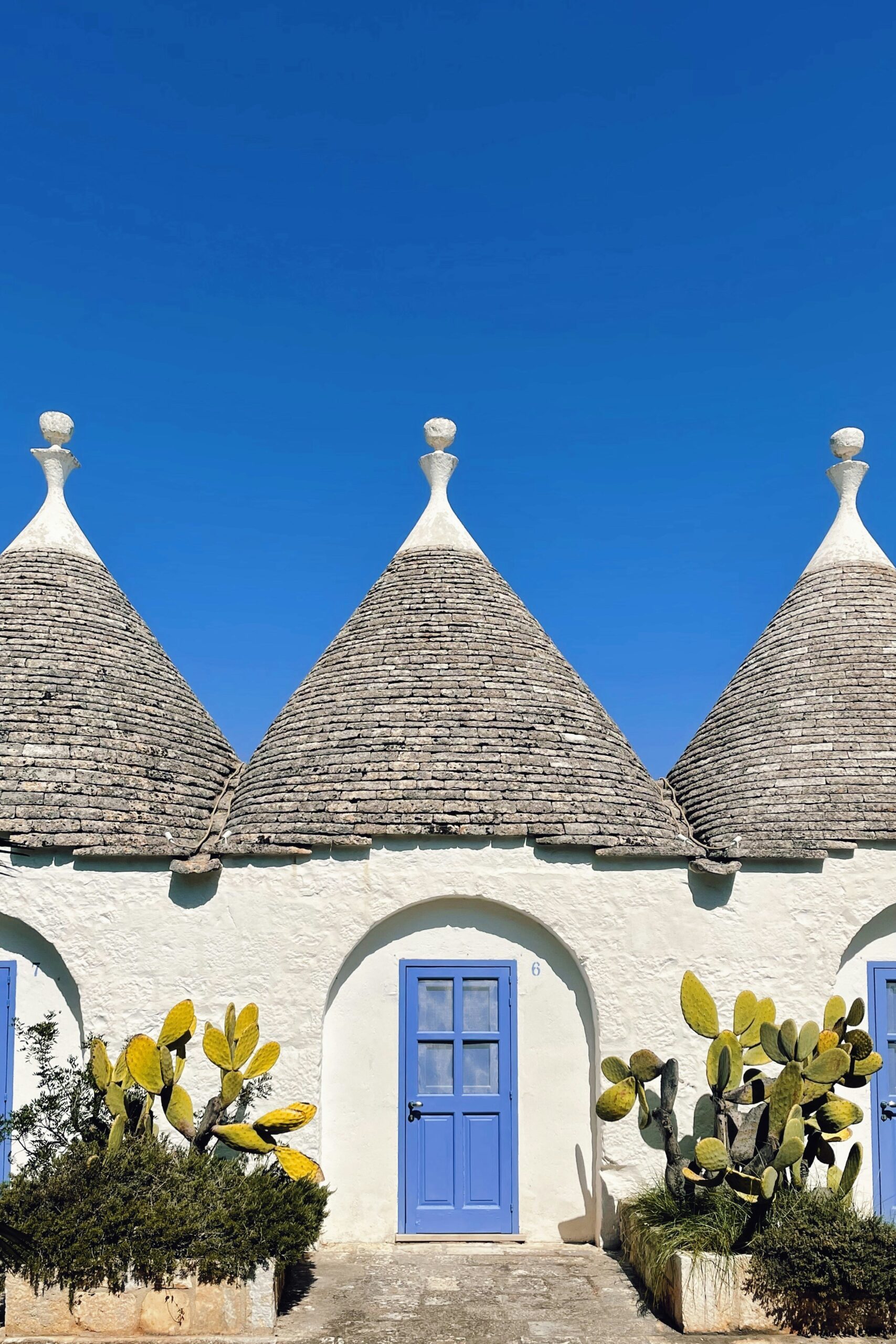
Holiday Home & Villa Booking
Discover your perfect home in Apulia with ApuliaBella. We handpick every trullo, villa, apartment, and masseria to ensure comfort, authenticity, and unforgettable charm. Whether it’s a romantic getaway, a family holiday, or a group escape, we match you with a property that fits your style, group size, and budget. Booking is simple and stress-free — we handle all details so you can focus on enjoying your holiday. With ApuliaBella, your dream Apulian stay is just a few clicks away.
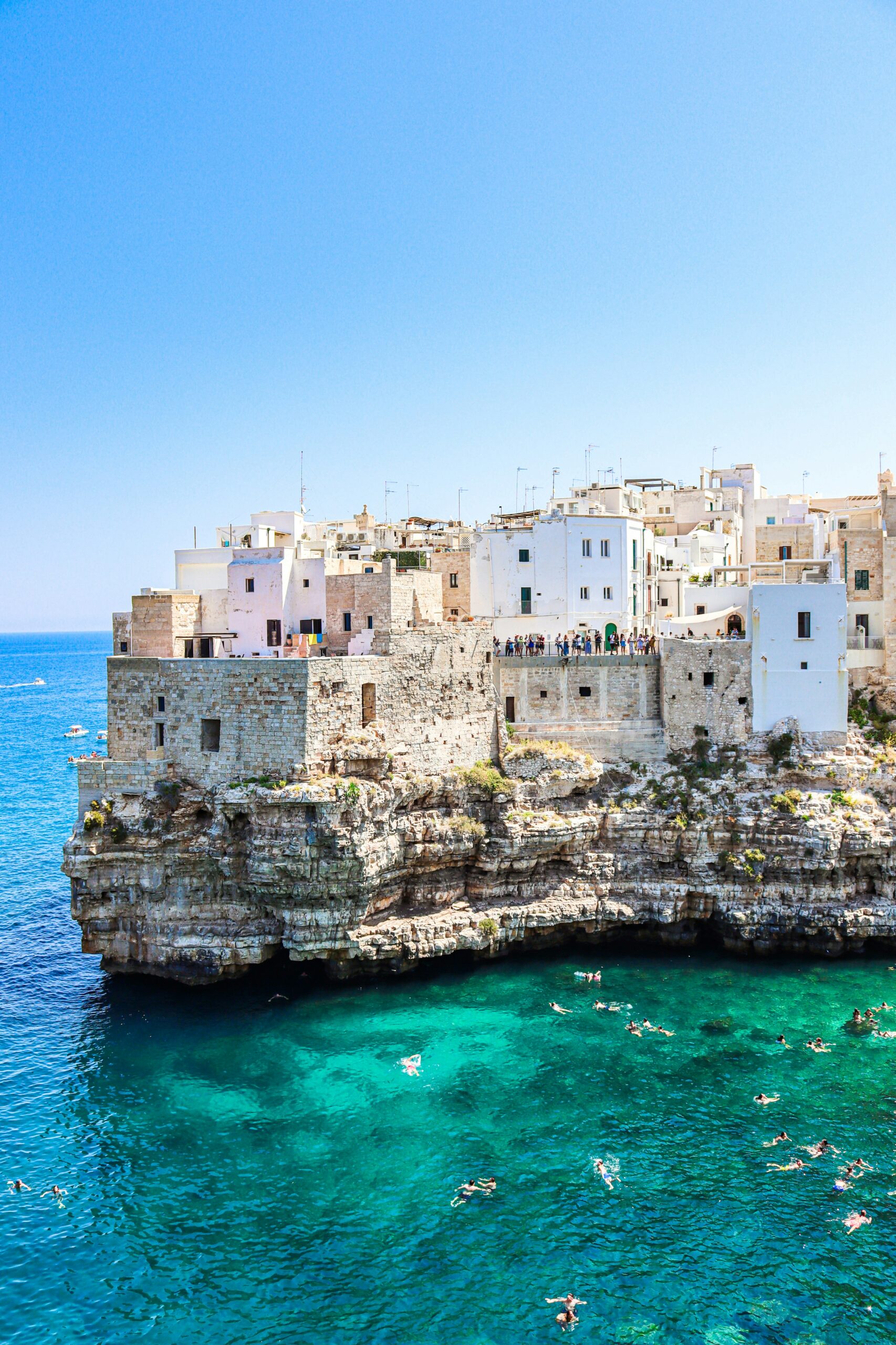
On-Site Guest Support
Enjoy your Apulia holiday without a single worry with ApuliaBella’s On-Site Guest Support. From the moment you arrive, our local team welcomes you personally, guides you through your accommodation, and ensures everything is perfectly prepared. Need tips for the best beaches, restaurants, or hidden gems? We provide insider knowledge tailored to your interests. Should any questions or small issues arise, we’re just a call away — discreet, reliable, and ready to assist. With ApuliaBella, your stay is seamless, stress-free, and completely focused on relaxation and enjoyment.
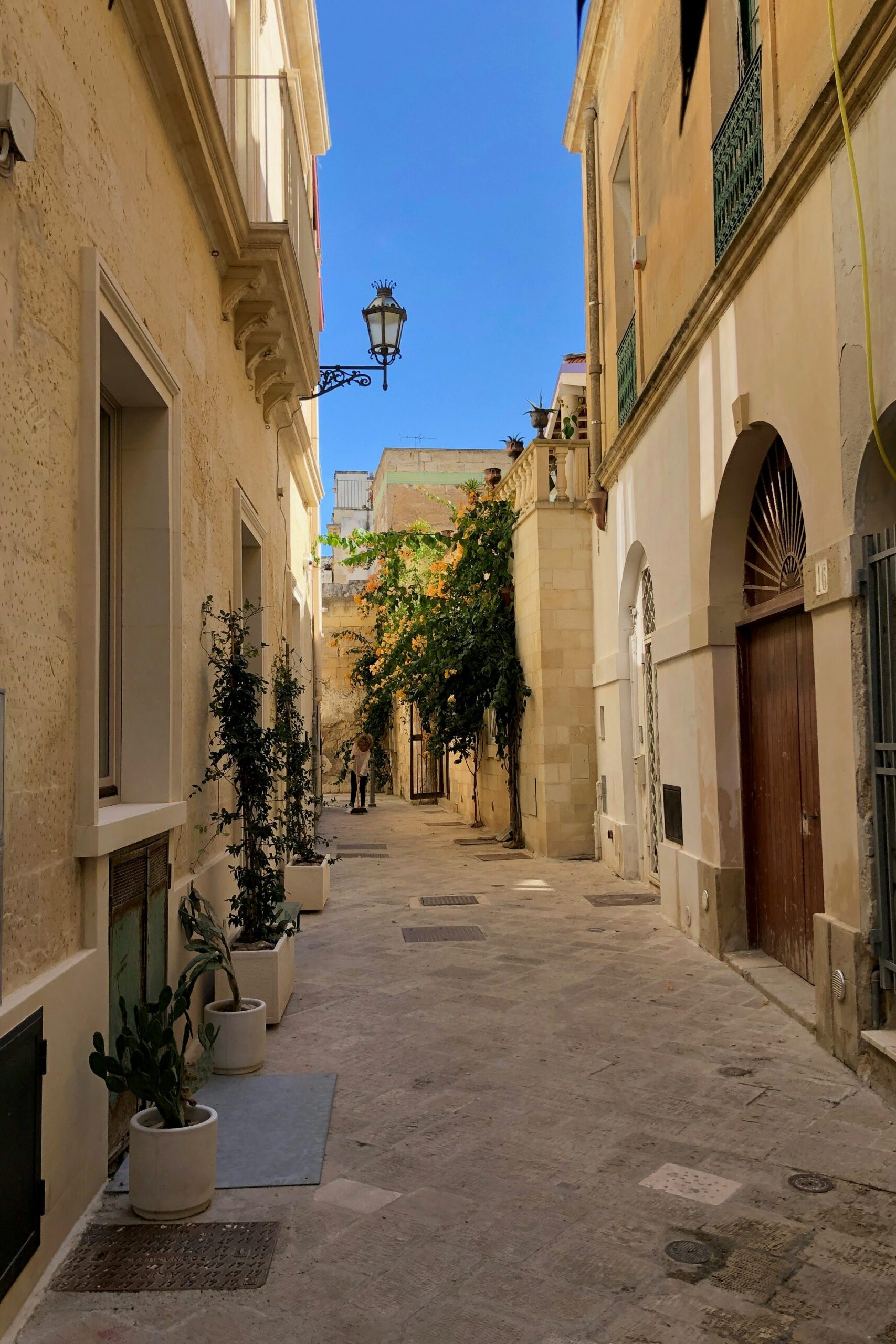
Services for Property Owners
Maximize your property’s potential with ApuliaBella. We handle everything — from professional marketing and guest communication to booking management and on-site coordination. Our team ensures your home is presented beautifully, booked efficiently, and maintained to the highest standards. With personalized strategies, we help you attract the right guests while reducing your workload. Trust ApuliaBella to manage your property professionally, giving you peace of mind and satisfied guests every time.
We are the Apulia Experts for Travelers
At ApuliaBella, we are your English-speaking experts for discovering the magic of Apulia. We handpick authentic holiday homes, trulli, villas, and masserie to ensure every stay is comfortable, unique, and unforgettable. Our team lives and breathes Apulia — from its sun-soaked beaches and historic towns to hidden villages and countryside escapes.
We guide you personally from booking to arrival, providing insider tips, local knowledge, and on-site support. Whether you are planning a romantic getaway, a family holiday, or a group adventure, ApuliaBella turns your travel dreams into reality. We are passionate about making every stay effortless, enjoyable, and authentically Apulian. With ApuliaBella, your Apulia experience begins before you even pack your bags.
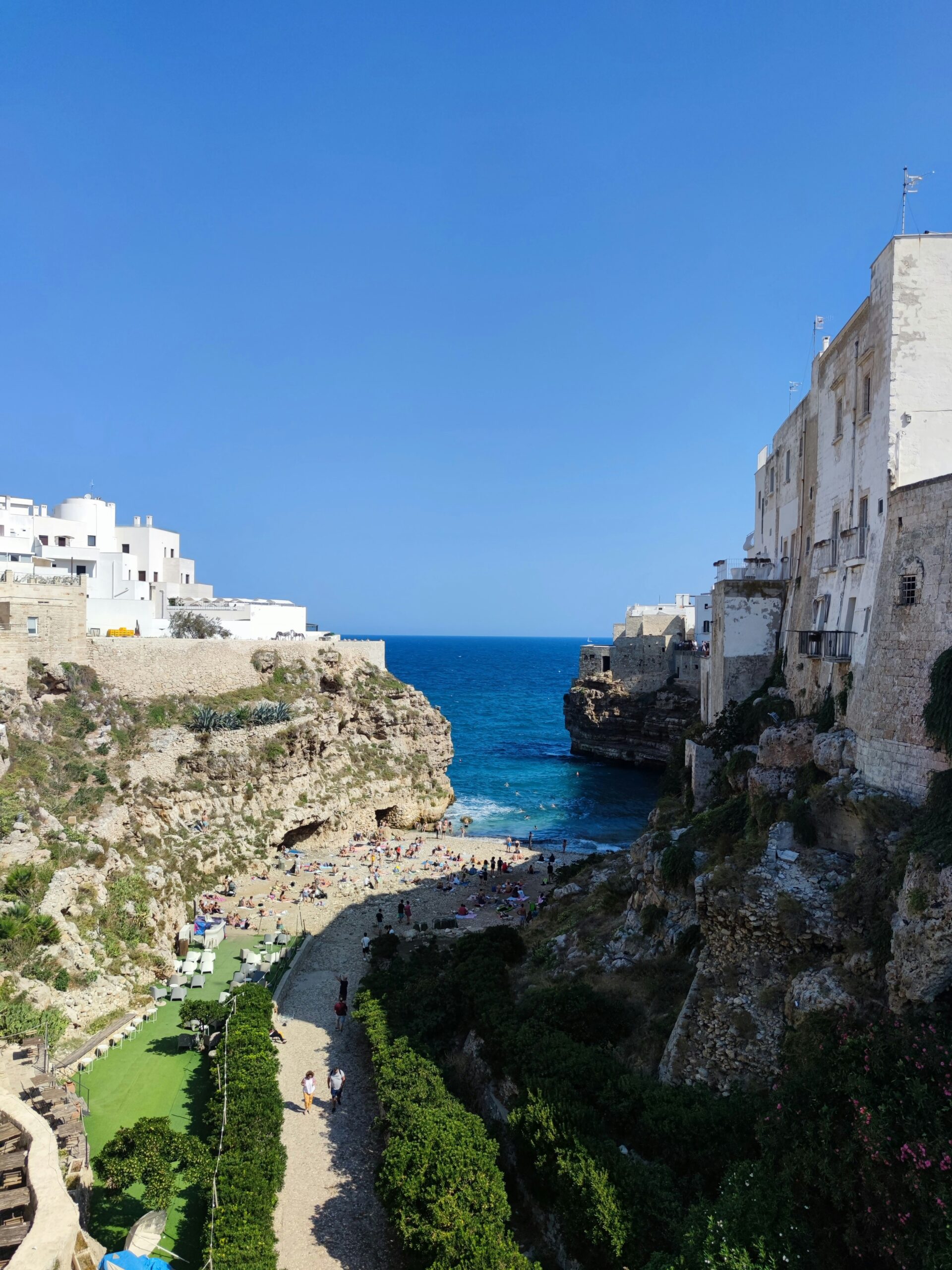
Places in Apulia:
Acquaviva delle Fonti, Accadia, Adelfia, Alberobello, Alberona, Altamura, Anzano di Puglia, Andria, Apricena, Ascoli Satriano, Avetrana, Bari, Barletta, Binetto, Biccari, Bitetto, Bitonto, Bitritto, Bisceglie, Bovino, Brindisi, Cagnano Varano, Candela, Canosa di Puglia, Carapelle, Carlantino, Carpino, Carosino, Carovigno, Casamassima, Casarano, Casalnuovo Monterotaro, Casalvecchio di Puglia, Castellana Grotte, Castellaneta, Castelluccio dei Sauri, Castelluccio Valmaggiore, Castelnuovo della Daunia, Cellamare, Celle di San Vito, Celenza Valfortore, Cellino San Marco, Ceglie Messapica, Cerignola, Chieuti, Cisternino, Corato, Copertino, Crispiano, Deliceto, Erchie, Faggiano, Fasano, Faeto, Foggia, Francavilla Fontana, Galatina, Galatone, Gallipoli, Gioia del Colle, Ginosa, Giovinazzo, Grottaglie, Gravina in Puglia, Grumo Appula, Ischitella, Isole Tremiti, Laterza, Latiano, Lecce, Leverano, Leporano, Lesina, Lizzano, Lizzanello, Locorotondo, Lucera, Maglie, Manduria, Manfredonia, Margherita di Savoia, Martina Franca, Maruggio, Massafra, Mattinata, Mesagne, Molfetta, Modugno, Monopoli, Monte Sant’Angelo, Montemesola, Monteiasi, Monteparano, Monteroni di Lecce, Monteleone di Puglia, Mottola, Motta Montecorvino, Nardò, Noci, Noicàttaro, Ordona, Oria, Orta Nova, Ostuni, Palagiano, Palagianello, Palo del Colle, Panni, Peschici, Pietramontecorvino, Poggiorsini, Polignano a Mare, Pulsano, Putignano, Rignano Garganico, Rodi Garganico, Roccaforzata, Roseto Valfortore, Ruvo di Puglia, Rutigliano, Sannicandro di Bari, Sannicandro Garganico, Sammichele di Bari, San Donaci, San Ferdinando di Puglia, San Giorgio Ionico, San Giovanni Rotondo, San Marzano di San Giuseppe, San Marco in Lamis, San Marco la Catola, San Michele Salentino, San Nicandro Garganico, San Paolo di Civitate, San Pancrazio Salentino, San Pietro Vernotico, Santeramo in Colle, Sava, Serracapriola, Spinazzola, Statte, Stornara, Stornarella, Surbo, Tarent, Taviano, Terlizzi, Trani, Tricase, Triggiano, Trinitapoli, Trepuzzi, Toritto, Torremaggiore, Torre Santa Susanna, Torricella, Torchiarolo, Turi, Ugento, Valenzano, Veglie, Vico del Gargano, Vieste, Villa Castelli, Volturara Appula, Volturino, Zapponeta