
Mottola in Apulia
Welcome to Mottola: The Sistine Chapel of the Underground World
Perched on a strategic hill overlooking the Ionian Sea and the rolling waves of the Terra delle Gravine, Mottola is a city that lives between the clouds and the caves. At ApuliaBella, we call Mottola the “Sentinel of the Ionian,” not just for its commanding views, but for its role as the guardian of the most spectacular rock-cut art in Italy. While the coastal towns draw the crowds with their sandy beaches, Mottola pulls the curious traveler deep into the earth, where medieval monks turned cold limestone caverns into radiant cathedrals of color and spirit.
As your dedicated ApuliaBella travel advisor, we invite you to explore a city of vertical wonders. Mottola is a place where a morning can be spent hiking through wild, herb-scented ravines and an afternoon can be enjoyed in a historic center so white it rivals the clouds. It is a city of “Rupestrian” (rock-cut) mystery, ancient Greek foundations, and a culinary tradition that tastes of the mountain and the sea simultaneously. Whether you are an art historian, a nature enthusiast, or a seeker of the “Secret Italy,” ApuliaBella is here to guide you through the painted grottos and sun-bleached terraces of this Ionian treasure.
The Fortress on the Hill: A History of Strategy and Stone
The history of Mottola is a narrative of defense and spiritual refuge. Because of its elevation (nearly 400 meters above sea level), it was a coveted site for the ancient Greeks, who utilized it as a defensive outpost for the colony of Taranto. At ApuliaBella, we find the town’s resilience during the Middle Ages most fascinating; it was a contested frontier between the Byzantines, the Normans, and the Saracens.
When you traverse the hills with ApuliaBella, we tell the story of the “Casali”—the rural settlements that flourished within the ravines (Gravine). When the above-ground world was too dangerous due to invasions, the people of Mottola moved into the earth, carving homes, stables, and churches into the soft calcarenite rock. At ApuliaBella, we help you trace this journey from the Iron Age walls to the noble “Schiavonia” district, showing you how a city once defined by its defensive walls became a center of profound artistic and religious light.
The Rupestrian Churches: The Underground Renaissance
Mottola is globally renowned for its concentration of rock-cut churches, often referred to as the “Sistine Chapels of Rupestrian Art.” These are not merely caves; they are architecturally complex sanctuaries adorned with frescoes that have survived for a thousand years.
San Nicola di Myra: At ApuliaBella, we consider this the crown jewel. It is a subterranean cathedral where the walls are entirely covered in Byzantine and Romanesque frescoes, depicting saints and biblical scenes with a vibrancy that defies their age.
Santa Margherita: A delicate sanctuary featuring a unique cycle of frescoes dedicated to the life of the saint, showcasing a fusion of Eastern and Western artistic styles.
Sant’Angelo: The only rupestrian church in the region built on two levels, creating a hauntingly beautiful space that feels like a spiritual labyrinth.
Your ApuliaBella travel guide considers a visit to these churches a transformative experience. They represent a time when art was used to turn the dark, silent earth into a window to the divine. At ApuliaBella, we view these sites as the “Stone Soul” of the region, where the prayers of ancient monks are still visible in the pigments of the walls.
The Historic Center: The White Labyrinth of Schiavonia
While the underground is mystical, the “Upper City” is a triumph of Mediterranean light. The Rione Schiavonia is the oldest part of the city, characterized by winding alleys, sudden arches, and blindingly white houses.
We at ApuliaBella recommend getting lost in these streets. The name “Schiavonia” refers to the Slavic populations that settled here in the Middle Ages, adding another layer to the city’s melting-pot history. As your ApuliaBella travel guide, we suggest looking for the “case-ipogee” (hypogeum houses), where the street-level entrance often leads to rooms carved deep into the hill. At ApuliaBella, we find this “Vertical Urbanism” to be one of the most unique features of Mottola—a city where you are always walking above someone else’s history.
The Cathedral of Santa Maria Assunta: Romanesque Grandeur
Standing proudly at the edge of the historic center, the Chiesa Madre di Santa Maria Assunta is a beautiful example of the 12th-century Apulian Romanesque style. Its sturdy stone facade and elegant rose window overlook the valleys below.
Your ApuliaBella travel guide suggests visiting the interior to see the medieval baptismal font and the ornate wooden ceiling. At ApuliaBella, we find the contrast between the austere stone of the Cathedral and the intricate frescoes of the nearby rock churches to be a perfect metaphor for Mottola itself: a city that is both a fortress of rock and a garden of art.
The Ravines: A Trek Through the Wild Gargano of the South
Mottola is surrounded by the Gravine, deep limestone canyons that create a unique microclimate. The Gravina di Petruscio is the most significant, home to an entire medieval village carved into the cliffs, including over 200 individual caves and several rock churches.
At ApuliaBella, we suggest a guided trek through Petruscio. You will walk through Mediterranean scrub, past wild orchids and ancient carob trees, until you suddenly find yourself standing in a prehistoric metropolis. As your ApuliaBella travel guide, we find this “Submerged History” to be the most adventurous part of the visit. At ApuliaBella, we view the ravines not as scars on the land, but as the secret valleys where the heart of Apulia beats most purely.
Culinary Specialties: The Earthy Bounty of the Hill
The kitchen of Mottola is a robust celebration of the Murgia plateau. It is a cuisine of shepherds and farmers, elevated by the quality of the local livestock and the intensity of the wild herbs. At ApuliaBella, we ensure you taste the “Flavor of the High Plain.”
Le Brasciole Mottolesi: Large meat rolls stuffed with pecorino, parsley, and garlic, slow-cooked in a rich tomato ragù for hours.
Orecchiette with Wild Asparagus: When in season, the local pasta is paired with tender wild asparagus foraged from the ravines.
Carne al Fornello: Mottola is famous for its butcher shops that serve roasted meats (especially lamb and veal) cooked in traditional wood-fired ovens.
Fave e Fogli: A creamy fava bean purée served with wild bitter chicory and a drizzle of Mottola’s intense, peppery olive oil.
Le Cartellate: Honey-soaked pastries flavored with cinnamon and cloves, a staple of the city’s festive table.
Vino Primitivo delle Gravine: A bold, dark red wine that carries the mineral notes of the limestone soil.
Insider Tip: The “Sunset of the Two Seas”
Here is an ApuliaBella insider tip: For the most breathtaking view in the province, head to the Rotonda di Viale Ionio at twilight.
Our ApuliaBella recommendation is to watch the sunset from this panoramic balcony. On a clear day, you can see the entire Gulf of Taranto, the mountains of Calabria across the water, and even the peaks of the Pollino National Park. At ApuliaBella, we find this to be the most romantic spot in the city. It is the place where you truly understand why Mottola was chosen as a strategic sentinel—the world seems to unfold at your feet.
The Holy Week Processions: A Theatre of Devotion
Mottola is home to some of the most moving Holy Week rituals in Italy. The Processione della Desolata on Holy Saturday is a silent, solemn event where participants dress in traditional hooded robes and carry spectacular statues through the white streets.
At ApuliaBella, we believe that visiting during Holy Week is the best way to feel the “Ancient Pulse” of the city. The contrast between the black robes of the penitents and the white walls of the Schiavonia district is visually stunning. Your ApuliaBella travel guide suggests finding a spot near the Cathedral to witness the “Troccola” (the traditional wooden clapper) signaling the start of the march. At ApuliaBella, we see this as the moment when the city’s medieval past and modern faith merge into one.
Why Choose ApuliaBella for Your Mottola Exploration?
Mottola is a city of “Hidden Dimensions.” It requires a guide who can navigate the physical heights of the hill and the historical depths of the ravines.
Rupestrian Access: ApuliaBella provides the specialized guides needed to access the rock churches, ensuring you understand the complex history and iconography of the frescoes.
Naturalist Trekking: We know the safest and most beautiful paths through the Gravina di Petruscio, helping you discover the cave villages that most tourists miss.
Gourmet Secrets: We know exactly which “Fornello” butchers serve the most tender meats and which local cantine produce the best Primitivo.
Mottola is the Sistine Chapel of the underground world—a city of painted caves, white-washed alleys, and the most expansive vistas in the South. It is where the spirit found a way to bloom within the stone. Let ApuliaBella be your guide to the most mystical and panoramic secret of the Taranto province.
Comprehensive Services for Guests
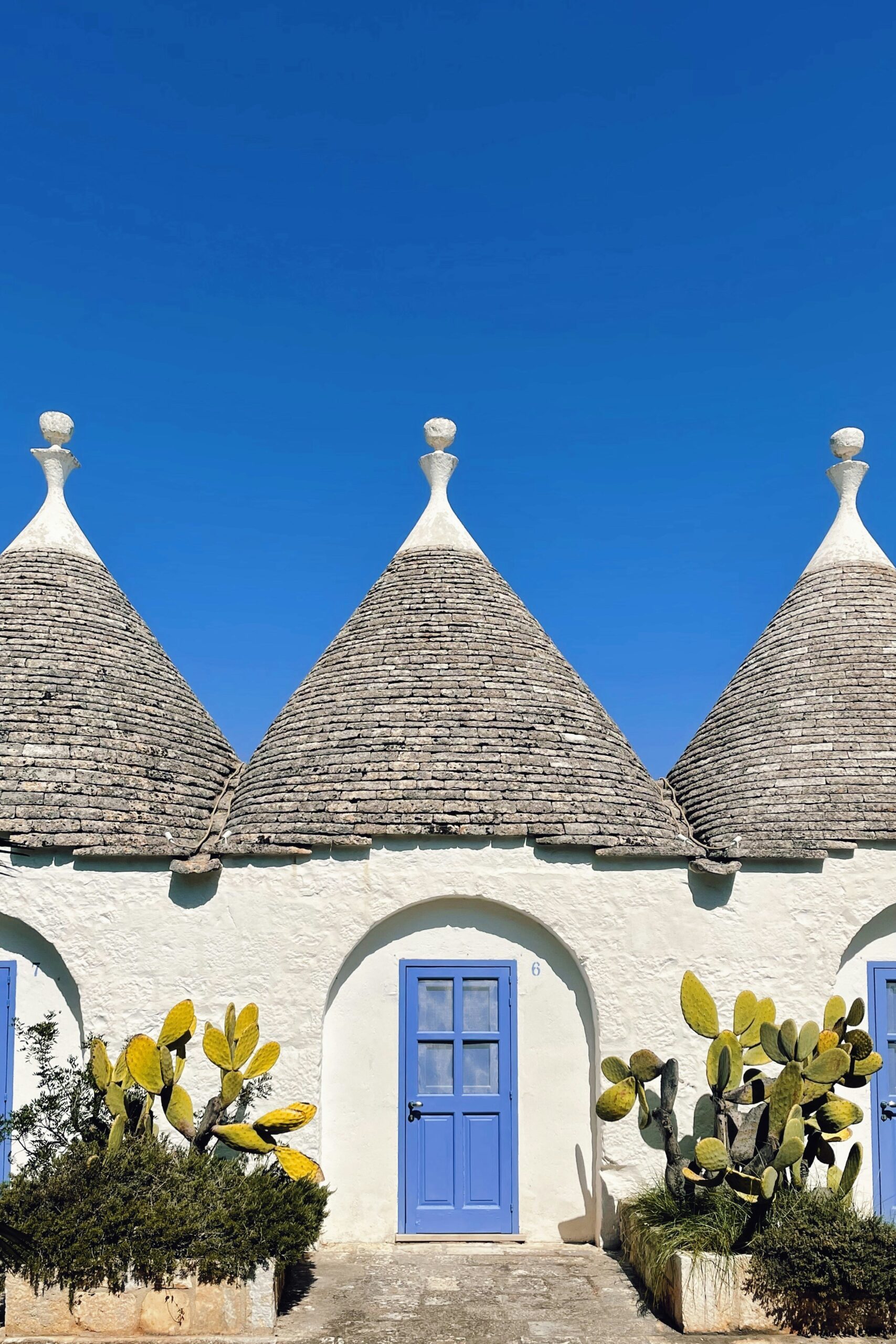
Holiday Home & Villa Booking
Discover your perfect home in Apulia with ApuliaBella. We handpick every trullo, villa, apartment, and masseria to ensure comfort, authenticity, and unforgettable charm. Whether it’s a romantic getaway, a family holiday, or a group escape, we match you with a property that fits your style, group size, and budget. Booking is simple and stress-free — we handle all details so you can focus on enjoying your holiday. With ApuliaBella, your dream Apulian stay is just a few clicks away.
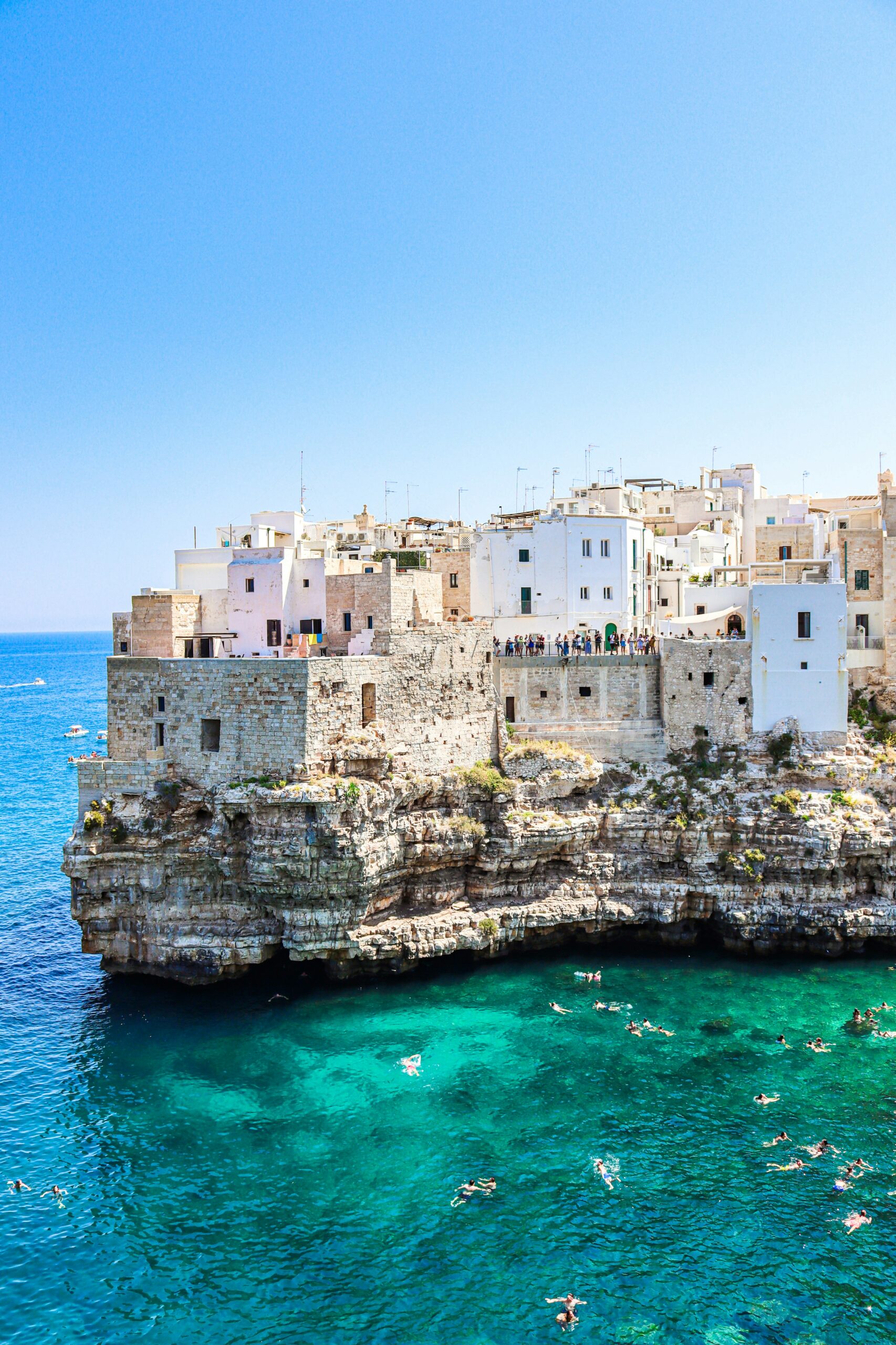
On-Site Guest Support
Enjoy your Apulia holiday without a single worry with ApuliaBella’s On-Site Guest Support. From the moment you arrive, our local team welcomes you personally, guides you through your accommodation, and ensures everything is perfectly prepared. Need tips for the best beaches, restaurants, or hidden gems? We provide insider knowledge tailored to your interests. Should any questions or small issues arise, we’re just a call away — discreet, reliable, and ready to assist. With ApuliaBella, your stay is seamless, stress-free, and completely focused on relaxation and enjoyment.
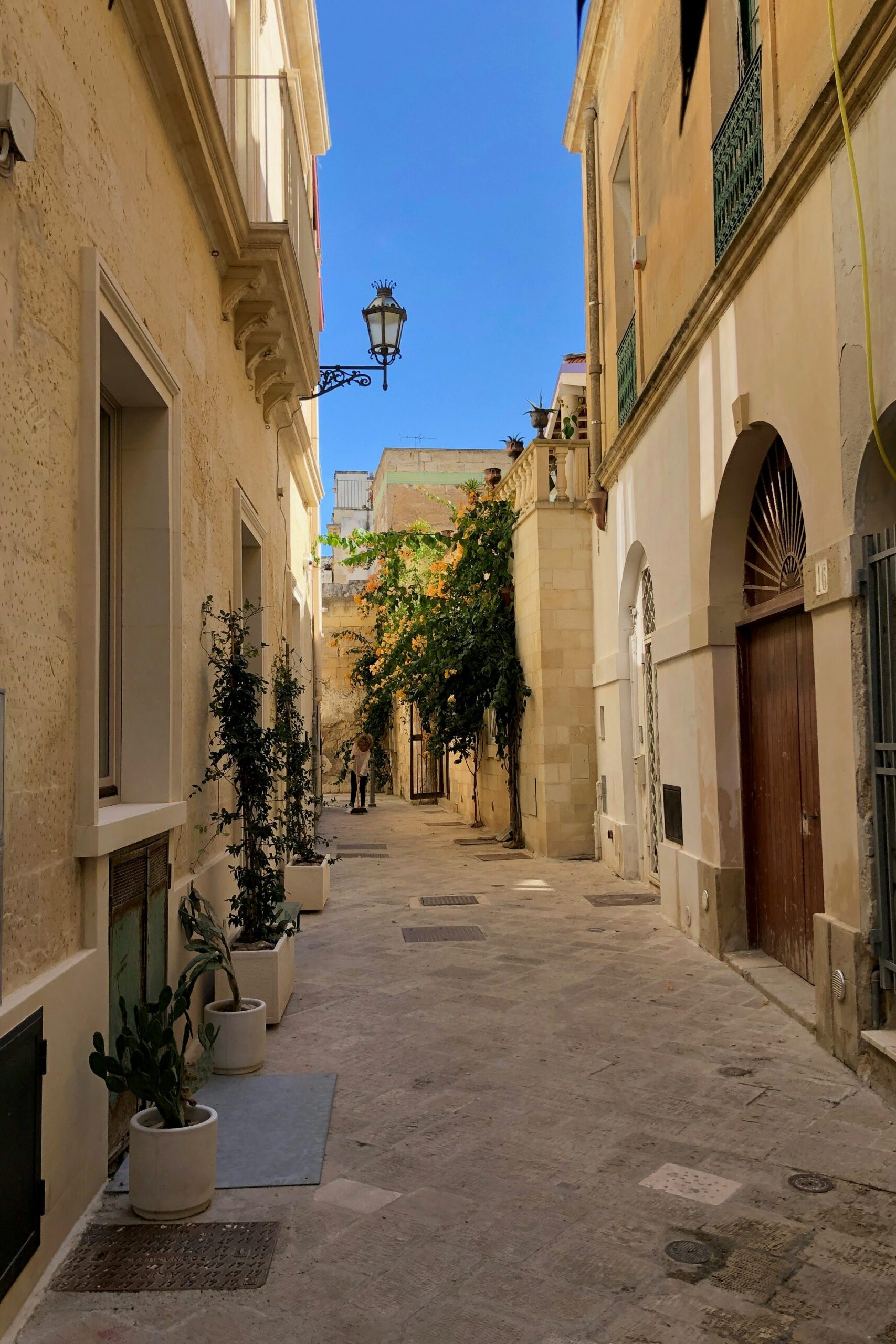
Services for Property Owners
Maximize your property’s potential with ApuliaBella. We handle everything — from professional marketing and guest communication to booking management and on-site coordination. Our team ensures your home is presented beautifully, booked efficiently, and maintained to the highest standards. With personalized strategies, we help you attract the right guests while reducing your workload. Trust ApuliaBella to manage your property professionally, giving you peace of mind and satisfied guests every time.
We are the Apulia Experts for Travelers
At ApuliaBella, we are your English-speaking experts for discovering the magic of Apulia. We handpick authentic holiday homes, trulli, villas, and masserie to ensure every stay is comfortable, unique, and unforgettable. Our team lives and breathes Apulia — from its sun-soaked beaches and historic towns to hidden villages and countryside escapes.
We guide you personally from booking to arrival, providing insider tips, local knowledge, and on-site support. Whether you are planning a romantic getaway, a family holiday, or a group adventure, ApuliaBella turns your travel dreams into reality. We are passionate about making every stay effortless, enjoyable, and authentically Apulian. With ApuliaBella, your Apulia experience begins before you even pack your bags.
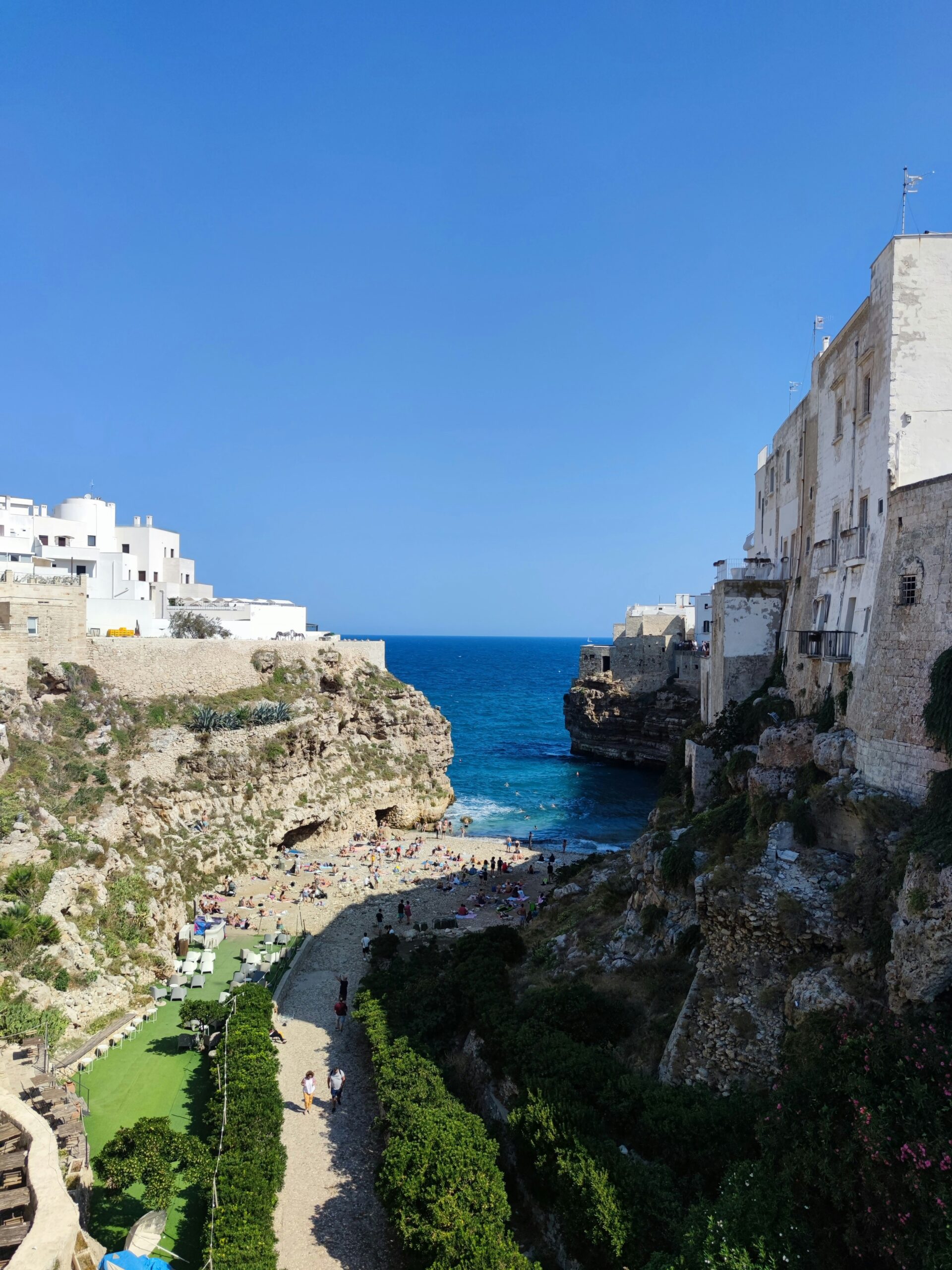
Places in Apulia:
Acquaviva delle Fonti, Accadia, Adelfia, Alberobello, Alberona, Altamura, Anzano di Puglia, Andria, Apricena, Ascoli Satriano, Avetrana, Bari, Barletta, Binetto, Biccari, Bitetto, Bitonto, Bitritto, Bisceglie, Bovino, Brindisi, Cagnano Varano, Candela, Canosa di Puglia, Carapelle, Carlantino, Carpino, Carosino, Carovigno, Casamassima, Casarano, Casalnuovo Monterotaro, Casalvecchio di Puglia, Castellana Grotte, Castellaneta, Castelluccio dei Sauri, Castelluccio Valmaggiore, Castelnuovo della Daunia, Cellamare, Celle di San Vito, Celenza Valfortore, Cellino San Marco, Ceglie Messapica, Cerignola, Chieuti, Cisternino, Corato, Copertino, Crispiano, Deliceto, Erchie, Faggiano, Fasano, Faeto, Foggia, Francavilla Fontana, Galatina, Galatone, Gallipoli, Gioia del Colle, Ginosa, Giovinazzo, Grottaglie, Gravina in Puglia, Grumo Appula, Ischitella, Isole Tremiti, Laterza, Latiano, Lecce, Leverano, Leporano, Lesina, Lizzano, Lizzanello, Locorotondo, Lucera, Maglie, Manduria, Manfredonia, Margherita di Savoia, Martina Franca, Maruggio, Massafra, Mattinata, Mesagne, Molfetta, Modugno, Monopoli, Monte Sant’Angelo, Montemesola, Monteiasi, Monteparano, Monteroni di Lecce, Monteleone di Puglia, Mottola, Motta Montecorvino, Nardò, Noci, Noicàttaro, Ordona, Oria, Orta Nova, Ostuni, Palagiano, Palagianello, Palo del Colle, Panni, Peschici, Pietramontecorvino, Poggiorsini, Polignano a Mare, Pulsano, Putignano, Rignano Garganico, Rodi Garganico, Roccaforzata, Roseto Valfortore, Ruvo di Puglia, Rutigliano, Sannicandro di Bari, Sannicandro Garganico, Sammichele di Bari, San Donaci, San Ferdinando di Puglia, San Giorgio Ionico, San Giovanni Rotondo, San Marzano di San Giuseppe, San Marco in Lamis, San Marco la Catola, San Michele Salentino, San Nicandro Garganico, San Paolo di Civitate, San Pancrazio Salentino, San Pietro Vernotico, Santeramo in Colle, Sava, Serracapriola, Spinazzola, Statte, Stornara, Stornarella, Surbo, Tarent, Taviano, Terlizzi, Trani, Tricase, Triggiano, Trinitapoli, Trepuzzi, Toritto, Torremaggiore, Torre Santa Susanna, Torricella, Torchiarolo, Turi, Ugento, Valenzano, Veglie, Vico del Gargano, Vieste, Villa Castelli, Volturara Appula, Volturino, Zapponeta