
Ordona in Apulia
Welcome to Ordona: The Pompeii of the Tavoliere
Rising from the vast, golden wheat fields of the Foggia plains, Ordona is a city where every footstep echoes against the stones of a vanished empire. At ApuliaBella, we often describe Ordona as the “Sleeping Giant of Daunia.” While the coastal cities of Apulia boast of their turquoise waters, Ordona offers something far more mysterious: the visceral thrill of walking through a Roman metropolis that was once a vital heartbeat of the Mediterranean. It is a place of profound silence, wide horizons, and the haunting beauty of columns standing solitary against the immense Apulian sky.
As your dedicated ApuliaBella travel advisor, we invite you to peel back the layers of the “Tavoliere” (the breadbasket of Italy) to discover the ancient city of Herdonia. Ordona is a destination for the true explorer—the traveler who prefers the whisper of history in a quiet field to the noise of a crowded piazza. Whether you are an archaeology enthusiast, a lover of rural landscapes, or a seeker of the deep, agrarian roots of the Italian South, ApuliaBella is here to guide you through the decumanus and the wheat stalks of this majestic Daunian treasure.
Herdonia: A History of Blood, Grain, and Resurgence
The history of Ordona is a narrative of strategic importance and dramatic falls. Long before it became the Roman Herdonia, it was a major center for the Daunians, an ancient Adriatic civilization. At ApuliaBella, we find the town’s Roman era particularly cinematic; it was the site of two major battles during the Second Punic War, where Hannibal himself fought to control this gateway to the South.
When you walk the ancient perimeter with ApuliaBella, we tell the story of a city that was a vital stop on the Via Traiana, the great road connecting Rome to Brindisi. It was a city of markets, grand basilicas, and sophisticated villas. However, as the Roman Empire faded, so did Herdonia, eventually becoming a “ghost city” in the Middle Ages. At ApuliaBella, we help you trace the journey from these ancient ruins to the modern “Borgo” founded in the 18th century as part of the agricultural reclamation of the plains. It is a city that has died and been reborn, always tied to the fertility of its soil.
The Archaeological Park of Herdonia: The Unburied Soul
The undisputed jewel of Ordona is the Parco Archeologico di Herdonia. Often called the “Pompeii of Puglia,” this site offers an incredibly clear look at the urban planning of a Roman provincial capital.
As your ApuliaBella travel guide, we suggest you begin your journey at the Forum. Standing among the foundations of the Roman shops and the massive Basilica, you can almost hear the roar of the ancient marketplace. At ApuliaBella, we find the remains of the Macellum (the circular meat and fish market) to be one of the most evocative structures on site. Unlike the more famous sites in Italy, here you are often alone with the ruins, allowing for a deep, personal connection with the past. At ApuliaBella, we view Herdonia as the “Limestone Memory” of the Tavoliere.
The Roman Bridge and the Via Traiana
Tracing the path of the ancient Via Traiana, you will find the remains of the infrastructure that made Ordona a global hub two thousand years ago. The remnants of the Roman bridges crossing the Carapelle stream are silent witnesses to the millions of travelers, soldiers, and merchants who passed through these gates.
We at ApuliaBella recommend walking a section of the ancient road. The basalt paving stones, rutted by centuries of chariot wheels, are still visible in places. As your ApuliaBella travel guide, we find that standing on these stones offers a perspective on time that few other places can provide. At ApuliaBella, we consider the Via Traiana the “Spine of Ordona,” the road that brought the world to this small corner of the Apulian plain.
The Museum of Herdonia: Treasures of the Daunian Earth
To truly understand the sophistication of the people who lived here, a visit to the Museo Archeologico di Ordona is essential. The museum houses an incredible collection of Daunian ceramics, Roman glassware, and everyday objects salvaged from the excavations.
Your ApuliaBella travel guide considers the Daunian “stelae” to be the highlight. These are limestone slabs carved with intricate geometric patterns and human figures, representing the unique funerary art of the pre-Roman inhabitants. At ApuliaBella, we find the jewelry and coins found on-site to be a testament to the wealth that once flowed through Herdonia. At ApuliaBella, we believe the museum is the “Vocal Cord” of the ruins, giving a name and a story to the stones in the field.
The Modern Borgo: Neoclassical Order in the Fields
The current town of Ordona is a fascinating example of “planned” architecture. Built during the Bourbon era to house the farmers working the vast estates, it features wide, straight streets and a sense of order that contrasts with the labyrinthine old towns of the coast.
At ApuliaBella, we suggest a walk to the Church of San Leone. While it is modest compared to the Roman basilicas, it represents the faith and resilience of the modern agricultural community. As your ApuliaBella travel guide, we find the simplicity of the white-washed buildings to be the perfect palate cleanser after the complexity of the archaeological park. At ApuliaBella, we view the modern town as the “Guardian of the Grain,” continuing the ancient tradition of feeding the region.
Culinary Specialties: The Flavors of the Tavoliere
The kitchen of Ordona is a celebration of the “Grano Duro” (durum wheat). This is the land where the world’s finest pasta begins its journey. At ApuliaBella, we ensure you taste the “Golden Harvest.”
Orecchiette di Grano Arso: Pasta made from “burnt grain,” a traditional technique where the leftover husks after the harvest were gathered and milled, creating a smoky, nutty flavor.
Pane di Ordona: Large, thick-crusted loaves of bread made from local semolina, which stay fresh for days and are perfect for “scarpetta” (sopping up sauce).
Lagane e Ceci: An ancient Roman-style pasta dish—wide, flat ribbons of dough served with creamy chickpeas and rosemary.
Muscisca: Sun-dried meat (usually goat or lamb) seasoned with chili and fennel, a traditional snack for the shepherds who once moved their flocks across these plains.
Vino Rosso di Cerignola: To accompany your meal, ApuliaBella suggests a robust red from the neighboring vineyards, reflecting the sun-drenched intensity of the Foggia landscape.
Insider Tip: The “Shadow Theatre” of the Amphitheatre
Here is an ApuliaBella insider tip: Most visitors leave the archaeological park as the sun begins to set, but that is when the magic truly happens.
Our ApuliaBella recommendation is to find a spot near the remains of the Roman Amphitheatre during the “Golden Hour.” As the sun sits low on the flat horizon of the Tavoliere, the shadows of the remaining arches stretch across the grass, recreating the ghosts of the ancient walls. At ApuliaBella, we find this to be the most atmospheric moment in the city. The contrast between the ancient stone and the endless green (or gold) of the surrounding fields is a sight you will never forget.
The Feast of San Leone
In February, the town celebrates its patron saint, San Leone. While it is a smaller celebration than the coastal “sagre,” it is deeply authentic.
At ApuliaBella, we believe this is the best time to see the communal spirit of Ordona. The celebration features traditional music, bonfires to ward off the winter chill of the plains, and the sharing of local bread and wine. Your ApuliaBella travel guide suggests joining the locals for the blessing of the fields—a ritual that has likely happened in some form since the days of the Romans. At ApuliaBella, we see this as the “Pulse of the Plain,” a moment of continuity in a landscape of change.
Why Choose ApuliaBella for Your Ordona Journey?
Ordona is a city of “Invisible Majesty.” It requires a guide who can help you see the metropolis hidden beneath the wheat and the stories etched into the broken columns.
Archaeological Context: ApuliaBella provides the historical narrative that connects the Daunian tribes, the Roman conquerors, and the Bourbon farmers.
Rural Exploration: We know the best paths through the Tavoliere to reach the hidden Roman bridges and the most scenic viewpoints of the ruins.
Authentic Tastes: We connect you with local producers of “Grano Arso” and traditional bakers who maintain the ancient flavors of the Foggia plains.
Ordona is the Pompeii of the Tavoliere—a city of Roman ghosts, golden wheat, and the most profound archaeological silence in the South. It is where the road to Rome meets the heart of the Apulian breadbasket. Let ApuliaBella be your guide to the most historic and evocative secret of the Daunian plains.
Comprehensive Services for Guests
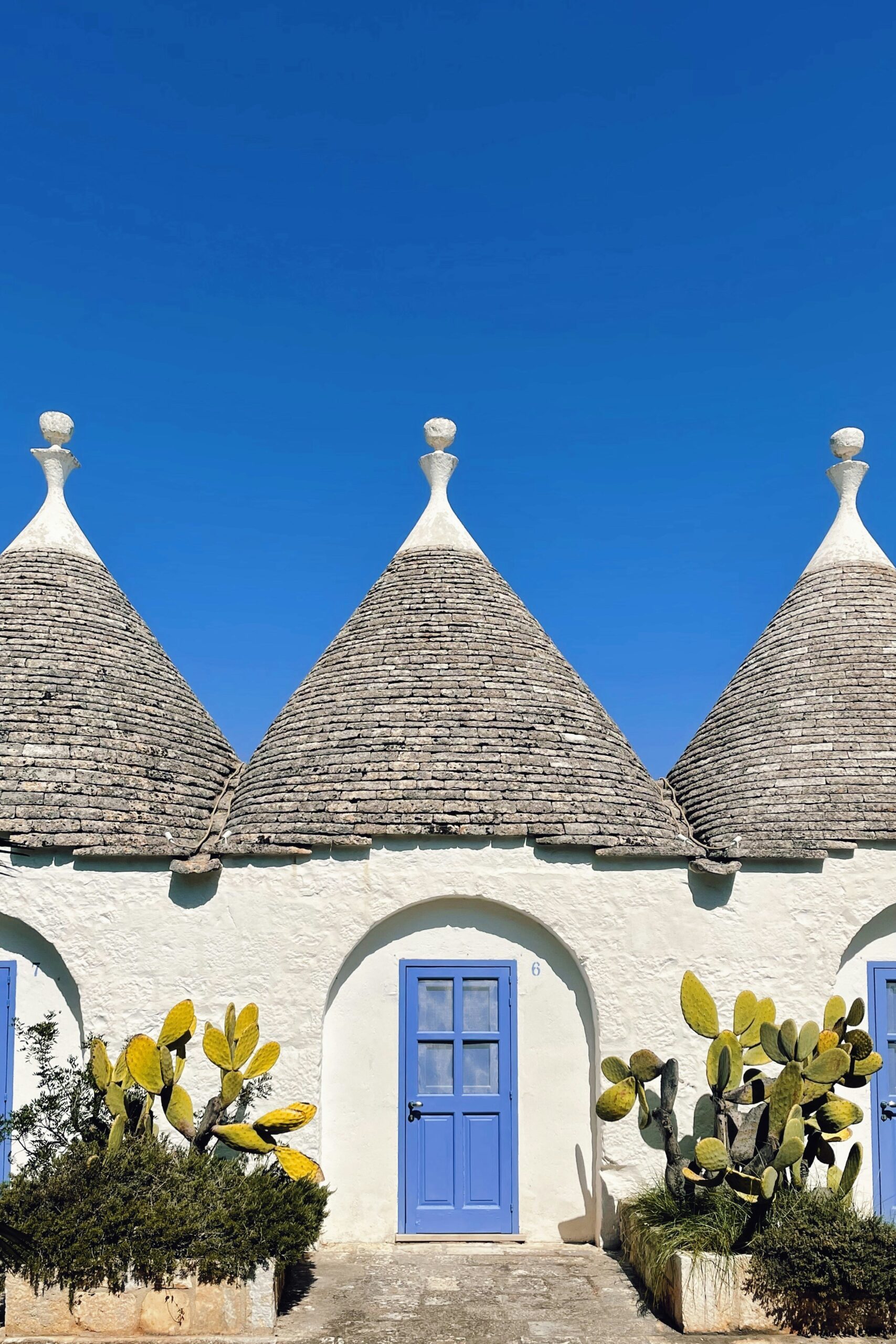
Holiday Home & Villa Booking
Discover your perfect home in Apulia with ApuliaBella. We handpick every trullo, villa, apartment, and masseria to ensure comfort, authenticity, and unforgettable charm. Whether it’s a romantic getaway, a family holiday, or a group escape, we match you with a property that fits your style, group size, and budget. Booking is simple and stress-free — we handle all details so you can focus on enjoying your holiday. With ApuliaBella, your dream Apulian stay is just a few clicks away.
On-Site Guest Support
Enjoy your Apulia holiday without a single worry with ApuliaBella’s On-Site Guest Support. From the moment you arrive, our local team welcomes you personally, guides you through your accommodation, and ensures everything is perfectly prepared. Need tips for the best beaches, restaurants, or hidden gems? We provide insider knowledge tailored to your interests. Should any questions or small issues arise, we’re just a call away — discreet, reliable, and ready to assist. With ApuliaBella, your stay is seamless, stress-free, and completely focused on relaxation and enjoyment.
Services for Property Owners
Maximize your property’s potential with ApuliaBella. We handle everything — from professional marketing and guest communication to booking management and on-site coordination. Our team ensures your home is presented beautifully, booked efficiently, and maintained to the highest standards. With personalized strategies, we help you attract the right guests while reducing your workload. Trust ApuliaBella to manage your property professionally, giving you peace of mind and satisfied guests every time.
We are the Apulia Experts for Travelers
At ApuliaBella, we are your English-speaking experts for discovering the magic of Apulia. We handpick authentic holiday homes, trulli, villas, and masserie to ensure every stay is comfortable, unique, and unforgettable. Our team lives and breathes Apulia — from its sun-soaked beaches and historic towns to hidden villages and countryside escapes.
We guide you personally from booking to arrival, providing insider tips, local knowledge, and on-site support. Whether you are planning a romantic getaway, a family holiday, or a group adventure, ApuliaBella turns your travel dreams into reality. We are passionate about making every stay effortless, enjoyable, and authentically Apulian. With ApuliaBella, your Apulia experience begins before you even pack your bags.
Places in Apulia:
Acquaviva delle Fonti, Accadia, Adelfia, Alberobello, Alberona, Altamura, Anzano di Puglia, Andria, Apricena, Ascoli Satriano, Avetrana, Bari, Barletta, Binetto, Biccari, Bitetto, Bitonto, Bitritto, Bisceglie, Bovino, Brindisi, Cagnano Varano, Candela, Canosa di Puglia, Carapelle, Carlantino, Carpino, Carosino, Carovigno, Casamassima, Casarano, Casalnuovo Monterotaro, Casalvecchio di Puglia, Castellana Grotte, Castellaneta, Castelluccio dei Sauri, Castelluccio Valmaggiore, Castelnuovo della Daunia, Cellamare, Celle di San Vito, Celenza Valfortore, Cellino San Marco, Ceglie Messapica, Cerignola, Chieuti, Cisternino, Corato, Copertino, Crispiano, Deliceto, Erchie, Faggiano, Fasano, Faeto, Foggia, Francavilla Fontana, Galatina, Galatone, Gallipoli, Gioia del Colle, Ginosa, Giovinazzo, Grottaglie, Gravina in Puglia, Grumo Appula, Ischitella, Isole Tremiti, Laterza, Latiano, Lecce, Leverano, Leporano, Lesina, Lizzano, Lizzanello, Locorotondo, Lucera, Maglie, Manduria, Manfredonia, Margherita di Savoia, Martina Franca, Maruggio, Massafra, Mattinata, Mesagne, Molfetta, Modugno, Monopoli, Monte Sant’Angelo, Montemesola, Monteiasi, Monteparano, Monteroni di Lecce, Monteleone di Puglia, Mottola, Motta Montecorvino, Nardò, Noci, Noicàttaro, Ordona, Oria, Orta Nova, Ostuni, Palagiano, Palagianello, Palo del Colle, Panni, Peschici, Pietramontecorvino, Poggiorsini, Polignano a Mare, Pulsano, Putignano, Rignano Garganico, Rodi Garganico, Roccaforzata, Roseto Valfortore, Ruvo di Puglia, Rutigliano, Sannicandro di Bari, Sannicandro Garganico, Sammichele di Bari, San Donaci, San Ferdinando di Puglia, San Giorgio Ionico, San Giovanni Rotondo, San Marzano di San Giuseppe, San Marco in Lamis, San Marco la Catola, San Michele Salentino, San Nicandro Garganico, San Paolo di Civitate, San Pancrazio Salentino, San Pietro Vernotico, Santeramo in Colle, Sava, Serracapriola, Spinazzola, Statte, Stornara, Stornarella, Surbo, Tarent, Taviano, Terlizzi, Trani, Tricase, Triggiano, Trinitapoli, Trepuzzi, Toritto, Torremaggiore, Torre Santa Susanna, Torricella, Torchiarolo, Turi, Ugento, Valenzano, Veglie, Vico del Gargano, Vieste, Villa Castelli, Volturara Appula, Volturino, Zapponeta