
Roseto Valfortore in Apulia
Welcome to Roseto Valfortore: The Stone Rose of the Daunian Mountains
Hidden in the deep, verdant folds of the Sub-Appennines, where the air remains crisp even in the height of summer, lies Roseto Valfortore. At ApuliaBella, we call this village the “Gem of the Fortore Valley.” Recognized as one of the Borghi più belli d’Italia (the most beautiful villages in Italy), Roseto is a masterclass in the art of stone. Here, the very mountains have been carved into a sanctuary of peace, silence, and architectural harmony. It is a place where the modern world feels like a distant rumor, replaced by the rhythmic clinking of stone masons’ chisels and the rustle of the surrounding beech forests.
As your dedicated ApuliaBella travel advisor, we invite you to discover a town that serves as the “Natural Balcony” of the Foggia hinterland. Roseto Valfortore is for the traveler who seeks the “Sublime”—the intersection of rugged nature and refined human craftsmanship. Whether you are an eco-traveler looking to explore the banks of the Fortore River, a history lover tracing the footsteps of the Roman legions, or a gourmet in search of the legendary “Truffle of the Daunia,” ApuliaBella is here to guide you through the honey-colored alleys and misty peaks of this mountain treasure.
A Legacy of the Scarpellini: The History of Roseto Valfortore
The history of Roseto Valfortore is a narrative written in limestone. Its name, evocative of the wild roses that bloom in the valley, speaks to its natural beauty, but its soul is found in its “Scarpellini” (stone carvers). At ApuliaBella, we find the town’s medieval resilience particularly moving; for centuries, Roseto was a vital defensive link between the Tavoliere plains and the mountains of Molise and Campania.
When you traverse the historic center with ApuliaBella, we tell the story of a community that survived earthquakes and sieges by building with the very earth they stood upon. In the 15th century, the village became a prized fiefdom of the Saggese and Capua families, who brought a touch of Renaissance elegance to the mountain stronghold. At ApuliaBella, we help you trace this journey from the ancient Roman bridge that once spanned the river to the intricate portals carved by master masons. It is a city that has preserved its identity through the work of human hands, turning raw mountain rock into a work of art.
The Mother Church of Santa Maria Assunta: A Sculpted Masterpiece
The spiritual and artistic heart of the village is the Chiesa Matrice di Santa Maria Assunta. Built in the 16th century, its facade is perhaps the finest example of stone carving in the entire Daunian region.
As your ApuliaBella travel guide, we suggest you spend significant time studying the main portal. The work of the local stone masons is so detailed that the limestone seems to flow like lace. You will see biblical scenes, floral motifs, and mythical creatures all frozen in the golden mountain stone. Inside, the church is a sanctuary of cool air and ancient devotion. At ApuliaBella, we consider this church the “Manifesto of the Scarpellini,” a structure that proves that even in the most remote mountains, beauty was pursued with religious fervor.
The Palazzo Baronale: The Duke’s Stone Fortress
Dominating the highest point of the historic center is the Palazzo Baronale, once the residence of the local feudal lords. Originally a Norman defense tower, it was expanded into a noble palace during the 16th and 17th centuries.
We at ApuliaBella recommend walking along the fortified walls of the palace. From here, the view drops away into the Fortore Valley, where the river winds like a silver ribbon through the oak forests. As your ApuliaBella travel guide, we find the palace’s internal courtyard—with its elegant arches and stone wells—to be a pocket of absolute tranquility. At ApuliaBella, we view this palace as the “Political Anchor” of Roseto, a reminder of the days when the counts of the valley monitored the borders of Apulia from these high terraces.
The Mills of the Fortore: A Journey into Rural Engineering
The lifeblood of Roseto has always been the Fortore River. Scattered along its banks are the ruins of ancient water mills, some of which have been beautifully restored.
Your ApuliaBella travel guide considers a walk down to the river to be the ultimate restorative experience. The Mulino Vecchio (Old Mill) serves as a witness to the town’s agricultural past, where the grain of the Daunia was ground into flour using the power of the mountain streams. At ApuliaBella, we find the sound of the water against the ancient stones to be the true “voice” of the village. At ApuliaBella, we view these mills as the “Lungs of the Valley,” a place where the connection between the mountain people and their natural resources is most evident.
The “Belvedere” and the Center of the Arts
Roseto is not just a place of the past; it is a living center for artisans. The Centro di Artigianato Artistico celebrates the ongoing tradition of stone carving and weaving.
At ApuliaBella, we suggest a stop at the town’s “Belvedere,” or panoramic terrace. It is here that the village opens up to the horizon. As your ApuliaBella travel guide, we find the play of light on the red-tiled roofs and the grey stone walls at sunset to be a photographer’s dream. At ApuliaBella, we believe the Belvedere is the “Soul of the Heights,” where you can feel the immensity of the Apennines and the tiny, defiant beauty of the human settlement perched within them.
The Path of the Honey: Roseto’s Golden Treasure
Roseto Valfortore is famous for its “Miele” (honey). The mountain flora, undisturbed by industrial pollution, produces a honey that is prized across Italy for its purity and complexity.
At ApuliaBella, we suggest a visit to one of the local apiaries. You can taste honey made from acacia, chestnut, and wild mountain flowers. As your ApuliaBella travel guide, we find that the local honey isn’t just a food; it’s the essence of the Daunian landscape in a jar. At ApuliaBella, we view the beekeeping tradition as the “Sweetest Legacy” of Roseto, a practice that requires a deep, harmonious relationship with the mountain ecosystem.
Culinary Specialties: The Earthy Wealth of the High Valley
The kitchen of Roseto Valfortore is a refined celebration of “Cucina di Montagna.” It is a cuisine of foraged treasures, hearty meats, and ancient grains. At ApuliaBella, we ensure you taste the “Purity of the Peaks.”
Truffles (Tartufo Nero): The forests around Roseto are rich in black truffles. Here, they are grated generously over handmade pasta or infused into local cheeses.
Cicatelli: A traditional handmade pasta, shaped like a small boat, usually served with a rich ragù of wild boar or simple tomato and basil.
Il Prosciutto di Roseto: Cured in the cool mountain air, this ham has a delicate, sweet flavor that rivals the more famous northern varieties.
Soppressata Dauna: A spicy, dry-cured sausage that is a staple of every “antipasto rignanese.”
Acquasale: A humble but delicious dish of stale bread soaked in water and dressed with cherry tomatoes, cucumbers, and the intense local olive oil.
Vincotto Sweets: Traditional cookies flavored with “cooked wine,” a reduction of grape must that gives a deep, dark sweetness to the local pastries.
Insider Tip: The “Honey Pool” and the River Walk
Here is an ApuliaBella insider tip: For a truly unique experience, visit the Piscina Comunale di Roseto during the summer months.
Our ApuliaBella recommendation is to spend a morning at this mountain pool, which is fed by natural springs and surrounded by forests. It is one of the few places in Apulia where you can swim while looking up at high mountain ridges. Afterward, follow the “Sentiero dei Mulini” (Path of the Mills) for a quiet walk along the river. At ApuliaBella, we find this combination of refreshing water and deep forest silence to be the ultimate antidote to the summer heat.
The Museum of the Ancient Crafts
Located in the historic center, the Museo degli Antichi Mestieri offers a fascinating look at the tools of the scarpellini, the weavers, and the blacksmiths of Roseto.
At ApuliaBella, we believe the museum is essential to understanding the village’s DNA. You will see the heavy mallets and delicate chisels that created the facade of the Mother Church. Your ApuliaBella travel guide suggests taking a moment to look at the ancient looms; the textile tradition in Roseto is as old as the stone tradition. At ApuliaBella, we view this museum as the “Memory of the Hands,” a tribute to the physical labor that turned a rugged mountain into a beautiful home.
Why Choose ApuliaBella for Your Roseto Valfortore Journey?
Roseto Valfortore is a city of “Stone and Silence.” It requires a guide who can navigate the steep history of its masons and the wild ecology of its river valley.
Artisan Connections: ApuliaBella provides the best access to local stone masons and honey producers, allowing you to see the craftsmanship firsthand.
Nature Curation: We know the most scenic trails through the Fortore Valley, ensuring you find the best spots for birdwatching and truffle hunting.
Historical Storytelling: We bring the era of the Saggese dukes to life, turning the stone portals and noble palaces into a narrative of mountain power.
Roseto Valfortore is the stone rose of the Daunian Mountains—a city of sculpted churches, ancient mills, and the sweetest honey in the South. It is where the ruggedness of the Appennines meets the elegance of the Renaissance. Let ApuliaBella be your guide to the most artistic and serene secret of the Foggia heights.
Comprehensive Services for Guests
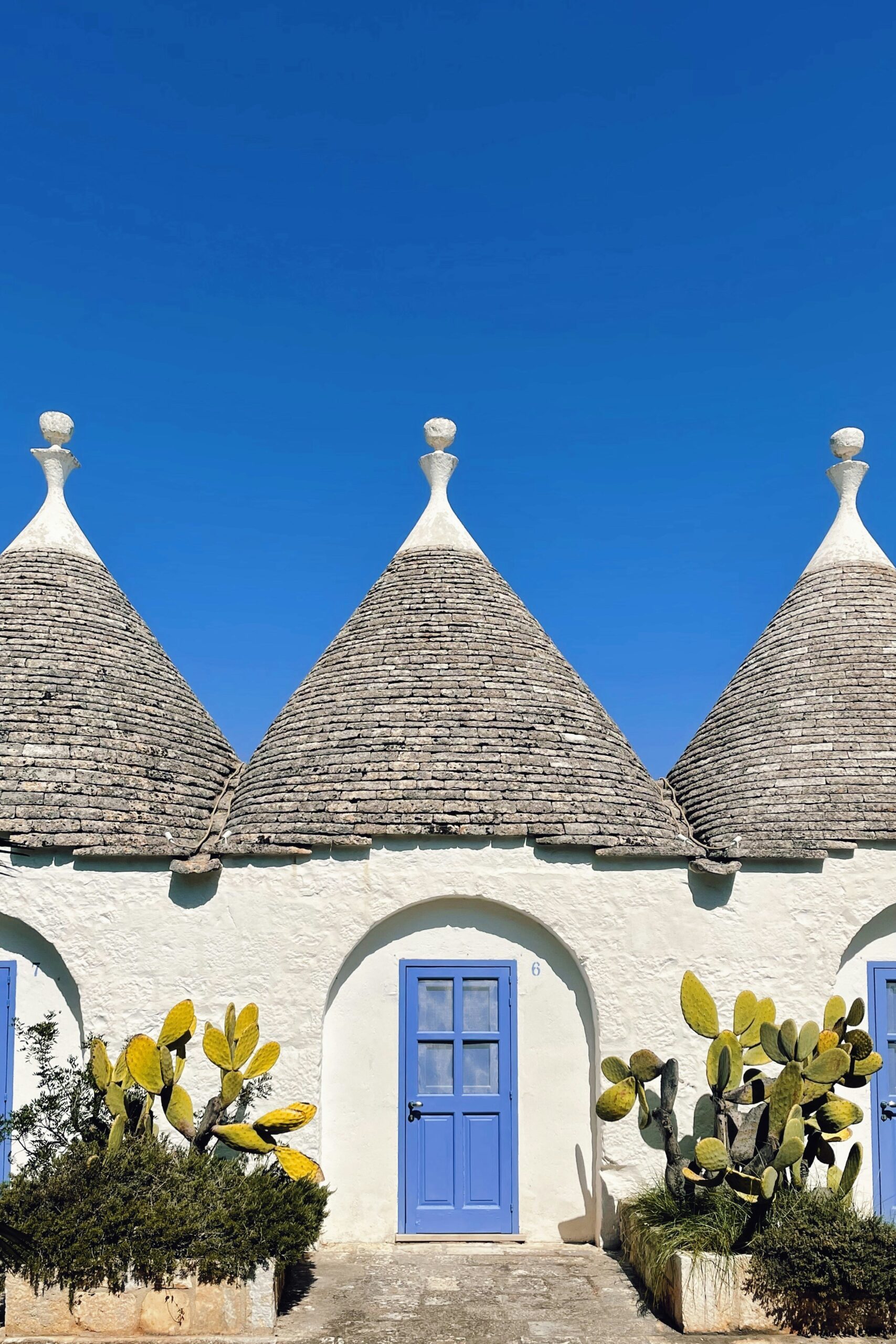
Holiday Home & Villa Booking
Discover your perfect home in Apulia with ApuliaBella. We handpick every trullo, villa, apartment, and masseria to ensure comfort, authenticity, and unforgettable charm. Whether it’s a romantic getaway, a family holiday, or a group escape, we match you with a property that fits your style, group size, and budget. Booking is simple and stress-free — we handle all details so you can focus on enjoying your holiday. With ApuliaBella, your dream Apulian stay is just a few clicks away.
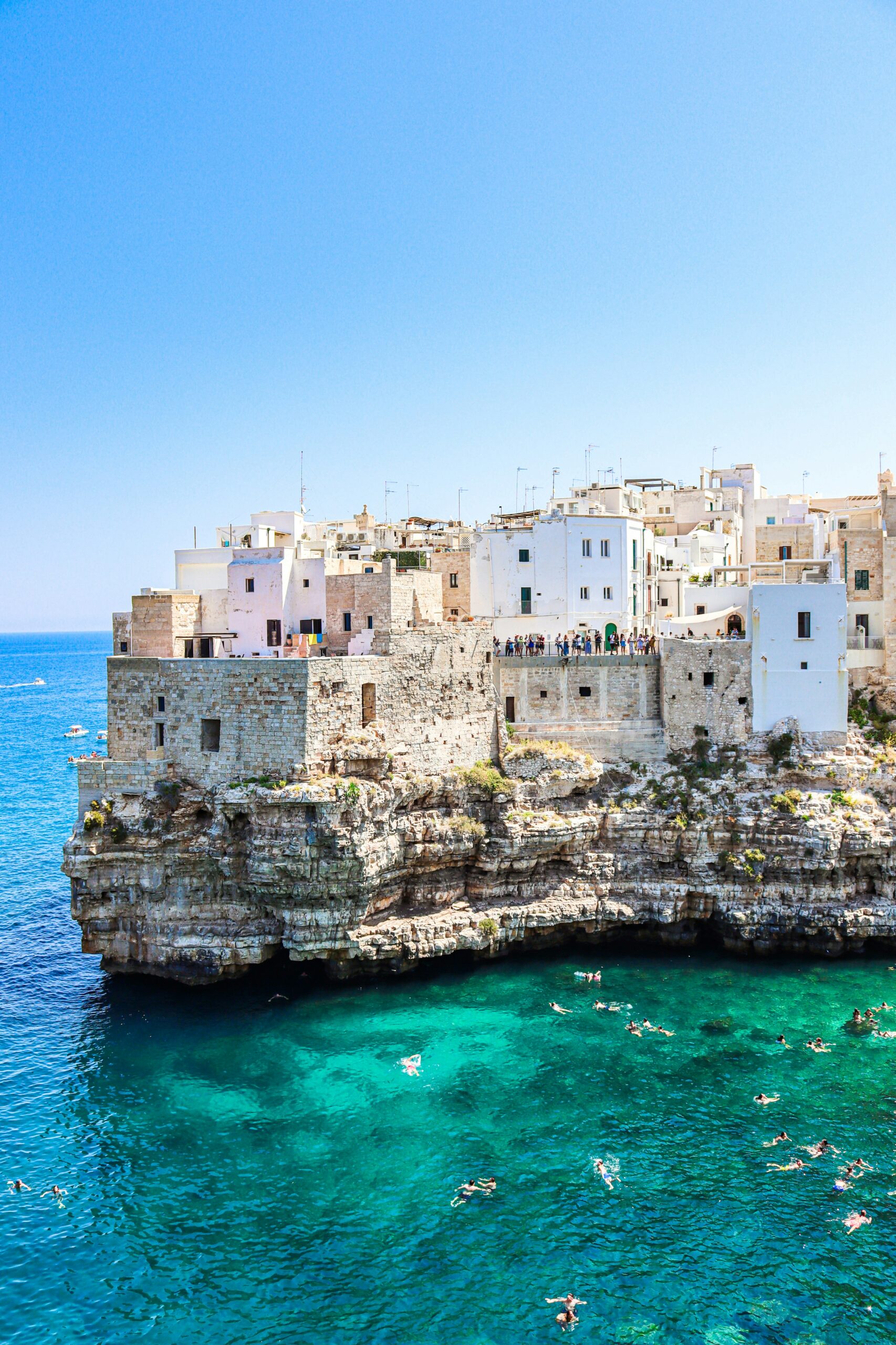
On-Site Guest Support
Enjoy your Apulia holiday without a single worry with ApuliaBella’s On-Site Guest Support. From the moment you arrive, our local team welcomes you personally, guides you through your accommodation, and ensures everything is perfectly prepared. Need tips for the best beaches, restaurants, or hidden gems? We provide insider knowledge tailored to your interests. Should any questions or small issues arise, we’re just a call away — discreet, reliable, and ready to assist. With ApuliaBella, your stay is seamless, stress-free, and completely focused on relaxation and enjoyment.
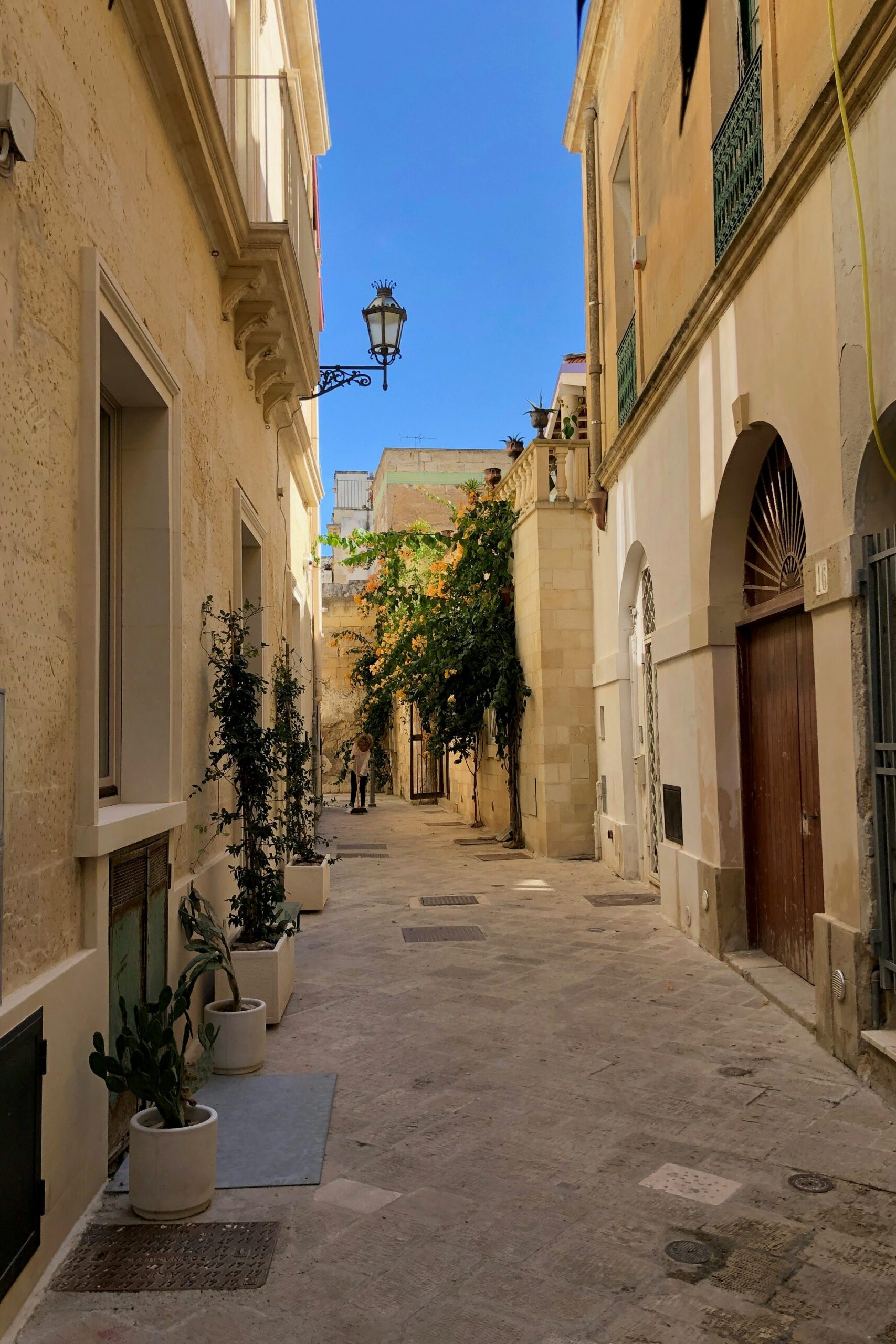
Services for Property Owners
Maximize your property’s potential with ApuliaBella. We handle everything — from professional marketing and guest communication to booking management and on-site coordination. Our team ensures your home is presented beautifully, booked efficiently, and maintained to the highest standards. With personalized strategies, we help you attract the right guests while reducing your workload. Trust ApuliaBella to manage your property professionally, giving you peace of mind and satisfied guests every time.
We are the Apulia Experts for Travelers
At ApuliaBella, we are your English-speaking experts for discovering the magic of Apulia. We handpick authentic holiday homes, trulli, villas, and masserie to ensure every stay is comfortable, unique, and unforgettable. Our team lives and breathes Apulia — from its sun-soaked beaches and historic towns to hidden villages and countryside escapes.
We guide you personally from booking to arrival, providing insider tips, local knowledge, and on-site support. Whether you are planning a romantic getaway, a family holiday, or a group adventure, ApuliaBella turns your travel dreams into reality. We are passionate about making every stay effortless, enjoyable, and authentically Apulian. With ApuliaBella, your Apulia experience begins before you even pack your bags.
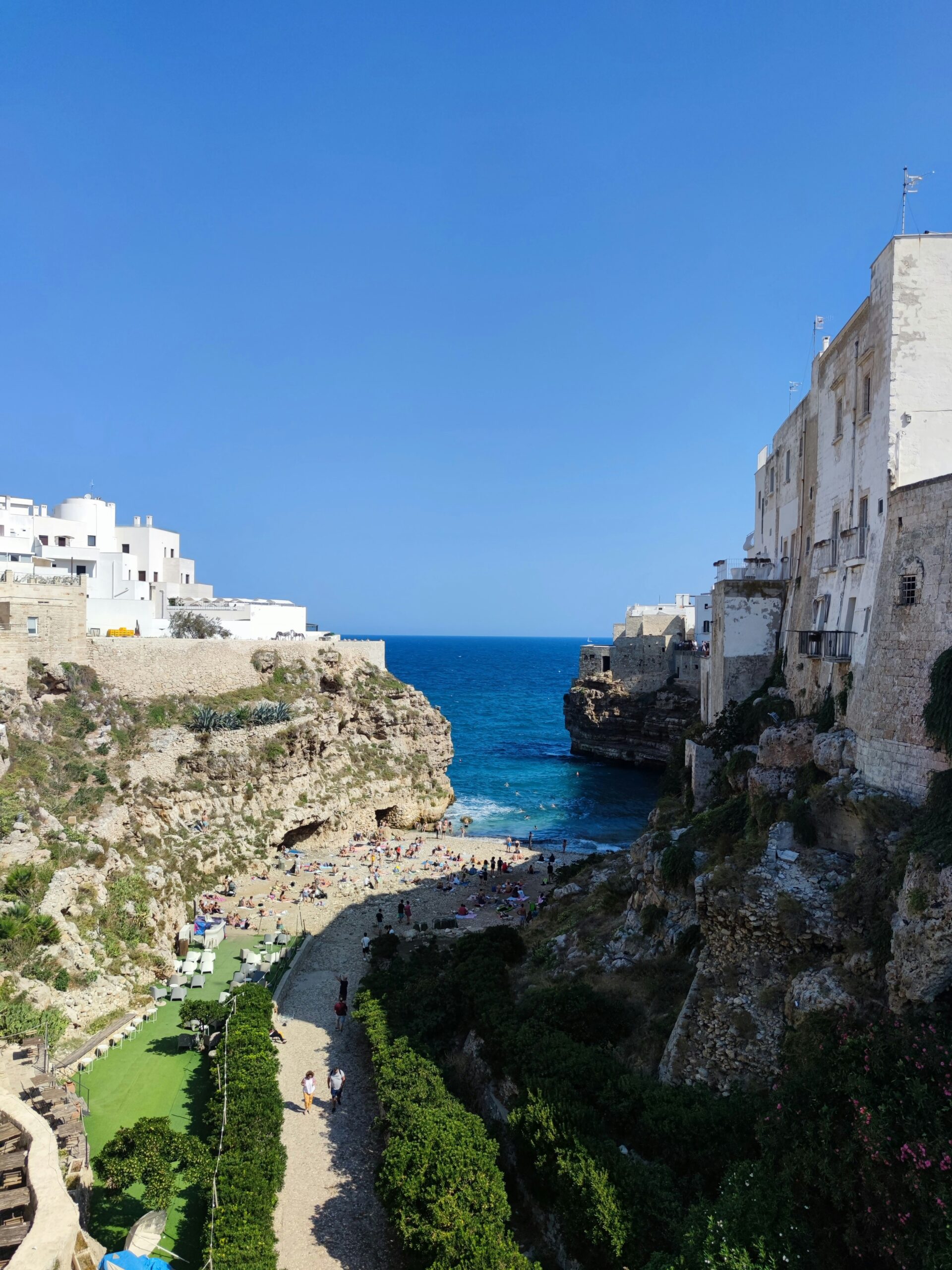
Places in Apulia:
Acquaviva delle Fonti, Accadia, Adelfia, Alberobello, Alberona, Altamura, Anzano di Puglia, Andria, Apricena, Ascoli Satriano, Avetrana, Bari, Barletta, Binetto, Biccari, Bitetto, Bitonto, Bitritto, Bisceglie, Bovino, Brindisi, Cagnano Varano, Candela, Canosa di Puglia, Carapelle, Carlantino, Carpino, Carosino, Carovigno, Casamassima, Casarano, Casalnuovo Monterotaro, Casalvecchio di Puglia, Castellana Grotte, Castellaneta, Castelluccio dei Sauri, Castelluccio Valmaggiore, Castelnuovo della Daunia, Cellamare, Celle di San Vito, Celenza Valfortore, Cellino San Marco, Ceglie Messapica, Cerignola, Chieuti, Cisternino, Corato, Copertino, Crispiano, Deliceto, Erchie, Faggiano, Fasano, Faeto, Foggia, Francavilla Fontana, Galatina, Galatone, Gallipoli, Gioia del Colle, Ginosa, Giovinazzo, Grottaglie, Gravina in Puglia, Grumo Appula, Ischitella, Isole Tremiti, Laterza, Latiano, Lecce, Leverano, Leporano, Lesina, Lizzano, Lizzanello, Locorotondo, Lucera, Maglie, Manduria, Manfredonia, Margherita di Savoia, Martina Franca, Maruggio, Massafra, Mattinata, Mesagne, Molfetta, Modugno, Monopoli, Monte Sant’Angelo, Montemesola, Monteiasi, Monteparano, Monteroni di Lecce, Monteleone di Puglia, Mottola, Motta Montecorvino, Nardò, Noci, Noicàttaro, Ordona, Oria, Orta Nova, Ostuni, Palagiano, Palagianello, Palo del Colle, Panni, Peschici, Pietramontecorvino, Poggiorsini, Polignano a Mare, Pulsano, Putignano, Rignano Garganico, Rodi Garganico, Roccaforzata, Roseto Valfortore, Ruvo di Puglia, Rutigliano, Sannicandro di Bari, Sannicandro Garganico, Sammichele di Bari, San Donaci, San Ferdinando di Puglia, San Giorgio Ionico, San Giovanni Rotondo, San Marzano di San Giuseppe, San Marco in Lamis, San Marco la Catola, San Michele Salentino, San Nicandro Garganico, San Paolo di Civitate, San Pancrazio Salentino, San Pietro Vernotico, Santeramo in Colle, Sava, Serracapriola, Spinazzola, Statte, Stornara, Stornarella, Surbo, Tarent, Taviano, Terlizzi, Trani, Tricase, Triggiano, Trinitapoli, Trepuzzi, Toritto, Torremaggiore, Torre Santa Susanna, Torricella, Torchiarolo, Turi, Ugento, Valenzano, Veglie, Vico del Gargano, Vieste, Villa Castelli, Volturara Appula, Volturino, Zapponeta