
San Giovanni Rotondo in Apulia
Welcome to San Giovanni Rotondo: The Spiritual Summit of the Gargano
High upon the rugged limestone plateau of the Gargano Peninsula, where the air is thin, crisp, and often filled with the chime of distant bells, lies San Giovanni Rotondo. At ApuliaBella, we describe this city as a “Bridge between Earth and Heaven.” While many travelers come to Apulia for the golden sands of the Adriatic, they ascend to San Giovanni Rotondo for something far more profound. This is a city of silence, stone, and intense devotion—a place where the legacy of one man, Saint Pio of Pietrelcina, has transformed a humble mountain village into one of the most visited pilgrimage sites in the world.
As your dedicated ApuliaBella travel advisor, we invite you to look beyond the modern facades of the pilgrimage centers to find the ancient heart of this mountain stronghold. San Giovanni Rotondo is for the traveler seeking “The Internal Journey.” It is a city of majestic modern architecture, medieval hidden gems, and a panoramic view that stretches across the vast Tavoliere plains to the sea. Whether you are a pilgrim seeking solace, an architecture enthusiast curious about the works of Renzo Piano, or a lover of rugged mountain landscapes, ApuliaBella is here to guide you through the sacred paths and historic alleys of this spiritual beacon.
A Journey Through the Ages: The History of San Giovanni Rotondo
The story of San Giovanni Rotondo begins long before the arrival of its most famous resident. At ApuliaBella, we find the city’s early history a fascinating tale of survival in a harsh landscape. Founded in 1095 on the ruins of a pre-existing village, its name derives from a round baptistery once dedicated to Saint John the Baptist. For centuries, it was a strategic waypoint for pilgrims traveling the Via Sacra Langobardorum toward the cave of the Archangel Michael in nearby Monte Sant’Angelo.
When you walk through the historic center with ApuliaBella, we tell the story of a town that lived by the rhythms of the seasons—of shepherds and stonemasons. However, the world changed in 1916 when a young Capuchin friar named Francesco Forgione (Padre Pio) arrived at the small friary. His presence, his stigmata, and his tireless work for the suffering turned this quiet mountain town into a global phenomenon. At ApuliaBella, we help you trace this journey from a medieval outpost to a world-class center of faith and healing. It is a city that has managed to expand with grandeur while keeping its medieval core tucked away like a secret.
The Sanctuary of Saint Pio: A Marvel of Modernity
The most iconic landmark in the city today is the Santuario di San Pio, a masterpiece of contemporary architecture designed by the world-renowned Renzo Piano.
As your ApuliaBella travel guide, we suggest you begin your visit in the “Sagrato,” the massive open-air courtyard that can hold over 30,000 people. The church itself is a feat of engineering, shaped like a nautilus and supported by massive arches made of local Gargano stone. At ApuliaBella, we consider the interior a place of breathtaking light and space, leading down to the crypt where the remains of Saint Pio are housed in a stunning golden chapel. This is a site where modern artistic vision serves ancient spiritual needs, creating a space that feels both monumental and intimate.
The Church of Santa Maria delle Grazie: Where the Legend Began
Before the grand sanctuary was built, the spiritual life of the city centered on the Convento dei Cappuccini and the adjacent Chiesa di Santa Maria delle Grazie.
We at ApuliaBella recommend spending time in the “Old Church” and the 16th-century friary. This is where you can see the humble cell where Padre Pio lived, the crucifix before which he received the stigmata, and the confessional where he spent countless hours. As your ApuliaBella travel guide, we find the atmosphere here significantly different from the new sanctuary; it is heavy with history and the scent of incense. At ApuliaBella, we view this site as the “Quiet Heart” of the city, representing the simple, ascetic life that drew millions to this mountain.
The “Casa Sollievo della Sofferenza”: A Monument to Mercy
Rising like a white citadel on the hillside is the Casa Sollievo della Sofferenza (Home for the Relief of Suffering). It is one of the most advanced hospitals in Europe, but at ApuliaBella, we tell its story as a work of faith.
Padre Pio believed that healing required both modern science and spiritual care. Founded in 1956, the hospital was built largely through the donations of the faithful. As your ApuliaBella travel guide, we suggest pausing at the grand entrance to see the statue of the Saint looking over his creation. At ApuliaBella, we view this institution as the “Living Miracle” of San Giovanni Rotondo—a place where the city’s spiritual energy is translated into tangible help for the sick.
The Historic Center: The Round Baptistery and Medieval Alleys
While the religious complex dominates the upper town, the Centro Storico in the lower part of the city is a treasure trove of medieval architecture.
Your ApuliaBella travel guide considers the La Rotonda (the ancient baptistery) a must-see. It is the circular building that gave the city its name, likely built on the site of an ancient temple to Janus. At ApuliaBella, we suggest losing yourself in the labyrinth of the “Terra” district. Here, the streets are narrow and winding, designed to break the fierce mountain winds. You will find small churches like Sant’Onofrio and noble palaces that whisper of a time before the town became a global pilgrimage site. At ApuliaBella, we view the old town as the “Authentic Soul” of the city, where the local people still live their lives at a traditional mountain pace.
The Via Crucis Monumentale: A Path in the Pine Forest
For those who enjoy a blend of spirituality and nature, the Via Crucis Monumentale is an extraordinary experience. This monumental Way of the Cross winds up the slopes of Mount Castellana, surrounded by a lush pine forest.
At ApuliaBella, we recommend walking this path even if you are not religious. The bronze sculptures by artist Francesco Messina are striking, and as you ascend the 28 stations, the view of the city and the Tavoliere below becomes increasingly spectacular. As your ApuliaBella travel guide, we find the “Silence of the Pines” to be the perfect counterpoint to the busy plazas of the sanctuary. At ApuliaBella, we view this path as the “Ascent of Reflection,” where the physical effort of the climb mirrors the spiritual journey of the pilgrim.
Culinary Specialties: The Robust Flavors of the Mountain
The kitchen of San Giovanni Rotondo is a robust celebration of the Gargano interior. It is a cuisine of shepherds and foresters, relying on hardy ingredients and intense flavors. At ApuliaBella, we ensure you taste the “Purity of the High Plateaus.”
Orecchiette with Wild Boar Ragù: The meat is slow-cooked for hours with red wine and juniper berries, creating a rich, earthy sauce for the handmade pasta.
Caciocavallo Podolico: This is the king of Gargano cheeses, made from the milk of free-roaming Podolica cows. At ApuliaBella, we suggest trying the aged version, which is spicy and aromatic.
Pancotto: A humble and delicious dish made with stale bread boiled with wild herbs (like chicory and borage), potatoes, and cherry tomatoes, drizzled with local olive oil.
Ostie Piene: A traditional sweet from the area—two thin wafers (like communion hosts) filled with toasted almonds, honey, and cinnamon.
Musciscka: Sun-dried meat (goat or beef) seasoned with chili and fennel, a traditional snack of the transhumance shepherds.
Ficotto: A dense syrup made from slow-cooked figs, used as a natural sweetener for mountain desserts.
Insider Tip: The “Evening of the Bells”
Here is an ApuliaBella insider tip: To feel the true spirit of the city, stay overnight and walk toward the old town just as the sun begins to set.
Our ApuliaBella recommendation is to find a quiet spot near the Church of San Giacomo. As the twilight deepens, the bells from the various sanctuaries and small churches begin to answer one another across the valley. At ApuliaBella, we find this “Symphony of Bronze” to be the most evocative moment in the city. It is a time when the day-trippers have left, and the town returns to its quiet, mystical roots. At ApuliaBella, we believe this is when you truly understand why Padre Pio chose this specific mountain as his home.
The Gargano National Park: Beyond the City Walls
San Giovanni Rotondo is a primary gateway to the Parco Nazionale del Gargano. Just a short drive away lies the Foresta Umbra, an ancient primeval beech forest that is a UNESCO World Heritage site.
At ApuliaBella, we believe that no visit to San Giovanni is complete without touching the green heart of the mountain. Your ApuliaBella travel guide can arrange for nature walks or visits to the “Doline”—massive karst sinkholes that dot the landscape. At ApuliaBella, we view the surrounding park as the “Sacred Garden” of the city, a place where the wild beauty of Apulia remains untouched by time.
Why Choose ApuliaBella for Your San Giovanni Rotondo Experience?
San Giovanni Rotondo is a city of “Stone and Spirit.” It requires a guide who can navigate both the grand modern sanctuaries and the ancient, quiet corners of the mountain.
Spiritual Context: ApuliaBella provides the deep history of Saint Pio and the local traditions, making the sacred sites resonate with personal meaning.
Architectural Insight: We help you decode the symbolism of Renzo Piano’s sanctuary and the medieval geometry of the “Rotonda.”
Gastronomic Access: We know the mountain dairies where the best Caciocavallo is aged and the small trattorie that serve the most authentic “Pancotto.”
San Giovanni Rotondo is the spiritual summit of the Gargano—a city of modern miracles, medieval secrets, and the most profound silences in the South. It is where the human spirit reaches for the divine among the limestone peaks. Let ApuliaBella be your guide to the most moving and historic secret of the Apulian heights.
Comprehensive Services for Guests
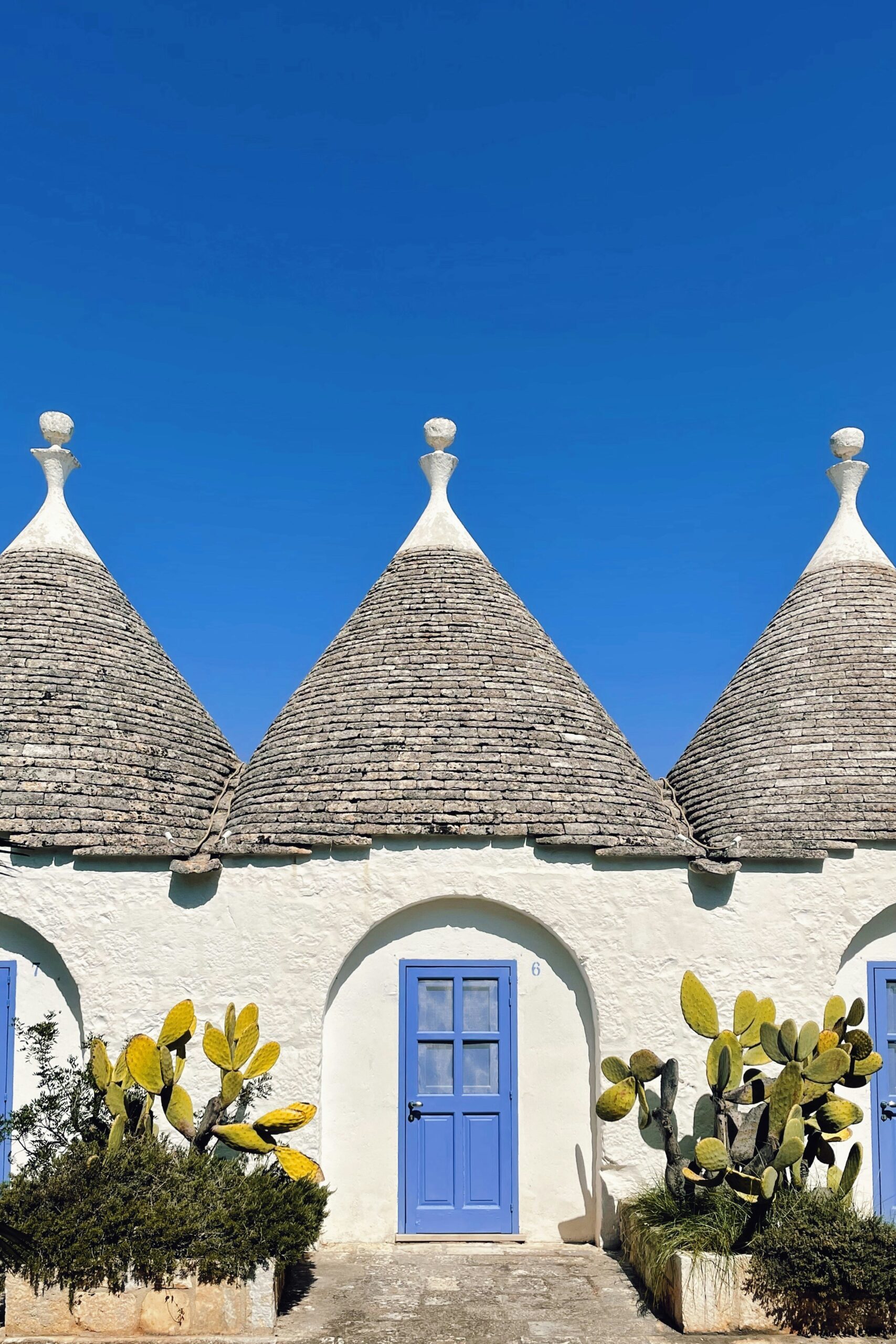
Holiday Home & Villa Booking
Discover your perfect home in Apulia with ApuliaBella. We handpick every trullo, villa, apartment, and masseria to ensure comfort, authenticity, and unforgettable charm. Whether it’s a romantic getaway, a family holiday, or a group escape, we match you with a property that fits your style, group size, and budget. Booking is simple and stress-free — we handle all details so you can focus on enjoying your holiday. With ApuliaBella, your dream Apulian stay is just a few clicks away.
On-Site Guest Support
Enjoy your Apulia holiday without a single worry with ApuliaBella’s On-Site Guest Support. From the moment you arrive, our local team welcomes you personally, guides you through your accommodation, and ensures everything is perfectly prepared. Need tips for the best beaches, restaurants, or hidden gems? We provide insider knowledge tailored to your interests. Should any questions or small issues arise, we’re just a call away — discreet, reliable, and ready to assist. With ApuliaBella, your stay is seamless, stress-free, and completely focused on relaxation and enjoyment.
Services for Property Owners
Maximize your property’s potential with ApuliaBella. We handle everything — from professional marketing and guest communication to booking management and on-site coordination. Our team ensures your home is presented beautifully, booked efficiently, and maintained to the highest standards. With personalized strategies, we help you attract the right guests while reducing your workload. Trust ApuliaBella to manage your property professionally, giving you peace of mind and satisfied guests every time.
We are the Apulia Experts for Travelers
At ApuliaBella, we are your English-speaking experts for discovering the magic of Apulia. We handpick authentic holiday homes, trulli, villas, and masserie to ensure every stay is comfortable, unique, and unforgettable. Our team lives and breathes Apulia — from its sun-soaked beaches and historic towns to hidden villages and countryside escapes.
We guide you personally from booking to arrival, providing insider tips, local knowledge, and on-site support. Whether you are planning a romantic getaway, a family holiday, or a group adventure, ApuliaBella turns your travel dreams into reality. We are passionate about making every stay effortless, enjoyable, and authentically Apulian. With ApuliaBella, your Apulia experience begins before you even pack your bags.
Places in Apulia:
Acquaviva delle Fonti, Accadia, Adelfia, Alberobello, Alberona, Altamura, Anzano di Puglia, Andria, Apricena, Ascoli Satriano, Avetrana, Bari, Barletta, Binetto, Biccari, Bitetto, Bitonto, Bitritto, Bisceglie, Bovino, Brindisi, Cagnano Varano, Candela, Canosa di Puglia, Carapelle, Carlantino, Carpino, Carosino, Carovigno, Casamassima, Casarano, Casalnuovo Monterotaro, Casalvecchio di Puglia, Castellana Grotte, Castellaneta, Castelluccio dei Sauri, Castelluccio Valmaggiore, Castelnuovo della Daunia, Cellamare, Celle di San Vito, Celenza Valfortore, Cellino San Marco, Ceglie Messapica, Cerignola, Chieuti, Cisternino, Corato, Copertino, Crispiano, Deliceto, Erchie, Faggiano, Fasano, Faeto, Foggia, Francavilla Fontana, Galatina, Galatone, Gallipoli, Gioia del Colle, Ginosa, Giovinazzo, Grottaglie, Gravina in Puglia, Grumo Appula, Ischitella, Isole Tremiti, Laterza, Latiano, Lecce, Leverano, Leporano, Lesina, Lizzano, Lizzanello, Locorotondo, Lucera, Maglie, Manduria, Manfredonia, Margherita di Savoia, Martina Franca, Maruggio, Massafra, Mattinata, Mesagne, Molfetta, Modugno, Monopoli, Monte Sant’Angelo, Montemesola, Monteiasi, Monteparano, Monteroni di Lecce, Monteleone di Puglia, Mottola, Motta Montecorvino, Nardò, Noci, Noicàttaro, Ordona, Oria, Orta Nova, Ostuni, Palagiano, Palagianello, Palo del Colle, Panni, Peschici, Pietramontecorvino, Poggiorsini, Polignano a Mare, Pulsano, Putignano, Rignano Garganico, Rodi Garganico, Roccaforzata, Roseto Valfortore, Ruvo di Puglia, Rutigliano, Sannicandro di Bari, Sannicandro Garganico, Sammichele di Bari, San Donaci, San Ferdinando di Puglia, San Giorgio Ionico, San Giovanni Rotondo, San Marzano di San Giuseppe, San Marco in Lamis, San Marco la Catola, San Michele Salentino, San Nicandro Garganico, San Paolo di Civitate, San Pancrazio Salentino, San Pietro Vernotico, Santeramo in Colle, Sava, Serracapriola, Spinazzola, Statte, Stornara, Stornarella, Surbo, Tarent, Taviano, Terlizzi, Trani, Tricase, Triggiano, Trinitapoli, Trepuzzi, Toritto, Torremaggiore, Torre Santa Susanna, Torricella, Torchiarolo, Turi, Ugento, Valenzano, Veglie, Vico del Gargano, Vieste, Villa Castelli, Volturara Appula, Volturino, Zapponeta