
San Marco la Catola in Apulia
Welcome to San Marco la Catola: The Fortress of the Daunian Mist
Perched like a stone crown at the very western edge of Apulia, where the rolling hills of the Daunia Mountains meet the border of Molise, lies San Marco la Catola. At ApuliaBella, we call this village the “Sentinel of the Celone Valley.” Located nearly 700 meters above sea level, San Marco is a place of dramatic elevations, where the air is scented with ancient pine forests and the silence is only broken by the chime of a distant bell. This is a city that feels as though it belongs to the clouds, offering a panoramic refuge for those who wish to escape the heat of the plains and the noise of the modern coast.
As your dedicated ApuliaBella travel advisor, we invite you to discover a town that serves as the “High Balcony” of the Foggia province. San Marco la Catola is for the traveler who seeks the “Intimate and the Rugged”—the warmth of a hearth fire in a stone kitchen and the wild beauty of mountain trails. Whether you are a history lover tracing the footsteps of the Pignatelli princes, a pilgrim seeking the quiet cloisters of St. Mary of the Grapes, or a nature enthusiast looking for the elusive wildlife of the Sub-Appennines, ApuliaBella is here to guide you through the narrow “vicoli” and misty peaks of this mountain sanctuary.
A Frontier of Knights and Princes: The History of San Marco la Catola
The history of San Marco la Catola is a narrative of borders and defense. Its name is thought to derive from the Latin Catula, referring to a small watchtower or sentinel post. At ApuliaBella, we find the town’s origin story particularly romantic; it was founded around the 11th century, likely by veterans of the Crusades or soldiers of the Byzantine Empire who sought a strategic point to monitor the vital passes between the Adriatic and the Tyrrhenian seas.
When you walk the historic core with ApuliaBella, we tell the story of the Pignatelli family, the dukes who transformed this mountain stronghold into a center of feudal power. For centuries, San Marco was a vital link in the “Transhumance” routes, the ancient paths of the shepherds. At ApuliaBella, we help you trace this journey from the medieval watchtower to the grand noble palace. It is a city that has preserved its identity by being a frontier—a place that stands guard over the traditions of the Daunian people.
The Palazzo Ducale Pignatelli: The Heart of the Stronghold
The undisputed architectural anchor of the city is the Palazzo Ducale, also known as the Castle of the Pignatelli. This massive stone structure dominates the highest point of the village and serves as the visual soul of San Marco.
As your ApuliaBella travel guide, we suggest you begin your journey at the base of these thick limestone walls. The palace was not just a home for the nobility; it was a fortress that protected the grain and the people of the valley. At ApuliaBella, we consider the central courtyard to be a masterpiece of rustic elegance, where the functional needs of a mountain castle meet the refined tastes of the Italian Renaissance. Standing here, looking out over the red-tiled roofs toward the hills of Molise, you feel the weight of centuries of watchful silence.
The Sanctuary of Santa Maria dei Gruppi: The Lady of the Grapes
A short distance from the town center, surrounded by the green embrace of the forest, lies the Santuario di Santa Maria dei Gruppi. This sacred site is one of the most evocative places of worship in the Daunia.
We at ApuliaBella recommend a visit to this sanctuary to see the revered 16th-century wooden statue of the Madonna. The name “Gruppi” is a local corruption of Grumi or Grappi (Grapes), tied to a legend of a miraculous discovery in the vineyards. As your ApuliaBella travel guide, we find the atmosphere here—the scent of pine needles, the cool mountain air, and the simple, devout architecture—to be the ultimate restorative experience. At ApuliaBella, we view this sanctuary as the “Spiritual Anchor” of the valley, where the link between the mountain people and the fertility of the earth is most profoundly felt.
The Giardino di San Bernardino: A Green Refuge
In the lower part of the town lies the Giardino di San Bernardino, a lush public park that was once the site of a Franciscan monastery.
Your ApuliaBella travel guide considers a walk through these gardens to be a journey into the town’s botanical heritage. The park is home to centuries-old trees and offers a shaded retreat from the summer sun. At ApuliaBella, we suggest finding the ruins of the ancient monastery walls that peek through the ivy. We find this garden to be the “Lungs of San Marco,” a place where the community gathers for festivals and where the natural beauty of the Daunian flora is given center stage.
The Labyrinth of the “Quartiere Vecchio”
The historic center of San Marco la Catola is a fascinating labyrinth of “Sali-scendi” (uphill and downhill) alleys, designed to break the force of the mountain winds and confuse invaders.
At ApuliaBella, we suggest losing yourself in the “Quartiere Vecchio.” Here, the houses are built of the local honey-colored stone, and the balconies are often adorned with intricate ironwork. As your ApuliaBella travel guide, we find the “Belvedere” points scattered throughout the old town to be its greatest treasure. One moment you are in a narrow, shadowed alley; the next, the view opens up to the Fortore River winding through the valley below. At ApuliaBella, we view the old town as the “Memory of the Stone,” where every archway tells a story of survival and craftsmanship.
Culinary Specialties: The Earthy Wealth of the High Valleys
The kitchen of San Marco la Catola is a robust celebration of the “Cucina di Montagna.” It is a cuisine of foraged treasures, hearty meats, and ancient grains that can withstand the cold winters of the peaks. At ApuliaBella, we ensure you taste the “Hearty Soul of the Daunia.”
Salsiccia Sannicandrese: A local cured sausage seasoned with wild fennel and chili, dried in the cold, dry air of the mountain.
Cicatelli with Cardoncelli: Handmade pasta served with the meaty Cardoncelli mushrooms found in the surrounding forests.
Agnello alla Brace: Mountain lamb grilled over oak embers, flavored with rosemary and garlic.
Pane di San Marco: A dense, sourdough bread made from local wheat, famous for its thick, crunchy crust.
Zuppa di Legumi e Castagne: A warming soup of lentils, beans, and wild chestnuts gathered from the mountain slopes.
Vincotto sweets: Traditional cookies flavored with a reduction of grape must, a dark and complex sweetness that is typical of the Foggia hinterland.
Insider Tip: The “Evening of the Mist”
Here is an ApuliaBella insider tip: If you visit in late autumn or early spring, wait for a day when the “Nebbia” (mist) rolls in from the mountains.
Our ApuliaBella recommendation is to head to the terrace of the Palazzo Ducale. As the fog wraps around the stone towers, the town takes on a mystical, almost Arthurian quality. The lights of the village shimmer through the haze, and the silence becomes absolute. At ApuliaBella, we find this to be the most evocative “San Marco Moment”—a time when the modern world completely disappears, leaving you alone with the ghosts of the Pignatelli dukes and the ancient spirit of the Appennines.
The “Giostra della Jaletta”: A Medieval Spectacle
If you visit in August, you will witness the Giostra della Jaletta, a historic tournament that celebrates the town’s knightly past.
At ApuliaBella, we believe this is the most vibrant time to see the village. Local neighborhoods (rioni) compete in a series of games, including a medieval-style joust. Your ApuliaBella travel guide suggests securing a spot in the main square early. The town is filled with the sound of drums, the sight of traditional costumes, and the smell of roasting meats. At ApuliaBella, we view this festival as the “Rebirth of the Frontier,” a moment when the military history of San Marco is transformed into a colorful celebration of community and pride.
Why Choose ApuliaBella for Your San Marco la Catola Journey?
San Marco la Catola is a city of “High Peaks and Deep Roots.” It requires a guide who can navigate the steep history of its dukes and the rugged ecology of its mountain forests.
Feudal Context: ApuliaBella provides the deep history of the Pignatelli family, turning the Palazzo Ducale into a living narrative of power and protection.
Nature Curation: We know the most scenic trails through the Daunian Appennines, ensuring you find the best spots for birdwatching and forest bathing.
Authentic Access: We connect you with the local producers of the finest mountain meats and honey, ensuring you experience the true flavors of the Daunia.
San Marco la Catola is the sentinel of the Daunian mist—a city of noble fortresses, forest sanctuaries, and the most breathtaking views in the South. It is where the spirit of Apulia reaches for the sky. Let ApuliaBella be your guide to the most elevated and historic secret of the Foggia mountains.
Comprehensive Services for Guests
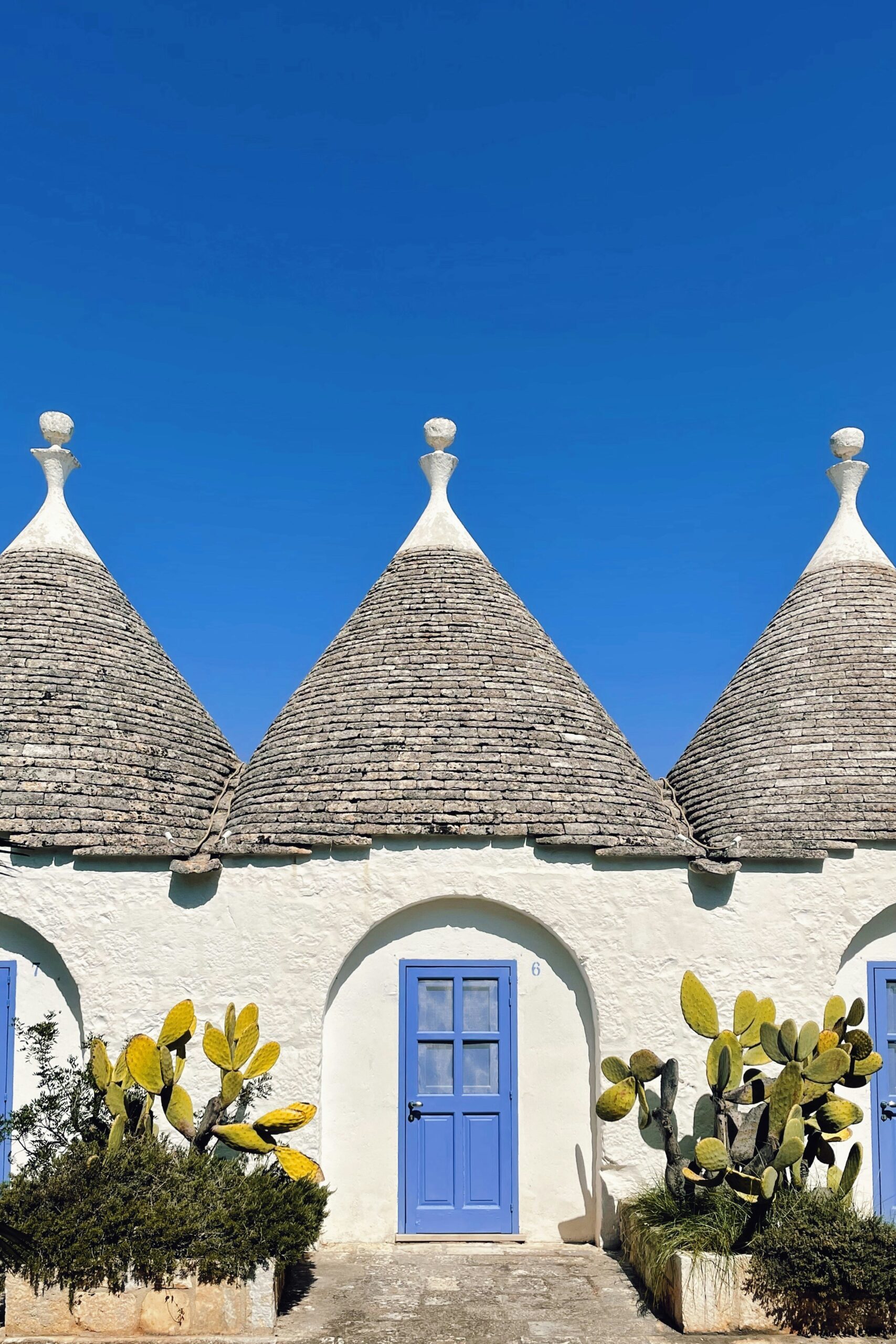
Holiday Home & Villa Booking
Discover your perfect home in Apulia with ApuliaBella. We handpick every trullo, villa, apartment, and masseria to ensure comfort, authenticity, and unforgettable charm. Whether it’s a romantic getaway, a family holiday, or a group escape, we match you with a property that fits your style, group size, and budget. Booking is simple and stress-free — we handle all details so you can focus on enjoying your holiday. With ApuliaBella, your dream Apulian stay is just a few clicks away.
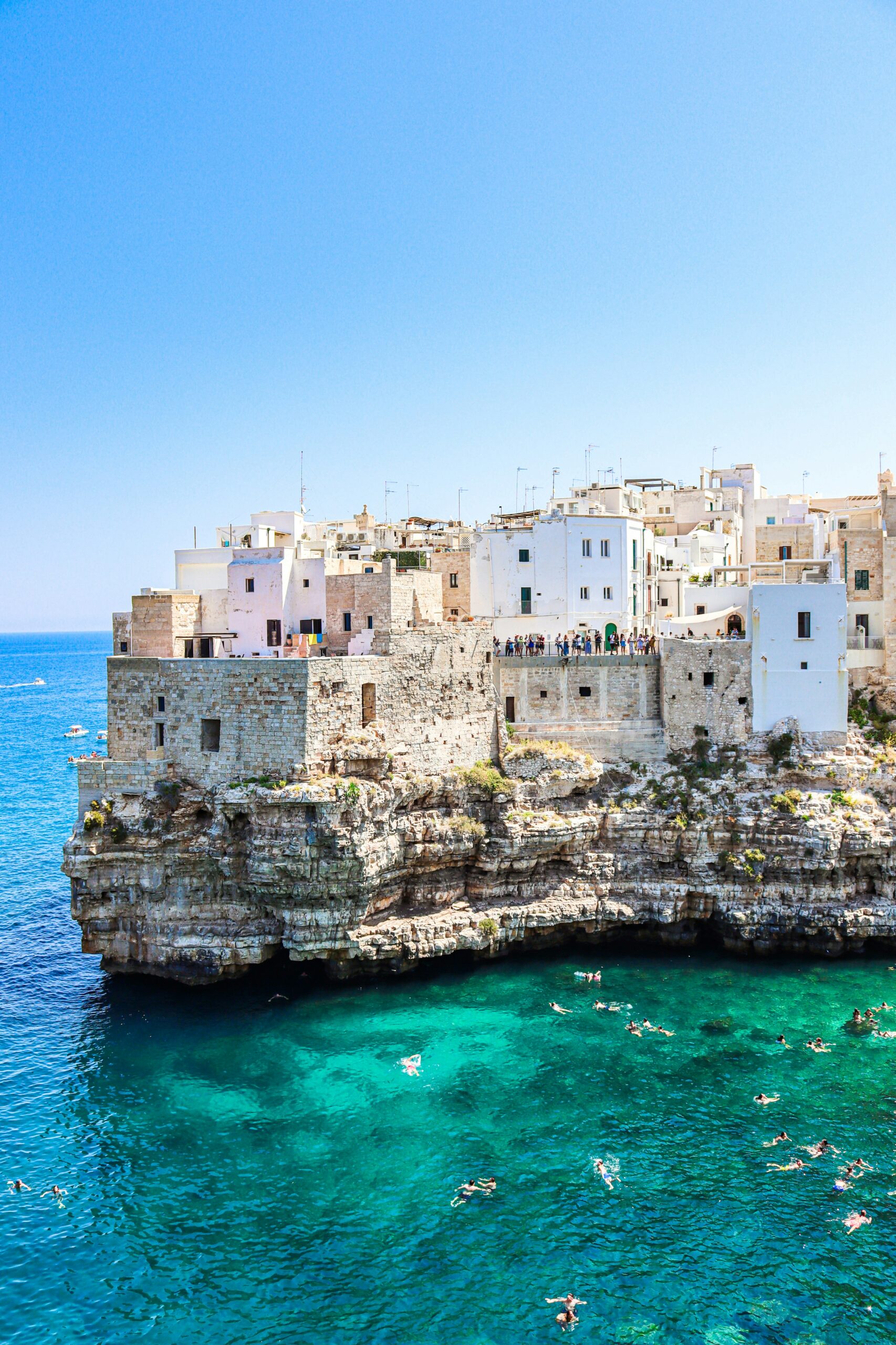
On-Site Guest Support
Enjoy your Apulia holiday without a single worry with ApuliaBella’s On-Site Guest Support. From the moment you arrive, our local team welcomes you personally, guides you through your accommodation, and ensures everything is perfectly prepared. Need tips for the best beaches, restaurants, or hidden gems? We provide insider knowledge tailored to your interests. Should any questions or small issues arise, we’re just a call away — discreet, reliable, and ready to assist. With ApuliaBella, your stay is seamless, stress-free, and completely focused on relaxation and enjoyment.
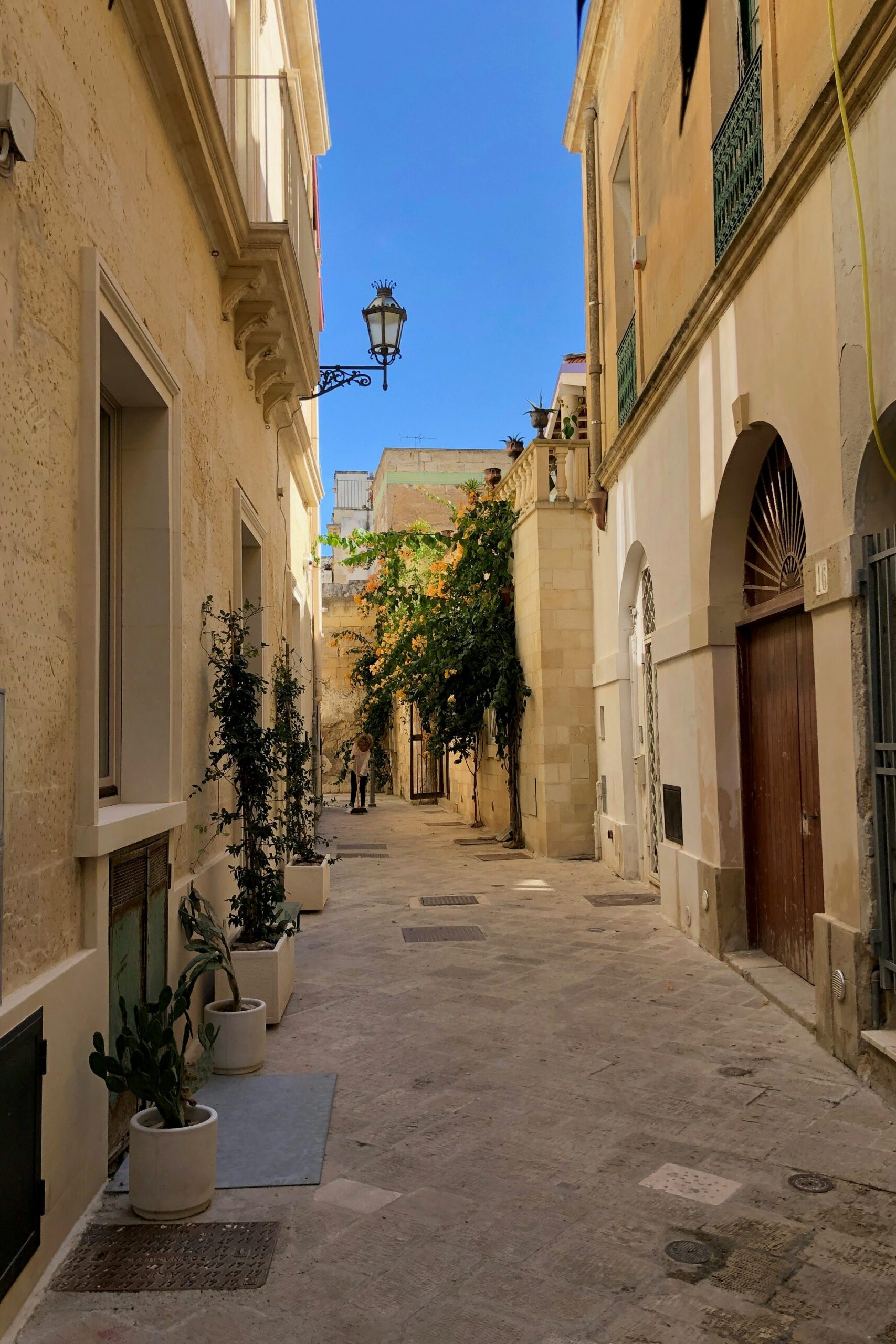
Services for Property Owners
Maximize your property’s potential with ApuliaBella. We handle everything — from professional marketing and guest communication to booking management and on-site coordination. Our team ensures your home is presented beautifully, booked efficiently, and maintained to the highest standards. With personalized strategies, we help you attract the right guests while reducing your workload. Trust ApuliaBella to manage your property professionally, giving you peace of mind and satisfied guests every time.
We are the Apulia Experts for Travelers
At ApuliaBella, we are your English-speaking experts for discovering the magic of Apulia. We handpick authentic holiday homes, trulli, villas, and masserie to ensure every stay is comfortable, unique, and unforgettable. Our team lives and breathes Apulia — from its sun-soaked beaches and historic towns to hidden villages and countryside escapes.
We guide you personally from booking to arrival, providing insider tips, local knowledge, and on-site support. Whether you are planning a romantic getaway, a family holiday, or a group adventure, ApuliaBella turns your travel dreams into reality. We are passionate about making every stay effortless, enjoyable, and authentically Apulian. With ApuliaBella, your Apulia experience begins before you even pack your bags.
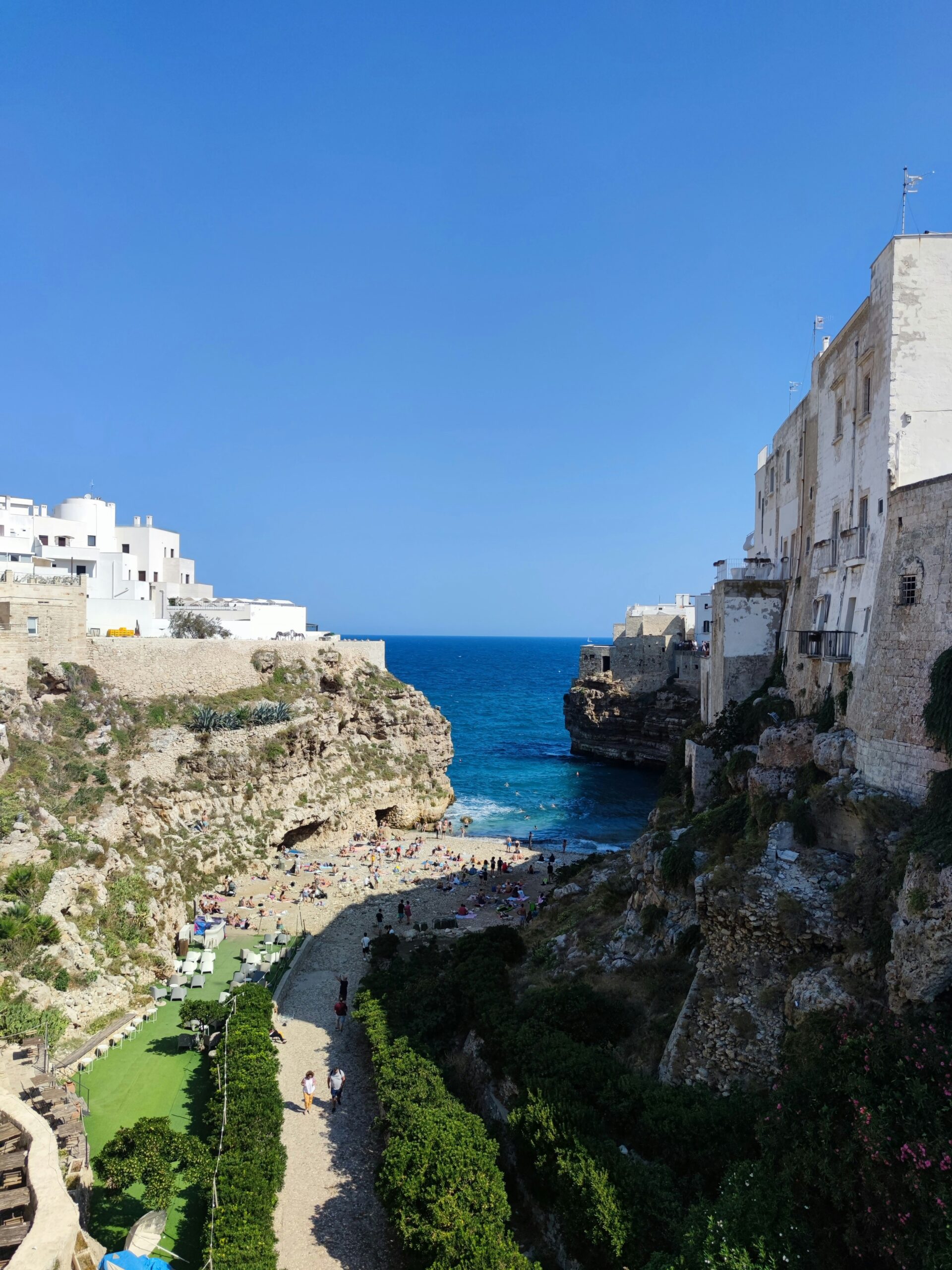
Places in Apulia:
Acquaviva delle Fonti, Accadia, Adelfia, Alberobello, Alberona, Altamura, Anzano di Puglia, Andria, Apricena, Ascoli Satriano, Avetrana, Bari, Barletta, Binetto, Biccari, Bitetto, Bitonto, Bitritto, Bisceglie, Bovino, Brindisi, Cagnano Varano, Candela, Canosa di Puglia, Carapelle, Carlantino, Carpino, Carosino, Carovigno, Casamassima, Casarano, Casalnuovo Monterotaro, Casalvecchio di Puglia, Castellana Grotte, Castellaneta, Castelluccio dei Sauri, Castelluccio Valmaggiore, Castelnuovo della Daunia, Cellamare, Celle di San Vito, Celenza Valfortore, Cellino San Marco, Ceglie Messapica, Cerignola, Chieuti, Cisternino, Corato, Copertino, Crispiano, Deliceto, Erchie, Faggiano, Fasano, Faeto, Foggia, Francavilla Fontana, Galatina, Galatone, Gallipoli, Gioia del Colle, Ginosa, Giovinazzo, Grottaglie, Gravina in Puglia, Grumo Appula, Ischitella, Isole Tremiti, Laterza, Latiano, Lecce, Leverano, Leporano, Lesina, Lizzano, Lizzanello, Locorotondo, Lucera, Maglie, Manduria, Manfredonia, Margherita di Savoia, Martina Franca, Maruggio, Massafra, Mattinata, Mesagne, Molfetta, Modugno, Monopoli, Monte Sant’Angelo, Montemesola, Monteiasi, Monteparano, Monteroni di Lecce, Monteleone di Puglia, Mottola, Motta Montecorvino, Nardò, Noci, Noicàttaro, Ordona, Oria, Orta Nova, Ostuni, Palagiano, Palagianello, Palo del Colle, Panni, Peschici, Pietramontecorvino, Poggiorsini, Polignano a Mare, Pulsano, Putignano, Rignano Garganico, Rodi Garganico, Roccaforzata, Roseto Valfortore, Ruvo di Puglia, Rutigliano, Sannicandro di Bari, Sannicandro Garganico, Sammichele di Bari, San Donaci, San Ferdinando di Puglia, San Giorgio Ionico, San Giovanni Rotondo, San Marzano di San Giuseppe, San Marco in Lamis, San Marco la Catola, San Michele Salentino, San Nicandro Garganico, San Paolo di Civitate, San Pancrazio Salentino, San Pietro Vernotico, Santeramo in Colle, Sava, Serracapriola, Spinazzola, Statte, Stornara, Stornarella, Surbo, Tarent, Taviano, Terlizzi, Trani, Tricase, Triggiano, Trinitapoli, Trepuzzi, Toritto, Torremaggiore, Torre Santa Susanna, Torricella, Torchiarolo, Turi, Ugento, Valenzano, Veglie, Vico del Gargano, Vieste, Villa Castelli, Volturara Appula, Volturino, Zapponeta