
Sava in Apulia
Welcome to Sava: The Crimson Heart of the Primitivo
Deep in the Upper Salento, where the soil turns a defiant, rusty red and the gnarled vines of Primitivo di Manduria stretch toward the Ionian sun, you will find Sava. At ApuliaBella, we consider Sava the “Alchemist of the South.” It is a city that has mastered the transformation of sun and earth into liquid gold—and deep purple. This is the spiritual home of one of Italy’s most robust wines, a place where the landscape is a rhythmic alternating pattern of silver-leaved olive groves and dark, dense vineyards.
As your dedicated ApuliaBella travel advisor, we invite you to experience a town that prioritizes substance over show. Sava is for the traveler who seeks “The Authenticity of the Hinterland”—the one who finds beauty in the slow drip of extra virgin olive oil, the cool silence of a Baroque nave, and the legendary hospitality of a community that lives by the seasons. Whether you are a wine aficionado eager to trace the roots of the Primitivo or a history enthusiast looking for the “Limitone dei Greci,” ApuliaBella is here to guide you through the historic “Terra” and the sun-soaked countryside of this Salentine bastion.
The Legend of the Pasano: The History of Sava
The history of Sava is a narrative of faith and territorial defense. At ApuliaBella, we find the town’s lineage particularly compelling; it sits atop a crossroads of ancient civilizations. In the 4th century BC, it was a Greek outpost, later fortified by the Byzantines as part of the Limitone dei Greci—a colossal stone wall built to separate the Greek sphere of influence from the Lombard territories to the north.
When you walk the streets with ApuliaBella, we tell the story of the 14th-century rebirth. After being destroyed during regional conflicts, the town was rebuilt and eventually became a noble fiefdom under families like the Prato and the Castromediano. At ApuliaBella, we help you trace this journey from the Byzantine “Wall of Silence” to the 18th-century agricultural boom that made Sava the wine capital it is today. It is a city that has always protected its borders, but its doors are now wide open to those who appreciate the finer things in life.
The Santuario della Madonna di Pasano: A Miracle in the Fields
Located just a few kilometers from the town center, the Santuario della Madonna di Pasano is the spiritual lighthouse of Sava. It stands on a site where ancient pagan rites once met early Christian devotion.
As your ApuliaBella travel guide, we suggest you begin your pilgrimage here. Built on the ruins of a Byzantine chapel, the current 18th-century structure commemorates a miraculous healing associated with a local spring. At ApuliaBella, we consider the interior, with its gold-leaf altars and the revered icon of the Virgin, to be a masterclass in Salentine devotion. Standing in the courtyard at sunset, as the breeze carries the scent of the nearby vineyards, is a moment of pure serenity.
The Palazzo Baronale: The Architectural Soul
In the center of the town stands the Palazzo Baronale, a sturdy yet elegant palace that once served as the administrative heart of the fief.
Your ApuliaBella travel guide considers this palace a must-see for understanding the social hierarchy of the past. Originally a fortified residence, it evolved into a noble seat with refined balconies and internal courtyards. At ApuliaBella, we suggest looking for the intricate stonework on the window frames—a subtle nod to the craftsmanship of the local scalpellini. We find the palace to be the “Solid Foundation” of Sava, bridging the gap between the humble peasant dwellings and the grandiosity of the Church.
The Museum of Oil and Wine: A Sensory Journey
To visit Sava without exploring its liquid legacy would be incomplete. The local Museo dell’Olio e del Vino (housed in a historic oil mill) offers a deep dive into the town’s primary obsession.
At ApuliaBella, we believe that seeing the ancient stone presses and massive oak barrels is essential to understanding the local identity. Your ApuliaBella travel guide can arrange for a session where you learn to distinguish the peppery kick of freshly pressed Coratina olive oil from the smooth, fruity notes of the Ogliarola. At ApuliaBella, we find that this museum turns the abstract concept of “Terroir” into something you can touch, smell, and taste.
Culinary Specialties: The Earthy Wealth of the Upper Salento
The kitchen of Sava is a celebration of the “Cucina del Sole.” It is a cuisine defined by the intensity of the soil and the proximity of the Ionian Sea. At ApuliaBella, we ensure you taste the “Deep Purple Soul” of the region.
Primitivo di Manduria DOC: The undisputed king. A high-alcohol, velvety red with notes of plum, carob, and black pepper.
Orecchiette with “Sugo di Carne”: Handmade pasta served with a rich tomato sauce slow-cooked with pork and lamb.
Puccia Savese: A soft, stone-baked bread stuffed with local olives, capers, and tomatoes—the perfect picnic food for the vineyards.
Almond Tozzetti: Crunchy biscuits made with the almonds that grow alongside the vines, often dipped into a sweet Primitivo dessert wine.
Caciocavallo Silano: While common in the South, the version aged in local cellars takes on a unique spiciness.
Insider Tip: The “Red Earth” Walk
Here is an ApuliaBella insider tip: For the most evocative experience in Sava, take a walk along the remaining stretches of the Limitone dei Greci at twilight.
Our ApuliaBella recommendation is to head toward the countryside path that follows this ancient dry-stone boundary. In the fading light, the limestone walls seem to glow against the red earth and the dark green vines. It is a place where you can feel the weight of centuries of defense and cultivation. At ApuliaBella, we find that this is where the spirit of Sava is most palpable—quiet, resilient, and deeply rooted in the soil.
Welcome to Serracapriola: The Balcony of the Fortore
At the northernmost tip of Apulia, where the Daunian hills roll toward the Adriatic and the border with Molise is just a whisper away, lies Serracapriola. At ApuliaBella, we call this town the “Lighthouse of the Daunia.” Perched on a ridge overlooking the Fortore river valley, Serracapriola is a city of vertiginous views, medieval stone, and a cool, mountain-influenced breeze. It is a place where the landscape changes from the golden wheat of the plains to the azure of the nearby sea in a single glance.
As your dedicated ApuliaBella travel advisor, we invite you to discover a town that serves as the “Northern Sentinel.” Serracapriola is for the traveler who seeks “The Panoramic”—the one who finds beauty in the crenellations of a Norman castle, the silence of a Capuchin convent, and the robust, mountain-meets-sea flavors of the Foggia province. Whether you are a hiker exploring the Gargano National Park or a history buff tracing the steps of Padre Pio, ApuliaBella is here to guide you through the breezy squares and ancient alleys of this borderland beauty.
The Castle of the Capra: The History of Serracapriola
The history of Serracapriola is a tale of feudal power and strategic vantage. At ApuliaBella, we find the town’s name to be its first riddle; it likely derives from Serra (ridge) and Capreola (roe deer), suggesting a land once rich in wild game. Founded in the early Middle Ages, it became a crucial defensive point for the Normans, who realized that whoever held this ridge held the key to the northern entrance of Apulia.
When you explore the historic core with ApuliaBella, we tell the story of the great families like the Guevara and the Maresca who fortified this height. At ApuliaBella, we help you trace the town’s evolution from a military outpost to a refined center of culture and religion. It is a city that has always lived “Between Two Worlds,” balancing its Apulian roots with its proximity to the Samnite lands of Molise.
The Castello Maresca: The Stone Crown
Dominating the skyline of Serracapriola is the Castello Maresca, an imposing fortress that blends medieval grit with Renaissance elegance.
As your ApuliaBella travel guide, we suggest you begin your exploration here. The castle, with its trapezoidal plan and majestic towers, offers some of the best views in the region. At ApuliaBella, we consider the internal courtyard and the noble chapel to be essential stops for understanding the feudal grandeur that once radiated from this hill. From its battlements, you can see the Tremiti Islands on a clear day, a reminder that the sea is closer than it feels.
The Convent of the Capuchins: A Saint’s Beginning
For many, Serracapriola is a site of profound spiritual significance. The Convento dei Padri Cappuccini is one of the oldest in Apulia and holds a special place in the heart of the faithful.
We at ApuliaBella recommend a visit to the room where Saint Pio of Pietrelcina (Padre Pio) lived as a young student in 1905. As your ApuliaBella travel guide, we find the simplicity and silence of this convent to be a powerful contrast to the bustle of modern life. At ApuliaBella, we view this site as the “Spiritual Anchor” of the town, a place where history, faith, and the quiet beauty of the Murgian foothills converge.
Culinary Specialties: The Borderland Bounty
The kitchen of Serracapriola is a unique hybrid of Apulian seafood and Molise-influenced mountain cooking. At ApuliaBella, we ensure you taste the “Zest of the Frontier.”
Serracapriola Pasta (Vallillo): Famous for its high-protein durum wheat, the local pasta has a rough texture that holds sauces perfectly.
Lake Lesina Eel: Sourced from the nearby lagoon, grilled with bay leaves or served in a spicy broth.
Musciscka: Sun-dried strips of goat or beef, seasoned with chili and fennel—a legacy of the ancient transhumance sheep tracks.
Scanno Cheese: A robust, aged sheep’s cheese that pairs perfectly with the local honey.
Serracapriola Extra Virgin Olive Oil: Known for its delicate balance, often with a hint of green tomato.
Insider Tip: The “Two-Sea” View
Here is an ApuliaBella insider tip: To see the true majesty of Serracapriola’s position, head to the Belvedere at the northern end of the town during the “Golden Hour.”
Our ApuliaBella recommendation is to look out over the Fortore River. From here, you can see the change in the landscape where the Tavoliere plains end and the hills of Molise begin, while the Adriatic sparkles in the distance. At ApuliaBella, we find that this view—where three distinct geographical zones meet—is the most dramatic in Northern Apulia. It is a place to breathe deep and realize that you are standing on the very edge of the South.
Why Choose ApuliaBella for Your Journey to Sava and Serracapriola?
Whether you are exploring the red-earth vineyards of Sava or the high ridges of Serracapriola, ApuliaBella provides the expertise needed to navigate these distinct territories.
Specialized Itineraries: ApuliaBella bridges the gap between the Ionian coast and the Daunian hills, creating a cohesive story of Apulian diversity.
Local Connections: We know the winemakers of Sava and the castle keepers of Serracapriola, giving you access that standard guides can’t offer.
Cultural Storytelling: We bring the legends of the Limitone and the Norman knights to life, ensuring your visit is more than just sightseeing—it’s an immersion.
Sava and Serracapriola are the two bookends of the Apulian spirit—one a champion of the sun-drenched vine, the other a guardian of the breezy hills. Let ApuliaBella be your guide to these two extraordinary secrets of the South.
Comprehensive Services for Guests
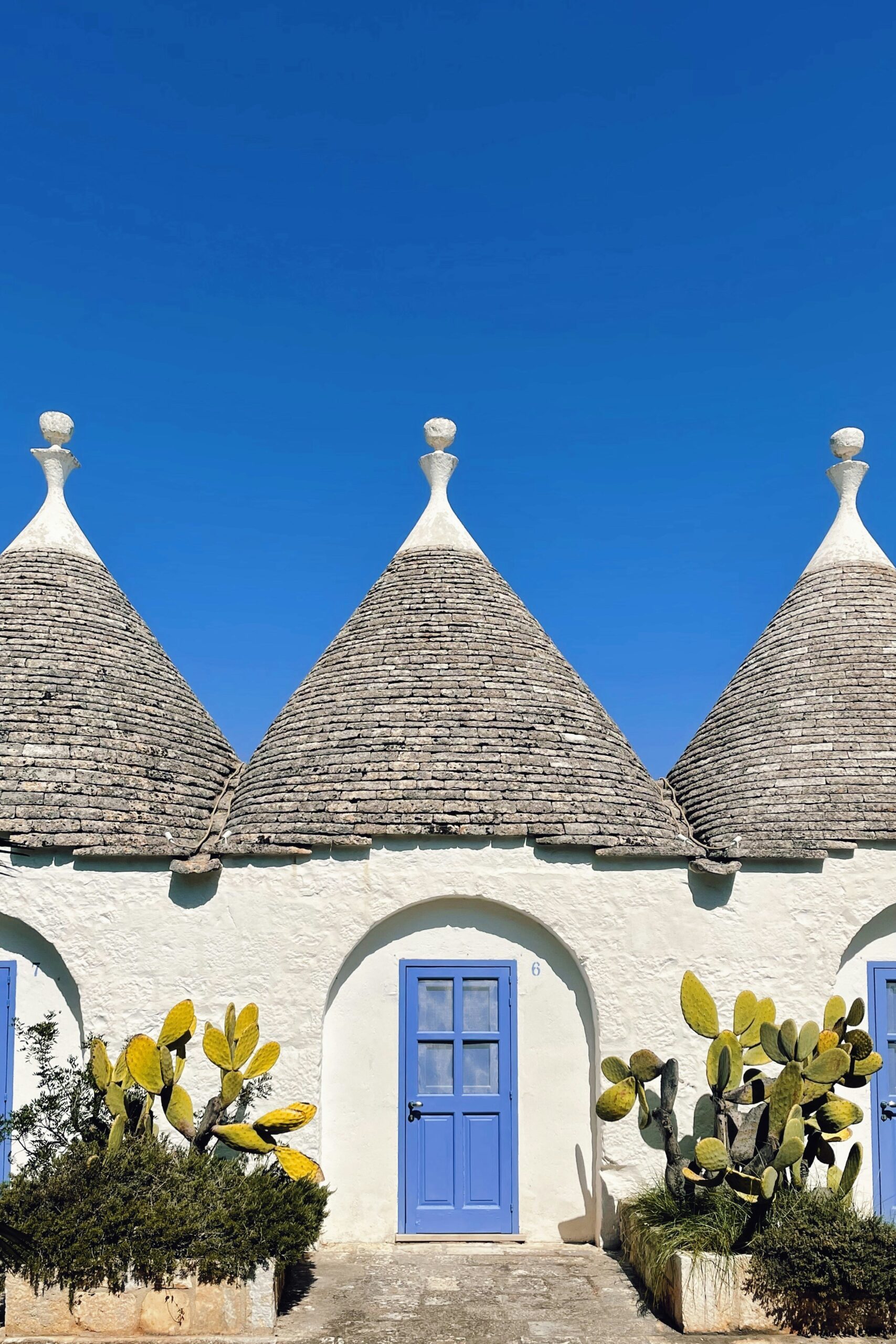
Holiday Home & Villa Booking
Discover your perfect home in Apulia with ApuliaBella. We handpick every trullo, villa, apartment, and masseria to ensure comfort, authenticity, and unforgettable charm. Whether it’s a romantic getaway, a family holiday, or a group escape, we match you with a property that fits your style, group size, and budget. Booking is simple and stress-free — we handle all details so you can focus on enjoying your holiday. With ApuliaBella, your dream Apulian stay is just a few clicks away.
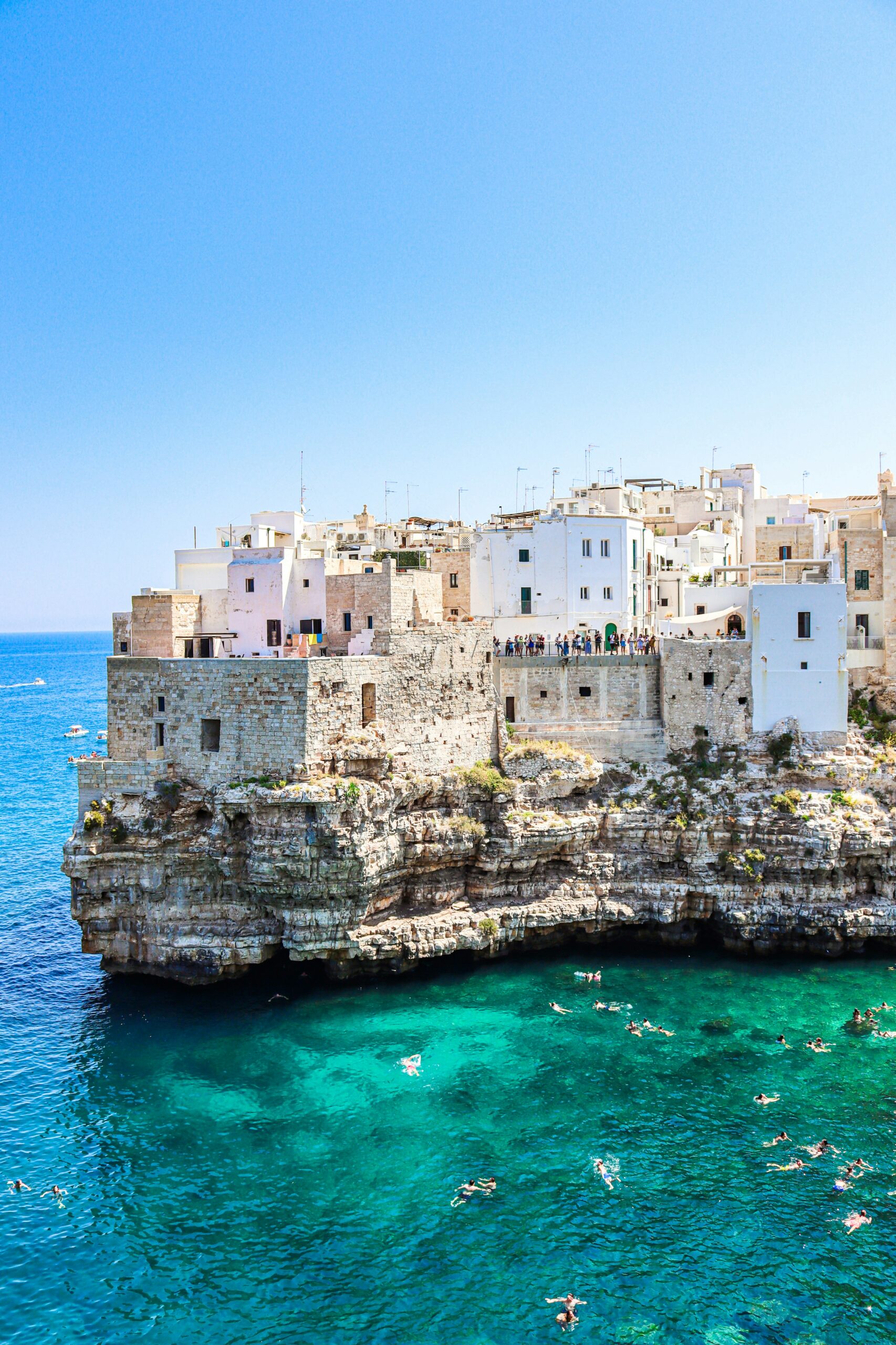
On-Site Guest Support
Enjoy your Apulia holiday without a single worry with ApuliaBella’s On-Site Guest Support. From the moment you arrive, our local team welcomes you personally, guides you through your accommodation, and ensures everything is perfectly prepared. Need tips for the best beaches, restaurants, or hidden gems? We provide insider knowledge tailored to your interests. Should any questions or small issues arise, we’re just a call away — discreet, reliable, and ready to assist. With ApuliaBella, your stay is seamless, stress-free, and completely focused on relaxation and enjoyment.
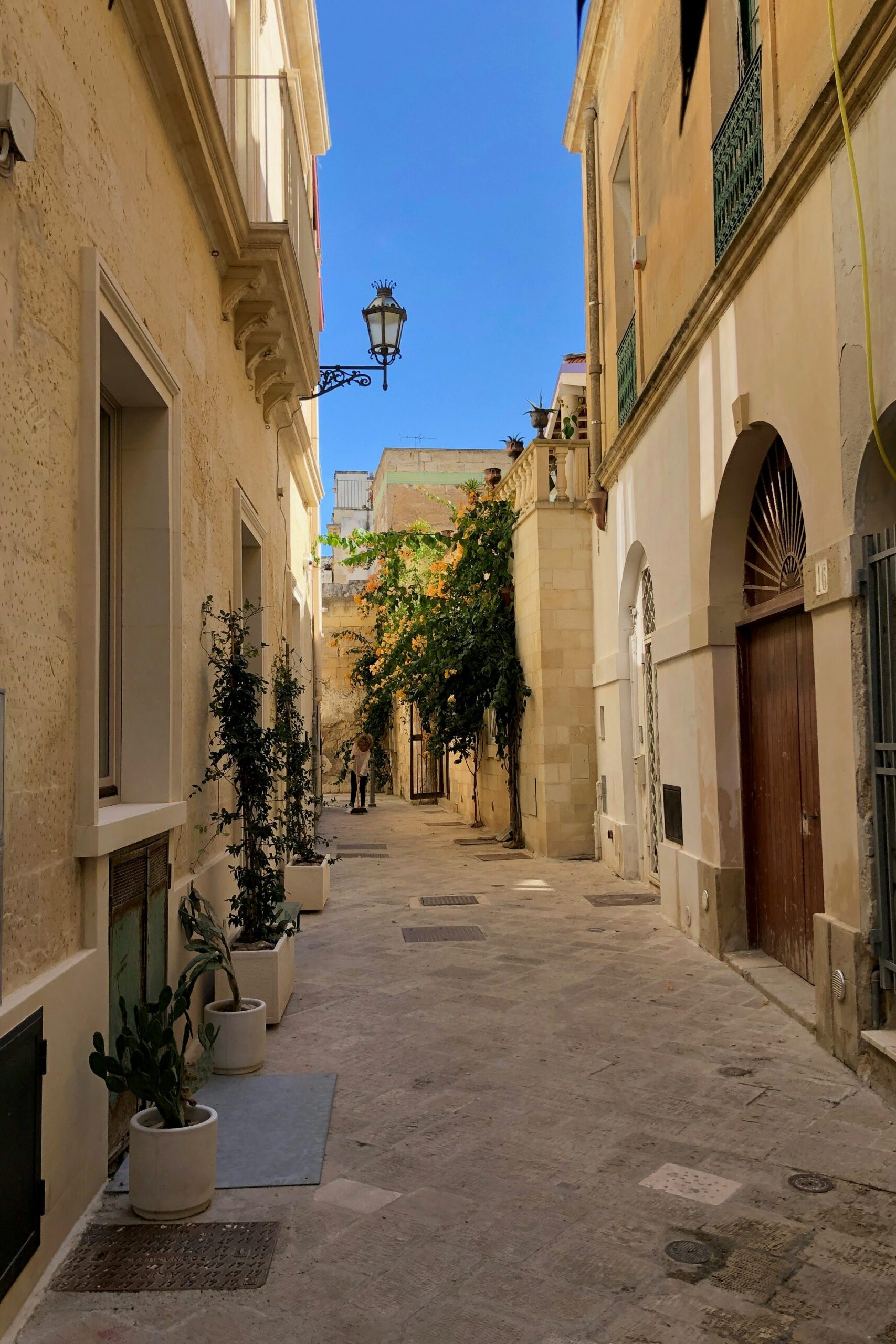
Services for Property Owners
Maximize your property’s potential with ApuliaBella. We handle everything — from professional marketing and guest communication to booking management and on-site coordination. Our team ensures your home is presented beautifully, booked efficiently, and maintained to the highest standards. With personalized strategies, we help you attract the right guests while reducing your workload. Trust ApuliaBella to manage your property professionally, giving you peace of mind and satisfied guests every time.
We are the Apulia Experts for Travelers
At ApuliaBella, we are your English-speaking experts for discovering the magic of Apulia. We handpick authentic holiday homes, trulli, villas, and masserie to ensure every stay is comfortable, unique, and unforgettable. Our team lives and breathes Apulia — from its sun-soaked beaches and historic towns to hidden villages and countryside escapes.
We guide you personally from booking to arrival, providing insider tips, local knowledge, and on-site support. Whether you are planning a romantic getaway, a family holiday, or a group adventure, ApuliaBella turns your travel dreams into reality. We are passionate about making every stay effortless, enjoyable, and authentically Apulian. With ApuliaBella, your Apulia experience begins before you even pack your bags.
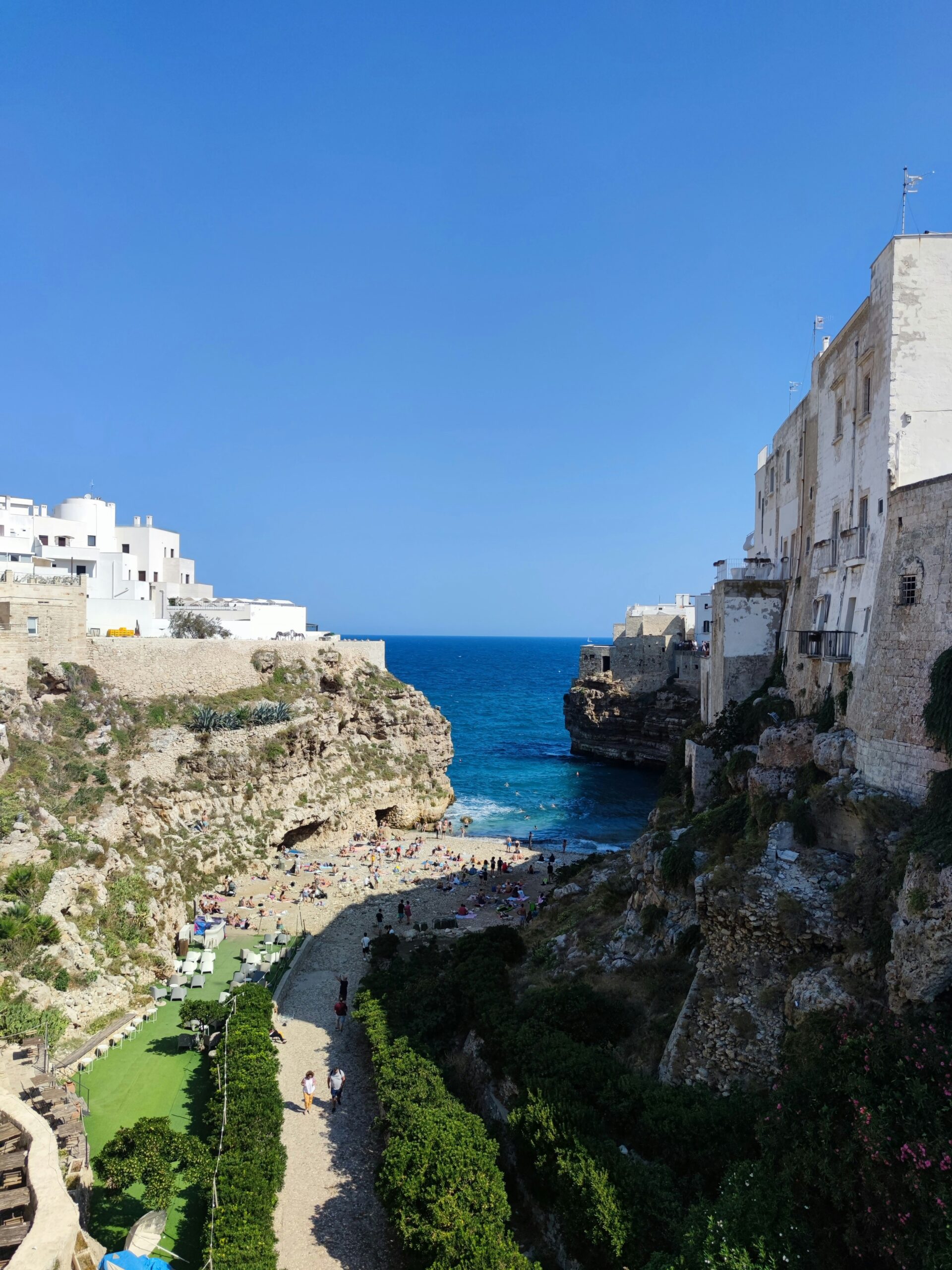
Places in Apulia:
Acquaviva delle Fonti, Accadia, Adelfia, Alberobello, Alberona, Altamura, Anzano di Puglia, Andria, Apricena, Ascoli Satriano, Avetrana, Bari, Barletta, Binetto, Biccari, Bitetto, Bitonto, Bitritto, Bisceglie, Bovino, Brindisi, Cagnano Varano, Candela, Canosa di Puglia, Carapelle, Carlantino, Carpino, Carosino, Carovigno, Casamassima, Casarano, Casalnuovo Monterotaro, Casalvecchio di Puglia, Castellana Grotte, Castellaneta, Castelluccio dei Sauri, Castelluccio Valmaggiore, Castelnuovo della Daunia, Cellamare, Celle di San Vito, Celenza Valfortore, Cellino San Marco, Ceglie Messapica, Cerignola, Chieuti, Cisternino, Corato, Copertino, Crispiano, Deliceto, Erchie, Faggiano, Fasano, Faeto, Foggia, Francavilla Fontana, Galatina, Galatone, Gallipoli, Gioia del Colle, Ginosa, Giovinazzo, Grottaglie, Gravina in Puglia, Grumo Appula, Ischitella, Isole Tremiti, Laterza, Latiano, Lecce, Leverano, Leporano, Lesina, Lizzano, Lizzanello, Locorotondo, Lucera, Maglie, Manduria, Manfredonia, Margherita di Savoia, Martina Franca, Maruggio, Massafra, Mattinata, Mesagne, Molfetta, Modugno, Monopoli, Monte Sant’Angelo, Montemesola, Monteiasi, Monteparano, Monteroni di Lecce, Monteleone di Puglia, Mottola, Motta Montecorvino, Nardò, Noci, Noicàttaro, Ordona, Oria, Orta Nova, Ostuni, Palagiano, Palagianello, Palo del Colle, Panni, Peschici, Pietramontecorvino, Poggiorsini, Polignano a Mare, Pulsano, Putignano, Rignano Garganico, Rodi Garganico, Roccaforzata, Roseto Valfortore, Ruvo di Puglia, Rutigliano, Sannicandro di Bari, Sannicandro Garganico, Sammichele di Bari, San Donaci, San Ferdinando di Puglia, San Giorgio Ionico, San Giovanni Rotondo, San Marzano di San Giuseppe, San Marco in Lamis, San Marco la Catola, San Michele Salentino, San Nicandro Garganico, San Paolo di Civitate, San Pancrazio Salentino, San Pietro Vernotico, Santeramo in Colle, Sava, Serracapriola, Spinazzola, Statte, Stornara, Stornarella, Surbo, Tarent, Taviano, Terlizzi, Trani, Tricase, Triggiano, Trinitapoli, Trepuzzi, Toritto, Torremaggiore, Torre Santa Susanna, Torricella, Torchiarolo, Turi, Ugento, Valenzano, Veglie, Vico del Gargano, Vieste, Villa Castelli, Volturara Appula, Volturino, Zapponeta