
Torremaggiore in Apulia
Welcome to Torremaggiore: The Imperial Throne of the Alto Tavoliere
In the vast, golden sea of the Northern Apulian plains, where the earth yields the richest durum wheat in Europe and the sky stretches into an infinite blue, stands Torremaggiore. At ApuliaBella, we call this city the “Guardian of the Emperor’s Ghost.” Torremaggiore is a place of epic proportions and deep shadows. It is a city born from the ruins of a lost medieval capital and forever linked to the final breaths of Frederick II, the Stupor Mundi. It is a land of red soil, robust wines, and a history so dense it feels as though the limestone walls themselves are whispering the secrets of knights and kings.
As your dedicated ApuliaBella travel advisor, we invite you to discover a destination that offers “The Grandeur of the Plains.” Torremaggiore is for the traveler who seeks “The Heroic”—the one who finds beauty in the sturdy towers of a ducal castle, the haunting silence of an archaeological park, and the fiery kick of a locally grown chili pepper. Whether you are a historian tracing the fall of the Swabian dynasty or a traveler seeking the authentic, unhurried rhythm of the Foggia hinterland, ApuliaBella is here to guide you through the noble estates and sacred ruins of this imperial treasure.
A Phoenix from the Ruins: The History of Torremaggiore
The history of Torremaggiore is a narrative of survival and rebirth. At ApuliaBella, we find the town’s origin story to be one of the most dramatic in Italy. Its destiny was forged in 1255, when the nearby city of Fiorentino—an imperial residence of Frederick II—was destroyed by Papal forces. The survivors fled to a nearby Benedictine tower, the Castrum Turris Maioris, and founded a new settlement.
When you walk the historic streets with ApuliaBella, we tell the story of the “Codice di Fiorentino,” the ancestral memory that the citizens have carried for nearly 800 years. Torremaggiore became a strategic fiefdom, eventually passing into the hands of the powerful de Sangro family, the Princes of Sansevero. These nobles transformed the town into a center of Enlightenment thought and agricultural innovation. At ApuliaBella, we help you trace this journey from the tragic fall of an empire to the rise of a modern agricultural powerhouse. It is a city that rose from the ashes of a king’s favorite retreat to become the crown jewel of the Tavoliere.
The Castello Ducale de Sangro: The Fortress of Knowledge
The undisputed architectural anchor of the city is the Castello Ducale. This massive, quadrangular fortress with its four circular corner towers is a masterclass in the transition from medieval defense to Renaissance residence.
As your ApuliaBella travel guide, we suggest you begin your journey here. The castle was the seat of the de Sangro family, including the famous Prince Raimondo de Sangro, the alchemist and mastermind behind the Sansevero Chapel in Naples. At ApuliaBella, we consider the castle’s internal courtyard and the noble apartments to be portals to the 18th century. Standing on the ramparts, looking out over the endless wheat fields, you realize that this was not just a home, but a command center for one of the most influential families in Southern Italy.
Castel Fiorentino: Where the World Stood Still
Just a few kilometers outside the town lies the Archaeological Park of Castel Fiorentino. This is the site of the ancient city where Emperor Frederick II died in 1250.
We at ApuliaBella recommend a visit to these ruins at sunset. It was here that the prophecy of Frederick’s death—which stated he would die “at the iron gate in a place named after a flower”—was fulfilled. As your ApuliaBella travel guide, we find the silence of these ruins to be incredibly moving. Only the foundations of the cathedral and the imperial palace remain, but the atmosphere is heavy with the weight of a dying empire. At ApuliaBella, we view Castel Fiorentino as the “Spiritual Birthplace” of Torremaggiore. It is a place of pilgrimage for those who want to stand at the exact spot where the Middle Ages changed forever.
The Sanctuary of Maria Santissima della Fontana: The Sacred Spring
A place of deep local devotion, the Santuario della Fontana is built over an ancient spring that has provided water to the plains for millennia.
Your ApuliaBella travel guide considers this sanctuary the “Lifeblood of the Town.” Legend says the spring appeared miraculously, and for centuries, farmers have come here to pray for the success of their harvests. The current architecture is a blend of Renaissance and Baroque styles, featuring a beautiful portico. At ApuliaBella, we suggest sitting by the fountain and listening to the water—it is the same sound that the Benedictine monks and the Swabian soldiers heard centuries ago. We find this to be the most peaceful spot in the Alto Tavoliere.
The Church of San Nicola: The Guardian of the Borgo
In the heart of the “Codacchio”—the oldest neighborhood in Torremaggiore—stands the Chiesa di San Nicola. Built by the refugees from Fiorentino, it carries the architectural DNA of the lost city.
At ApuliaBella, we suggest you look for the ancient stone fragments incorporated into the walls. This neighborhood, with its narrow, winding alleys and white-washed houses, is a stark contrast to the wide boulevards of the modern town. As your ApuliaBella travel guide, we find the “Codacchio” to be the “Memory Bank” of the city. At ApuliaBella, we view this church as the link between the imperial past and the communal present.
Culinary Specialties: The Fire and the Flour of the Tavoliere
The kitchen of Torremaggiore is a robust, spicy, and deeply satisfying celebration of the “Granary of Italy.” It is a cuisine that respects the land and the heat of the sun. At ApuliaBella, we ensure you taste the “Zest of the Red Soil.”
Peranzana Olive Oil: Torremaggiore is the world capital of the Peranzana olive. The oil is exceptionally balanced, with notes of tomato and artichoke—perfection on a piece of toasted bread.
Torcinelli: Grilled lamb entrails wrapped around parsley and garlic—a bold, smoky delicacy for the true carnivore.
Musciscka: Sun-dried strips of goat or beef, seasoned with chili and fennel, a legacy of the transhumance shepherds.
Orecchiette with Burnt Wheat (Grano Arso): Pasta made from toasted grain, served with a rich tomato ragù and plenty of “cacioricotta” cheese.
The “Diavolicchio” Chili: The local peppers are famous for their heat. You will find them infused in oil, dried in bunches, or added to almost every savory dish.
Paposcia: A traditional flatbread, elongated like a slipper, stuffed with local cheese, tomatoes, and arugula.
Insider Tip: The “Peranzana Harvest” Experience
Here is an ApuliaBella insider tip: If you visit in late October or November, seek out a local frantoio (olive mill).
Our ApuliaBella recommendation is to witness the “First Pressing.” The scent in the air during the Peranzana harvest is intoxicating—it smells like fresh grass and green tomatoes. At ApuliaBella, we find that tasting the bright green, peppery oil as it flows warm from the press is the ultimate culinary rite of passage in Northern Apulia. Many local producers will allow you to participate in a “Bruschetta Party” right on the spot. It is the most honest way to experience the wealth of the Tavoliere.
The Corteo Storico di Fiorentino: A Return to the Middle Ages
Every year, Torremaggiore recreates its founding with a magnificent Historical Parade.
At ApuliaBella, we believe this is the most vibrant time to visit. Hundreds of participants in meticulously recreated medieval costumes march through the streets, accompanied by flag-wavers, trumpeters, and knights. Your ApuliaBella travel guide suggests securing a spot near the Castello Ducale to see the “Palio” competitions. At ApuliaBella, we view this festival as more than just a show; it is a profound act of communal identity, a way for the people of Torremaggiore to say, “We remember where we came from.”
Why Choose ApuliaBella for Your Torremaggiore Journey?
Torremaggiore is a city of “Imperial Shadows and Golden Fields.” It requires a guide who can navigate the nuances of its Swabian history and the agricultural excellence of its modern industry.
Historical Depth: ApuliaBella provides the context for the fall of Fiorentino and the rise of the de Sangro family, turning stone ruins into living history.
Gastronomic Curation: We know the specific millers and butchers who maintain the highest standards of the Peranzana and Torcinelli traditions.
Sacred Access: We connect you with the local keepers of the sanctuary and the castle, ensuring you see the “Private Side” of the town’s heritage.
Torremaggiore is the imperial throne of the Alto Tavoliere—a city of knightly legends, alchemical princes, and the finest olive oil in the world. It is where the spirit of the Stupor Mundi still lingers in the evening breeze. Let ApuliaBella be your guide to the most epic and authentic secret of the Foggia plains.
Comprehensive Services for Guests
Holiday Home & Villa Booking
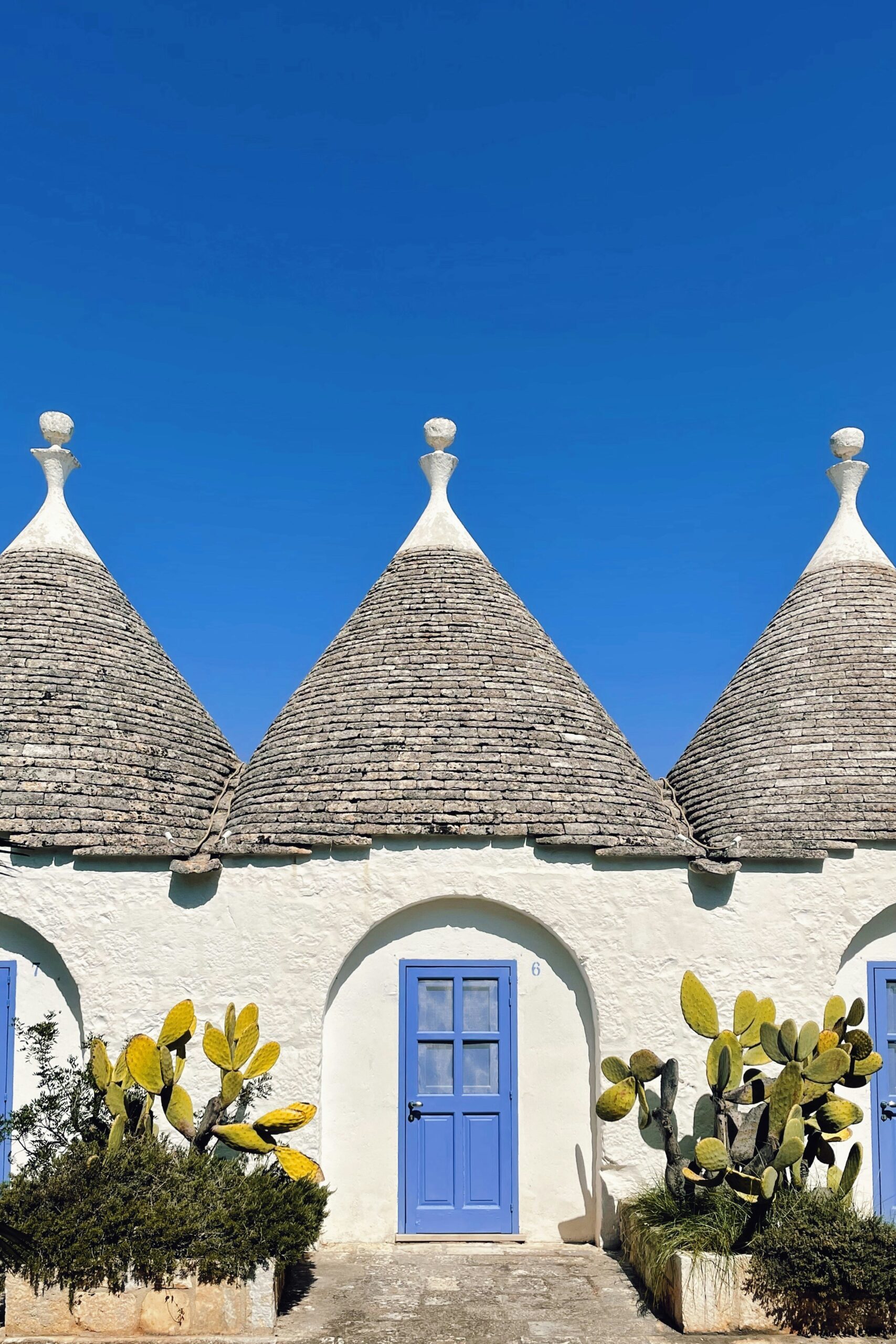
Discover your perfect home in Apulia with ApuliaBella. We handpick every trullo, villa, apartment, and masseria to ensure comfort, authenticity, and unforgettable charm. Whether it’s a romantic getaway, a family holiday, or a group escape, we match you with a property that fits your style, group size, and budget. Booking is simple and stress-free — we handle all details so you can focus on enjoying your holiday. With ApuliaBella, your dream Apulian stay is just a few clicks away.
On-Site Guest Support
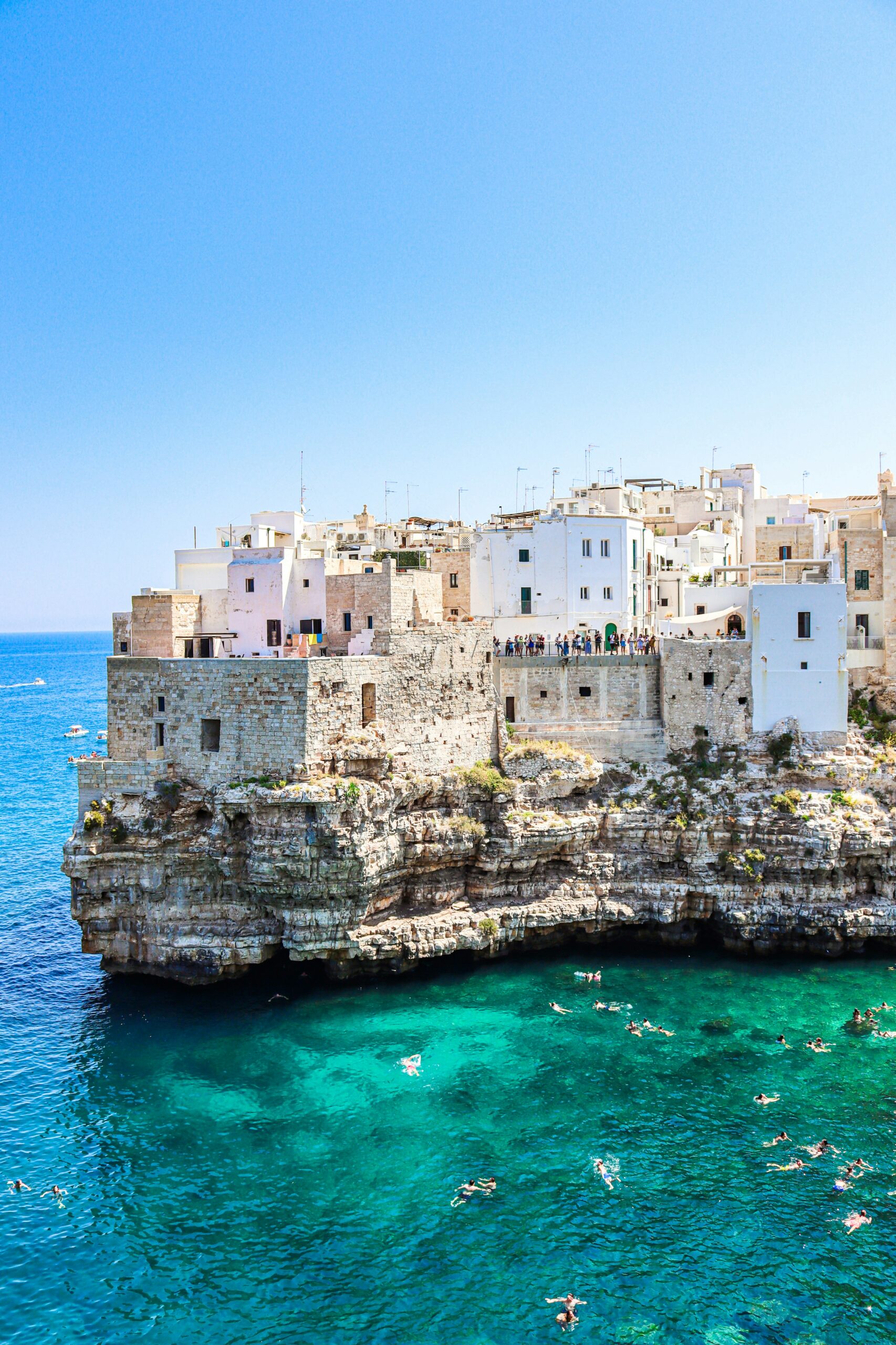
Enjoy your Apulia holiday without a single worry with ApuliaBella’s On-Site Guest Support. From the moment you arrive, our local team welcomes you personally, guides you through your accommodation, and ensures everything is perfectly prepared. Need tips for the best beaches, restaurants, or hidden gems? We provide insider knowledge tailored to your interests. Should any questions or small issues arise, we’re just a call away — discreet, reliable, and ready to assist. With ApuliaBella, your stay is seamless, stress-free, and completely focused on relaxation and enjoyment.
Services for Property Owners
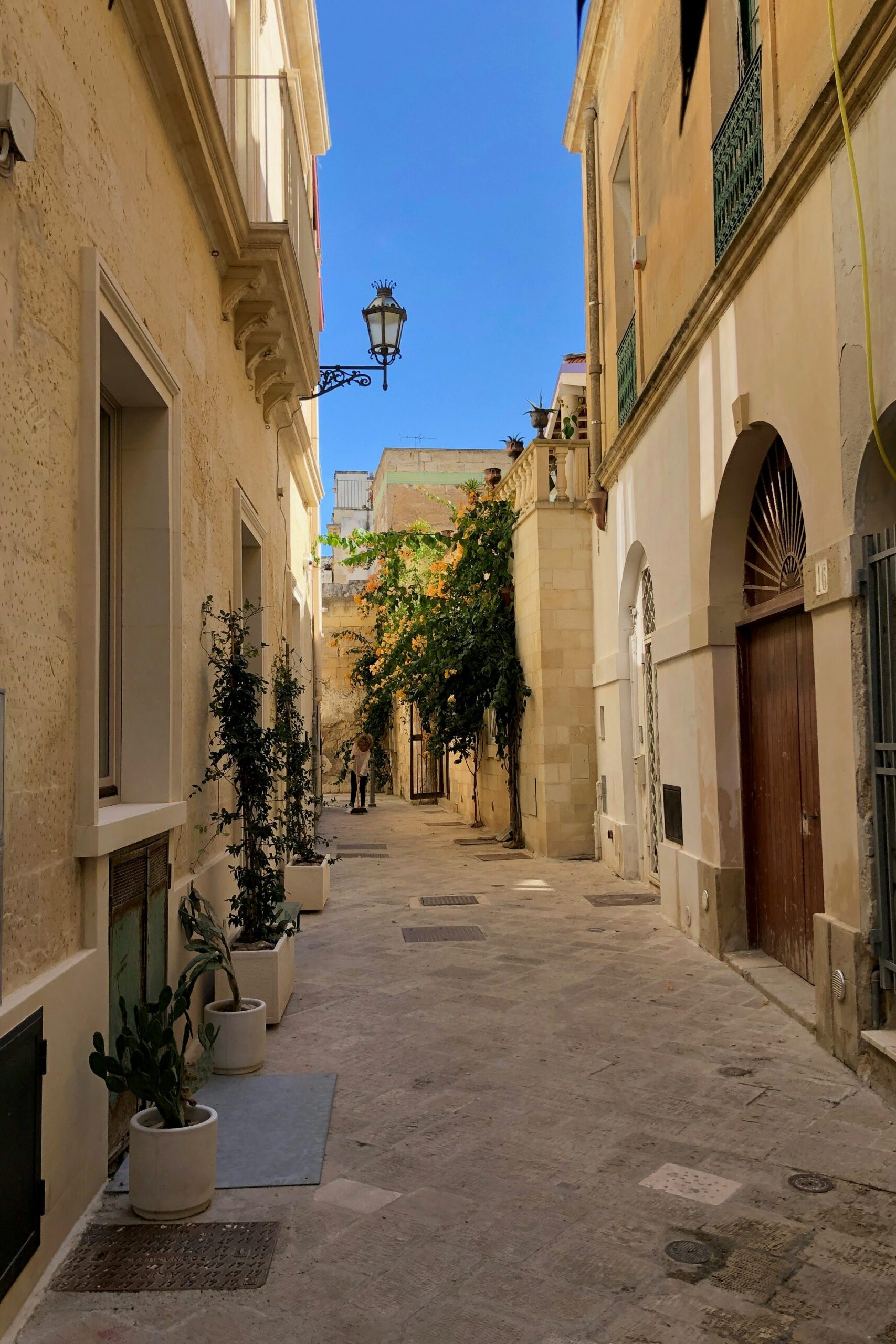
Maximize your property’s potential with ApuliaBella. We handle everything — from professional marketing and guest communication to booking management and on-site coordination. Our team ensures your home is presented beautifully, booked efficiently, and maintained to the highest standards. With personalized strategies, we help you attract the right guests while reducing your workload. Trust ApuliaBella to manage your property professionally, giving you peace of mind and satisfied guests every time.
We are the Apulia Experts for Travelers
At ApuliaBella, we are your English-speaking experts for discovering the magic of Apulia. We handpick authentic holiday homes, trulli, villas, and masserie to ensure every stay is comfortable, unique, and unforgettable. Our team lives and breathes Apulia — from its sun-soaked beaches and historic towns to hidden villages and countryside escapes.
We guide you personally from booking to arrival, providing insider tips, local knowledge, and on-site support. Whether you are planning a romantic getaway, a family holiday, or a group adventure, ApuliaBella turns your travel dreams into reality. We are passionate about making every stay effortless, enjoyable, and authentically Apulian. With ApuliaBella, your Apulia experience begins before you even pack your bags.
Places in Apulia:
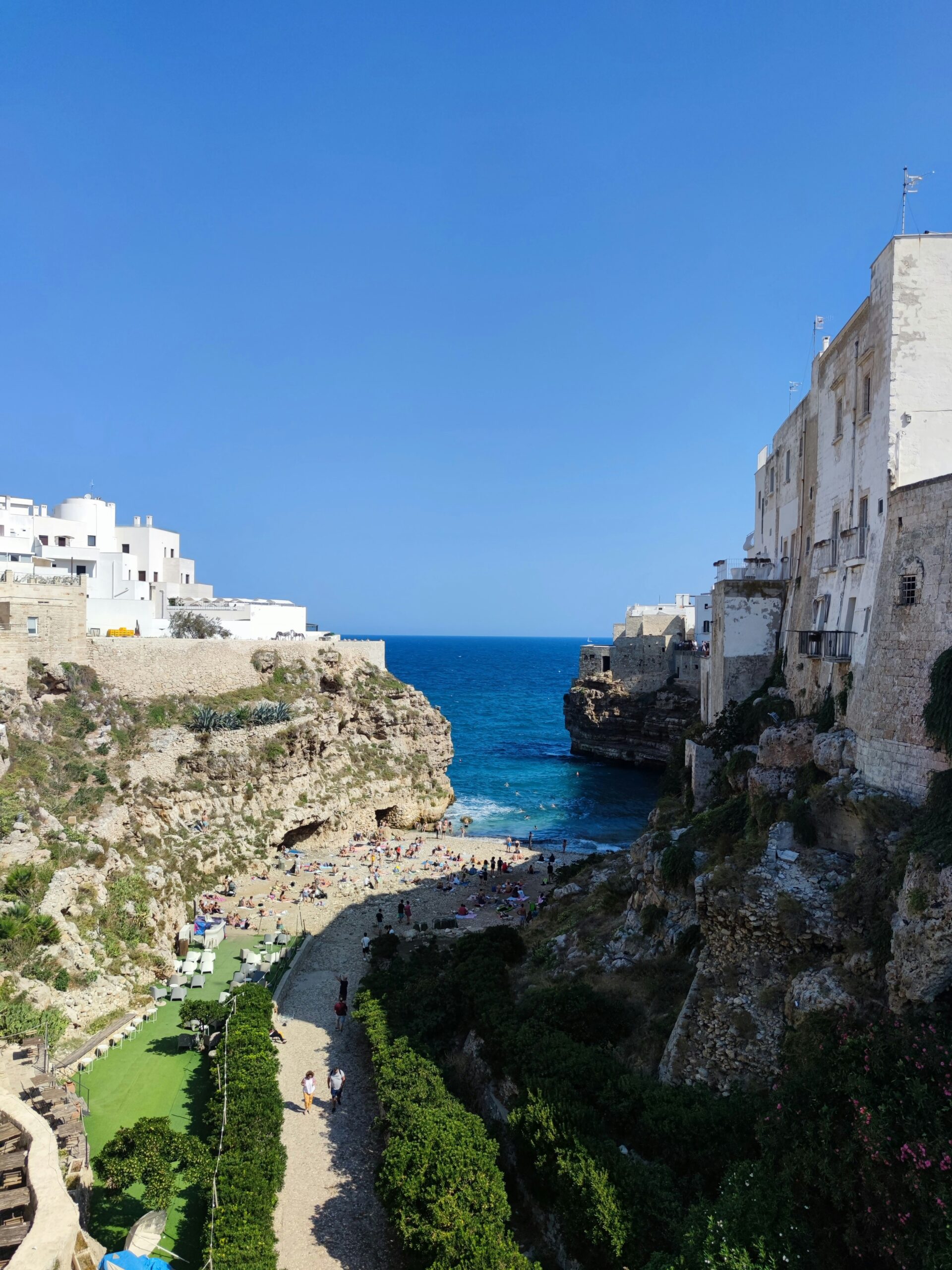
Acquaviva delle Fonti, Accadia, Adelfia, Alberobello, Alberona, Altamura, Anzano di Puglia, Andria, Apricena, Ascoli Satriano, Avetrana, Bari, Barletta, Binetto, Biccari, Bitetto, Bitonto, Bitritto, Bisceglie, Bovino, Brindisi, Cagnano Varano, Candela, Canosa di Puglia, Carapelle, Carlantino, Carpino, Carosino, Carovigno, Casamassima, Casarano, Casalnuovo Monterotaro, Casalvecchio di Puglia, Castellana Grotte, Castellaneta, Castelluccio dei Sauri, Castelluccio Valmaggiore, Castelnuovo della Daunia, Cellamare, Celle di San Vito, Celenza Valfortore, Cellino San Marco, Ceglie Messapica, Cerignola, Chieuti, Cisternino, Corato, Copertino, Crispiano, Deliceto, Erchie, Faggiano, Fasano, Faeto, Foggia, Francavilla Fontana, Galatina, Galatone, Gallipoli, Gioia del Colle, Ginosa, Giovinazzo, Grottaglie, Gravina in Puglia, Grumo Appula, Ischitella, Isole Tremiti, Laterza, Latiano, Lecce, Leverano, Leporano, Lesina, Lizzano, Lizzanello, Locorotondo, Lucera, Maglie, Manduria, Manfredonia, Margherita di Savoia, Martina Franca, Maruggio, Massafra, Mattinata, Mesagne, Molfetta, Modugno, Monopoli, Monte Sant’Angelo, Montemesola, Monteiasi, Monteparano, Monteroni di Lecce, Monteleone di Puglia, Mottola, Motta Montecorvino, Nardò, Noci, Noicàttaro, Ordona, Oria, Orta Nova, Ostuni, Palagiano, Palagianello, Palo del Colle, Panni, Peschici, Pietramontecorvino, Poggiorsini, Polignano a Mare, Pulsano, Putignano, Rignano Garganico, Rodi Garganico, Roccaforzata, Roseto Valfortore, Ruvo di Puglia, Rutigliano, Sannicandro di Bari, Sannicandro Garganico, Sammichele di Bari, San Donaci, San Ferdinando di Puglia, San Giorgio Ionico, San Giovanni Rotondo, San Marzano di San Giuseppe, San Marco in Lamis, San Marco la Catola, San Michele Salentino, San Nicandro Garganico, San Paolo di Civitate, San Pancrazio Salentino, San Pietro Vernotico, Santeramo in Colle, Sava, Serracapriola, Spinazzola, Statte, Stornara, Stornarella, Surbo, Tarent, Taviano, Terlizzi, Trani, Tricase, Triggiano, Trinitapoli, Trepuzzi, Toritto, Torremaggiore, Torre Santa Susanna, Torricella, Torchiarolo, Turi, Ugento, Valenzano, Veglie, Vico del Gargano, Vieste, Villa Castelli, Volturara Appula, Volturino, Zapponeta